Laser Safety and Fixes
How to Vent a Laser Engraver?
Learn how to vent a laser engraver safely and effectively. Discover the best methods to remove fumes and protect your workspace for optimal results.
Use lasers more safely and solve smoke, fire, focus, cutting, and engraving problems.
Learn how to vent a laser engraver safely and effectively. Discover the best methods to remove fumes and protect your workspace for optimal results.
Is your laser cut edge rough? Discover common causes and solutions to achieve smooth, precise results. Learn what's affecting your cuts.
Learn how to reduce smoke when laser engraving for cleaner results and a healthier workspace. Essential tips for better engraving.
Learn how to align a laser engraver for perfect cuts and detailed engravings every time. Achieve precise results with this step-by-step guide.

Learn if it's safe to laser engrave in your garage. Discover essential safety precautions for ventilation, fire hazards, and material choices.
Learn about the safety of using a CO2 laser at home. Discover risks, precautions, and what you need to know before operating one.
Learn if a diode laser is dangerous to your eyes. Understand the risks and how to protect your vision from laser exposure.
Learn how far a laser should be vented for safe operation and effective fume extraction. Get the expert guidance you need for your laser system.
Learn if you can leave a laser engraver unattended. Discover the risks, safety precautions, and best practices for safe operation.

Is your laser making a double line? Discover the common causes and how to fix this alignment issue to get precise results.
Laser losing focus mid-job? Discover common causes, from lens issues to power fluctuations, and learn how to restore consistent laser performance.
Learn why your laser engraving is light on one side and how to check alignment, focus, bed level, and movement. Follow steps to find and fix the problem.
Prevent warping during laser cutting. Learn expert tips and techniques to keep your materials flat and achieve perfect results every time.
Discover if diode lasers are safe for home use. Learn about risks, precautions, and how to use them responsibly for informed decisions.
Learn why a laser will not engrave stainless steel and how material, laser source, settings, and marking compound affect results. Check your setup first.
Troubled by crooked laser cuts? Discover the common causes and learn how to achieve precise, straight results with your laser cutter.
Find out why an engraving is uneven and how to check focus, material level, machine movement, and settings. Find the cause and improve consistency.
Laser skipping? Learn common causes like dirty optics, alignment issues, or power supply problems and how to get your laser working smoothly again.
Diode laser not engraving metal? Discover common reasons and solutions, from power settings to material types, to get your engraver working again.
Is your laser catching wood on fire? Discover the common causes, from focus issues to material properties, and learn how to prevent unexpected flames.

Is your laser smoking excessively? Learn common causes and solutions to troubleshoot and optimize your laser's performance for cleaner, safer operation.
Learn why laser engraving looks blurry and how to check focus, lens cleanliness, speed, and image settings. Follow fixes to improve detail on your next test.
Acrylic not cutting cleanly? Discover common reasons like dull blades, slow speeds, or improper settings and learn how to achieve perfect cuts.
Is your laser engraver weak? Discover common causes from power issues to lens problems, and learn how to restore its cutting power.
Is your laser out of focus? Discover common causes, from alignment issues to debris, and learn how to achieve crisp, precise laser results again.

Learn essential tips and techniques for how to protect lungs from laser engraving fumes, ensuring a safer work environment.
Concerned about laser engraving toxicity? Learn what makes materials toxic, how to mitigate risks, and ensure safe practices in your workshop.
Concerned about a laser engraver's safety near kids and pets? Learn crucial precautions, potential hazards, and how to create a secure crafting environment.

Are laser engraver fumes dangerous? Learn which materials release harmful smoke, warning signs, and how ventilation and safe work habits reduce exposure.
Discover why laser engravers need to be vented outside. Understand the health risks of fumes and how proper ventilation protects your workspace.
Unsure if you need safety glasses for a laser engraver? Learn why eye protection is crucial and how to choose the right pair for safe operation.

Discover why your laser is leaving burn marks. This guide explores common causes from power settings to material, helping you achieve cleaner cuts.
One label tells you whether you need safety glasses for a laser engraver: always for open-frame machines, only when the lid opens on an enclosed Class 1 unit.
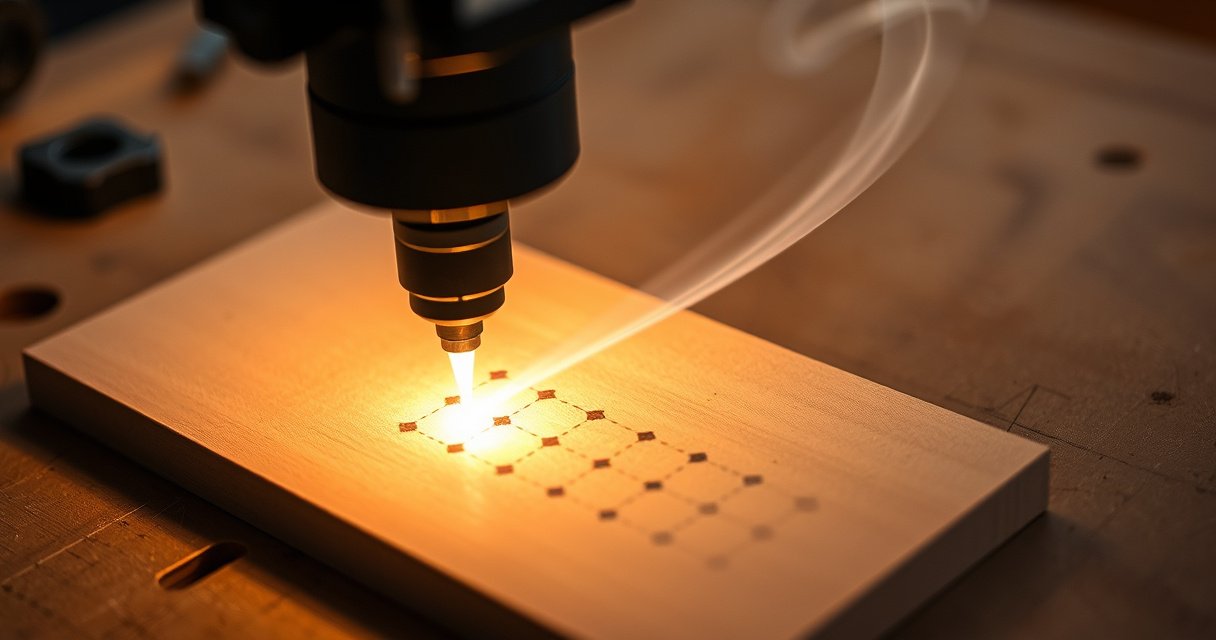
Learn why laser engraving is not dark enough. Check focus, line interval, power, speed, air assist, and material in order, with clear troubleshooting steps.
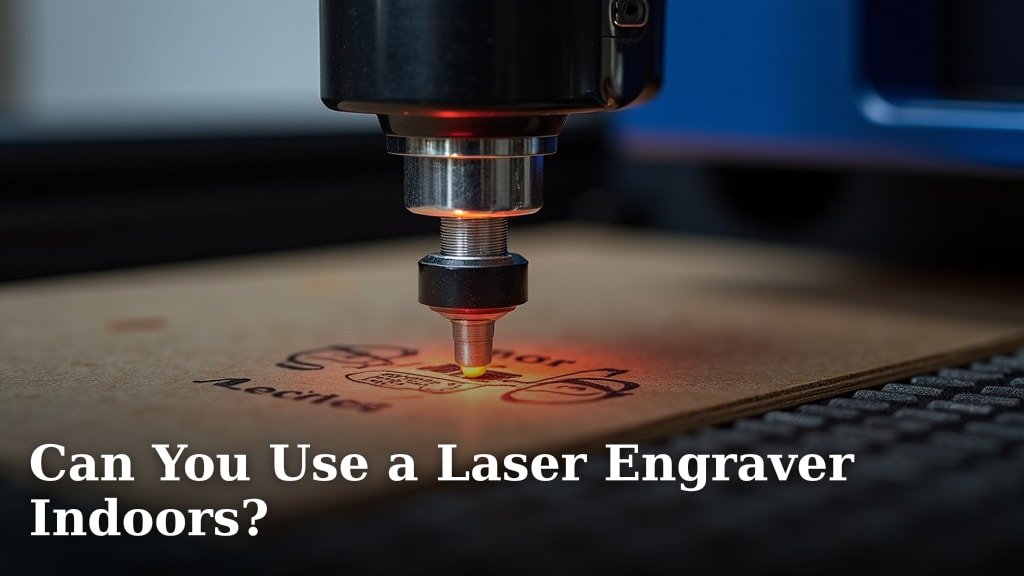
Wondering if you can use a laser engraver indoors? Learn about ventilation, safety, and choosing the right setup for a safe, productive indoor workspace.

Is laser engraving safe indoors? Learn about proper ventilation, necessary precautions, and vital safety equipment to protect your health and workspace.
Ensure your laser engraving is safe. Learn about essential safety equipment, from eyewear to ventilation, protecting you from common hazards.

Do you need ventilation for a laser engraver? Learn why fumes matter, how extraction and filters work, and what to consider for a safer workspace.
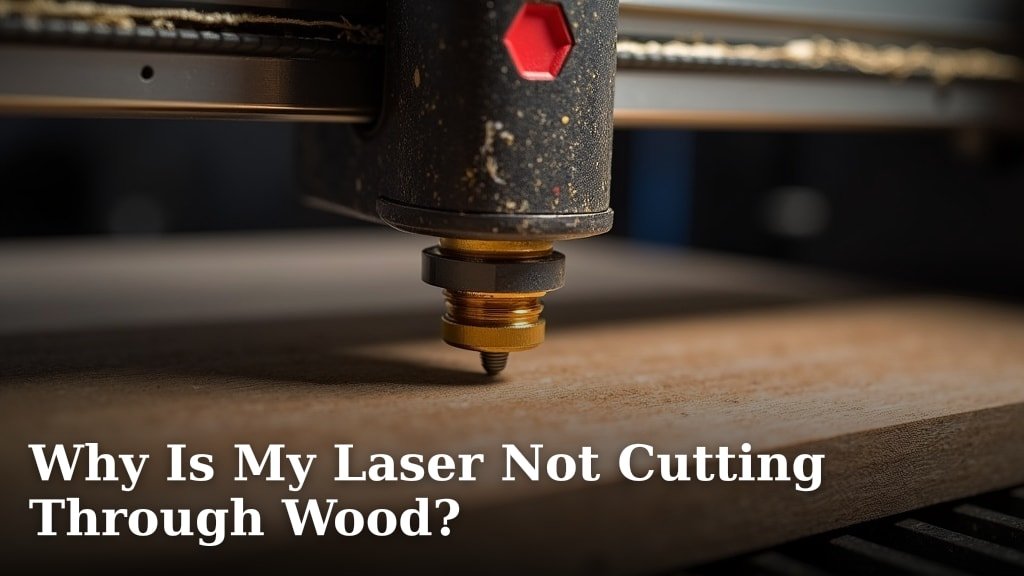
Troubleshoot why your laser isn't cutting through wood. Discover common issues and solutions to restore power and precision to your laser.
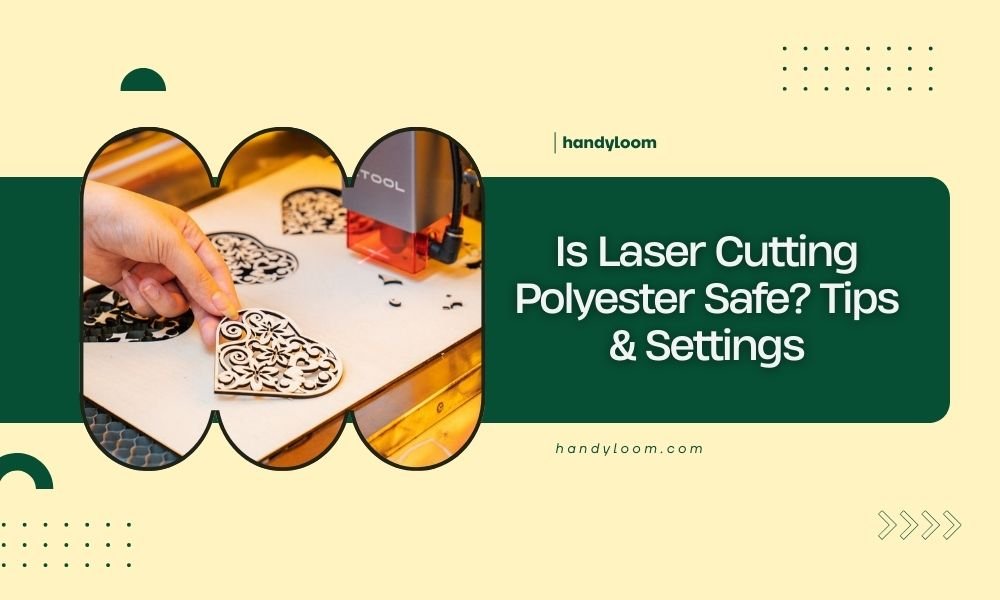
Laser cutting polyester is safe when you use proper ventilation, correct settings, and follow safety protocols to prevent toxic fume inhalation.
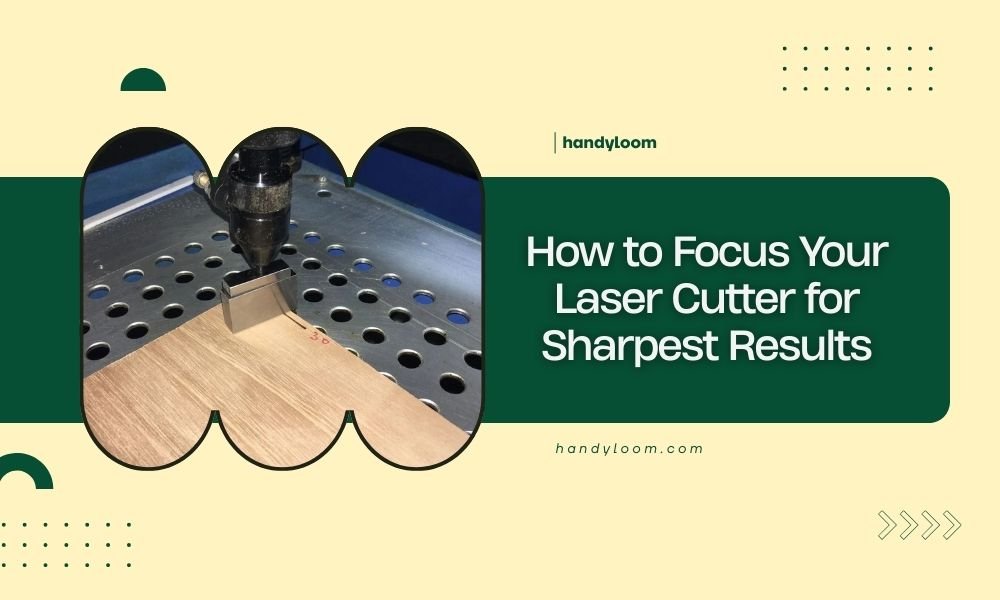
To focus your laser cutter for sharpest results, adjust the focal distance so the laser beam hits exactly at your material’s surface. Most laser cutters

You can test your laser power output using a simple power meter device or by performing burn tests on different materials at various settings.
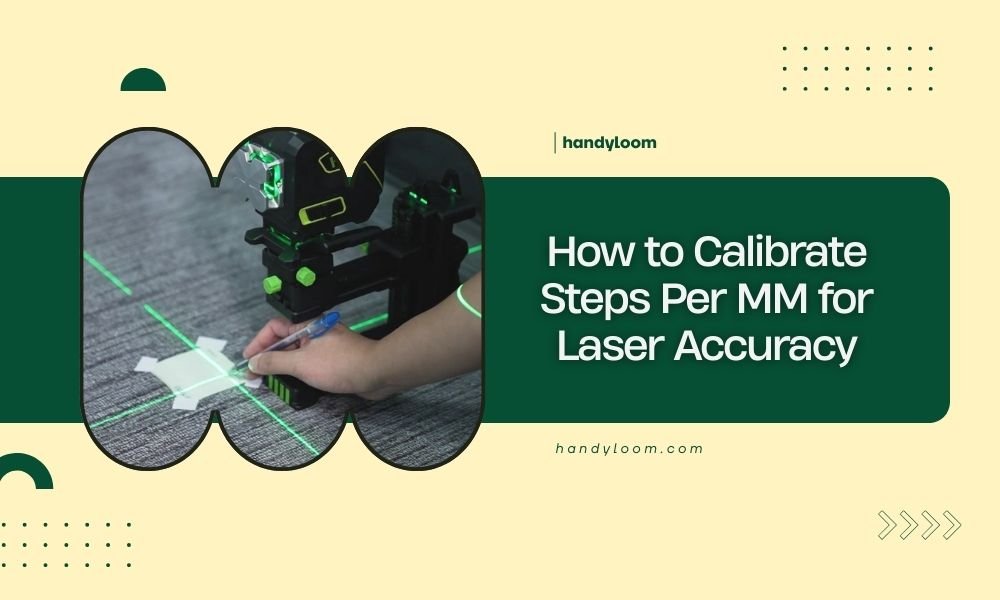
Steps per MM calibration determines how far your laser moves for each motor step, directly affecting cutting and engraving precision.

Aligning CO2 laser mirrors requires adjusting each mirror in sequence, starting from the tube and working toward the cutting head, using burn tests on masking
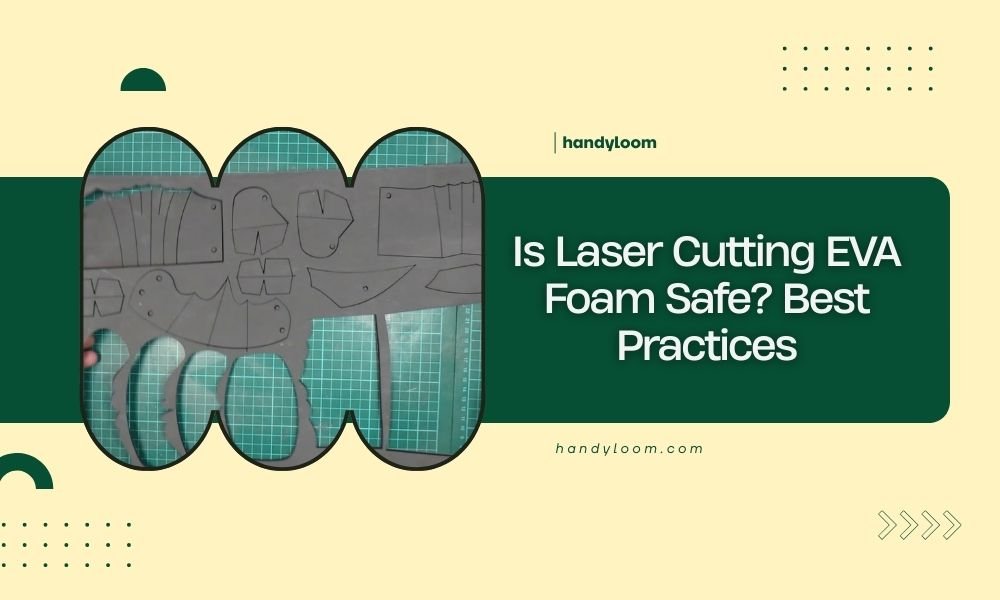
Laser cutting EVA foam is generally not safe due to toxic fume release and potential fire hazards when the material overheats.
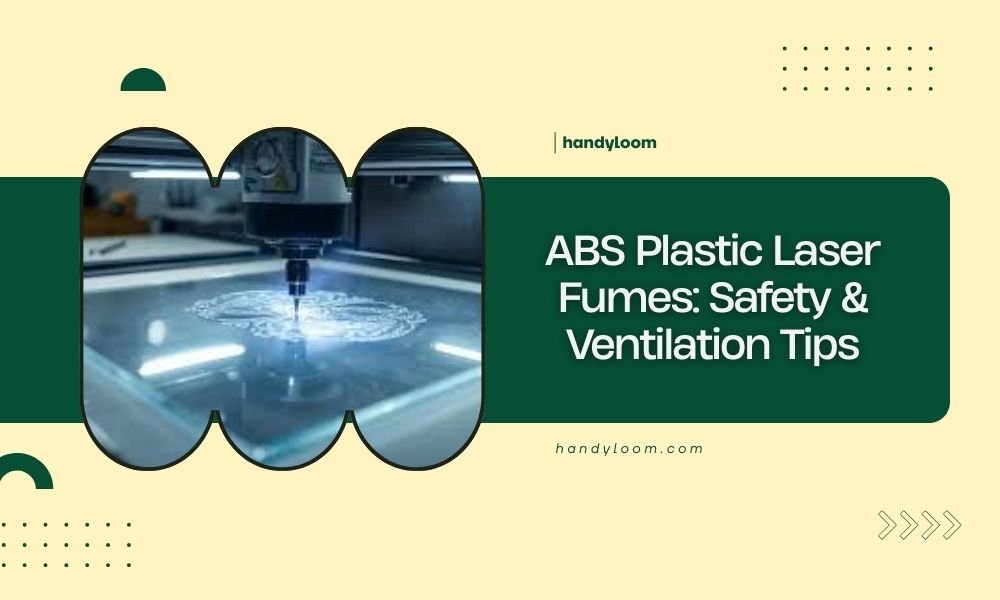
ABS plastic laser fumes contain harmful chemicals including hydrogen cyanide, carbon monoxide, and other toxic compounds that require proper ventilation and
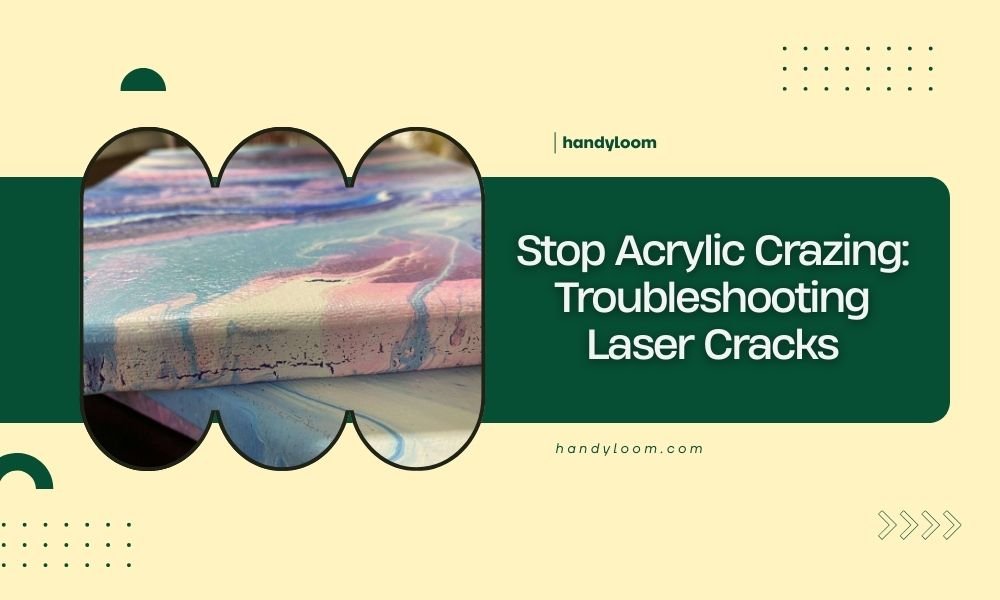
Acrylic crazing happens when your laser cuts create stress fractures that look like spider webs in the material. You can prevent laser cracks by using proper
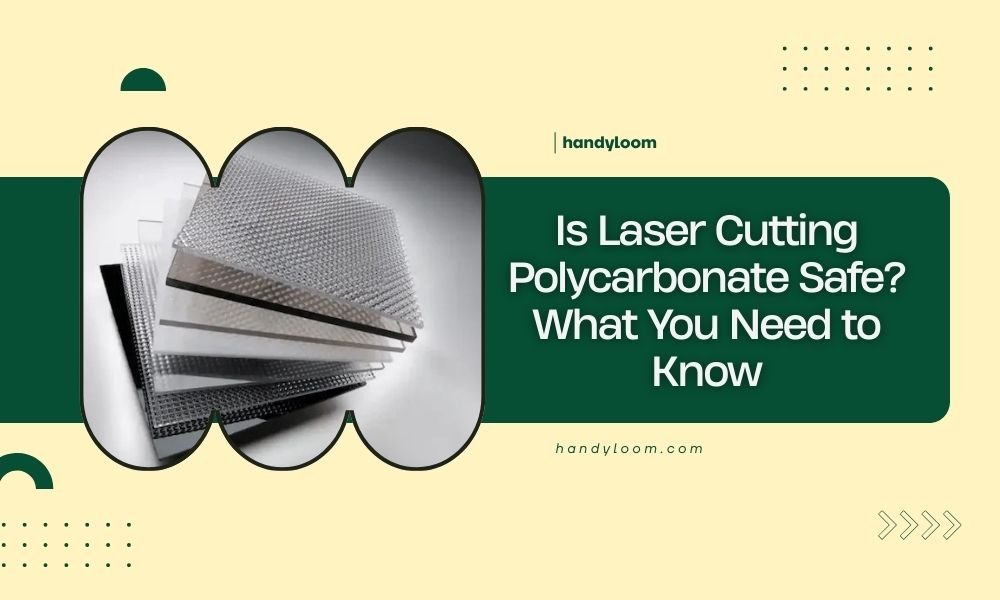
Laser cutting polycarbonate is generally safe when you use proper ventilation and follow safety guidelines, but the process releases toxic fumes that require
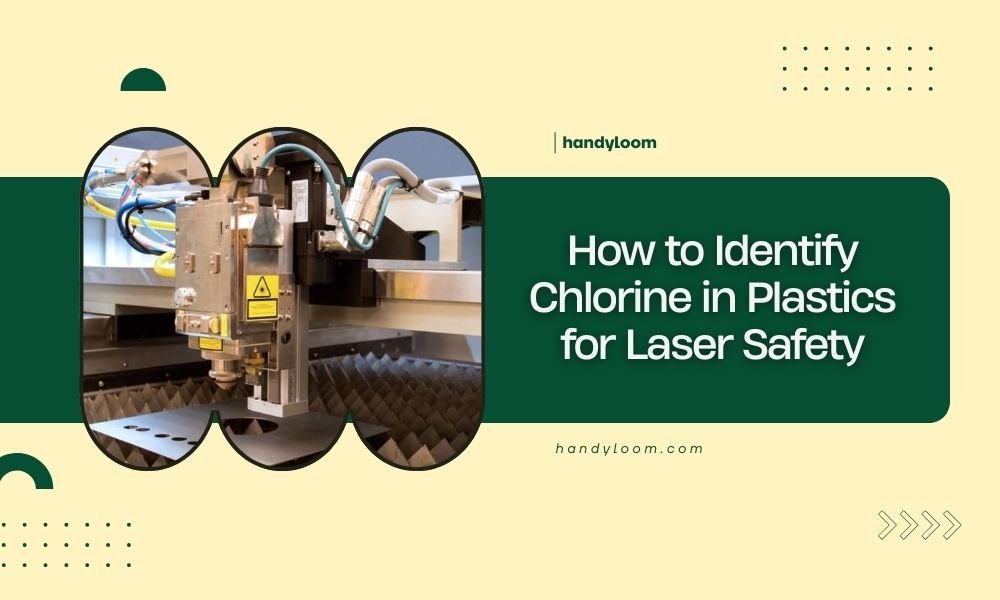
You can identify chlorine in plastics for laser safety by checking recycling codes and using burn tests to spot dangerous chlorinated materials like PVC.
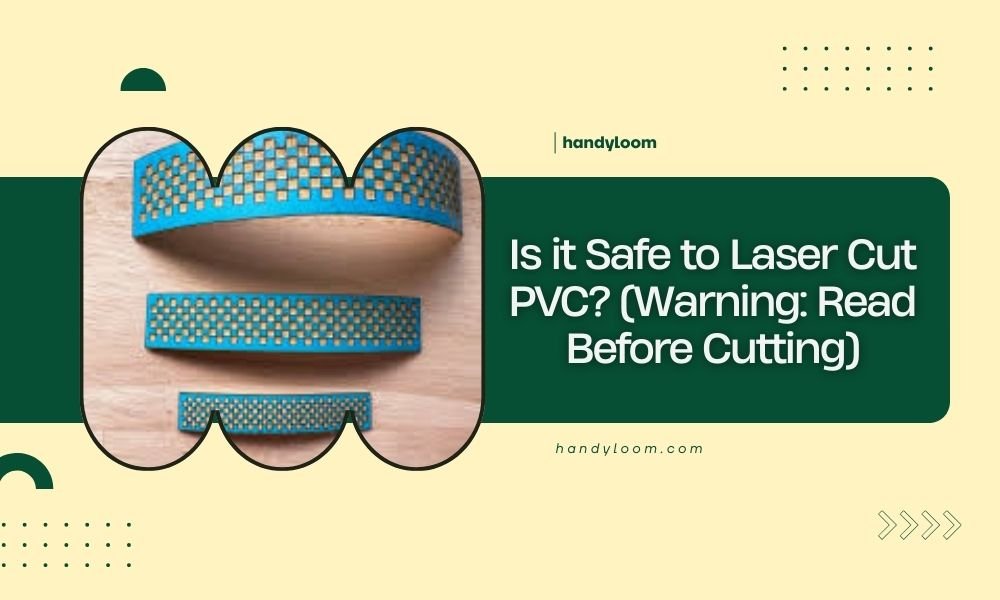
Is it safe to laser cut PVC? Learn why it releases dangerous fumes, how it can harm equipment, and which safer material choices to consider for a project.
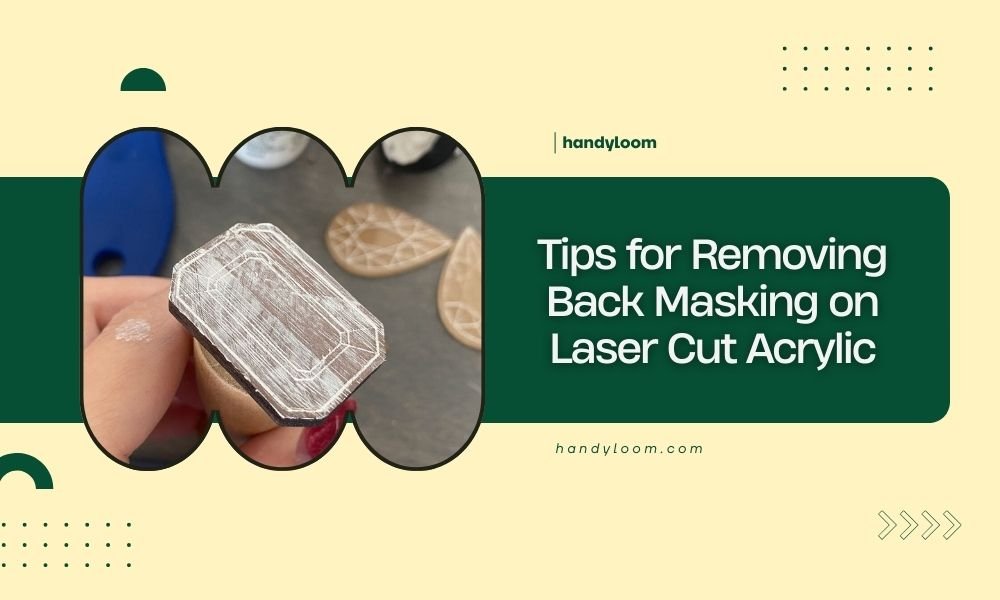
Removing back masking from laser cut acrylic requires careful peeling from corners using proper angles and heat application when needed.

Yes, laser engraved cutting boards are food safe when properly sealed and maintained. The laser engraving process itself doesn't make wood unsafe, but exposed
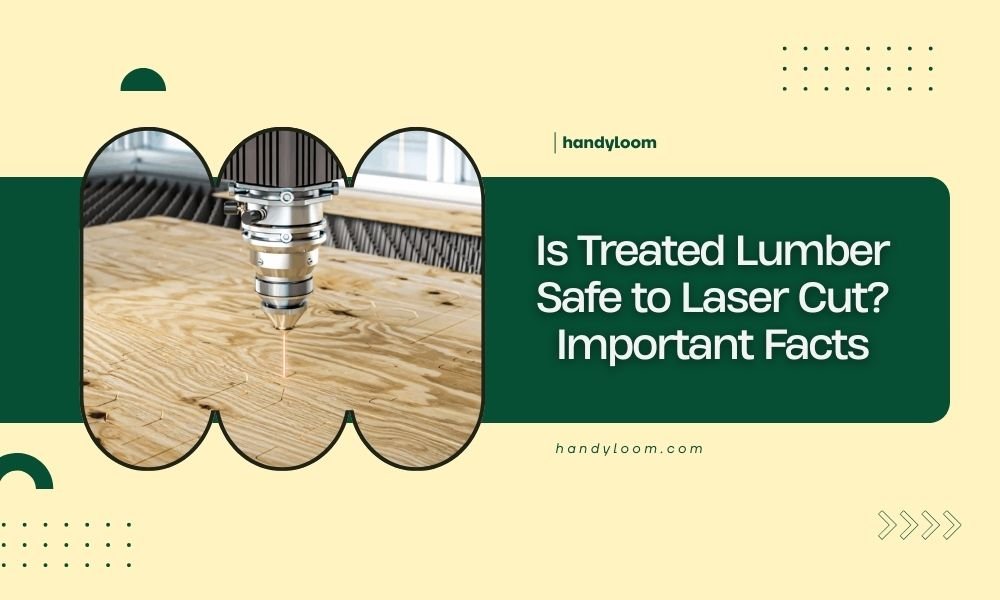
Treated lumber is generally not safe to laser cut due to toxic chemical emissions that can damage equipment and pose serious health risks.
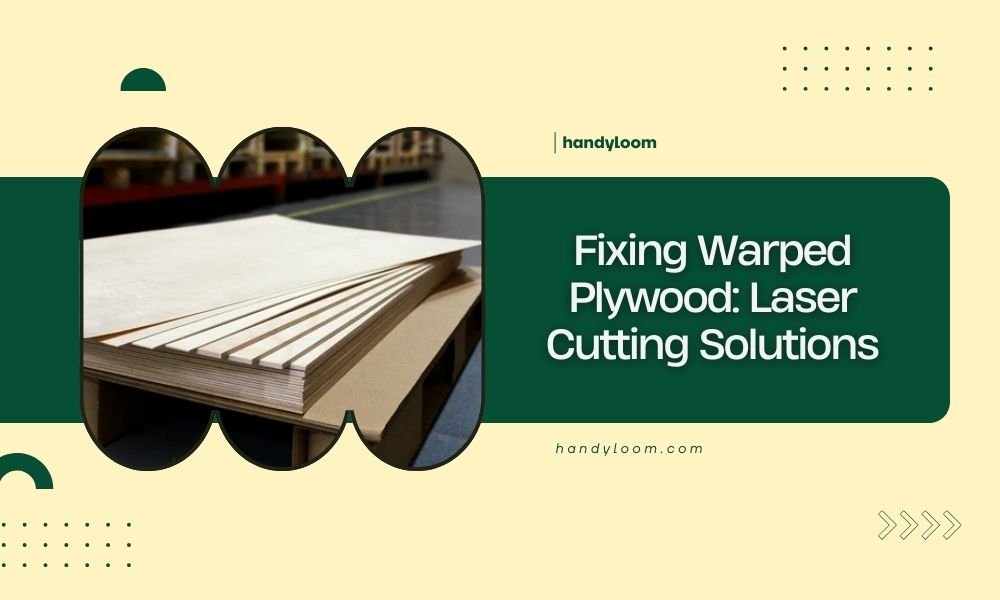
Warped plywood can be fixed using laser cutting techniques that remove tension points and create relief cuts along the grain direction.
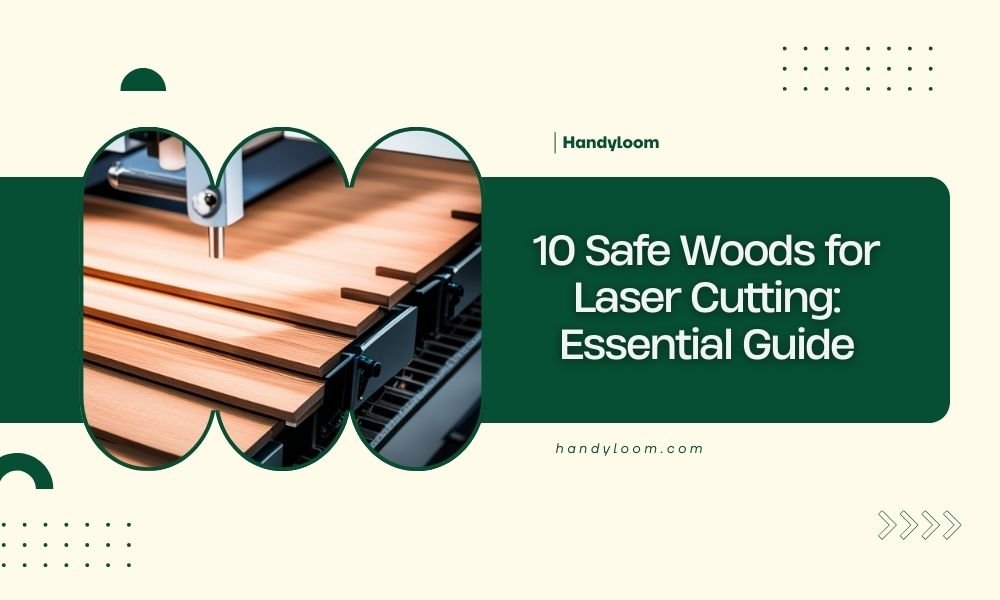
The safest woods for laser cutting include basswood, birch, cherry, maple, walnut, poplar, alder, beech, oak, and cedar – all of which produce minimal