

Yes, you can laser engrave in a garage, but it’s not always as simple as just plugging in your machine. Safety is the number one priority. Proper ventilation and fire precautions are absolutely essential to avoid harmful fumes and potential fires.
Garages can be a good space for laser engraving projects, especially if you need more room. However, they often lack the built-in ventilation found in dedicated workshops. You’ll need to consider airflow and how to safely manage fumes and debris. Think of it like setting up a mini, controlled workspace.
- Laser engraving in a garage is possible.
- Ventilation is key to remove fumes.
- Fire safety measures are a must.
- Protect your workspace from debris.
- Understand the risks involved.
Ready to make your garage a safe spot for your laser projects? Let’s walk through the important steps to ensure you’re set up correctly.
Is Your Garage a Safe Space for Laser Engraving?
You’re probably wondering if your garage can become your new laser engraving hub. The good news is, yes, it’s totally possible! Many people find garages offer the space they need for their projects. But here’s the big “but”: safety must be your top priority.
Think of your garage as a blank canvas. You can set it up perfectly for laser engraving. However, it likely doesn’t have the built-in safety features of a professional setup. We’ll walk through what you need to do to make it safe and effective. Getting this right means you can enjoy your hobby without worry.
Ventilation: Your Garage’s New Best Friend
This is hands-down the most important aspect. When you laser engrave, you’re not just making cool designs; you’re also creating fumes. These fumes can be harmful to your health. They can also damage your laser machine and even build up in your home.
Your garage likely doesn’t have the ventilation systems found in commercial workshops. That means you have to create your own. Proper airflow is essential to pull those fumes away from you and your equipment. We need to get them outside, pronto!
Creating an Exhaust System
You’ll need a way to vent the fumes directly outside. This usually involves an exhaust fan and ductwork. Many laser engraver users create a custom setup. You can often find kits designed for this purpose, or you can build your own.
Look for fans that are powerful enough for your garage size. The ducting needs to be flexible but also durable. Make sure there are no kinks or blockages in the line. The goal is to move air efficiently. Think of it like giving your laser a breath of fresh air – by pushing the smoky air away!
Sealing Windows and Doors
When your exhaust system is running, you want the air to be pulled out, not just circulated. This means sealing up other openings. Use weather stripping or tape to seal gaps around windows and doors. This helps create a slight negative pressure. It encourages the fumes to go where you want them – out the exhaust.
Window Vent Kits
A popular solution is a window vent kit. These kits usually have a panel with a hole for your ducting. You place this panel in an open window. It’s a relatively simple way to vent fumes without major construction. Make sure it fits snugly to prevent fumes from coming back in.
Air Filtration: A Second Layer of Defense
While venting outside is ideal, sometimes it’s not fully possible. Or, you might want an extra layer of protection. This is where air filtration comes in. You can get air filters specifically designed for laser engravers.
These filters use activated carbon and HEPA filters. They help trap particles and neutralize some of the harmful gases. They are a great supplement to your exhaust system. They can help ensure the air that *does* get out is cleaner. They also protect your garage from lingering smells. Always check the filter’s effectiveness for the materials you are cutting or engraving. Not all filters are created equal for every material.
Fire Safety: A Spark of Caution
Laser engraving involves a laser beam. Lasers create heat. Heat can ignite materials. Therefore, fire is a serious risk you must manage carefully.
Garages can sometimes store flammable materials. You need to be extra vigilant about fire prevention. A small ember can quickly turn into a big problem. Let’s look at how to stay safe.
Keep Flammable Materials Away
This seems obvious, but it bears repeating. Your laser engraving area should be free of any flammable items. This includes things like paints, solvents, rags, paper, and excess materials. Move anything that could easily catch fire to a safe, distant location.
Think about a buffer zone around your laser. A few feet of clear space is a good idea. This gives you reaction time if something unexpected happens. Your garage might be a storage space, but when you’re engraving, it’s a workshop. Keep it tidy and safe.
Fire Extinguishers Are a Must
You absolutely need a fire extinguisher readily accessible. Make sure it’s the right type for the materials you might be working with. For most laser engraving fires, a Class ABC dry chemical extinguisher is recommended. This type is effective on common combustibles, electrical fires, and flammable liquids.
Know how to use it! Read the instructions and understand the PASS method: Pull, Aim, Squeeze, Sweep. Don’t wait until a fire starts to figure it out. Have it mounted on the wall where you can grab it quickly. It’s a small investment for huge peace of mind.
Monitoring Your Engraver
Never, ever leave your laser engraver unattended while it’s running. You need to be present to monitor the process. Watch for any signs of excessive heat, smoke, or flames. Early detection is key to preventing a minor issue from becoming a major disaster.
Consider a Fire Suppression System
For an added layer of safety, some people opt for automatic fire suppression. This could be a simple heat-activated sprinkler head or a more advanced system. While not usually necessary for hobbyists, it’s something to consider if you’re engraving frequently or for long periods. It’s another tool in your safety arsenal.
Protecting Your Workspace and Equipment
Laser engraving creates dust and debris. This can settle on your laser machine and other surfaces. It can also affect the quality of your engraving over time. You want to keep your workspace clean and your machine running smoothly.
Containment Solutions
Think about how to contain the mess. Some laser engravers come with enclosures. If yours doesn’t, you might consider building one. A simple enclosure can help catch debris. It also helps with ventilation by directing fumes more effectively.
You can also use protective coverings for your work surface. This makes cleanup much easier. A mat or some thick cardboard can do the trick. They can be easily replaced or cleaned. This protects your garage floor too.
Regular Cleaning and Maintenance
Cleaning is not just about fire safety; it’s also about machine longevity. You’ll need to clean your laser lens and mirrors regularly. Debris can obscure the beam and reduce its power. Consult your laser engraver’s manual for specific cleaning instructions.
Wipe down the machine’s rails and mechanics too. Dust buildup can cause parts to stick or move unevenly. A clean machine performs better and lasts longer. Think of it as giving your laser a spa day – it deserves it!
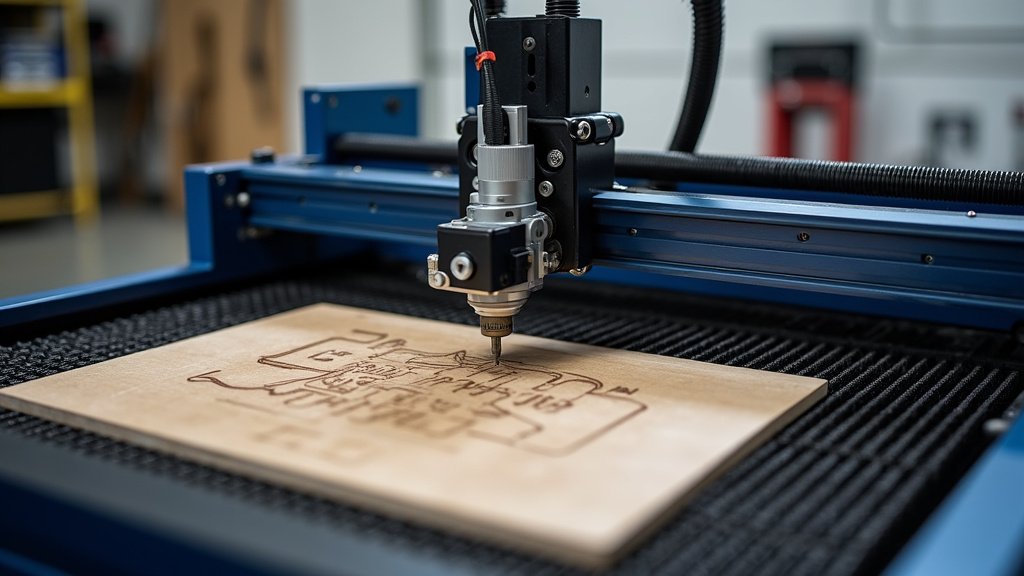
Understanding the Materials You’re Using
Not all materials are created equal when it comes to laser engraving. Some materials are perfectly safe, while others can produce toxic fumes or residue. It’s essential to know what you’re engraving.
What to Avoid
There are certain materials that are generally considered unsafe for laser engraving. These include PVC (vinyl), ABS, and anything containing chlorine. When these materials are heated, they can release hydrochloric acid. This is highly corrosive and dangerous to inhale.
Always research a material before you engrave it. Look up its safety data sheet (SDS) if possible. If you’re unsure about a material, it’s best to err on the side of caution. Find a safer alternative. Your health is worth more than a specific material choice.
Safe Material Choices
Many materials are great for laser engraving and produce minimal or manageable fumes. These include wood, acrylic, leather, anodized aluminum, and certain plastics. Even with these materials, proper ventilation is still necessary.
For example, engraving wood creates smoke and fine dust. Acrylic can produce fumes that have a strong smell. Even though they are generally safer, you still need to manage the byproducts. Always have your ventilation system running.
Creating a Safe Laser Engraving Checklist for Your Garage
To help you get started, here’s a quick checklist to ensure your garage setup is safe:
- Ventilation: Do you have a clear path for fumes to vent directly outside?
- Fire Safety: Is a suitable fire extinguisher nearby and accessible?
- Clearance: Are flammable materials removed from the immediate engraving area?
- Monitoring: Do you commit to never leaving your laser unattended while it’s on?
- Material Knowledge: Do you know the safety profile of the materials you plan to engrave?
- Workspace Prep: Is your work surface protected, and are you prepared for debris cleanup?
Conclusion
Laser engraving in your garage is absolutely achievable with the right precautions. We’ve walked through the essentials: robust ventilation to manage fumes, strict fire safety measures to prevent accidents, and diligent workspace protection. Remember, your garage can be a productive space for your projects. By setting up proper exhaust and filtration, keeping flammables at bay, and staying present during operation, you’re building a safe environment. Make these steps your routine. Then, you can confidently bring your creative laser projects to life right at home.
Frequently Asked Questions
What’s the biggest danger of laser engraving fumes in a garage?
The biggest danger is inhaling fumes that can be harmful to your respiratory system and health. Some materials also release corrosive gases that can damage your equipment and even your home over time. Proper ventilation is your primary defense.
Can I just open a window to ventilate my garage for laser engraving?
Opening a window helps a little, but it’s generally not enough on its own. You need a directed exhaust system to actively pull fumes away from your workspace and vent them directly outside. Sealing other openings is also important.
How often should I clean my laser engraver if I use it in the garage?
You should clean your laser lens and mirrors regularly, perhaps after every few hours of use or when you notice a drop in cutting/engraving quality. Wiping down the machine’s mechanics should also be done frequently to prevent dust buildup.
Is it okay to laser engrave materials like plastic in my garage?
Some plastics are safe, but many, especially PVC or vinyl, release dangerous fumes like hydrochloric acid when lasered. Always research the specific type of plastic. If you’re unsure, it’s best to avoid it or consult your material’s safety data sheet.
What kind of fire extinguisher should I keep in my garage for laser engraving?
A Class ABC dry chemical fire extinguisher is recommended. This type is effective against common combustible materials, electrical fires, and flammable liquids, making it a versatile choice for potential laser engraving mishaps.
