Is Woodpile Craft Wood Safe for Laser Engraving?
Woodpile craft wood may be safe for laser engraving when it is untreated, unpainted, and free of unknown coatings or adhesives. Confirm the material first, then use ventilation, eye protection, and a small test burn before engraving the full blank.
On this page (11 sections)
- Is Woodpile Craft Wood Safe for Laser Engraving?
- Is Woodpile safe for laser engraving wood?
- How can you identify the wood composition before engraving?
- Can you engrave painted, stained, or sealed Woodpile blanks?
- What should you check before the first test burn?
- What ventilation does laser engraving wood need?
- Which protective equipment helps with wood smoke and laser light?
- Which facepiece works with compatible 3M cartridges?
- How do you engrave Woodpile craft wood more safely?
- What should you do if the Woodpile blank is unknown?
- Is Woodpile safe for laser engraving wood after a test?
Is Woodpile Craft Wood Safe for Laser Engraving?
Woodpile craft wood can be safe for laser engraving if the blank is untreated solid wood with no paint, stain, vinyl, laminate, or unknown adhesive. The brand name alone does not confirm the wood species, surface coating, glue content, or treatment.
Check the package and blank for material details. If the composition is unclear, treat the piece as unverified and choose a known laser-safe material.
Is Woodpile safe for laser engraving wood?
Woodpile is safe for laser engraving wood only when the specific blank is clean, untreated wood without a coating or composite layer. A craft blank may look plain while still having stain, sealant, paint, adhesive, or a laminated face.
Inspect both sides and all edges under bright light. A glossy face, sharp color difference between the surface and core, plastic-like layer, or chemical smell is a reason to stop.
The word “wood” does not identify a laser-safe material. Plywood, MDF, veneer, and fiberboard may contain adhesives or binders that change fumes and cutting behavior.
For a broader starting point, compare these 10 Safe Woods for Laser Cutting: Essential Guide. If the package gives only a decorative name, ask the seller or manufacturer for the species, treatment, and whether glue or finish is present.
How can you identify the wood composition before engraving?
Identify the blank by checking its face, edge, grain, and construction before powering the laser. Determine whether it is solid wood, veneer, plywood, MDF, or another composite.
A solid blank usually shows continuous grain through the face and edge. Plywood shows thin layers along the edge, while MDF and fiberboard have a fine, uniform interior.
A thin face over a different core may be veneer. The laser can pass through the surface and expose another material underneath.
Check for:
- Printed film or decorative paper
- Paint, stain, oil, or clear sealant
- Plastic laminate
- Adhesive at joints
- Multiple edge layers
- Strong odor
- Vague material information
Do not sand an unknown coating to make it appear safe. Sanding spreads dust and does not prove that the remaining wood or adhesive is suitable.
If you are considering plywood, read Does Laser Cutting Plywood Release Formaldehyde? before cutting. Plywood glue can affect emissions and cut quality.
Can you engrave painted, stained, or sealed Woodpile blanks?
Do not engrave a painted, stained, or sealed Woodpile blank until you know what the coating contains. A finish can release irritating fumes, melt unevenly, or hide an unsuitable material.
Two blanks can have the same color while using different coatings, pigments, or primers. Use Can You Laser Cut Painted Wood? for coating questions that apply to painted blanks.
Stain and clear finish also need caution. They may darken, smoke, flare, or leave sticky residue when heated.
Lowering power cannot make an unknown coating safe.
For a blank that is already painted, see Is Painted Wood Safe to Laser Engrave?. If you cannot confirm the coating, choose unfinished wood instead.
Never remove a coating with a laser as a test. The first pass is still an exposure, and smoke may carry contaminants into the work area.
What should you check before the first test burn?
Use a small offcut or hidden corner, confirm ventilation, and keep the first pass short. A test burn shows how the surface reacts, but it does not prove that an unknown material is chemically safe.
Start with a small engraving pattern rather than a deep cut. Stop for melting, bubbling, unusual smoke, strong chemical odor, heavy flare, or plastic-looking residue.
Keep the blank flat and secure. Remove loose paper, dust, and packaging, but do not add masking tape unless it is suitable for the machine.
Let the enclosure clear through the exhaust system before opening it. A clean-looking test does not replace material identification.
How should you compare the test with known wood?
Use a small piece of known unfinished wood beside the test blank when possible. Compare smell, smoke, edge, engraving darkness, and residue, without treating similarity as proof of equal composition.
Record the material name and settings so you do not repeat a questionable test.
What ventilation does laser engraving wood need?
Laser engraving wood needs active exhaust that sends smoke outdoors or through a filtration system designed for the material. An open window or room fan may only move fumes around.
Keep the exhaust path clear and check that the enclosure seals properly. Do not engrave unknown wood in a bedroom, kitchen, or shared living area, and keep children and pets away.
Ventilation does not make forbidden materials safe. It reduces exposure to smoke but cannot change the chemistry of paint, plastic, treated wood, or unknown adhesive.
For another material-specific check, read the fabric laser safety guidance.
The Occupational Safety and Health Administration laser safety guidance covers general laser hazards and workplace controls. Follow your machine manual and local safety requirements.
Which protective equipment helps with wood smoke and laser light?
Eye protection must match the laser wavelength, while respiratory equipment must match the airborne hazard and facepiece. Protective equipment supports enclosure, interlocks, and ventilation.
The LP-LaserPair LaserPair Laser Safety Glasses 200-534nm and 740-1095nm Laser Goggles cover 180-534nm at OD 7+, 740-900nm at OD 5+, and 900-1095nm at OD 7+. They have orange polycarbonate lenses, a TR90 wrap-around frame, adjustable fit, and 23% visible light transmission.
{{product B00UJBGUMM}} The listing describes wavelength coverage across 180-534nm, 740-900nm, and 900-1095nm for users who need matching laser eyewear.
Choose eyewear by the wavelength and protection rating required by your laser. The orange lens and 23% visible light transmission affect how the workspace appears, so keep controls visible.
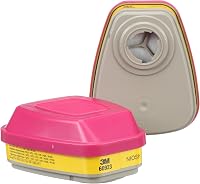
The 3M P100 Respirator Cartridge/Filter 60923, NIOSH Approved, 1 Pair is a cartridge and filter pair for certain organic vapors, acid gases, and non-oil and oil particulates.
{{product B00AEFCKKY}} The listing describes a 1-pair cartridge and filter option for compatible 3M facepieces when the identified airborne hazards match its approved uses.
It uses a bayonet connection with 3M Half and Full Face Pieces 6000, 7000, and FF-400 Series, or certain 3M Scott facepieces with the specified adapter. It is not for immediately dangerous to life or health environments.
A respirator only works when the facepiece, cartridge, fit, training, and change schedule are appropriate. Do not treat it as permission to engrave unknown coatings indoors.
Which facepiece works with compatible 3M cartridges?
Choose a compatible reusable facepiece when you need the cartridge connection and a sealed fit around the nose and mouth. The facepiece must match the cartridge system, and the wearer must follow fit instructions.
The 3M Rugged Comfort Quick Latch Half Facepiece Reusable Respirator has a one-hand drop-down latch, adjustable head harness with a 3-size cradle, polyester and spandex straps, a 3M Cool Flow Valve, and a silicone face seal.
{{product B00IF7RCU6}} The listing describes a reusable half facepiece with a quick-latch design and silicone seal for compatible 3M cartridges, filters, or supplied air systems.
Its low-profile design leaves a wider field of view and can work with welding and grinding shields. The Cool Flow Valve supports easier exhalation.
This facepiece does not identify the correct cartridge for every wood or coating hazard. Match the cartridge to the material and follow instructions for fit, cleaning, inspection, and replacement.
A half-face respirator does not protect the eyes. Use suitable laser eyewear and keep the beam enclosed.
How do you engrave Woodpile craft wood more safely?
Prepare the material, confirm machine settings, run a small test, and watch the exhaust before starting the design. This catches material problems before they become a larger smoke or fire event.
Use this process:
- Read the packaging and inspect every surface.
- Confirm that the wood is untreated and free of unknown coatings.
- Check the wavelength, enclosure, interlocks, and exhaust.
- Remove packaging and secure the blank flat.
- Test an offcut or hidden area.
- Watch for flare, melting, unusual smoke, or chemical odor.
- Stop if the material behaves unexpectedly.
- Let smoke clear before opening the enclosure.
- Clean the machine according to its manual.
Keep a suitable fire response plan nearby and never leave the laser unattended. Do not rely on low power to solve an unknown material problem.
What should you do if the Woodpile blank is unknown?
Skip the engraving when you cannot confirm the blank's composition or coating. Replacing one craft piece costs less than risking unknown fumes or machine damage.
Choose a clearly labeled unfinished wood blank instead. Compare Top 7 Best Wood For Laser Engraving and Best Wood For Laser Engraving for material comparisons.
If the Woodpile piece has a known species but no finish information, contact the manufacturer. Ask whether it is solid wood, veneer, plywood, MDF, or another composite, and whether any coating, adhesive, or treatment is present.
Keep the answer with the material so you can identify it later. If you cannot get a clear answer, do not put the blank into the laser.
Is Woodpile safe for laser engraving wood after a test?
A clean test burn is useful, but Woodpile safe for laser engraving wood depends on verified composition, not appearance alone. Use the blank only when you know it is untreated, compatible wood and your ventilation and controls are ready.
Pick a known unfinished blank when the material is vague. If you proceed with a verified blank, test a small area, watch the exhaust, and stop for unusual smoke, flare, melting, or odor.
The rule is simple: known untreated wood can be evaluated with a controlled test, while unknown coating or composite content means choose another material. Keep 10 Safe Woods for Laser Cutting: Essential Guide nearby when selecting the next blank.