Can You Cut EVA Foam with a Beambox Laser?
You may be able to cut EVA foam on a Beambox, but only after confirming the foam is laser-safe and checking the machine's material guidance. EVA can melt, char, or release harmful fumes when heated.
On this page (7 sections)
- Can you laser cut EVA foam on a Beambox?
- What should you check before cutting EVA foam?
- How should you test EVA foam in a Beambox?
- Which EVA foam should you avoid?
- What protective equipment helps with Beambox laser work?
- How do you keep a Beambox EVA cut clean?
- What is the safest decision for laser cut EVA foam on Beambox?
You may be able to laser cut EVA foam on a Beambox, but first confirm the foam's composition and whether the machine manufacturer permits it. EVA can melt, burn, or produce harmful fumes, so ventilation, supervision, and a small test cut are essential.
The safest decision starts with the material, not the design. A sheet sold simply as “EVA foam” may contain additives, coatings, adhesives, or other layers that change how it reacts to heat.
For another foam type, see laser cutting polyurethane.
Can you laser cut EVA foam on a Beambox?
A Beambox can potentially cut compatible EVA foam, but compatibility is not guaranteed by the word EVA alone. Check the foam's technical information and compare it with Beambox guidance before loading the material.
Look for a clear material name and composition. Avoid sheets with unknown blends, attached fabric, adhesive backing, metallic coatings, or surface treatments unless the manufacturer specifically confirms laser compatibility.
The foam's thickness and density also affect the result. Thin craft foam may respond differently from thick cosplay foam, dense gasket material, or layered sheets.
The beam may cut through one sample while leaving a melted or charred edge on another.
Do not rely on a successful engraving test as proof that a full cut is safe. Cutting removes more material and can create more smoke, heat, and flame than surface marking.
For background on material risks, read Can You Laser Cut Foam?. It explains why different foam types need separate checks.
What should you check before cutting EVA foam?
Check composition, thickness, coatings, ventilation, and the machine's approved-material guidance before starting. If any of those points is unknown, pause instead of guessing.
Ask the foam supplier for the material type and safety information. You need to know whether the sheet contains chlorine, unknown plastic blends, adhesives, or other additives that may release corrosive or toxic gases.
For a PVC example, see rust caused by cutting PVC.
Inspect both sides of the sheet. A plain foam core can become a different cutting problem if it has fabric, tape, printed ink, glue, or a laminated surface.
Measure the thickness and keep a small offcut for testing. The offcut should come from the same sheet, because color, density, and finish can vary between foam products.
Keep the work area clear of loose scraps. EVA is combustible, and a small flame can spread if the machine is left unattended.
The guide Is Laser Engraving Toxic? covers why smoke from laser work should never be treated as harmless simply because it is brief.
How should you test EVA foam in a Beambox?
Test a small scrap with the same focus, air assist, and ventilation used for the real job. Watch the cut continuously and stop if the foam flames, swells, produces heavy smoke, or leaves an unusual odor.
Start with a simple shape rather than a detailed project. A short straight cut shows whether the beam passes through the sheet and whether the edge pulls away, melts, or chars.
Check the top and underside after the machine stops. Look for excessive residue, a wide melted zone, soot, warping, or a cut that closes as the foam cools.
Do not increase power repeatedly just to force a poor result. More heat may create a wider damaged edge or more fumes instead of a cleaner cut.
Record the material thickness and the settings that produced the test. Settings are not transferable between every EVA sheet, even when the colors appear similar.
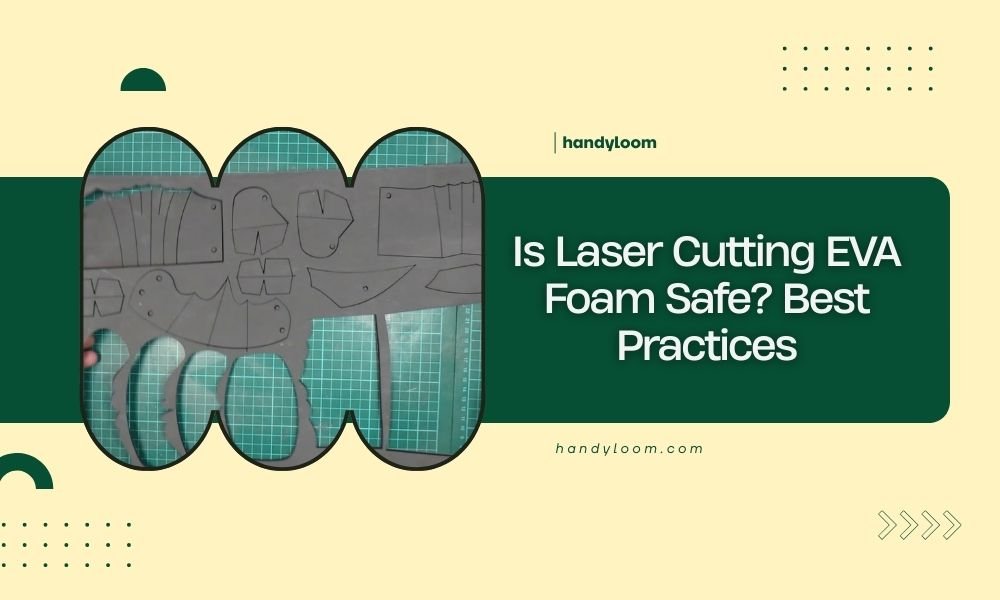
For a fuller safety checklist, see Is Laser Cutting EVA Foam Safe? Best Practices.
What helps with fumes during a test?
Use the Beambox enclosure and its exhaust system as directed, and make sure the exhaust has a safe path outdoors or through the approved filtration setup. Never place your face over the open machine to inspect smoke.
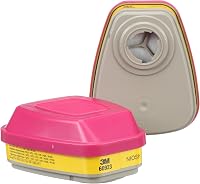
A respirator is not a substitute for ventilation or material approval. If a qualified safety professional recommends respiratory protection for your setup, the 3M P100 Respirator Cartridge/Filter 60923, NIOSH Approved, 1 Pair uses a bayonet-style connection with compatible 3M half and full facepieces.
This cartridge/filter is intended for certain organic vapors, acid gases, and particulates. It is not for environments that are immediately dangerous to life or health, and it does not make unknown EVA safe to cut.
Which EVA foam should you avoid?
Avoid unknown foam, foam with adhesive backing, and any sheet with chlorine-containing material or an unconfirmed coating. A seller's color name or craft label does not identify every ingredient.
Do not cut foam that has a strong chemical smell before heating it. That odor does not prove the material is unsafe, but it is a reason to seek composition information instead of testing indoors.
Skip sheets with foil, fabric, vinyl-like layers, or glued seams unless the manufacturer confirms that the complete finished material is compatible. The added layer may release different fumes or change how the laser behaves.
Do not assume insulation foam and EVA foam are interchangeable. Can You Laser Cut Insulation Foam? explains why insulation products need their own material review.
Polyester foam also needs separate caution. Read Is Polyester Foam Safe to Laser Cut? before treating any foam sheet as a routine laser material.
What protective equipment helps with Beambox laser work?
Protective equipment should match the hazard. Laser eyewear helps with specified wavelengths, while respiratory protection addresses selected airborne hazards and requires a proper facepiece fit.
The Beambox enclosure and interlocks are the first controls to use. Keep the lid closed during operation, follow the machine's instructions, and never bypass a safety feature.
Laser glasses must match the wavelength and required optical density of the equipment. The LP-LaserPair LaserPair Laser Safety Glasses 200-534nm and 740-1095nm Laser Goggles cover specified wavelength ranges, including 200-534nm, 740-900nm, and 900-1095nm, with stated optical density ratings for those ranges.
These orange goggles have polycarbonate lenses, a TR90 frame, adjustable fit, and 23% visible light transmission. They are not a substitute for the Beambox enclosure, and the wavelength range must match your machine.
For broader guidance, follow the FDA laser products and radiation safety information and your Beambox instructions.
When does a half-face respirator fit this task?
A half-face respirator may suit a workplace safety plan that calls for compatible cartridges or filters, but it cannot protect your eyes and does not replace exhaust ventilation.
The 3M Rugged Comfort Quick Latch Half Facepiece Reusable Respirator has a quick latch for one-hand drop-down use, an adjustable 3-size head cradle, polyester/spandex straps, a Cool Flow Valve, and a silicone faceseal.
Its low-profile design provides a wide field of view and is compatible with welding and grinding shields. Choose it only when the cartridge, facepiece, fit, and workplace program all match.
How do you keep a Beambox EVA cut clean?
A clean cut depends on known foam, correct focus, suitable airflow, and settings matched to the exact sheet. More power is not always the answer because excess heat can widen the melted edge.
Secure the foam flat without covering ventilation paths or placing loose objects near the beam path. Confirm the focus height before testing, since an incorrect focus can increase the cut width and reduce energy at the material.
Use simple shapes to compare edge quality. A narrow kerf with light discoloration may be acceptable for a craft project, while a deeply melted edge may make tight-fitting parts inaccurate.
Let the piece cool before handling it. Soft foam can deform when lifted while warm, and residue may transfer to the machine bed.
If you need a material choice before testing, compare the Best EVA Foam For Laser Cutting and select a sheet with clear composition information.
What is the safest decision for laser cut EVA foam on Beambox?
Cut EVA foam on a Beambox only when the exact material is identified, the machine guidance allows it, and a supervised test produces an acceptable result without unusual smoke or flame. Stop when the foam is unknown, layered, adhesive-backed, or difficult to ventilate.
Choose a known, plain sheet for a small test. Use the enclosure and exhaust correctly, keep the machine attended, and treat a respirator as one part of a wider safety plan rather than permission to cut questionable foam.
If the foam passes the material check but the edge is poor, change the material or design before adding heat. For laser cut eva foam on beam box projects, the safest shortcut is better information about the sheet, not a more aggressive setting.
Frequently asked questions
Can a Beambox cut EVA foam?
A Beambox may cut some EVA foam, but compatibility depends on the foam's additives, thickness, density, and the machine's recommended materials. Confirm the exact foam composition, use strong ventilation, and run a small supervised test before cutting a full design.
Is EVA foam safe to laser cut?
EVA foam is not automatically safe to laser cut. Some sheets may melt or char, while additives, coatings, or unknown blends can create dangerous fumes.
Use only material with known contents and follow Beambox safety guidance before putting it under the laser.
What happens when a laser cuts EVA foam?
The beam can melt, vaporize, or char the foam along the cut line. Results depend on power, speed, focus, thickness, and foam formulation.
A cut edge may be smooth, darkened, or distorted, so a small test piece is essential.
Do laser safety glasses protect against EVA foam fumes?
No. Laser glasses protect your eyes from specified laser wavelengths, not from smoke or chemical vapors.
Fume control requires enclosure ventilation and suitable respiratory protection when recommended by a qualified safety professional.