Is Laser Engraved Aluminum Safe for Food Contact?
Laser engraved aluminum is not automatically food safe. Food contact depends on the aluminum grade, coatings, engraving depth, residue removal, and whether the finished surface is approved for that use.
On this page (11 sections)
- Is Laser Engraved Aluminum Safe for Food Contact?
- Is laser engraved aluminum surface food safe?
- What changes when a laser engraves aluminum?
- Can engraved aluminum hold food directly?
- How should you clean engraved aluminum before use?
- Does anodized aluminum remain food safe after engraving?
- What safety gear helps during aluminum laser engraving?
- Which respirator suits aluminum laser engraving work?
- Should you laser engrave aluminum used for food?
- How can you reduce food-contact risk after engraving?
- What is the safest decision for engraved aluminum?
Is Laser Engraved Aluminum Safe for Food Contact?
Laser engraved aluminum is not automatically safe for food contact. The answer depends on the aluminum grade, surface coating, engraving depth, residue removal, and whether the finished item is approved for food use.
A clean-looking mark does not prove that a surface is suitable for plates, utensils, cutting boards, cookware, or food packaging. Engraving can remove a coating, expose metal, create grooves, and leave smoke or processing residue.
Is laser engraved aluminum surface food safe?
Laser engraved aluminum may be suitable for limited food contact only when the complete material and finish are approved for that use. Engraving alone does not make an unknown aluminum item food safe.
Identify whether the surface is bare, anodized, painted, powder-coated, or made from a specific alloy. Each finish can react differently when the laser changes the top layer.
A decorative anodized tag is not the same as a food tray. Treat craft aluminum as non-food-contact material unless the manufacturer confirms the item and finished surface are intended for food use.
For cutting boards, see Is Laser Engraved Cutting Board Food Safe? Guide for guidance on wood fibers, sealers, and engraved grooves.
What changes when a laser engraves aluminum?
Laser engraving can change an aluminum coating or surface texture, so the marked area may not behave like the surrounding surface. The result depends on the laser, settings, focus, and finish.
On anodized aluminum, the beam may remove or discolor the anodized layer. The exposed mark can become more textured and harder to clean.
On coated aluminum, engraving may remove paint, expose the base metal, create fumes, and leave an edge where residue collects. Bare aluminum may also require a marking compound, adding questions about its ingredients, smoke, and cleanup.
A smooth-looking mark is not automatically hygienic. Check for pits, raised edges, loose coating, dark residue, or areas normal washing cannot reach.
Can engraved aluminum hold food directly?
Do not use laser engraved aluminum as a food container or serving surface unless its material and finish are specifically approved for direct contact. Decorative personalization is lower risk when the item stays outside the food-contact area.
A name engraved on the outside of a bottle, lunch container, or serving tray may avoid direct contact. The same mark inside the vessel or beneath loose food creates a different exposure path.
Consider the food and contact time. Dry foods on a smooth, approved surface are not the same as acidic, salty, oily, or wet foods sitting in an engraved groove for hours.
Heat can also change the situation, especially if a coating was damaged. Avoid treating a laser-marked object as a cutting surface because knives can widen grooves and repeated washing can wear the coating.
How should you clean engraved aluminum before use?
Clean engraved aluminum according to the material and finish instructions, then inspect the mark for residue, loose coating, and rough edges. Cleaning cannot turn an unsuitable alloy or finish into an approved food-contact surface.
Begin with a soft cloth, mild dish soap, and water if those methods are allowed. Rinse away soap and dry the surface fully so you can inspect the engraved area under good light.
Do not assume strong solvents are safer. They can soften paint, change anodized finishes, or spread residue into grooves.
A soft brush may help remove particles from a textured mark, but do not scrape away a coating. Stop if the surface sheds flakes, develops a sharp edge, or changes color during cleaning.
Do not use an item if it still smells of smoke, solvent, paint, or marking compound. Contact the manufacturer when the material, coating, or cleaning method is unclear.
Does anodized aluminum remain food safe after engraving?
Anodized aluminum is not automatically food safe after engraving because the laser may remove or change its protective layer. Consider the unmarked and engraved areas separately.
Anodizing can provide color and protect the aluminum beneath it. Once the laser removes part of that layer, the mark may have different texture, appearance, and cleaning resistance.
This does not mean every engraved anodized item is dangerous. It means the original finish approval may not cover the altered area, especially during direct, repeated, or heated food contact.
Before using it with food, confirm the exact aluminum and finish. If the maker approves the finished item for food contact, follow its cleaning and use limits.
Otherwise, keep the engraved aluminum decorative or use a separate approved insert.
Is laser engraved aluminum surface food safe for kitchen labels?
Kitchen labels are usually safer when the engraved aluminum stays outside the food-contact zone. Use the mark on a cabinet tag, storage bin exterior, shelf label, or utensil handle when normal use keeps it away from food.
Do not place an unknown engraved plate inside a jar, under loose ingredients, or where condensation can carry residue into food. Avoid using a marked metal tag as a garnish pick, food marker, or drink stirrer.
What safety gear helps during aluminum laser engraving?
Laser engraving requires eye protection matched to the laser wavelength, plus suitable respiratory protection when the material or coating can create airborne contaminants. Safety gear reduces exposure risk, but it does not make an engraved surface food safe.
The LP-LaserPair LaserPair Laser Safety Glasses 200-534nm product covers 180-534nm at an optical density of 7+, 740-900nm at an optical density of 5+, and 900-1095nm at an optical density of 7+. It has orange polycarbonate lenses, a TR90 full-rim frame, adjustable fit, wrap-around coverage, and 23% visible light transmission.
Choose eyewear by wavelength and required optical density, not lens color alone. The manufacturer says not to use alcohol or alcohol-containing disinfectant on the frame.
Respiratory protection depends on the material and contaminants present. A respirator is not a substitute for ventilation, an enclosure, local exhaust, or safety instructions.
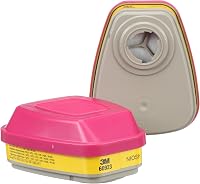
The 3M P100 Respirator Cartridge/Filter 60923, NIOSH Approved, 1 Pair is designed for certain organic vapors, acid gases, and non-oil and oil particulates. It fits specified 3M half and full facepieces with bayonet-style connections and is not for immediately dangerous to life or health environments.
Use the cartridge only with a compatible facepiece and proper fit. Its swept-back design and twist-on bayonet connection can help with field of view and assembly, but neither replaces a complete respiratory protection program.
Which respirator suits aluminum laser engraving work?
Choose a complete respirator setup based on the contaminant, fit, and facepiece compatibility. The cartridge and facepiece must work together, and a respirator cannot correct poor ventilation or an unknown material.
The 3M Rugged Comfort Quick Latch Half Facepiece Reusable Respirator has a quick latch for one-hand drop-down movement, an adjustable head harness with a 3-size head cradle, polyester and spandex straps, a Cool Flow Valve, and a silicone faceseal.
Its low-profile half-face design can leave room for welding or grinding shields, according to the product description. It still needs compatible cartridges, filters, or supplied air systems selected for the airborne contaminants.
The 3M P100 cartridge/filter and the 3M half facepiece address different parts of the setup. The cartridge handles filtration for certain contaminants, while the facepiece provides the wearable seal and connection point.
Check the fit before work and follow the equipment instructions. Facial hair, incorrect adjustment, damaged seals, or the wrong cartridge can reduce intended protection.
Should you laser engrave aluminum used for food?
Use laser engraving on food-contact aluminum only when the complete finished item is approved for that use. If the alloy, coating, process, or cleaning limits are unknown, keep the mark outside the food-contact area.
Identify whether the surface is bare, anodized, painted, powder-coated, or treated with a marking compound. Then confirm that the finished surface can contact food.
Place the design on an exterior area whenever possible. An outside name or pattern is easier to manage than a mark inside a bowl, tray, bottle, or utensil.
Follow the laser manufacturer’s settings and the material supplier’s safety guidance. Stop and improve ventilation if the process creates smoke or odor.
For a wooden cake topper, see How to Make Laser Cut Wood Cake Toppers Food Safe for sealing guidance and ways to keep the topper away from food contact.
How can you reduce food-contact risk after engraving?
The simplest risk reduction is to keep the engraved area away from food and choose an approved insert or barrier for anything that must hold food. The barrier should suit the intended temperature, cleaning method, and contact time.
Do not coat an unknown surface with a random clear finish and assume it is safe. A coating may not bond to the metal, change with heat, or be approved for direct food contact.
For curved objects, setup can affect mark quality and residue around the engraving. Our guide to How to Laser Engrave on Curved Surfaces? explains how shape and focus affect the process.
If you are deciding whether a machine can mark aluminum, read Can You Laser Engrave Aluminum? before choosing settings or materials. Engraving capability and food-contact safety are separate questions.
What is the safest decision for engraved aluminum?
Is laser engraved aluminum surface food safe? Only when the exact finished surface is approved for food contact and remains suitable after engraving.
Otherwise, use the mark on the exterior, keep it decorative, or add a separate approved food-contact component.
Choose a food-contact-rated item for a tray, utensil, container, or serving surface. Choose exterior engraving when personalization is the goal, and avoid using a rough, coated, smoky, or chemically treated mark against food.
For laser work, match eye protection to the wavelength and respiratory equipment to the airborne hazard. The Handyloom team recommends checking the material and finish before processing, because a clean-looking engraving cannot prove food-contact safety.