
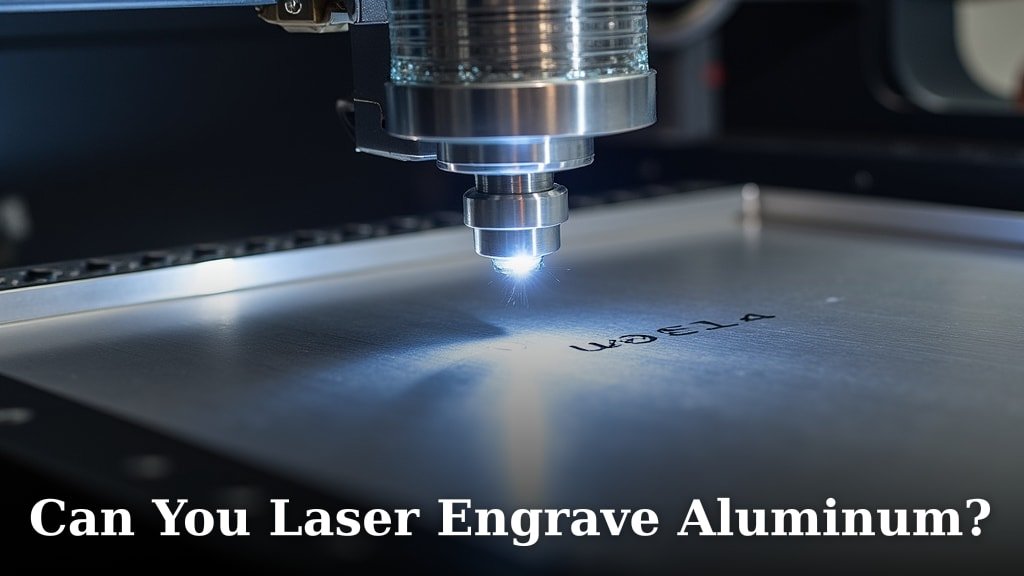
Yes, you can laser engrave aluminum, but it depends on the type of laser and how you prepare the material. You won’t get deep cuts or true engraving with every laser, so knowing your equipment is key. It’s a popular choice for custom projects.
Many people want to add personalized designs or permanent markings to aluminum items. This process works well for branding, serial numbers, or decorative art. You’ll find different methods can create anything from a surface mark to a frosted effect.
- You can laser engrave aluminum.
- Fiber lasers work best for direct engraving.
- CO2 lasers need a special coating to mark aluminum.
- The process creates durable, high-contrast marks.
- It’s great for personalization and industrial marking.
Let’s dive into how laser engraving aluminum actually works, what equipment you’ll need, and the cool effects you can achieve.
Laser Engraving Aluminum: The Nitty-Gritty
You absolutely can laser engrave aluminum. It’s a common practice for adding permanent marks. The key is understanding which laser technology works best for your specific project.
How Laser Engraving Works on Aluminum
When you laser engrave aluminum, you’re essentially using a focused beam of light. This beam interacts with the aluminum’s surface. It creates a visible mark without removing a lot of material.
The laser’s energy heats the aluminum. This heat causes a change in the surface. It can be a color change or a frosted texture. The exact effect depends on the laser type and its settings.
The Science Behind the Mark
Think of it like drawing with a very precise, very hot pen. The laser doesn’t usually “cut” deep into the aluminum for engraving. Instead, it alters the surface properties. This alteration makes the mark stand out from the surrounding material.
For some lasers, it’s about creating a micro-oxidation. This changes the color. For others, it’s about forming tiny bubbles or craters. These create a frosted or etched look.
Types of Lasers for Aluminum
Not all lasers are created equal when it comes to aluminum. You have a few main options. Each has its strengths and weaknesses. Knowing these differences will help you choose wisely.
Fiber Lasers: The Aluminum Master
If you’re serious about engraving aluminum, a fiber laser is usually your best bet. These lasers emit light at a wavelength that aluminum absorbs very well. This makes them highly effective.
Fiber lasers can create high-contrast, durable marks directly on raw aluminum. You can get crisp text, detailed graphics, and even deep engravings. Many industrial applications rely on fiber lasers (ASM International).
- Creates direct marks on bare aluminum.
- Produces high-contrast and very durable results.
- Can achieve different depths, from surface marks to deeper engraving.
- Excellent for fine details and intricate designs.
CO2 Lasers: Needing a Helping Hand
A CO2 laser is different. These lasers are great for organic materials like wood or acrylic. But they don’t interact well with raw aluminum. Aluminum reflects the CO2 laser’s wavelength.
So, can you use a CO2 laser on aluminum? Yes, but you need a trick. You must apply a special coating. This coating absorbs the CO2 laser’s energy. Then the laser “burns” or “etches” the coating away. This leaves a mark on the aluminum underneath.
The most common method uses a laser marking spray or paste. You apply it to the aluminum. The laser then changes the coating. This creates a black mark. You then wipe away any un-lasered coating.
- Requires a special coating (spray or paste).
- Creates a black, high-contrast mark.
- Less direct than a fiber laser, more of a “marking” process.
- Great for hobbyists who already own a CO2 laser.
Diode Lasers: Limited Options
Diode lasers are typically lower power. They are often found in desktop engraving machines. Can they engrave aluminum? Generally, no, not directly.
Like CO2 lasers, they would need a coating. Even then, the results might not be as good. The power output is often too low for effective marking. It’s usually better to stick to other materials with diode lasers.
Preparing Aluminum for Laser Engraving
Preparation is key for good results. You can’t just throw any piece of aluminum under a laser. A little cleaning goes a long way. What kind of aluminum are you working with?
Cleaning the Surface
Before any laser work, clean your aluminum thoroughly. Oils, dirt, and fingerprints can interfere with the laser. Use isopropyl alcohol or a degreaser. Make sure the surface is dry before starting.
A clean surface ensures consistent laser interaction. It helps you achieve a uniform mark. Nobody wants a patchy engraving, right?
Anodized vs. Raw Aluminum
This is a big distinction. Anodized aluminum is much easier to engrave than raw aluminum. Anodizing creates a protective, porous oxide layer on the surface.
When a laser hits anodized aluminum, it removes or changes this colored oxide layer. This reveals the silver aluminum underneath. This process creates a clean, bright, high-contrast mark. It’s often called “whitening” or “etching” the anodization.
Raw, uncoated aluminum is harder. It’s reflective. It requires more powerful lasers, like fiber lasers, to create a direct mark. If you’re using a CO2 laser, remember that marking spray is essential for raw aluminum.
Achieving Different Engraving Effects
You’re not limited to just one look. With the right laser and settings, you can get various effects on aluminum. This opens up a lot of creative possibilities.
- Frosted or Etched Look: Achieved by slightly roughing the surface. This creates a matte, white appearance.
- Deep Engraving: More passes with a fiber laser can remove more material. This creates a tactile, depressed mark.
- Black Marking: Fiber lasers can create a dark black mark on some aluminum alloys. This is through a process called annealing or oxidation. It’s very durable.
- Color Removal (Anodized): The laser removes the colored anodized layer. It reveals the natural aluminum color underneath.
Safety First: What You Need to Know
Working with lasers means being safe. You’re dealing with powerful light beams. Always prioritize your safety and the safety of others.
- Always wear approved laser safety glasses for your laser’s wavelength.
- Ensure proper ventilation. Some processes can create fumes.
- Never leave an operating laser unattended.
- Have a fire extinguisher nearby, just in case.
- Understand your machine’s emergency stop procedures.
Comparing Laser Types for Aluminum Marking
Let’s put it all together. Here’s a quick comparison of the main laser types for aluminum.
| Laser Type | Direct Engraving on Raw Aluminum? | Needs Coating? | Typical Mark Color | Best For |
|---|---|---|---|---|
| Fiber Laser | Yes, excellent | No | Dark, black, frosted, silver | Industrial, detailed graphics, durable marks |
| CO2 Laser | No | Yes (spray/paste) | Black | Hobbyists, marking raw aluminum with coating |
| Diode Laser | Rarely, very limited | Yes, with poor results | Black (if effective) | Not recommended for aluminum |
Is Laser Engraving Aluminum Right for Your Project?
So, you’ve learned about the different methods. Is this the right path for your needs? Consider the look you want. Think about the durability required. Also, factor in your budget for equipment.
If you need permanent, high-quality, and detailed markings, laser engraving aluminum is an excellent choice. It’s a versatile process used across many industries. From custom gifts to aerospace parts, its applications are vast.
Checklist for Starting Your Aluminum Engraving Project
Before you jump in, here’s a quick checklist to guide you:
- Do you have the correct laser type (fiber for direct, CO2 with coating)?
- Is your aluminum clean and free of oils?
- Are you working with anodized or raw aluminum? (This impacts settings!)
- Do you have the necessary safety gear, especially laser glasses?
- Have you tested your settings on a scrap piece first?
Conclusion
You’ve now seen that laser engraving aluminum isn’t just possible, it’s a versatile process with many applications. Whether you’re working with a powerful fiber laser or using a CO2 laser with a specialized coating, understanding your equipment and material is key. This knowledge allows you to create everything from subtle frosted effects to durable black marks.
Always prioritize safety and experiment with settings on scrap pieces. With the right approach, you can achieve professional, high-contrast results for your personalized projects or industrial marking needs. So go ahead, confidently plan your next aluminum engraving project!
Frequently Asked Questions
Can a regular desktop laser engraver mark aluminum?
Most entry-level desktop laser engravers use diode lasers, which are generally not powerful enough for direct engraving on raw aluminum. They might achieve very faint marks on anodized aluminum, but for reliable results, a fiber laser or a CO2 laser with a marking spray is needed.
What’s the best way to get a black mark on aluminum?
For a durable black mark on raw aluminum, a fiber laser using specific settings (often called “annealing” or “oxidation marking”) is usually the most effective method. If you’re using a CO2 laser, applying a special laser marking spray or paste before engraving will produce a dark black mark.
Does laser engraving weaken the aluminum?
Surface laser engraving typically does not significantly weaken aluminum. It alters only the top layer of the material, creating a mark without removing a lot of mass. Deep engraving, which removes more material, could potentially affect strength depending on the depth and application, but this is less common for decorative or identification purposes.
How do I clean aluminum after laser engraving?
After laser engraving, especially if you used a marking spray with a CO2 laser, you’ll need to clean off any residue. For fiber-lasered aluminum, a simple wipe with isopropyl alcohol or a damp cloth is usually sufficient. For CO2 marking, you’ll wipe off the un-lasered paste according to the product’s instructions, often with water or a mild solvent.
Is anodized aluminum easier to engrave than raw aluminum?
Yes, anodized aluminum is much easier to engrave. The anodized layer absorbs laser energy more readily than raw aluminum. This allows the laser to remove or change the colored layer, revealing the natural silver aluminum beneath and creating a clear, high-contrast mark even with lower-power lasers.
