Is Fabric Safe to Laser Cut?
Fabric can be laser cut safely only when its fiber content, coatings, fumes, equipment, and ventilation are suitable. Check unfamiliar fabric before processing, and stop if the material contains unsafe plastics or unknown treatments.
On this page (9 sections)
- Is fabric laser safe for every fiber type?
- How can you check unfamiliar fabric before cutting?
- What coatings make fabric unsafe for a laser?
- How should you prepare a fabric laser cutting setup?
- Do you need a respirator for laser-cut fabric?
- Which facepiece suits fabric laser work?
- What laser glasses do you need for fabric cutting?
- How do you reduce smoke and fire risk?
- What is the safest fabric laser cutting decision?
Fabric may be laser safe when its fiber composition and coatings are known, the laser is suitable for that material, and fumes are captured effectively. Natural fibers such as cotton, linen, wool, silk, and some felt can behave differently from synthetic fabrics, so the label alone isn't enough for every project.
The safest answer to “is fabric laser safe” is to identify the exact fiber blend, inspect the finish, check the laser manufacturer's material guidance, and use proper ventilation. Never process fabric with an unknown plastic coating just because a small test mark looks clean.
Is fabric laser safe for every fiber type?
No, fabric is not automatically safe to laser cut. Fiber content, dyes, flame treatments, waterproof coatings, backings, adhesives, and blends can change both the cut and the fumes.
Cotton and linen are commonly considered easier materials to assess because they are plant fibers. Wool and silk still need controlled settings and good fume extraction because burning any organic material creates smoke and residue.
Synthetic fabric needs more care. Polyester, acrylic, nylon, polyurethane-backed cloth, PVC-coated fabric, and materials with unknown laminates may release irritating or hazardous fumes when heated.
A fabric label that says “polyester blend” does not tell you whether the item also has a coating or adhesive layer.
Read the care label, product description, technical sheet, or manufacturer information. If the composition is incomplete, treat the material as unverified until you can identify it.
For a closer look at one common synthetic, see Is Laser Cutting Polyester Safe? Tips & Settings.
How can you check unfamiliar fabric before cutting?
Check the fiber composition and every added layer before placing fabric in the machine. You need to know more than the surface weave because backing, lamination, and adhesive can sit underneath the visible cloth.
Use this preflight:
- Read the fiber label and record every percentage.
- Look for waterproof, flame-resistant, stain-resistant, or heat-bonded finishes.
- Check whether the fabric has foam, vinyl, rubber, plastic film, or adhesive backing.
- Search the exact material name with the laser manufacturer's guidance.
- Ask the supplier for a safety data sheet or technical material information when the finish is unclear.
- Inspect the fabric for loose threads, folds, and dust before setup.
A small test cut can show how the fabric moves and whether the edge seals, but it does not prove that the fumes are safe. Use extraction during any test and stop if you see unusual smoke, bubbling, corrosive residue, or a strong odor.
Do not rely on smell as a safety test. Some harmful emissions may not have a clear warning odor.
What coatings make fabric unsafe for a laser?
Unknown plastic coatings and bonded layers are the biggest warning signs. A fabric can look like cloth while containing a surface film that behaves like plastic under the beam.
Avoid processing fabric when it contains PVC, unknown vinyl, polyurethane, or a coating that the machine manufacturer does not approve. Polyurethane-backed textiles deserve extra caution because the backing, not the woven face, may control the fumes produced during cutting.
Read What Are the Dangers of Laser Cutting Polyurethane? before working with coated fabric or flexible materials that include polyurethane.
Also be careful with:
- Fabric laminated to foam or plastic.
- Heat-transfer films attached to cloth.
- Waterproof outdoor textiles with unknown chemistry.
- Printed fabric with a heavy coating.
- Upholstery fabric with adhesive or rubber backing.
- Old fabric with no readable composition label.
If the material includes foam insulation, review Can You Laser Cut Insulation Foam? before testing it. Foam and fabric may look similar in a stack, but their heat response and emissions can be very different.
How should you prepare a fabric laser cutting setup?
Prepare the machine, fabric, airflow, and fire response before starting the cut. Fabric is flexible, so it needs to stay flat and away from moving parts without blocking the machine's ventilation path.
Clean the bed and remove lint, loose threads, and scraps. Keep the fabric flat, but don't add tape, glue, or a backing material unless that material is also approved for laser use.
Set the focus and power for the material rather than copying a setting from a different fabric. A high-power pass may scorch the edge, ignite loose fibers, or create more smoke than a slower series of controlled passes.
Use the machine's enclosure and exhaust system as directed. Vent exhaust outdoors or through a filtration setup designed for the emissions involved.
Keep the lid closed during processing, and never leave a fabric cut unattended.
The OSHA laser hazards and control measures guidance explains why enclosure, access control, and protective measures matter around laser equipment.
What should you watch during the first test?
Watch for flame, glowing fibers, curling edges, heavy smoke, and residue on the lens or bed. Stop the job if the cut becomes unstable or the material changes in a way you did not expect.
A clean-looking edge is not proof that the material is safe. Check the exhaust path, listen for unusual airflow changes, and let the work area clear before opening the enclosure.
Do you need a respirator for laser-cut fabric?
A respirator should not replace source capture and ventilation. It may be part of a written workplace respiratory program, but the right cartridge depends on the contaminant and the facepiece fit.
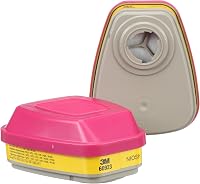
The 3M P100 Respirator Cartridge/Filter 60923 is a 1-pair set with NIOSH approval for certain organic vapors, acid gases, and non-oil and oil particulates. It uses a bayonet-style connection with compatible 3M Half and Full Face Pieces 6000, 7000, and FF-400 Series, plus certain 3M Scott facepieces with the stated adapter.
This cartridge/filter is not for environments that are immediately dangerous to life or health. Fit, change schedules, training, and the actual emissions from the fabric still matter.
A respirator cannot make an unsafe material safe to cut. If you cannot identify the fabric or control its fumes, choose another material.
Which facepiece suits fabric laser work?
Choose a compatible reusable half facepiece only when the cartridge, fit, and workplace controls match the hazard. The facepiece is the part that seals to your face, while the cartridge or filter provides the selected protection.
The 3M Rugged Comfort Quick Latch Half Facepiece Reusable Respirator has a one-hand quick-latch drop-down design, a 3-size adjustable head cradle, polyester/spandex straps, a Cool Flow Valve, and a silicone faceseal. Its low-profile shape is designed to work with welding and grinding shields.
3M says the 6500 Series is NIOSH-approved with 3M cartridges, filters, or supplied air systems to help reduce inhaling certain airborne contaminants. That approval does not identify which cartridge is right for a particular fabric or laser process.
Choose this type of facepiece if you need a reusable base that can accept the correct compatible protection. Skip it as a standalone solution if you do not have a documented respiratory program or cannot tell you what the process produces.
What laser glasses do you need for fabric cutting?
Laser glasses must match the laser's wavelength and required optical density. Ordinary safety glasses, sunglasses, and glasses chosen only by color do not provide reliable laser protection.
The LP-LaserPair Laser Safety Glasses cover 180-534nm with OD 7+, 740-900nm with OD 5+, and 900-1095nm with OD 7+. The orange polycarbonate lenses have a wrap-around design, adjustable fit, scratch-resistant coating, 23% visible light transmission, and a TR90 full-rim frame.
The glasses are described for wavelengths including 355nm, 405nm, 532nm, 740nm, 808nm, 980nm, and 1064nm, and the product information names compatibility with several xTool systems. Confirm your machine's wavelength and required OD before relying on any eyewear.
Don't use alcohol or alcohol-containing disinfectant on this frame. Clean and store protective eyewear according to its care instructions, and replace it if the lens or coating is damaged.
For equipment choices, see Best Laser Engraver For Fabric, but remember that a suitable machine does not make every fabric safe.
How do you reduce smoke and fire risk?
Keep fabric flat, use suitable settings, capture exhaust, and stay with the machine. The main risks are uncontrolled flame, smoke buildup, edge ignition, and residue that contaminates the work area.
Cut a single known layer first. Stacking fabric can change the focus, airflow, and heat buildup.
Loose fibers can also move into the beam path or catch on a hot edge.
Use an approved honeycomb or cutting surface if your machine's instructions call for one. Keep the exhaust path clear and check that airflow is working before starting.
Do not leave scraps in the enclosure after a cut. Remove them only after the machine and material have cooled enough to handle safely.
Keep a suitable fire response method nearby and follow the machine manufacturer's emergency instructions.
If a cut produces heavy smoke or a persistent flame, stop the process and reassess the material. Do not keep changing power and speed until an unknown coating eventually cuts.
What is the safest fabric laser cutting decision?
Fabric is laser safe only when you can identify the fibers and coatings, confirm the machine is suitable, and control the fumes. If any of those conditions is missing, choose a known material or use a different cutting method.
Use the fiber label as the starting point, not the final answer. Natural fabric may still scorch or burn, while synthetic fabric may contain coatings that create a greater fume concern than the visible weave suggests.
If you're still asking “is fabric laser safe,” stop before cutting when the label is incomplete, the backing is unknown, or the exhaust cannot handle the process. Choose a known fabric, verify the laser wavelength and settings, and use protection that matches the documented hazard.
For material selection, compare the guidance in Best Fabric For Laser Cutting before your next project. The safest choice is the fabric whose composition, finish, and cutting conditions you can explain clearly.