How to Sublimate on Cotton Shirts
You can sublimate on cotton shirts only with a system made for cotton, such as a sublimation coating or adhesive transfer. Standard sublimation ink bonds best with polyester, so it can fade or wash out on untreated cotton.
On this page (8 sections)
- Can you sublimate on cotton shirts?
- What are the ways to transfer a design to cotton?
- How do you sublimate on cotton with a cotton-compatible system?
- Which paper should you use for cotton shirts?
- What changes when you sublimate on a black or colored cotton shirt?
- Why does sublimation on cotton fade or wash out?
- What should you check before choosing a cotton transfer?
- Which method should you choose for cotton?
You can sublimate on cotton shirts with a cotton-compatible coating or adhesive transfer system. Standard sublimation ink bonds best with polyester, so it may look faint or fade on untreated cotton after washing.
If you want the soft feel of dye embedded in fabric, choose a high-polyester shirt instead. If cotton is a must, use a transfer product designed for cotton and check that its instructions match your printer, ink, shirt color, and heat press.
Can you sublimate on cotton shirts?
Not reliably with standard sublimation paper on untreated cotton. Sublimation dye needs polyester fibers or a compatible coating to hold the image; cotton does not provide the same bond.
A cotton-compatible system adds a surface layer or adhesive that helps hold the transfer. The result may feel different from a standard polyester sublimation print, and each system has its own process.
A polyester shirt is the straightforward choice for traditional sublimation. See how to choose sublimation shirts blanks for fabric and color considerations.
What are the ways to transfer a design to cotton?
Use a system built for cotton, or choose a separate cotton transfer method. Your main options are a sublimation coating, adhesive sublimation paper, or inkjet heat transfer paper made for the shirt color.
For another sublimation surface, see paper gift bags.
A coating is applied to the fabric before sublimation. It creates a transfer surface, but the finish and durability depend on the coating and application instructions.
Adhesive sublimation paper combines the printed image with a layer intended to help it adhere to cotton. Confirm the paper specifically supports cotton and sublimation ink, since ordinary sublimation paper is not the same thing.
Inkjet heat transfer paper is another option for cotton shirts. Some papers are made for dark fabrics, while others suit light fabrics, so match the paper to the shirt and printer.
How do you sublimate on cotton with a cotton-compatible system?
Follow the chosen system's exact steps for coating, printing, pressing, and peeling. Temperature and timing vary by transfer product, so don't assume polyester settings will work.
- Choose a cotton shirt and a transfer system that names cotton as a compatible fabric.
- Check the instructions for printer type, ink, shirt color, image mirroring, and any coating step.
- Prepare the shirt as directed, including pre-pressing only if the system calls for it.
- Position the printed transfer and press it using the system's stated temperature, time, and pressure.
- Peel the backing as instructed, then wait before washing if the maker specifies a wait time.
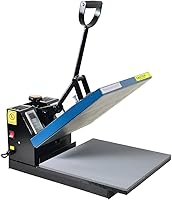
A digital heat press can help you set time and temperature consistently. The Fancierstudio press has electronic time and heat controls with adjustable pressure; confirm its settings work for the transfer system you choose.
A press does not make ordinary sublimation paper suitable for cotton by itself. For press selection and setup, see our sublimation printer machine guide.
Which paper should you use for cotton shirts?
Use paper explicitly designed for the ink, fabric, and shirt color you have. Standard sublimation paper is for polyester and compatible coated surfaces, while cotton transfer paper adds a suitable transfer layer.
A-SUB Sublimation Paper is intended for sublimation ink and white or light-colored high-quality polyester, with cotton content up to 30%. It is not a direct solution for a 100% cotton shirt.
If you're printing on a dark cotton shirt, consider inkjet transfer paper made for dark fabrics. Avery Heat Transfer Paper is designed for dark-colored cotton and cotton-poly fabric, and works with standard irons and heat presses.
Avery paper uses inkjet printing rather than the standard sublimation process, so check that your printer uses the type of ink the paper requires. Read how to design shirts for sublimation for artwork sizing and layout ideas.
What changes when you sublimate on a black or colored cotton shirt?
Shirt color affects which transfer method can show the design clearly. Sublimation ink is transparent, so it cannot print white and may disappear against dark fabric unless the transfer adds an opaque layer.
For black cotton, use a transfer system specifically made for dark garments. Our guide to how to sublimate on black shirts explains how dark fabric changes the method and design choices.
Red and purple fabric can also shift the appearance of a design. Read what happens when you sublimate on a red shirt before choosing a shirt color.
Why does sublimation on cotton fade or wash out?
It fades because standard sublimation dye does not bond to untreated cotton the way it bonds to polyester. A print that looks acceptable at first may lose color after washing.
A compatible coating or adhesive transfer adds a layer for the dye or transfer to attach to. That extra layer can change the shirt's feel, and it still needs correct application and care.
Washing instructions depend on the transfer system. Follow its care guidance, turn the shirt inside out if recommended, and avoid assuming a cotton transfer will behave like dye embedded in polyester.
What should you check before choosing a cotton transfer?
Check the fabric, shirt color, printer, ink, paper, and press instructions as one system. A mismatch in any one of these can lead to a weak transfer or a result that looks different than expected.
- Confirm that the transfer supports cotton and the shirt's color.
- Check whether it needs sublimation ink, regular inkjet ink, or a specific printer.
- Look for required coating, image mirroring, temperature, time, pressure, and peel steps.
- Test the process on a spare shirt or fabric piece before making a finished garment.
- Read the maker's washing and care directions.
For a regular sublimation workflow, choose a compatible printer and ink. Compare options in our best sublimation ink for Epson EcoTank printers guide.
Some crafters also use a laser-cut transfer layer or paper stencil for separate shirt projects. Our guides to the best laser engraver for T-shirts and best laser cutter for paper cover those tools; they do not replace a cotton-compatible sublimation transfer.
Which method should you choose for cotton?
Choose a cotton coating or adhesive sublimation paper if you want to use sublimation ink on cotton and are prepared to follow that system's steps. Choose inkjet heat transfer paper if you want a cotton-specific transfer with a simpler printer setup.
Choose a polyester shirt if you want the standard sublimation process and a dye-based finish. For cotton, match the paper to the shirt color, verify printer and ink compatibility, and follow the transfer maker's press and care instructions.
Frequently asked questions
Can you sublimate directly on 100% cotton?
Standard sublimation ink doesn't bond well with untreated cotton, so a direct transfer may look faint or fade after washing. Use a cotton-compatible transfer system, such as sublimation coating or adhesive sublimation paper, and follow its instructions.
For a simpler cotton option, use inkjet heat transfer paper made for the shirt color.
What sublimation paper works on cotton shirts?
Regular sublimation paper is intended for polyester and compatible coated surfaces, not untreated cotton. Cotton sublimation paper or adhesive transfer paper is designed to add a layer that helps the ink stay on the fabric.
Check its printer, ink, fabric-color, and pressing requirements before you buy.
Can I use sublimation ink with regular heat transfer paper?
Only use the ink and paper combination allowed by the paper maker. Some inkjet transfer papers are made for regular ink, while sublimation paper needs sublimation ink and a compatible printer.
The paper's instructions should specify whether it supports sublimation ink and cotton fabric.
Does sublimation on cotton last?
Durability depends on the transfer system and how you apply and care for it. Standard sublimation on untreated cotton can fade because the dye does not bond as it does with polyester.
Cotton coatings and adhesive papers add a transfer layer, so follow their pressing and washing directions.