How to Engrave Wood Without a Laser
You can create engraved wood effects without a laser by burning, carving, stamping, or painting a design onto the surface. Choose the method based on the look you want, the tools you have, and the wood's intended use.
On this page (8 sections)
- How can you engrave wood without a laser?
- What tools can make an engraved wood effect?
- How do you burn a design into wood by hand?
- How do you carve lines into wood without a laser?
- Can paint or a transfer make wood look engraved?
- How do you choose wood for a hand-engraved effect?
- Can you add a personal design to a cutting board without a laser?
- When should you choose a laser instead?
You can create an engraved wood effect without a laser by burning, carving, stamping, or painting a design onto the surface. Choose wood burning for dark lines, hand carving for grooves, or paint and transfers for a flat decorative effect.
The best method depends on the design and whether the wood will be handled, displayed, or used for food. Try your chosen technique on scrap first, since grain and surface finish affect the result.
How can you engrave wood without a laser?
You can make a wood design by using a heated pen, hand tools, a stamp, or a surface treatment. These methods can make custom lines and patterns with basic craft supplies.
Wood burning creates dark marks that follow the pen's path. Carving removes material to form grooves, while paint or a transfer adds a design on top of the wood.
For a cut-paper-inspired pattern, plan a bold shape that can be drawn or carved by hand. The guide to techniques of laser cut artwork can help you simplify a design into clear lines and shapes before adapting it to a non-laser method.
What tools can make an engraved wood effect?
A wood-burning pen and carving tools mark the wood directly; stencils, stamps, and paint make surface designs. Choose a tool that fits your design and practice before working on the finished piece.
- Wood-burning pen: Darkens lines and small areas. It suits lettering and simple outlines you can draw steadily.
- Carving knife or gouge: Cuts shallow lines or shapes. Work slowly and keep your hands clear of the cutting path.
- Stamp or transfer: Applies a repeatable shape or traced design. The result may be less crisp on rough or uneven grain.
- Stencil and paint: Adds color and contrast without cutting into the wood. The mark stays on the surface and may wear with handling.
The Crayola Washable Kids Paint Set includes 6 classic colors and 6 glitter colors. The paint washes from skin and most washable clothing; follow its wash and care instructions.
How do you burn a design into wood by hand?
Trace a simple design, then move a wood-burning pen slowly along the lines according to the tool's instructions. Practice first on scrap from the same type of wood so you can judge how its grain and surface respond.
- Sand the work area smooth if needed, then remove dust.
- Draw or transfer the design lightly onto the surface.
- Secure the wood on a stable, heat-safe work surface.
- Set up and handle the pen according to its instructions.
- Make short strokes with steady pressure, letting the tip darken the wood.
- Let the piece cool before brushing away residue.
Use a well-ventilated work area and keep the hot tip away from skin, cords, and anything that can catch fire. Don't leave a heated tool unattended, and follow its safety instructions.
Is wood burning a good substitute for laser engraving?
Wood burning works best for hand-drawn marks and small designs where slight differences in line weight are acceptable. It takes more time than a laser and can be harder to control around tiny lettering or intricate patterns.
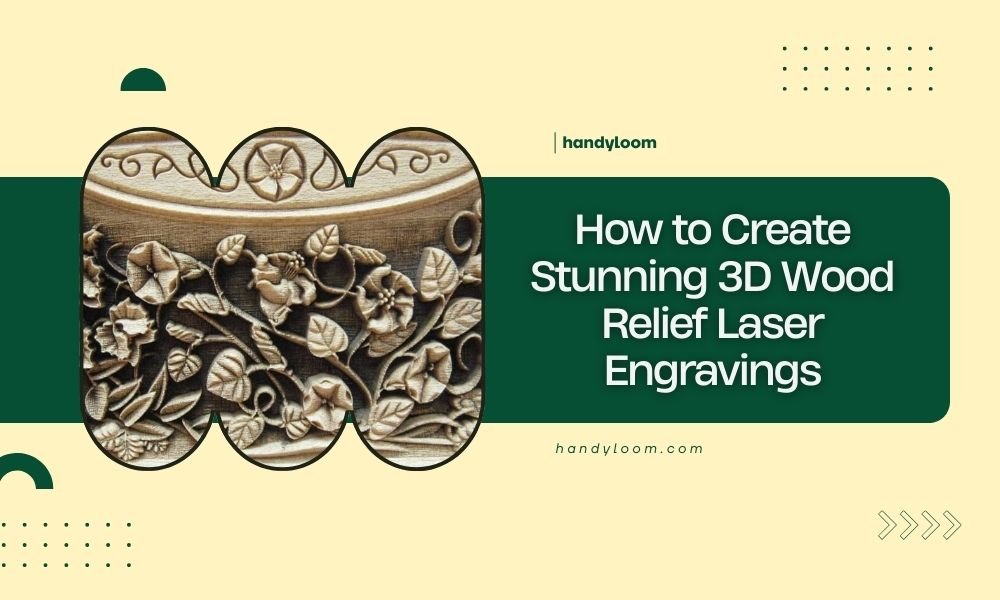
Choose a simple typeface and avoid crowded lines. For a relief effect, hand carving is another option; our guide to 3D wood relief laser engravings explains visual qualities you can adapt by hand.
How do you carve lines into wood without a laser?
Use a sharp carving tool to remove thin strips along a traced design, keeping the cuts shallow until you understand how the wood responds. A V-gouge can create narrow lines, while a broader gouge can open larger areas.
Clamp the wood so it can't slide, and cut away from your hands. Make several light passes instead of forcing a deep cut in one motion.
Carving suits bold lettering, borders, and simple icons. Fine details take practice, and soft or uneven grain can cause a blade to wander.
Can paint or a transfer make wood look engraved?
Yes, paint and transfers can create a flat design that resembles engraving from a distance. They don't cut or burn the wood, so use them when you want a decorative surface effect without grooves.
A stencil helps keep edges tidy. Apply a small amount of paint, avoid flooding the stencil openings, and lift it while the paint is still workable.
For a transfer, trace a printed design onto the wood or use a craft transfer method according to its directions. Test it first, since some finishes can resist paint or prevent a transfer from sticking evenly.
How do you choose wood for a hand-engraved effect?
Choose a smooth, unfinished piece with a clear work area and little surface damage. A flatter face is easier to trace and mark than rough, knotty wood.
Different woods respond differently to heat and cutting, so make a sample before committing to a finished project. Check that the piece is dry and stable, and avoid coated or treated wood unless the tool's instructions say it is suitable.
For project ideas and design scale, browse laser cutter wood projects and adapt a simple pattern to your tools. You can also compare laser engraving ideas for wood for lettering, gifts, and decorative motifs.
Can you add a personal design to a cutting board without a laser?
You can add a decorative design by hand, but a board used for food needs extra care. Paint, transfer materials, and carving can change how the surface is cleaned, so keep decoration away from food-contact areas unless the materials and finish are suitable for that use.
The GIFTS TO ENGRAVE Personalized Cutting Board is made from bamboo and has permanent laser engraving. Its care instructions say to hand wash it.
The Barika Personalized Cutting Board has deep laser engraving. Its care instructions say to hand wash it.
For a ready-made engraved board, compare the design and intended use before choosing. For a DIY project, keep decorative materials separate from areas that contact food, and follow the board's care directions.
When should you choose a laser instead?
Choose a laser when you need repeatable detail, precise placement, or multiple matching copies. For a laser-cut project example, see a curved box with a living hinge.
Hand methods suit one-off craft work and designs where small variations add character.
A laser is also more suited to fine patterns that would be difficult to trace or cut by hand. Read Can You Laser Engrave Wood? to understand material and setup considerations, then follow how to laser engrave wood for the machine-based process.
For a no-laser project, use burning for dark hand-drawn lines, carving for shallow grooves, or paint for color. Choose a method you can control safely and test it on scrap before finishing the piece.
Frequently asked questions
Can you engrave wood without a laser?
Yes. A wood-burning pen darkens the surface, while carving tools cut lines or shallow shapes into it.
You can also use a stamp, stencil, or paint to create an engraved look without removing wood.
Test the method on scrap from the same board first.
What is the easiest way to make wood look engraved?
A stencil and paint are among the simplest ways to make a flat design on wood without cutting or burning it. Apply a thin coat, lift the stencil carefully, and let the paint dry.
The result sits on the surface, so it won't have the depth of a carved line.
Is wood burning the same as laser engraving?
No. Wood burning uses a heated pen to darken the wood where its tip touches, while laser engraving uses a focused beam to mark the surface.
A pen needs steady hand control, and the line style depends on its tip, heat, and movement.
Can I use paint to imitate engraving on a cutting board?
Paint can imitate a decorative engraved look, but don't assume it is suitable for a food-contact surface. Keep paint on a display area, or choose a board made and finished for the intended use.
For a working board, follow its care and food-contact instructions.