Paint vs Laser Engraving YETI Cups: Which Should You Choose? (October 2026)
For paint vs laser YETI cup designs, choose paint for color and brush detail, or laser engraving for a crisp mark on a compatible finish. Check cup and material guidance before decorating.
On this page (7 sections)
- Paint vs laser YETI cups: which look fits your design?
- Which method handles everyday use better?
- Which YETI cup decoration method suits a beginner?
- How do you set up paint or engraving on a YETI cup?
- What common mistakes should you avoid?
- How should you care for a decorated cup?
- What should you choose for your project?
Choose paint for colorful surface art and laser engraving for a crisp mark on a compatible cup finish. In the paint vs laser YETI decision, weigh the look you want, the tools you have and the care the finished cup will need.
Paint sits on top of the surface, so it can add brushwork, layered colors and small details. Engraving changes or removes the finish to create a mark, usually better suited to names, symbols and line art.
Neither method suits every cup or every design. Check the exact cup and decoration material guidance first, and keep paint away from the rim and other food-contact areas unless its maker approves that use.

 Best for colorful craft designs
Caliart Acrylic Paint Set of 36 Colors
Paint vs laser YETI cups: which look fits your design?
Paint gives you color and brush texture; laser engraving gives you a mark shaped by the cup's finish. Start with the effect you want to see each time you pick up the cup.
Paint works for filled shapes, color changes and hand-drawn details. The Caliart Acrylic Paint Set of 36 Colors includes 36 colors and 12 brushes, and its suggested surfaces include metal and plastic.
That broad surface range doesn't confirm how it will wear on a specific cup.
Engraving is a better match for a restrained design, such as a name, small logo or outline. Contrast and sharpness depend on the finish and process, so look for examples on the same type of cup before settling on detailed artwork.
What can paint add to a YETI cup design?
Paint lets you plan several colors, brush textures and small illustrations, but it also adds a layer that can be scratched or worn. Sketch the layout before painting so the design fits the cup's curved surface and avoids the rim.
The Crayola Washable Kids Paint Set has 6 classic colors and 6 glitter colors. It's intended for kids' arts and crafts and washes from skin and most washable clothing, making it useful for paper practice rather than a lasting drinkware finish.
Acrylic gives you a larger color selection for craft projects, while washable paint is a sensible choice for trying ideas with children. Neither should be treated as approved for food-contact surfaces without clear guidance from its maker.
The What Can You Make with a Laser Cutter? guide offers ideas for other maker projects if you're still shaping the design. For a cup, keep the first layout simple enough to fit the curved wall without crowded lettering.
What does laser engraving look like on a cup?
Engraving creates contrast by interacting with the cup's outer finish. The final shade and edge quality depend on the coating and laser process, so don't expect the same result across every YETI cup.
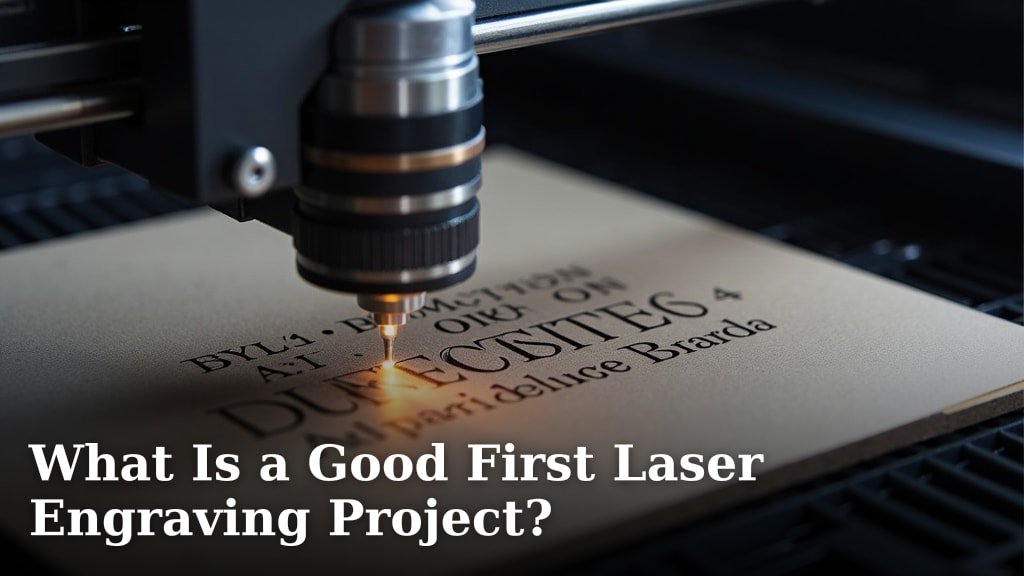
A rotary attachment can help keep a cylindrical cup aligned as it turns. If you're new to the process, start with a good first laser engraving project before moving to curved drinkware.
Simple shapes are easier to place than dense artwork on a curved surface. A small test design on a comparable material can help you judge alignment and contrast before you commit to the cup.
Which method handles everyday use better?
A laser mark avoids a paint layer that can peel, while paint can wear from handling and washing. Neither method guarantees long-term durability on every cup; surface compatibility, preparation and care matter.
Paint sits above the original finish, where scrapes and repeated contact may wear it down. Proper preparation and curing can help, but you should follow the paint maker's directions and expect the design may need touch-ups.
Engraving changes or removes the outer finish rather than adding a separate layer. That can avoid paint peeling, but an incompatible coating or unsuitable setup can damage the surface or produce an uneven result.
How should you judge paint durability?
Choose paint only when its instructions cover the surface and the care routine you expect. Caliart describes its acrylic as waterproof and fade-resistant, but those qualities don't mean a painted YETI cup is dishwasher-safe or safe for food contact.
Follow the paint maker's directions for surface preparation and curing. Keep paint off the rim, inside, lid opening and any area that touches a drink or your mouth unless the maker clearly approves that use.
If the instructions don't confirm dishwasher use, plan to clean the cup gently by hand. Avoid abrasive pads and harsh scrubbing on painted areas unless the paint maker says they are suitable.
How should you judge engraving durability?
Engraving is a better fit when you want a mark without a painted film, provided the cup's finish is compatible. A poor match between the laser and surface can still leave an uneven result or damage the coating.
Check the exact material and coating before setting up the machine. The guide to laser engraving YETI cups covers compatibility questions, while how to laser engrave a YETI cup walks through planning the setup.
Use a test piece with a similar finish when possible. Follow the laser maker's material and ventilation guidance, and stop if the coating produces unexpected smoke or an unwanted mark.
Which YETI cup decoration method suits a beginner?
Paint is easier to try without specialized equipment; engraving calls for a compatible laser, careful alignment and a way to rotate the cup evenly. Choose based on the tools you can use safely and the finish you want.
Painting starts with a sketch, a suitable work surface and paint instructions for preparation and curing. The main challenges are controlling strokes and protecting areas that should remain undecorated.
Engraving adds machine setup and alignment. A rotary attachment helps with a cylindrical surface, while a small test mark lets you check placement and contrast before working on the cup.
When is painting the better choice?
Pick paint when the design depends on color, hand-drawn details or the option to refresh the artwork. It's also the simpler route for practicing ideas before you make a final design.
The Caliart set offers a broad color selection and brushes for craft painting. Its suggested surfaces include metal and plastic, but you still need to confirm cup-specific use, food-contact safety and care instructions.
For kids' art practice, the Crayola set provides classic and glitter colors with washable paint. Keep that practice on paper or another suitable craft surface rather than treating it as permanent drinkware decoration.
Skip paint if the cup needs a finish that you can wash without special care, or if the paint maker doesn't approve the intended surface. Color range alone doesn't settle whether a particular paint is suitable for a cup.
When is laser engraving the better choice?
Pick engraving when you want a clean mark, have access to a suitable machine and can confirm the cup's finish works with the process. It's particularly well suited to names and simple graphics.
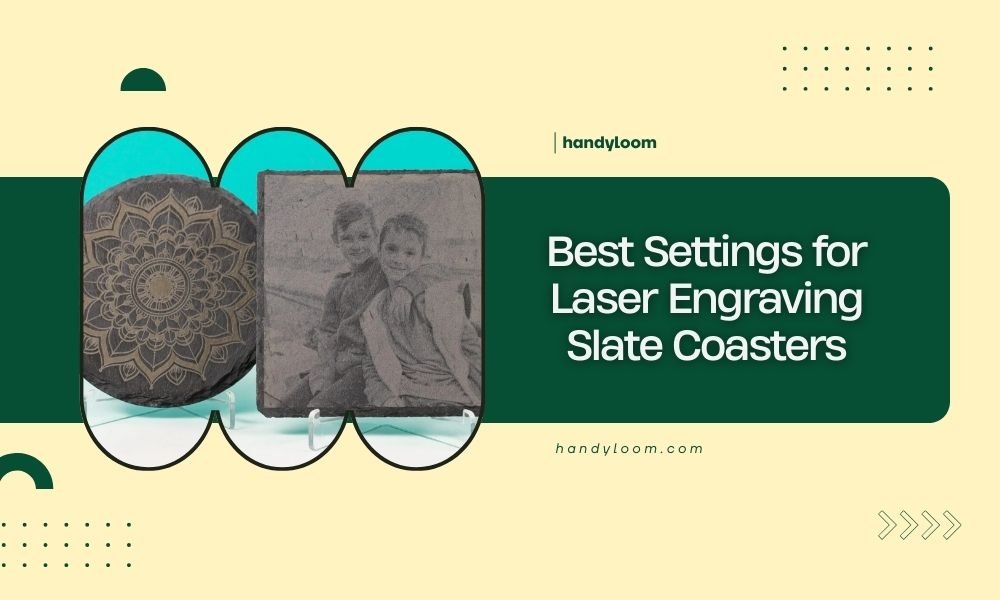
Practice focusing the laser and aligning the rotary on a comparable surface before you work on drinkware. You can also see how the process differs across materials in marble vessel engraving ideas and slate coaster engraving settings.
Marble and slate behave differently from coated drinkware, so their settings aren't a substitute for cup-specific guidance. Skip engraving if you can't confirm compatibility or set up the cup securely.
How do you set up paint or engraving on a YETI cup?
Plan the design and prepare the cup before choosing tools or applying a decoration. A clear layout and a small practice run reduce avoidable alignment and placement errors.
For paint, clean and prepare the surface only as the paint maker directs, then mark a light layout that stays clear of the rim and other food-contact areas. Apply the paint and allow it to cure for the full time in its instructions before handling or washing.
For engraving, confirm the cup material and coating, then follow the laser maker's guidance for the machine, focus, ventilation and rotary. Secure the cup so it turns evenly, check the design position, and make a small test mark on a comparable surface first.
Don't use the same setup assumptions for every cup. A change in coating, shape or paint can change how the surface responds, so check each material combination before starting.
What common mistakes should you avoid?
The most common mistakes are choosing a method before confirming the surface, decorating food-contact areas and skipping a practice run. Each can lead to a result that's unsafe, hard to care for or different from the intended design.
- Assuming all YETI finishes respond alike: confirm the exact cup's material and coating before engraving.
- Treating craft paint as drinkware paint: check surface, curing and care instructions, and keep it off food-contact areas unless approved.
- Painting before planning the layout: sketch first and leave a clear margin around the rim and lid opening.
- Engraving detailed artwork as a first attempt: begin with a small, simple design and check alignment on a comparable surface.
- Copying settings from another material: slate, marble and coated drinkware can respond differently.
- Washing before paint has cured: follow the full cure time and cleaning directions from the paint maker.
How should you care for a decorated cup?
Follow the cup and decoration makers' care guidance, and use the gentlest cleaning method they allow. Decoration doesn't replace the cup's own care instructions.
For painted surfaces, let the paint cure fully before handling or washing. Avoid abrasive pads and harsh scrubbing unless the paint maker says they are safe for that finish.
For laser-marked cups, clean the area as directed for the cup. Avoid sharp tools or abrasive cleaners on the mark unless the cup maker permits them.
Keep decoration away from the rim, interior and other surfaces that touch your drink or mouth unless its maker approves that use. If either set of instructions leaves an important care question unanswered, choose the method with clearer guidance for how you plan to use the cup.
What should you choose for your project?
Choose paint for colorful artwork and laser engraving for a crisp mark on a compatible finish. For paint vs laser YETI cup projects, your best choice depends on the artwork, available tools and care routine you can follow.
Pick paint if color and hand-drawn detail matter most, and you can protect the design from rough handling. Pick engraving if you prefer a simple mark without a painted layer and can verify the surface and machine setup.
For a cup you'll use often, confirm compatibility and care before decorating. Read the guide to laser engraving YETI cups if engraving is your choice.
Frequently asked questions
Does paint stay on a YETI cup?
Paint may adhere to a cup's surface, but durability depends on the paint, surface preparation, curing and care. Read the paint maker's instructions for the exact surface and cure time.
Keep painted areas away from places that touch food or your mouth unless the paint is approved for that use.
Is laser engraving permanent on a YETI cup?
Laser engraving can make a durable mark by changing or removing a cup's outer finish, but the result depends on the cup material, coating and laser setup. Confirm that the exact cup and its finish are suitable, and follow the machine maker's guidance before engraving.
Can you paint stainless steel drinkware?
Some acrylic paints suggest metal as a surface, but that doesn't confirm suitability for a cup that is handled, washed or used for drinks. Read the paint instructions for surface preparation and curing, and don't apply paint to food-contact areas unless its maker approves that use.
Can you combine paint and laser engraving?
You can plan a design that uses both methods, but paint and laser work require separate surface and safety checks. Engrave only a compatible cup with settings suited to its finish, then use paint only where its instructions allow.
Never send a painted cup through a laser unless the paint maker and laser guidance permit it.