
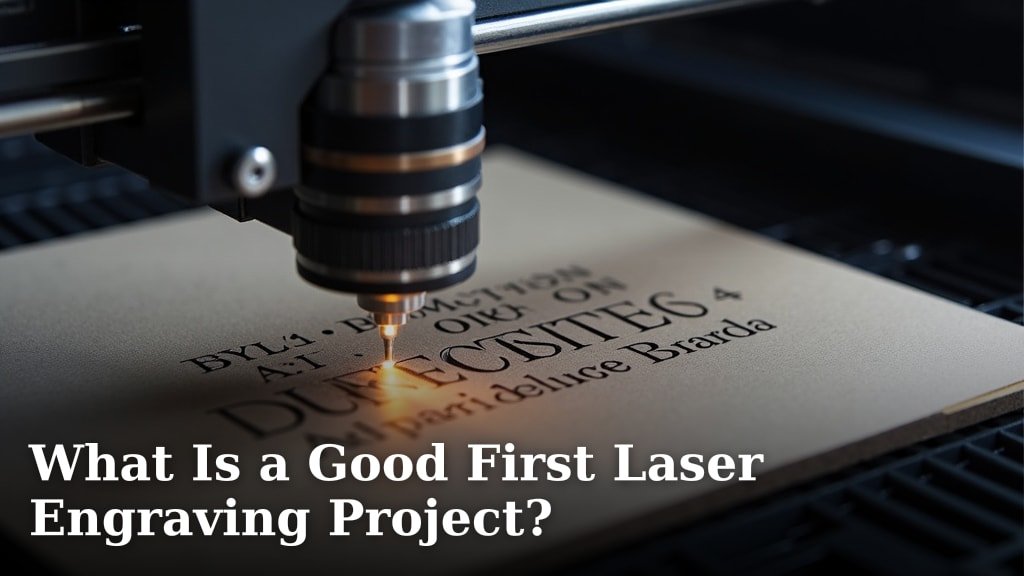
A good first laser engraving project is something simple, repeatable, and uses inexpensive materials. We found that coaster sets or keychains are perfect for beginners. They let you learn your machine without much risk.
You want to pick projects that help you get comfortable with your new laser engraver. Simple designs on flat surfaces are best. This helps you understand settings and materials without getting overwhelmed.
- Start with simple, flat items.
- Use materials that are easy to engrave.
- Choose projects that don’t cost much.
- Coasters and keychains are great starting points.
Ready to jump into the exciting world of laser engraving? Let’s walk you through some great first projects to get you started on the right foot.
Choosing Your First Laser Engraving Project
Starting with laser engraving is exciting! Your first project should build confidence, not frustration. The best way to learn is by doing, but smart choices make all the difference.
Why Simple Projects Are Best for Beginners
When you’re new to laser engraving, there’s a lot to learn. You need to understand your machine, its software, and how different materials react. A simple project reduces the variables. You can focus on one new skill at a time.
Think of it like learning to drive. You don’t start on a busy highway in a race car. You start in an empty parking lot with a basic vehicle. Laser engraving is similar. Simple projects are your empty parking lot.
Learning Your Laser Engraver’s Settings
Every laser engraver is a bit different. Power, speed, and focus settings are key. Finding the right combination for each material takes practice. Simple projects let you experiment without wasting expensive items.
For example, too much power can burn your material. Too little power might not engrave deeply enough. You’ll dial these in over time. Starting with small, simple tests is perfect for this (Laser Engraving Pros).
Getting Comfortable with Design Software
Even basic designs need some software work. You’ll learn to import images, adjust sizes, and send files to your engraver. Simple projects mean simple designs, so you’re not wrestling with complex software features right away.
Many free or inexpensive design programs are available. Pick one and learn its basics. A simple text design or a basic shape is a great first step.
Recommended First Project Materials
Your material choice is almost as important as your project choice. Some materials are much more forgiving for beginners. We’ve found that certain types are universally recommended for their ease of use.
Wood: A Classic Starting Point
Wood is a fantastic material for beginners. It’s affordable, widely available, and engraves beautifully. Light-colored woods like basswood, birch, or maple show good contrast.
- Plywood: Inexpensive and easy to find at craft stores.
- Balsa wood: Very soft, engraves quickly, good for testing.
- Light hardwoods: Offer nice detail and contrast.
Avoid very dark woods at first. It can be harder to see the engraving. Also, some woods have a lot of sap, which can cause issues.
Acrylic: For a Different Look
Acrylic is another popular choice. It engraves cleanly and offers a modern aesthetic. Cast acrylic usually engraves white, creating a nice frosted look. Extruded acrylic often engraves clear or frosted, depending on settings.
You can find acrylic sheets at most hardware stores or online. It’s a bit more expensive than wood, but the results can be stunning. Just be careful with fumes; proper ventilation is always a must.
Slate: Elegant and Durable
Slate coasters or tiles are surprisingly easy to engrave. The laser removes the dark surface, revealing the lighter gray stone underneath. This creates a striking, natural contrast.
Slate is durable and makes for very professional-looking finished products. You can often buy slate coasters in bulk for a reasonable price. They are perfect for practicing consistency.
Your First Project Checklist
Before you start, run through this quick checklist. It helps ensure you’re ready and reduces potential headaches. A little preparation goes a long way!
- Is your laser engraver set up and calibrated?
- Do you have your chosen material ready (and a few spares)?
- Is your workspace well-ventilated?
- Are your safety glasses on? Our comprehensive guide details all the essential safety equipment for laser engraving.
- Is your design simple and ready to go in the software?
- Do you have a fire extinguisher or water nearby, just in case?
Project Ideas for Absolute Beginners
Okay, let’s get into some specific project ideas. We’ve focused on items that are generally flat, don’t require complex alignment, and use readily available materials.
Coasters: The Ultimate Beginner Project
Coasters are widely considered one of the best first projects. Why? They are flat, small, and generally inexpensive. If you mess one up, it’s not a huge loss. You can buy blank coasters made of wood, cork, slate, or even acrylic.
You can start with simple text, like initials or a family name. Then, move on to basic line art or logos. Making a set of four lets you practice repeatability and consistency. Plus, they make great gifts!
Keychains: Small, Quick, and Satisfying
Keychains are another fantastic option. They are even smaller than coasters, meaning faster engraving times. Materials like wood, acrylic, or even leather scraps work wonderfully.
You can engrave names, small symbols, or even pet tags. This project helps you practice precise positioning. The satisfaction of holding a finished, personalized keychain is a great motivator!
Engraved Pencils or Pens: Simple Surface Practice
While not perfectly flat, pencils and pens offer a simple, cylindrical surface to practice on. Many laser engravers can handle slight curves. This project teaches you about power settings for small, thin lines.
Using inexpensive bulk pencils means you can make mistakes without much financial impact. Personalized pens make great office gifts or stocking stuffers, too!
What Makes a Project “Good” for a Beginner?
Beyond the specific ideas, understanding the principles behind a good beginner project is helpful. This knowledge empowers you to evaluate other project ideas you might encounter.
| Feature | Why It’s Good for Beginners |
|---|---|
| Flat Surface | Easier to focus the laser consistently. Reduces alignment issues. |
| Inexpensive Material | Reduces stress about mistakes. Encourages experimentation. |
| Simple Design | Fewer software skills needed. Faster engraving times. |
| Small Size | Faster to complete. Uses less material. |
| Repeatable | Practice settings and techniques multiple times. Build muscle memory. |
We found that projects fitting these criteria lead to the most positive first experiences. You want to feel successful, right? That builds momentum for more complex tasks later.
Avoiding Common Beginner Mistakes
Everyone makes mistakes when learning something new. That’s part of the process! But some common ones can be avoided with a little forethought.
One big mistake is trying to engrave something too complex too soon. You might pick a highly detailed photo on an expensive piece of wood. This can lead to frustration if the settings aren’t perfect or the material doesn’t react as expected.
Another common error is neglecting ventilation. Laser engraving creates fumes and sometimes smoke. Always work in a well-ventilated area or use a proper exhaust system (OSHA guidelines are clear on this). Your lungs will thank you!
Finally, always do a small test engrave on a scrap piece of your material. This helps confirm your power and speed settings before committing to your main piece. It’s a quick step that saves a lot of potential disappointment.

Conclusion
Starting your laser engraving journey is all about building confidence. By choosing simple, inexpensive projects like coasters or keychains, you give yourself the best chance for success. You’ll learn your machine’s settings and software without the pressure of costly mistakes. We found that focusing on repeatability and readily available materials helps you master the basics quickly. Take that first step, make something cool, and you’ll be amazed at what you can create.
Frequently Asked Questions
What safety gear do I really need for laser engraving?
You absolutely need certified laser safety glasses for your specific laser’s wavelength. Good ventilation is also critical to remove fumes. Having a fire extinguisher or water nearby is a smart precaution too.
How can I test laser settings without wasting material?
Create a small “test card” with different power and speed settings. Engrave this matrix on a scrap piece of your chosen material. This lets you quickly see which settings give the best results before starting your main project.
What if my first few projects don’t turn out perfectly?
That’s completely normal and part of the learning process. Don’t get discouraged! Each attempt, even imperfect ones, teaches you something new. Review what went wrong, adjust your settings or technique, and try again.
Should I buy expensive materials for my first project?
We strongly recommend against it. Start with affordable, easy-to-replace materials like plywood or cheap slate coasters. This removes the stress of potentially ruining expensive items while you’re still learning.
How do I clean my engraved items?
For wood, a soft brush or a slightly damp cloth usually works. For slate, a damp cloth is effective. Acrylic can be wiped with a microfiber cloth. Avoid harsh chemicals, especially on wood, as they can damage the engraving.
