
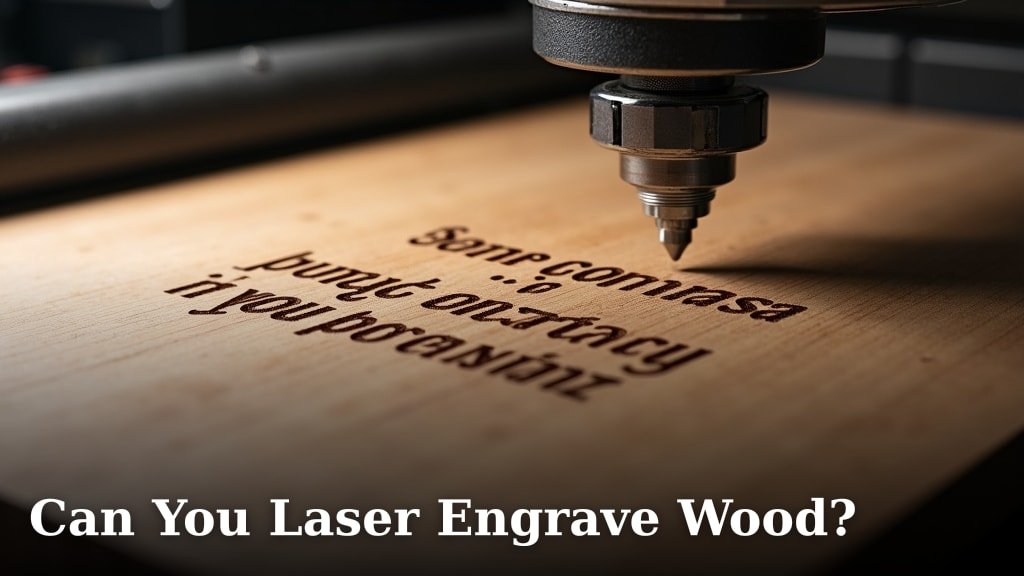
Yes, you absolutely can laser engrave wood, and it’s a fantastic way to personalize items. We found that laser engraving creates durable, precise designs on various wood types, making it a very popular method.
You can use a laser engraver to etch everything from detailed images to custom text onto wood surfaces. It’s a versatile technique that offers incredible creative control for many projects, from gifts to home decor.
TL;DR:
- Wood can be laser engraved with ease.
- It creates precise, lasting designs.
- Different wood types yield different results.
- Perfect for customization and crafting.
Ready to get started? Let’s walk through everything you need to know about laser engraving wood, ensuring you get the best results for your next project!
Engraving Wood with a Laser: What You Need to Know
You can absolutely engrave wood with a laser, creating beautiful and lasting designs. It’s a fantastic way to add personalization to almost any wooden item.
How Laser Engraving Wood Works
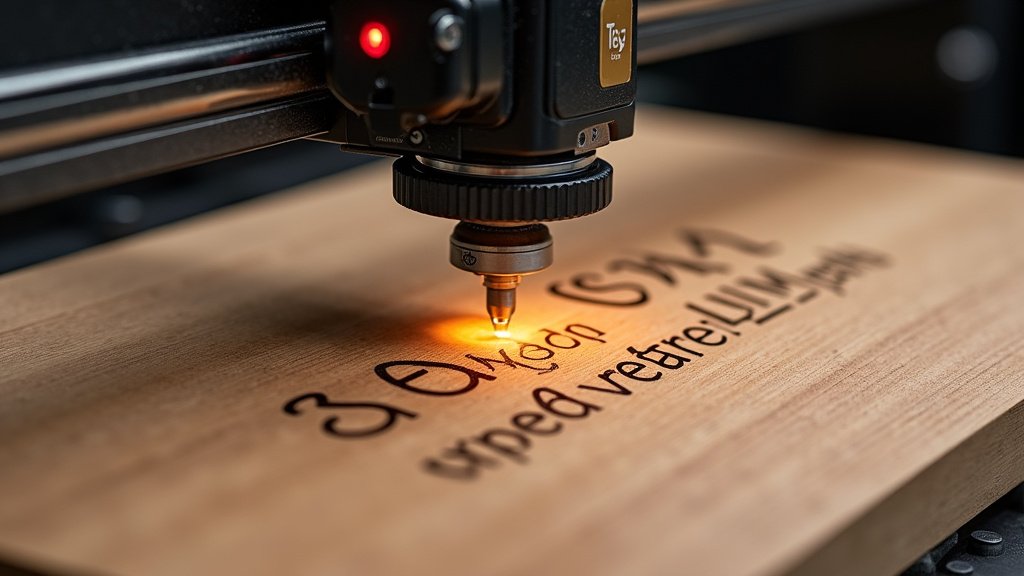
Imagine a tiny, super-hot beam of light. That’s essentially what a laser engraver uses. This beam focuses intense energy onto the wood surface. The heat causes the wood to vaporize or burn away in controlled areas. This burning creates your design, leaving behind a darker, etched mark. It’s a very precise process. You can control the depth and darkness of the etch by adjusting laser settings.
The Power of Precision
Laser engraving offers incredible precision. We found that you can create very small details, intricate patterns, and fine text. This level of detail is hard to match with other methods. Think about engraving a tiny signature or a complex family crest. A laser engraver makes that possible. The machine follows a digital design file with great accuracy.
Choosing the Right Wood Type for Laser Engraving
Not all woods behave the same way under a laser. Some woods engrave beautifully, while others might just char or scorch. Your choice of wood will greatly impact the final look of your project.
Best Wood Choices for Engraving
We found that lighter woods generally offer better contrast. This means the engraved area will stand out more against the natural wood color. Cherry, maple, birch, and alder are popular choices. They tend to engrave with a rich, dark brown tone. Natural hardwoods often produce crisper results. Basswood and poplar can also work well. MDF (Medium-Density Fiberboard) can be engraved, but sometimes produces a less refined finish due to its composition.
Woods to Approach with Caution
Some woods are more challenging. Pine and other softwoods have varying densities within their grain. This can lead to uneven engraving. The laser might burn deeper in softer areas and less in harder ones. Also, woods with high resin content, like some types of cedar, can be problematic. They might release more smoke or even catch fire if settings aren’t just right. You’ll want to test these carefully.
Here’s a quick look at common wood types and their engraving characteristics:
| Wood Type | Engraving Result | Notes |
|---|---|---|
| Maple | Dark brown, good contrast | Smooth grain, excellent for detail |
| Cherry | Darker brown to black | Rich color, very popular for crafts |
| Birch | Consistent dark brown | Fine grain, provides clean lines |
| Alder | Mid to dark brown | Soft grain, accepts engraving well |
| Walnut | Subtle dark on dark | Beautiful for texture, less contrast |
| Pine | Uneven, inconsistent | Can be blotchy due to grain variation |
| MDF | Dark, sometimes dusty | Good for cheap prototypes, can have burnt smell |
Setting Up Your Laser Engraver for Wood
Getting the right settings is key to a successful engraving. Think of it like baking a cake – too much heat, and it burns; too little, and it doesn’t cook. Laser engraving needs that same balance. You’ll adjust power, speed, and focus.
Understanding Power and Speed
Power refers to the intensity of the laser beam. Higher power means more burning. Speed dictates how fast the laser moves across the wood. Slower speeds mean the laser dwells longer in one spot, leading to deeper engraving. We found that a good starting point often involves lower power and higher speed for lighter etching. For deeper results, you might use higher power and slower speed. It’s a delicate dance to get the perfect etch.
Focus and Resolution
The focus of your laser beam is super important. A tightly focused beam creates a crisp, fine line. If it’s out of focus, your lines will look blurry or thick. Most machines have a way to easily adjust the focus. Then there’s resolution, often measured in DPI (dots per inch). Higher DPI means more detail in your image, but it can also increase engraving time. For photos, higher DPI is usually preferred. For simple text, lower DPI might be fine.
Safety First: What You Need to Watch For
Working with lasers and wood requires attention to safety. Always prioritize protecting yourself and your workspace. Many experts say proper ventilation is one of the most important aspects (OSHA guidelines).
Ventilation is Crucial
When wood is burned by a laser, it produces smoke and fumes. These aren’t just smelly; they can be harmful to breathe. A good ventilation system is non-negotiable. This usually involves an exhaust fan and ducting that directs fumes outside. If you don’t have good ventilation, you risk inhaling these particles. A strong smell of burnt wood shouldn’t linger in your workspace.
Fire Prevention and Eye Protection
Wood is flammable, and a concentrated laser beam can cause it to ignite. Never leave your laser engraver unattended while it’s operating. Keep a fire extinguisher nearby. It’s better to be safe than sorry. Also, you must wear appropriate laser safety glasses. These glasses protect your eyes from the specific wavelength of your laser. Don’t skip this step; eye damage from lasers can be permanent.
Achieving the Best Results: Tips and Tricks
You want your engraved wood projects to look amazing, right? A few simple techniques can make a big difference.
Prepping Your Wood Surface
A clean surface is a happy surface for engraving. Make sure your wood is free of dust or debris. You might even lightly sand it with fine-grit sandpaper for a smoother finish. Some people like to tape the surface with painter’s tape before engraving. This can help prevent smoke stains around the engraved area. Just engrave right through the tape. Peel it off after, and you might get much cleaner edges.
Testing, Testing, 1-2-3
We found that testing is your best friend. Before engraving your final piece, always do a small test engrave on a scrap piece of the same wood. This lets you dial in your settings. You can adjust power, speed, and focus until you get the perfect look. It saves you from potentially ruining your main project. Think of it as a dress rehearsal.
Here’s a quick checklist for a smooth engraving process:
- Clean your wood surface thoroughly.
- Secure the wood firmly in place.
- Double-check your laser’s focus.
- Perform a test engrave on scrap wood.
- Ensure proper ventilation is active.
Post-Engraving Care: Finishing Your Masterpiece
Your engraving is done, but the journey isn’t quite over. A little post-processing can truly make your project shine.
Cleaning the Engraved Area
You might notice some residual smoke or charring around your engraving. This is normal. A soft brush or a damp cloth (not wet!) can gently wipe away the soot. For tougher spots, a light sanding with very fine sandpaper might be needed. Always clean carefully to avoid damaging the fresh engraving.
Applying a Finish
To protect your engraved wood and enhance its beauty, consider adding a finish. A clear coat of lacquer, polyurethane, or even a natural oil can bring out the grain and protect the engraving. We found that a good finish can make the engraved lines appear even darker and richer. Always let your finish dry completely according to the product’s instructions. This step brings your project to a beautiful conclusion.
Conclusion
You’ve seen that laser engraving wood is completely achievable and offers amazing creative potential. From understanding how the laser works to selecting the right wood and settings, you now have the knowledge to create stunning projects. Remember to prioritize safety with proper ventilation and eye protection. With a little practice and careful testing, you’ll master this rewarding craft. We found that the joy of seeing your designs come to life on wood is truly satisfying.
Now, grab a piece of wood and get ready to create your next masterpiece!
Frequently Asked Questions
Is laser engraved wood waterproof or weather-resistant?
No, laser engraving itself doesn’t make wood waterproof. The engraving process removes material, creating recessed designs. You’ll need to apply a suitable protective finish, like a sealant or varnish, to make your engraved wood items resistant to water or outdoor elements.
Can a laser engraver cut through wood, or just engrave it?
Yes, many laser engravers can both engrave and cut wood. The ability to cut depends on the laser’s power and the wood’s thickness. Thicker woods require more powerful lasers and often multiple passes to cut clean through. Engraving uses less power to mark the surface.
Do I need special software to laser engrave wood?
Yes, you will need design software and control software. Design software (like Adobe Illustrator or Inkscape) helps you create your images. Control software (often proprietary to your laser engraver) then sends these designs to the machine, translating them into laser movements and settings.
How long does a laser engraving on wood last?
A laser engraving on wood is very durable and can last indefinitely if properly cared for. Since the design is burned into the wood fibers, it won’t fade or rub off like paint. Adding a protective finish helps preserve the wood itself and keeps the engraving looking sharp.
What kind of images or designs can I engrave onto wood?
You can engrave almost any digital design, including text, logos, photos, and intricate patterns. The laser engraver works with common image formats like JPG, PNG, and vector files (SVG, DXF). High-contrast images and well-defined lines generally produce the best results on wood.
