Masking Tape vs Painter's Tape: What Is the Difference? (November 2026)
Painter's tape is masking tape made for cleaner removal and more controlled paint lines. The difference between masking and painter's tape comes down to adhesive strength, surface fit, removal time and the project you plan to do.
On this page (8 sections)
- Masking tape vs painter's tape: what is the difference?
- How do adhesion and removal differ?
- Which tape is better for smooth surfaces?
- Which tape is better for rough surfaces?
- Can painter's tape be used for laser projects?
- How should you apply and remove either tape?
- Which tape should you choose for your project?
- Final choice for masking tape vs painter's tape
Painter's tape is masking tape made for cleaner removal and more controlled paint lines. The difference matters most when you need to protect a surface without leaving residue or pulling up the finish.
Masking tape is a broad category. Painter's tape is a more specific option with adhesive and removal behavior aimed at painting work.
That distinction shows up in daily use. One tape may hold firmly on a rough wall but mark a smooth painted surface.
Another may release cleanly from trim but lift or bleed on textured brick.
For laser materials, the right choice also depends on the surface. Paper, wood, acrylic and painted parts can react differently to adhesive, heat and removal.
A tape that works well on a test piece may still behave differently on a finished panel. The backing, coating and surface texture all affect how the adhesive grips and releases.
Setting up the job therefore starts with the material, not just the roll in your hand. Check the stated surface types and the clean removal time before you apply anything.
If the project will take several days, removal time deserves extra attention. A tape left in place too long can become harder to lift, even when the paint job itself looks finished.
For short tasks, a stronger hold may be useful. For paint lines on finished surfaces, a more moderate adhesive is often the safer starting point.
The practical question is simple. Will the tape stay where you placed it, then come away without damage when the work is done.
Keeping that balance in mind helps you choose with confidence. You are matching the tape to the surface and the schedule, rather than relying only on the name on the package.
 Best for multi-surface projects
ScotchBlue Original Multi-Surface Painter's Tape 1 Inch
 Best for general paint prep
ScotchBlue Original Multi-Surface Painters Tape
Masking tape vs painter's tape: what is the difference?
Painter's tape usually gives you a more controlled balance between adhesion and clean removal. Standard masking tape may focus more on holding power, short-term coverage or rough surfaces.
The names overlap because painter's tape is still masking tape. The practical difference is the adhesive design, the surface recommendations and how long the tape can stay in place before removal becomes harder.
Painter's tape often comes in a visible color, such as blue or green, so you can see the edge while applying it. That visibility helps when you are covering a line, protecting trim or marking a work area.
Masking tape can be useful for temporary labels, grouping materials or holding a guide in place. It is not automatically the best choice for a painted edge, especially if the adhesive is too strong for the surface.
Is masking tape the same as painter's tape?
No. Painter's tape is a specialized form of masking tape, but not every masking tape is designed for the same surface or removal window.
Read the surface and clean-removal guidance before choosing.
A tape made for rough concrete may grip poorly on a smooth coated panel if its adhesive needs texture to hold. A stronger tape may also leave more cleanup work on a delicate surface.
For a closer comparison with another low-tack option, see our guide to artist tape vs masking tape. The best choice depends on whether you need paint protection, a temporary mark or gentle holding power.
How do adhesion and removal differ?
Adhesion is the main trade-off: stronger grip helps on rough surfaces, while moderate grip is safer for many smooth surfaces. Removal time tells you how quickly you should finish and lift the tape.
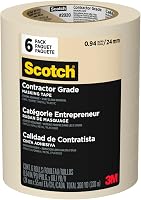
The ScotchBlue Original Multi-Surface Painter's Tape 1 Inch comes as 6 rolls, with each roll measuring 0.94 in by 60 yd. It is designed for smooth or lightly textured walls, trim, baseboards, tile and glass, and it specifies clean removal for up to 14 days.
The ScotchBlue Original Multi-Surface Painters Tape comes as 3 rolls of 0.94 in by 60 yd tape. Its medium adhesive suits smooth or lightly textured walls, trim, tile and glass, with clean removal for up to 14 days.
The green Scotch Painter's Tape 2060-1A 2060 Masking Tape comes as 4 rolls of 1 in by 60 yd tape. Its high adhesion is designed for brick, stucco and concrete, but its clean-removal window is up to 3 days.
The first 2 products give you more time to remove tape after painting. The green tape gives you a stronger rough-surface match, but you should plan the project around its shorter removal period.
Which tape is better for smooth surfaces?
Choose painter's tape with moderate adhesion for smooth walls, trim, tile, glass and other surfaces that can show residue. A strong rough-surface tape can hold more firmly than you need.
The ScotchBlue products are the closer fit here. Both are blue multi-surface painter's tapes with a 0.94 in width, and both specify clean removal for up to 14 days.
Press the tape down firmly along the edge you need to protect. Smooth the tape with a clean finger or suitable tool so paint cannot easily move beneath small gaps.
Keep the surface clean and dry before application. Dust, oil and loose material can reduce adhesion, while a weak or damaged finish can lift when any tape is removed.
If the surface is paper or a delicate craft material, use less pressure and test an unseen area. Our guide to the best masking tape for paper covers the surface concerns that matter more for paper crafts.
Which tape is better for rough surfaces?
Choose high-adhesion masking tape for rough brick, stucco and concrete when ordinary painter's tape cannot follow the texture. The trade-off is a shorter removal window and a need to protect the surface underneath.
The green Scotch Painter's Tape 2060 is designed for rough surfaces and is weather- and water-resistant. Its 1 in width covers slightly more than the 0.94 in ScotchBlue options.
Rough surfaces create small channels beneath tape. A tape made for those surfaces can hold more securely, but you still need to press the edge down and check the line before painting.
That extra width can help on uneven trim or wide edges. It does not remove the need to check for gaps where texture keeps tape from sealing flat.
Outdoor work needs extra care. Sun, moisture and temperature changes can affect how long tape should stay in place and how it releases.
Remove it within the stated 3-day clean-removal window. If the project will take longer, choose a tape with a longer window only when its surface guidance matches the material.
Do not assume rough-surface tape suits glass, finished wood or a coated craft panel. More adhesion does not mean better protection on every surface.
High adhesion helps where texture needs grip. On a delicate finish, that same strength may lift paint or leave adhesive behind.
Test an unseen area first when the surface is unfamiliar. A short strip will show whether tape holds, follows the texture and releases without harm.
Keep the surface clean and dry before application. Dust in brick pores or loose material on stucco can weaken contact and lead to bleed under the edge.
Work slowly along the line and smooth tape with firm pressure. Inspect the edge in good light before you load the brush or roller.
If the line looks open in places, adjust the tape rather than hoping paint will stay put. Small gaps on rough surfaces can widen once paint starts to move.
For larger areas, use enough strips to cover the surface without forcing tape to bridge over deep texture. Overlap should be neat and secure, with no loose flaps.
After painting, remove tape slowly and check the surface as you go. Stopping early is easier than repairing damage across a wide section.
Plan timing before you start. Work so you can paint, let the coat dry and remove tape within the window.
Can painter's tape be used for laser projects?
Painter's tape can help with some laser-material tasks, but the tape must suit the material and the laser process. Adhesive residue, smoke, heat and removal can all affect the finish.
On wood or other laser materials, apply tape smoothly and avoid wrinkles or overlapping edges. Keep the surface flat and use a small test piece before committing to a full sheet or finished part.
Tape can help reduce surface marks in some workflows, but it does not remove the need for correct power, speed and ventilation. Follow the instructions for your machine and material.
If your project involves cardboard, review how to laser cut cardboard before adding tape. Cardboard can scorch, and extra layers may change how the laser reaches the surface.
For work involving transfer tape, compare the best laser settings for cutting transfer tape and start with a small test. Transfer tape and painter's tape are not interchangeable just because both come in rolls.
You can also compare the underlying process in what is the difference between engraving and cutting. Engraving and cutting place different demands on the material, tape layer and machine settings.
How should you apply and remove either tape?
Apply tape to a clean, dry surface, seal the edge, and remove it slowly at the recommended time. Good technique cannot fix a tape that is wrong for the surface, but it can reduce paint bleed and residue.
Start with a short strip if you are unsure about the material. Check whether the tape grips evenly, then lift it slowly and inspect the surface.
For the ScotchBlue 6-roll tape, the guidance is to let firmly applied tape set for 30 to 60 minutes before painting. Remove it slowly at a 45-degree angle when the paint is dry to the touch.
The ScotchBlue 3-roll tape also specifies firm application, a 30-to-60-minute wait before painting and slow removal at a 45-degree angle. Keep the tape visible so you can remove every strip before it sits longer than needed.
The green Scotch 2060 tape is the faster option to manage. Plan removal within 3 days, especially for outdoor work or a surface that may warm in sunlight.
Pull the tape back on itself rather than lifting straight up. A slow, controlled motion gives you more time to stop if the finish begins to lift.
Which tape should you choose for your project?
Choose the 6-roll ScotchBlue tape for repeated multi-surface work, the 3-roll ScotchBlue tape for general paint prep, and the green Scotch 2060 tape for rough surfaces. The best choice is the one whose adhesion and removal time match your material.
Pick the 6-roll ScotchBlue option when you want extra rolls for repeated projects and a clean-removal window of up to 14 days. It is suited to smooth or lightly textured walls, trim, baseboards, tile and glass.
Pick the 3-roll ScotchBlue option when you need a smaller pack for similar surfaces. Its medium adhesive, blue color and up-to-14-day removal window fit common indoor and outdoor paint jobs.
Pick the green Scotch 2060 option when brick, stucco or concrete is the main surface. Its high adhesion and weather resistance help with rough outdoor work, but the 3-day removal limit requires better timing.
For laser engraving, start with surface compatibility and a test piece. Our guide to the best masking tape for laser engraving can help you compare tape choices with the material and process.
Final choice for masking tape vs painter's tape
Choose painter's tape when clean removal and controlled paint lines matter most. Choose high-adhesion masking tape when a rough surface needs a stronger grip and you can remove it within the shorter time window.
The 6-roll ScotchBlue tape is the broadest choice here for smooth or lightly textured surfaces. The 3-roll ScotchBlue tape is a similar fit when you need fewer rolls, while the green Scotch 2060 tape is the rough-surface option.
The difference between masking and painter's tape is not just the color or name. Match adhesive strength, surface guidance, tape width and removal time to the job before you apply the first strip.
For a single room or a small refresh, the 3-roll ScotchBlue pack may be enough. Its medium adhesive suits common indoor and outdoor paint prep on smooth or lightly textured walls, trim, tile and glass.
For repeated projects, the 6-roll pack gives you more supply to work through. It also suits smooth or lightly textured walls, trim, baseboards, tile and glass, with clean removal for up to 14 days.
That longer window can make a real difference when a project stretches over several days. You can paint at your own pace while keeping tape within its stated removal time.
For brick, stucco or concrete, the green Scotch 2060 tape is the closer match. Its high adhesion and 1 in width help on rough surfaces, but its clean removal window is up to 3 days.
Outdoor timing therefore needs a clear plan. Check the weather, allow for drying and remove tape before the window closes.
Setup matters with any of these choices. Apply tape to a clean, dry surface and press the edge firmly so paint cannot creep underneath.
For the ScotchBlue options, let firmly applied tape set for 30 to 60 minutes before painting. When paint is dry to the touch, lift tape slowly at a 45-degree angle.
That slow removal helps protect the paint edge. Pulling straight up can put more force on the finish and increase the chance of lifting.
Care after the job is simple. Remove every strip, inspect the line and touch up any small issues while paint and tools are still at hand.
Store leftover rolls in a clean, dry place away from direct sunlight and heat. That helps keep adhesive in good condition for the next project.
If you are using tape near laser materials, treat the surface test as essential. Different materials can respond differently to adhesive and heat, so a small trial area is the safe route.
The final choice comes down to fit. Pick the tape whose surface guidance, width and removal time match the work in front of you, and you will spend less time fixing edges afterward.
Frequently asked questions
What is the difference between masking and painter's tape?
Painter's tape is a type of masking tape designed for controlled paint lines and cleaner removal. The useful difference is usually the adhesive and the surface match: painter's tape often targets smooth or lightly textured surfaces, while high-adhesion masking tape can suit rough surfaces but may need removal sooner.
Is painter's tape better than masking tape?
Painter's tape is better when you need a clean paint edge and time to remove the tape without residue. General masking tape can be the better fit for a short project or a rough surface, but check the product's removal window and avoid using high adhesion on delicate materials.
Can you use masking tape for laser engraving?
You can use suitable masking tape for some laser engraving jobs, but the tape must match the material, adhesive and laser settings. Test a small area first, keep the tape flat, and follow safe ventilation practices.
Tape is not a substitute for the correct engraving setup.
Does painter's tape leave residue?
Painter's tape can remove cleanly when it is applied to a suitable surface and removed within its stated time. The ScotchBlue options here specify clean removal for up to 14 days, while the green Scotch 2060 tape specifies up to 3 days.
Heat, sunlight, paint and surface condition can change results.
Which tape should you use on rough surfaces?
Use a high-adhesion tape made for rough surfaces such as brick, stucco and concrete. The green Scotch Painter's Tape 2060 is the best match of these 3 products because it is designed for rough surfaces, but remove it within its 3-day clean-removal window.