Artist Tape vs Masking Tape: Which Should You Choose? (November 2026)
Choose artist tape for artwork, paper and delicate surfaces, and masking tape for stronger hold on general projects. Artist tape usually favors clean removal and repositioning, while masking tape offers more grip for firm coverage.
On this page (8 sections)
- Artist tape vs masking tape: what is the main difference?
- Which tape removes more cleanly?
- Which tape has the right adhesion?
- Which tape is best for laser projects?
- Which products fit each use?
- What should you choose for paper crafts?
- Is painters tape different from masking tape?
- Final choice for artist tape vs masking tape
Choose artist tape for artwork, paper and delicate surfaces, and masking tape for stronger hold on general projects. In an artist tape vs masking tape comparison, adhesion and clean removal matter more than the tape color or roll count.
Artist tape is usually repositionable and residue-conscious. Masking tape covers a wider range of jobs, from painting and surface protection to rough-surface work where firm adhesion matters.
The right choice depends on what you are protecting, how long the tape will stay in place and how much pressure the surface can handle.
 Best for firm general-purpose hold
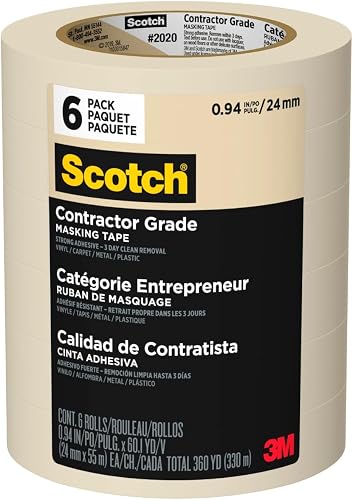
Scotch Contractor Grade Masking Tape 1 Inch
 Best for artwork and repositioning
ProTapes Artist Tape Flatback Printable Paper Board
Artist tape vs masking tape: what is the main difference?
Artist tape favors controlled removal, while masking tape often favors stronger adhesion. That difference affects paper, artwork, painted surfaces, wood and rough materials in different ways.
The ProTapes Artist Tape Flatback Printable Paper Board is repositionable, leaves no residue and has a paper surface that works with flexo inks, markers, pens and pencils. It is 1 in wide, 60 yd long and 5.9 mils thick.
Scotch Contractor Grade Masking Tape has a strong adhesive for indoor or outdoor use on non-damageable surfaces. It comes in 6 rolls, each 1 in wide and 60.1 yd long.
Neither label tells you everything about a surface. Artist tape can still lift a weak paper coating, and masking tape can remove cleanly when used on a suitable surface and removed within its stated time.
Artist tape vs masking tape for artwork
Artist tape is the better first choice for artwork because repositioning and clean removal are central to its design. Use light pressure when applying it, and remove it slowly instead of pulling upward.
Artist tape is useful for borders, temporary labels, paper layout and holding work in place while you mark or paint. Its white surface also gives you a visible area for notes or labels.
Masking tape can still help with art projects that use sturdy, non-damageable materials. Avoid assuming that a strong adhesive is harmless simply because the tape is sold for painting.
If you work with paper regularly, compare the options in our guide to the best masking tape for paper. Paper thickness, coating and how long the tape stays attached can change the result.
Which tape removes more cleanly?
Artist tape is the better choice when clean, repositionable removal is the main goal, while masking tape depends more on the surface and removal window. Pull either tape back slowly and keep the strip close to the surface.
ProTapes describes its artist tape as repositionable, clean-removing and residue-free. Those features suit temporary placement on paper and other indoor craft surfaces.
Scotch Contractor Grade Masking Tape has a clean-removal time of up to 3 days on interior surfaces. The tape should be lifted slowly and pulled back on itself at a 45-degree angle.
ScotchBlue Original Multi-Surface Painters Tape has a medium adhesive and a clean-removal window of up to 14 days. It is intended for smooth or lightly textured surfaces such as walls, trim, tile and glass.
The green Scotch Painter's Tape 2060 is designed for high adhesion on rough surfaces and removes cleanly within 3 days. That makes it useful where staying attached matters more than gentle removal.
How to remove tape from delicate surfaces
Remove tape slowly at a low angle, and stop if the surface begins to lift. A quick pull can tear fibers, lift coatings or remove loose media even when the tape itself is removable.
Start at one corner and pull the tape back over itself rather than straight up. Keep the strip close to the surface as it comes away.
For artwork or finished paper, test the tape on a scrap from the same material when possible. A test can reveal whether the surface coating, ink or fibers react before the finished piece is at risk.
Our guide to the difference between masking and painters tape explains why tape names alone do not tell you how an adhesive will behave.
Which tape has the right adhesion?
Choose artist tape for light, controlled attachment and masking tape for a stronger bond. The surface texture and the weight of what you are holding should guide the decision.
Artist tape is a good fit for paper layouts, temporary marks and artwork borders. Its repositionable design gives you more room to adjust placement before committing.
ScotchBlue uses a medium adhesive for smooth or lightly textured surfaces. Its bright blue color also makes the tape easy to see during application and removal.
Scotch Contractor Grade Masking Tape is the stronger option among these choices for general-purpose masking. Scotch says it is intended for non-damageable surfaces, including vinyl, carpet, metal and plastic.
The green Scotch Painter's Tape 2060 is the better match for challenging surfaces such as brick, stucco and concrete. High adhesion helps it stay in place where lighter artist tape may release too soon.
Does stronger adhesion mean better tape?
No. Stronger adhesion is useful only when the surface can tolerate it and the tape must stay attached.
A stronger tape can create more risk on fragile paper, old paint or loose finishes.
Use the lightest adhesive that will hold your work securely. That rule reduces the chance of surface damage and makes removal easier.
For a temporary paper border, artist tape usually makes more sense than a rough-surface masking tape. For exterior painting or textured construction surfaces, the balance changes toward a tape designed to hold firmly.
Which tape is best for laser projects?
Choose tape by the laser material and the job, not by the word “artist” or “masking” alone. Paper, wood, acrylic and finished surfaces can need different adhesion and removal behavior.
Artist tape may help with paper positioning, labeling or temporary layout. Do not assume it is suitable for laser heat, smoke or residue unless the tape is intended for that use.
For transfer tape settings and cutting guidance, see Best Laser Settings for Cutting Transfer Tape. The correct setting depends on the machine, material and tape thickness.
For wood engraving, a purpose-made laser masking tape is usually a more direct match. Our guide to Best Masking Tape For Laser Engraving focuses on that use.
Wood cutting also involves edges, smoke and hold-down needs. Compare the options in Best Masking Tape for Wood Laser Cutting before choosing a general painting tape for a laser job.
If you are preparing sheet goods rather than tape, our guide on How to Laser Cut Cardboard? covers the material and setup decisions that come first. For another sheet material, compare Mylar thickness for stippling stencils.
Which products fit each use?
ProTapes Artist Tape is the best fit here for artwork and paper, while Scotch Contractor Grade is the strongest general-purpose masking choice. ScotchBlue suits visible clean lines on smoother surfaces, and Scotch 2060 suits rough surfaces.
What should you choose for paper crafts?
Choose artist tape for finished paper and masking tape for sturdy paper tasks where stronger hold is more useful. Start with a small test because paper fibers and coatings vary.
Artist tape gives you more control when you need to adjust a border or remove a temporary guide. Its printable surface can also help with labels and project notes.
A general-purpose masking tape may hold a paper template more firmly, but that extra grip can increase the chance of tearing when the template comes off. Pull slowly and avoid leaving it attached longer than needed.
For craft projects that use a cutting machine, tape can also affect the mat, paper surface and cut edge. Match the tape to the material instead of using the strongest roll available.
Is painters tape different from masking tape?
Painters tape is a type of masking tape made for painting tasks, but the terms are not interchangeable for every surface. Painters tapes often emphasize clean lines and removal, while other masking tapes may prioritize adhesion or general protection.
ScotchBlue is designed for smooth and lightly textured surfaces, with a medium adhesive and a stated clean-removal window of up to 14 days. The green Scotch 2060 is aimed at rougher surfaces and higher adhesion.
Artist tape is a separate choice when the project needs repositioning, paper compatibility or a clean-looking border. The best tape depends on the surface and the removal plan.
Final choice for artist tape vs masking tape
Pick artist tape for artwork, paper and delicate temporary placement. Pick masking tape when you need stronger hold, outdoor use or coverage on a tougher surface.
For the gentlest decision, start with the lowest adhesion that will do the job. Move to ScotchBlue for visible masking on smooth surfaces, Scotch Contractor Grade for firm general-purpose coverage, or Scotch 2060 for rough surfaces.
If your project involves a cutting machine, compare the machine choice as well as the tape. Our Cricut Maker vs Explore comparison can help when you are choosing between those cutters.
Frequently asked questions
Is artist tape the same as masking tape?
Artist tape and masking tape are both pressure-sensitive tapes, but they serve different jobs. Artist tape is made for artwork, paper and clean repositioning, while masking tape often focuses on stronger hold for painting, construction or general surface protection.
Check the surface before choosing.
Can you use masking tape on artwork?
You can use masking tape on some artwork, but the adhesive may be stronger than you need for paper, finished surfaces or delicate media. Artist tape is the safer starting point when clean removal and repositioning matter.
Test any tape on an inconspicuous area first.
Is artist tape better than masking tape for paper?
Artist tape is usually better for paper because it is repositionable and designed for clean removal. Masking tape can work for temporary paper tasks, but stronger adhesive may increase the chance of tearing, lifting fibers or leaving residue when removed.
What tape should you use for laser engraving?
Use tape made for laser engraving when you need masking during engraving, and choose it by material, adhesion and removal behavior. Artist tape can suit some paper tasks, while a purpose-made laser masking tape is a better match for wood or other engraving surfaces.