Can You Laser Engrave Ceramic?
Yes, you can laser engrave some ceramic surfaces, but the glaze, coating, and laser setup affect the result. Test a matching spare piece first, and use a compatible marking spray only if your equipment and material guidance allow it.
On this page (10 sections)
- Can you laser engrave ceramic?
- Which ceramic surfaces can be engraved?
- Does ceramic need laser marking spray?
- How should you set up a ceramic engraving job?
- How do you test ceramic before engraving?
- What can go wrong when laser engraving ceramic?
- Which products can help with ceramic engraving?
- How do you choose a ceramic engraving method?
- How should you care for marked ceramic?
- Should you try laser engraving ceramic?
Yes, you can laser engrave some ceramic surfaces, but the result depends on the glaze, coating, and laser setup. Test a matching scrap piece first because one ceramic may mark clearly while another barely changes or cracks.
Ceramic includes glazed mugs, decorative tiles, plates, and unglazed pieces. Their surfaces respond differently to heat, so a setting that marks one object may leave a faint result or damage another.
Can you laser engrave ceramic?
You can laser engrave or mark certain ceramics, but compatibility varies by surface. A laser may change the glaze or surface, while a compatible marking spray can add contrast on some pieces.
“Engrave” can describe different results. Some processes remove or alter material; others leave a visible mark without cutting deeply into the ceramic.
Before starting, check both the laser maker's material guidance and the ceramic item's care instructions. If either warns against the process or doesn't support it, choose another marking method.
A matching test piece is the best way to judge the result. Use the same ceramic type, color, and finish as the final item, then adjust only within the equipment maker's guidance.
Which ceramic surfaces can be engraved?
Smooth glazed tiles, mugs, and similar ceramics may be markable, while unglazed pieces can respond differently. The finish matters as much as the object's shape.
Can you laser engrave glazed ceramic?
Some glazed ceramic can be laser marked, but heat may discolor, roughen, or crack the glaze. Test a hidden area or spare piece with the same finish before committing to a visible design.
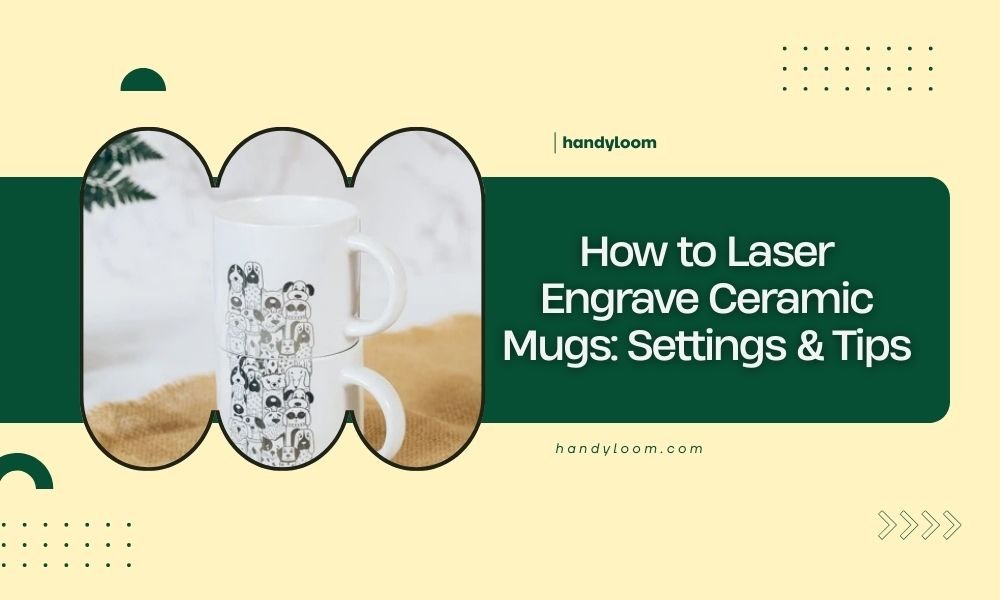
On a mug, you also need to account for the curved surface. The work area must stay positioned consistently as the mug turns, so consult our guide to laser engraving ceramic mugs for shape-specific setup considerations.
Can you laser engrave ceramic tiles?
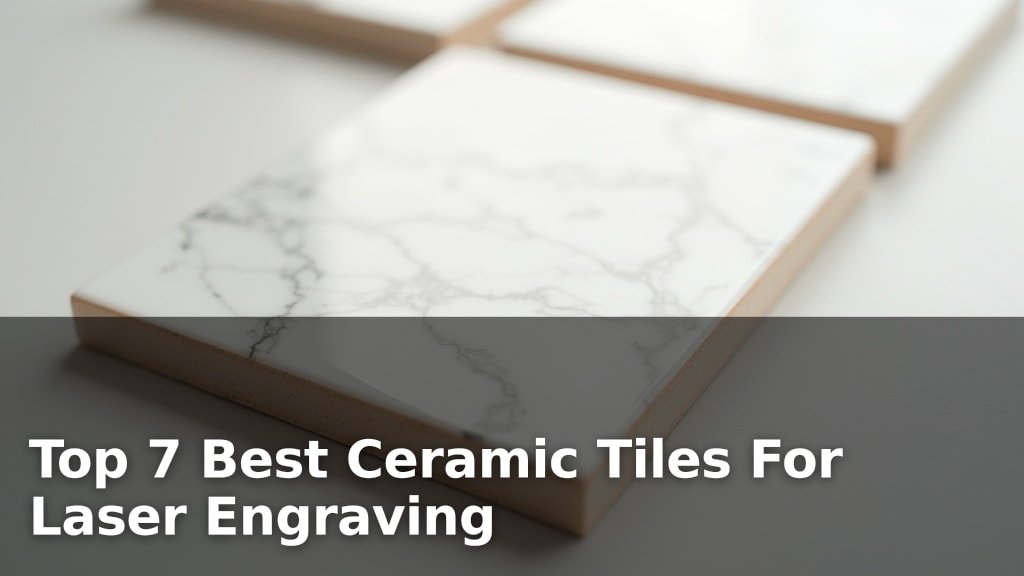
Yes, some tiles can be laser marked, and flat tiles are usually easier to position than curved objects. Glaze and color still affect contrast, so test a sample with the same finish.
Compare engraving tiles for laser work with ceramic tiles suited to laser engraving when choosing blanks. A spare tile from the same batch helps you check the result before using the one meant for the project.
What about unglazed ceramic?
Unglazed ceramic may not produce the same contrast as a glazed surface. Its porous texture can make a mark look uneven, so inspect a test under the lighting where the finished piece will be displayed.
Don't treat ceramic as one universal laser material. The clay body, finish, color, and any surface coating all affect the result.
Does ceramic need laser marking spray?
Some ceramic projects use marking spray to add visible contrast, especially when the bare surface marks faintly. Choose a spray made for your laser and material, then follow its application and cleanup directions.
Spray adds another step and can change the look and feel of the finished area. It may not suit a piece that needs an uncoated surface, so decide whether the added layer fits the object's purpose.
Test the spray and laser process together on a matching scrap. A coating can look even before engraving and still leave a weak or patchy mark afterward.
Read how ceramic laser marking spray is chosen and applied before selecting this route.
How should you set up a ceramic engraving job?
Set up around the ceramic's shape, keep it stable, and use a small test design before running the full artwork. Consistent focus and position matter because an uneven surface or a shifting object can make the result vary across the design.
Start with a clean, dry piece and remove dust or residue using a method that suits its finish. Don't use an aggressive cleaner or abrasive pad that could scratch the glaze before you begin.
For a flat tile, secure it so it cannot move during the job. For a mug or other curved piece, confirm that your setup can hold the object steadily and keep the engraving area aligned; use a rotary only if your machine instructions support that arrangement.
Keep the first design simple. A small line or filled shape is easier to judge than a detailed image, and it shows whether the chosen surface produces enough contrast before you spend time preparing artwork.
How do you test ceramic before engraving?
Test a spare piece with the same finish before engraving the final ceramic. This shows whether the surface marks, whether the contrast is useful, and whether heat causes visible damage.
- Check your laser's material guidance and the ceramic item's care instructions.
- Use a spare piece or an inconspicuous test area.
- Follow the laser maker's recommended starting settings.
- Inspect the mark for contrast, cracking, roughness, and changes around its edges.
- Adjust within the equipment guidance and test again before engraving the design.
Keep the test small and repeatable. Change one setting at a time so you can tell which change affected the result.
If a test piece isn't available, don't assume a similar-looking mug or tile will behave the same way. Different glaze, color, and coating can change the mark, so consider using a method with predictable results for that object instead.
What can go wrong when laser engraving ceramic?
The main problems are faint contrast, uneven marks, and heat damage to the finish. These happen when the surface and laser process don't suit the result you want.
A faint mark may mean the surface isn't responding as expected. Don't keep increasing power without checking the equipment guidance; excessive heat can crack or roughen the finish.
Uneven marks can come from differences in the surface, inconsistent focus, or a piece that shifts during engraving. Check that the object is stable and that the area stays within the machine's working range.
Don't assume a coating or paint is safe to laser just because it sticks to ceramic. Check its safety information and your laser maker's guidance before exposing it to heat.
If the surface cracks, chips, or changes in a way you don't want, stop and switch methods or materials.
Which products can help with ceramic engraving?
These products address related craft and repair tasks, not ceramic laser marking. None is described for use as a ceramic marking spray, so choose a purpose-made, compatible coating if your project needs one.
Crayola's black tempera paint is intended for absorbent surfaces and dries to a matte finish. It is not described as a laser marking spray, so don't substitute it for one.
Vallejo's spray primer is intended for model surfaces and has a matte finish. Its stated uses don't include ceramic, so check material compatibility before considering it for a ceramic project.
Bondo's two-part filler is intended for wood surfaces and can be sanded after curing. It's a repair material for wood, not a ceramic engraving material.
How do you choose a ceramic engraving method?
Choose a method based on the ceramic surface, the mark you want, and the guidance for your laser. Use a bare-surface process only when the equipment guidance supports it; consider a compatible marking spray when added contrast is needed.
If your goal is a decorative mark on a tile or mug, start with a spare matching piece and decide whether the test result is clear enough for the finished design. If the test is patchy or the surface shows damage, stop instead of trying to force a better result with more heat.
For ceramic blanks, prioritize consistency: matching finish and color across your pieces make test results more useful. If you plan a batch, test one blank from the same batch before setting up the full run.
If you're comparing methods across materials, ceramic behaves differently from wood. Our guides on whether you can laser engrave wood and how to laser engrave wood explain what changes when the surface is a different material.
How should you care for marked ceramic?
Use the ceramic item's care guidance after engraving, because the suitable cleaning method depends on the surface and mark. A mark on a coating may need different care from one that changes the glaze or ceramic itself.
Avoid assuming that a decorative ceramic item is suitable for food contact or repeated washing just because it has been engraved. If the item will hold food or drink, check its manufacturer care instructions and keep the design away from contact areas unless the item is specifically suitable for that use.
After a test, clean the piece gently and inspect the marked area before deciding whether the finish is acceptable. If the mark flakes, chips, or changes with gentle cleaning, don't rely on it for an item that will see frequent handling.
Should you try laser engraving ceramic?
Try it when you can test the same ceramic surface, follow your machine's guidance, and accept the test result before marking the final piece. A flat spare tile is a practical first choice because it's easier to position than a curved object.
Choose a bare-surface process if your test produces the contrast you want without damage. Consider compatible marking spray if you need more contrast and its instructions allow your setup.
Skip laser marking if the ceramic cracks, the mark stays too faint, or you can't verify that the coating is suitable.
For a ceramic project, the clearest answer to “can you laser engrave ceramic” is yes, sometimes, with a surface-specific test. Start with a matching sample, then choose the method that gives you a clean result you can safely use.
Frequently asked questions
Can you laser engrave ceramic without marking spray?
Sometimes. A laser may change the glaze or surface on some ceramics without spray, but the result depends on the material and laser setup.
Test a matching spare piece first.
If the mark is faint, a compatible marking spray may add contrast, as long as its instructions and your laser maker's guidance allow it.
Can you laser engrave glazed ceramic?
Yes, some glazed ceramics can be laser marked, but the glaze affects the result. It may change color, become rough, or crack under heat.
Run a small test on the same finish before engraving the final piece, and stop if the test shows damage or a mark you would not accept.
Is laser engraving ceramic permanent?
A laser can leave a lasting surface mark on some ceramics, but permanence depends on the material and process. A mark on a coating may behave differently from one made by changing the glaze or ceramic surface.
Test the finished piece and follow the care guidance for that item.
Can you laser engrave ceramic tiles?
Yes, some ceramic tiles can be laser engraved or marked, especially when you can test an extra tile with the same surface finish. Glaze, color, and coating can change the contrast.
Compare engraving tiles for laser work and ceramic tiles for laser engraving before choosing a blank.