Can the xTool M2 Laser Cut Mirrored Vinyl?
The xTool M2 should not laser cut mirrored vinyl unless xTool confirms that exact material is laser safe. Vinyl may release dangerous fumes, and a mirrored surface can change how the laser behaves.
On this page (9 sections)
- Can the xTool M2 laser cut mirrored vinyl safely?
- Why does mirrored vinyl create extra laser concerns?
- What should you check before using the xTool M2?
- Can ventilation make mirrored vinyl safe?
- What eye protection helps with an xTool M2?
- Should you wear a half-face respirator for vinyl cutting?
- What is the safest alternative to laser cutting mirrored vinyl?
- What should you do if you already cut mirrored vinyl?
- Can the xTool M2 laser cut mirrored vinyl?
The xTool M2 should not laser cut mirrored vinyl unless xTool confirms that exact material is laser safe. That caution applies even when the film looks thin, clean, and easy to handle.
Vinyl may contain chlorine-based compounds, and the reflective layer can change how laser energy behaves inside the machine. Heating those compounds can create fumes that are hard to judge by sight or smell.
The mirrored surface adds a second problem beyond the base film. It may reflect or scatter energy instead of absorbing it evenly, which can lead to uneven cuts or unwanted marks.
The adhesive layer can also soften under heat before the film is fully separated. That may leave residue where you do not want it, including on the bed or nearby surfaces.
The safer default is to cut mirrored adhesive vinyl with a vinyl cutter. A blade scores the film without relying on heat to burn through it.
A vinyl cutter suits craft users, small shops, and anyone making decals or lettering for regular use. It also avoids asking a laser to do a job it was not confirmed for.
That does not mean every vinyl product is identical. For another plastic-specific result, see PETG cutting without yellowing.
The maker may use different plastics, pigments, coatings, and adhesives across colors and finishes.
Because of that, a product name alone is not enough proof of laser safety. You need the exact composition and clear guidance from the material maker and xTool.
If that guidance is missing or unclear, treat the film as unsuitable for the M2. Choosing a blade process protects the machine and gives you more predictable results.
It also keeps the focus on the right question. The issue is not only whether the vinyl can be cut, but whether it should be cut that way at all.
Can the xTool M2 laser cut mirrored vinyl safely?
The answer is generally no for unverified mirrored vinyl. The word “vinyl” describes a material family, not one guaranteed formula, so the backing, adhesive, pigment, and mirror finish all matter.
Many vinyl products are made with PVC or other chlorine-containing compounds. Heating those materials can release corrosive fumes that may harm people and machine parts.
A mirrored finish adds another concern. The surface may reflect or scatter part of the beam instead of absorbing it evenly.
That can produce inconsistent cutting, unwanted marks, or energy reaching areas outside the intended cut path.
The xTool M2 model name alone does not provide a safe setting for every vinyl product. Confirm the exact material with both the material manufacturer and xTool before considering any laser use.
For broader material warnings, read Can You Laser Cut Vinyl?. Its main rule also applies here: never treat blade-cuttable vinyl as automatically laser-safe.
Why does mirrored vinyl create extra laser concerns?
Mirrored vinyl combines a thin film, adhesive, and reflective surface, so its behavior is harder to predict than plain paper or untreated wood. The visible color does not tell you what chemicals are inside the material.
The mirror layer may be a coating or laminated film. Under heat, that layer can discolor, blister, curl, or separate from the adhesive backing.
The adhesive can also soften before the film is fully cut. That may leave sticky residue on the bed, rollers, lens area, or nearby surfaces.
A clean-looking first cut does not prove that the fumes are safe. It only shows that the material responded to that particular heat exposure.
Do not confuse mirrored vinyl with mirrored acrylic. How to Laser Cut Mirrored Acrylic Without Damage covers a rigid sheet material with different construction and cutting limits.
What should you check before using the xTool M2?
Check the exact product label, safety data, and manufacturer guidance before putting mirrored vinyl into the machine. You need the material composition, not just its marketing name.
Look for the following information:
- The base plastic or film type
- Any PVC, chlorine, or halogen content
- The adhesive formulation
- The mirror coating or laminate
- Laser compatibility from the material manufacturer
- xTool guidance for the specific M2 configuration
- Ventilation requirements and disposal warnings
If the material does not clearly identify its composition, treat it as unsuitable for laser cutting. Do not rely on a color sample, a social media post, or a test scrap.
If the product is PVC or has unknown chlorine content, do not laser cut it. Our warning about [Is it Safe to Laser Cut PVC?
(Warning: Read Before Cutting)](/is-it-safe-to-laser-cut-pvc/) explains why this decision should come before speed, power, or focus settings.
Can ventilation make mirrored vinyl safe?
Ventilation cannot make an unsafe material safe to laser cut. An exhaust system may remove some smoke, but it does not change the chemistry of vinyl or remove every risk from the machine and work area.
Keep the xTool M2 in a properly ventilated workspace and follow xTool's instructions for exhaust and enclosure use. Never vent fumes into a room where people, pets, or sensitive equipment are exposed.
A respirator is not a substitute for material approval, machine ventilation, or source control. Respiratory protection also needs the correct cartridge, facepiece, fit, and use procedure.
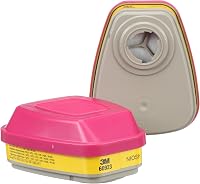
The 3M 60923 combines protection against certain organic vapors, acid gases, and non-oil and oil particulates. It fits compatible 3M 6000, 7000, and FF-400 Series half and full facepieces with bayonet connections, plus specified 3M Scott facepieces with the matching adapter.
It is not for immediately dangerous to life or health environments. Follow the cartridge and facepiece instructions, and use a properly fitted compatible respirator.
What eye protection helps with an xTool M2?
Use eye protection matched to the laser wavelength and the machine's enclosure guidance. See diode laser eye protection guidance for choosing suitable coverage.
Safety glasses must have suitable wavelength coverage and protection ratings for the equipment in use.
Do not choose eyewear because the lenses look dark or because the product is labeled for a different laser. Check the wavelength range, optical density, certification information, fit, and condition.
These goggles have a polycarbonate lens, TR90 frame, adjustable fit, wrap-around coverage, and 23% visible light transmission. The stated coverage includes ranges used with several diode, KTP, Nd:YAG, and other laser applications.
They are not proof that mirrored vinyl is safe to cut. Eye protection reduces exposure risk, but it does not solve fumes, reflected energy, residue, or material incompatibility.
Should you wear a half-face respirator for vinyl cutting?
A half-face respirator can only be considered after the material, cartridge, fit, and workplace controls are selected correctly. It should not be used as permission to laser cut unknown vinyl.
The facepiece has a silicone seal, a Cool Flow Valve, a low-profile design, and compatibility with 3M cartridges, filters, or supplied air systems as specified by 3M. Its head cradle has 3 size adjustments.
Choose a compatible cartridge or filter for the identified hazard. A facepiece without the right filter does not provide complete respiratory protection.
What is the safest alternative to laser cutting mirrored vinyl?
Use a vinyl cutter for mirrored vinyl and reserve the xTool M2 for materials confirmed as laser compatible. A blade can cut the film and adhesive without relying on heat to burn through the material.
Before cutting, confirm the vinyl's intended blade settings and whether it needs a cutting mat. Make a small blade test, weed the design carefully, and use transfer tape suited to the film.
Keep the liner flat and avoid cutting through it unless the material instructions call for that method. Clean adhesive residue with a method approved for the cutter and work surface.
For other questionable materials, Is Fabric Safe to Laser Cut? and Can You Laser Cut Insulation Foam? show why the base material and additives matter more than appearance.
What should you do if you already cut mirrored vinyl?
Stop the job, turn off the machine according to xTool's instructions, and ventilate the area. Do not continue cutting to finish a project if the material smokes, smells sharp, melts heavily, or leaves unusual residue.
Let the machine cool before inspection. Check the bed, lens area, exhaust path, and nearby surfaces for residue without touching unknown deposits with bare hands.
If anyone develops breathing trouble, eye irritation, or other concerning symptoms, move away from the exposure and seek appropriate medical help. For future work, identify the material before cutting and choose a blade-based process when the composition is uncertain.
Can the xTool M2 laser cut mirrored vinyl?
The xTool M2 should not laser cut mirrored vinyl unless the exact film is confirmed safe by the material manufacturer and xTool. That check needs to name the specific product, color, and finish you plan to use.
Pick a vinyl cutter for ordinary mirrored adhesive vinyl, and use the xTool M2 only with materials and settings approved for its specific model. Approval for one film does not carry over to another film from a different maker.
The key decision is not whether the vinyl can burn through. Many materials will burn, melt, or mark under a laser without being safe for that process.
It is whether the film, adhesive, mirror coating, fumes, residue, and reflected energy are acceptable for the machine and workspace. Each of those parts can behave differently under heat.
The base film matters first because it determines what is released when heated. A chlorine-containing base can create corrosive fumes that ventilation alone cannot make acceptable.
The mirror coating matters next because it can reflect or scatter the beam. That may produce inconsistent edges, discoloration, or energy reaching beyond the intended path.
The adhesive matters too, since it can soften, ooze, or leave residue before the cut finishes. Residue can affect later jobs, machine surfaces, and cleaning.
For hobby use, a vinyl cutter is usually the practical choice. It suits decals, signage, and layered designs without asking heat to separate a thin adhesive film.
For regulated or shared workspaces, the bar is higher. You should follow written material guidance, machine guidance, and workplace safety rules before considering any laser use.
If confirmation is not clear, stop and switch methods. That choice is safer than testing an unknown film just to see whether it cuts.
Frequently asked questions
Can the xTool M2 cut mirrored vinyl?
The xTool M2 should not cut mirrored vinyl unless the material maker and xTool confirm that exact product is suitable for laser cutting. Vinyl can contain chlorine-based compounds, while the mirror layer can reflect or scatter laser energy.
A vinyl cutter is usually the safer tool for this material.
What happens if you laser cut vinyl?
Laser cutting vinyl can create irritating or dangerous fumes, damage the machine, and leave residue on the work area. The risk depends on the vinyl formulation, not just its color or finish.
Never assume craft vinyl is laser safe because it cuts cleanly with a blade.
Is mirrored vinyl the same as mirrored acrylic?
No. Mirrored vinyl is a thin adhesive film, often used for decals, while mirrored acrylic is a rigid plastic sheet with a reflective surface.
Their coatings and backing materials differ.
A setting that works for mirrored acrylic does not prove that mirrored vinyl is safe for an xTool M2.
What should I use instead of a laser for mirrored vinyl?
Use a vinyl cutter or cutting machine approved for adhesive vinyl, then weed and apply the design with the correct transfer method. This avoids heating the vinyl with a laser.
Check the material instructions for blade settings, cutting pressure, ventilation, and surface compatibility.