What Wood Thickness Should You Use for Laser Cut Purses?
Start with 1/8 in wood for most laser cut purses. Use thinner sheets for flexible panels and small details, or thicker wood when the purse needs a firm body and stronger attachment points.
On this page (12 sections)
- What is the best wood thickness for laser purses?
- How does thickness change purse strength and weight?
- When should you use 1/16 in wood?
- Is 1/8 in wood the best middle ground?
- When does thicker wood make sense?
- How should the purse design affect your thickness choice?
- How do you test wood thickness before the final cut?
- How should you prepare and finish laser cut purse panels?
- Can you use other materials for purse panels?
- Which wood thickness should you choose for a first purse?
- What products can help with a laser cut wood purse project?
- Final thickness rule for laser cut purses
Start with 1/8 in wood for most laser cut purses. It gives a purse body useful stiffness without making every panel heavy, while 1/16 in sheets suit flexible sections and layered details.
The best wood thickness for laser purses depends on the purse shape, how the panels connect and whether the finished piece should flex. A small structured clutch can use thicker panels than a soft-looking foldover design.
Your laser's power, lens, air assist and focus also affect the cut. Use the machine maker's settings as a starting point, then make a small test grid on the same wood before cutting the final pieces.
What is the best wood thickness for laser purses?
1/8 in is the safest starting point for a structured laser cut purse. It works well for a firm front, back and base when the design does not depend on tight folds.
Use these thickness bands as design starting points:
| Wood thickness | Best use | Main trade-off |
|---|---|---|
| 1/32 to 1/16 in | Flexible panels, overlays and light decorative work | Easier to bend, but easier to crack or bow |
| 3/32 in | Smaller purses and detailed panels | A middle ground for detail and stiffness |
| 1/8 in | Structured bodies, bases and firm side panels | Stronger, but less flexible |
| 3/16 in and thicker | Frames, bases or heavy structural parts | More rigid, heavier and harder to fit with small hardware |
Thickness is only one part of the decision. A wide panel with no support can flex even when it is thicker, while a thin panel with ribs, slots or a backing layer can hold its shape better.
For most first projects, cut one body panel in 1/8 in material and one in 1/16 in material. Compare how each panel handles around the clasp, strap holes and side seams before committing to the whole purse.
How does thickness change purse strength and weight?
Thicker wood usually gives a firmer purse, while thinner wood keeps the design lighter and easier to flex. The right balance depends on whether the purse is meant to hold its shape or move with the contents.
A thick sheet can help a flat clutch resist bending during normal handling. It also gives more material around holes and slots, which can matter when a strap, ring or clasp attaches directly to the wood.
The trade-off is extra weight and less movement. A thick panel may also make the finished purse feel bulky when several layers overlap at an edge.
Thin sheets reduce weight and can follow a curve more easily. They need more care around narrow bridges, sharp inside corners and small holes because those areas remove material from an already light panel.
Do not judge strength by thickness alone. A purse with four thin, well-supported panels may be more practical than one thick panel forced into a sharp bend.
When should you use 1/16 in wood?
Choose 1/16 in wood when the purse needs light panels, gentle flexing or a layered construction. It can suit decorative fronts, small purses and designs where a separate frame provides the main support.
Thin material is useful when the pattern includes repeated slots or openwork. The remaining bridges need enough width to survive cutting, sanding and assembly.
Keep the design simple around attachment points. If a strap hole sits close to an outside edge, add more surrounding wood or move the hole inward.
A thin sheet has less room for error when the hole removes part of the panel.
Thin wood can also work as a decorative skin over a stronger backing. This lets you cut a detailed pattern into the surface without asking the patterned sheet to carry the entire structure.
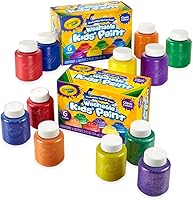
The Crayola set contains 12 2 oz washable paints, with 6 classic colors and 6 glitter colors. Its title specifies ages 3 and up, and the paint is intended for arts and crafts.
Apply paint only after the laser-cut surface is clean and safe to handle, and follow the wash and care instructions.
Thin wood is not automatically better for every purse. If the panel bows when you lift it by one edge, add a frame, backing or stronger connection instead of simply cutting the same shape again.
Is 1/8 in wood the best middle ground?
For many laser cut purses, 1/8 in is the most practical first material to try. It offers a firm panel while leaving enough room for common slots, holes and decorative cutouts.
This thickness suits a purse with separate front, back, side and base pieces. Those parts can stay mostly flat, so the material does not need to bend sharply during assembly.
It also gives you a useful surface for engraving. For another way to use engraved wood, see relief printing from laser engraving.
Keep engraved areas away from narrow bridges and high-stress holes, because removing material can weaken an already detailed panel.
The exact measured thickness may vary by sheet. That matters when your design uses press-fit joints, stacked layers or hardware sized for a specific edge.
Measure the actual sheet with calipers before finalizing slot widths.
If your purse uses a fold line, do not assume a full-depth cut will create a reliable hinge. A living hinge, separate hinge pieces or a flexible backing may be safer, depending on your design and machine settings.
For more ideas on choosing wood thickness for engraved surfaces, read what is the best wood thickness for laser engraving. Engraving depth and cut-through design have different material needs, so do not copy one setting directly into the other.
When does thicker wood make sense?
Use 3/16 in wood or a thicker part when the purse needs a firm frame, base or attachment block. It can help in a large structured design, but it is rarely the best choice for every panel.
A thicker base may reduce flex when the purse sits on a table. A thicker frame can also give a clasp or handle more material to grip.
For a wooden purse accent or closure, see how to make laser-cut wooden buttons.
The added thickness changes the edge profile. It may make side seams stand proud, reduce the opening size or require longer hardware.
Draw the assembled edge before cutting so you can see how the layers meet.
Thicker sheets can also require more laser power or slower cutting. Use a test piece, inspect the cut edge and confirm that the machine is designed for the material thickness.
Avoid using thick wood just to make a purse feel stronger. A strong design spreads stress through frames, tabs and wide connection areas.
Extra thickness adds weight if the structure does not need it.
How should the purse design affect your thickness choice?
Design the purse around the wood thickness instead of choosing a sheet after the pattern is finished. Panel size, curve radius, slots, grain direction and hardware all change how the material behaves.
See laser-cut artwork techniques when planning the design.
Flat structured purses
A flat structured purse can usually start with 1/8 in panels. The front and back remain rigid, while separate side pieces create the depth.
Leave a sensible border around the outside edge and all cutouts. Very narrow borders may look delicate on screen but can break during sanding or assembly.
Use a dry fit before adding glue or hardware. The finger-joint desk organizer guide shows another project that depends on fitting cut pieces together.
Check whether the pieces sit flush and whether the opening remains large enough for the lining and closure.
Curved or foldable purses
A curved purse usually needs thinner material or a segmented construction. Use 1/16 in wood, narrow slats or separate hinged pieces when the body must follow a curve.
Do not force a flat thick panel around a tight bend. The wood may split, the outer face may crack or the joints may pull apart.
Test the curve with a small strip first. Mark the grain direction and repeat the test with the same orientation planned for the purse panels.
A flexible backing can provide support while allowing movement. Keep adhesives and finishes away from hinge gaps until you know the parts move freely.
Openwork and lattice purses
An openwork purse needs enough material left between cutouts. Thin wood can create a light look, but large openings may leave weak bridges.
Start with wider bridges than your final design needs, then reduce them after a test cut. Check the smallest inside corner because sharp corners can concentrate stress.
If the pattern has many small openings, 1/8 in may provide a safer starting point than 1/16 in. The thicker sheet gives the remaining structure more support, although it may need more cutting time.
How do you test wood thickness before the final cut?
Cut a small sample that includes the hardest parts of the purse. A simple square cannot tell you how a hinge, strap hole or narrow bridge will behave.
Include a short section of every important feature:
- One outside corner
- One inside corner
- The smallest cutout
- A strap or clasp hole
- One slot or tab joint
- A short curve or hinge section
- A plain area for engraving or finish testing
Measure the sheet before testing. Record the actual thickness, wood type, grain direction and machine settings in your project notes.
After cutting, check the edges for incomplete cuts, heavy charring and loose fibers. A clean-looking top face does not prove that a slot is the correct size for assembly.
Flex the sample gently rather than bending it until it fails. You are checking how much movement the design allows, not trying to find the breaking point of the whole sheet.
If the cut is incomplete, confirm focus and material placement before increasing power. If the edge is badly burned, review speed, air assist and masking with the machine's instructions.
How should you prepare and finish laser cut purse panels?
Clean, sand and finish the panels only after you confirm that the pieces fit. Finishing too early can change slot fit and make adjustments harder.
Dry-fit every panel first. Check the clasp opening, strap holes, lining space and any moving section.
Sand the edges enough to remove loose fibers, but do not round small joints that need to meet squarely. Keep the panel faces flat if they are designed to sit against a frame.
Use a finish that matches the purse's intended use and the material. Test it on a scrap from the same sheet because paint, stain and clear finishes can change the color of the cut edge.
If you want a painted accent, apply thin coats and keep finish out of hinge gaps and press-fit slots. Let each coat dry according to its product instructions before assembly.
A personalized wood panel can also become a decorative gift project. The DIY guide to make laser cut wood jewelry covers related design choices for small wood pieces, including how scale affects delicate details.
Can you use other materials for purse panels?
Wood is only one option, and the best material depends on the look, flexibility and construction method you want. Some designs work better with leather, fabric, acrylic or a layered combination.
Leather can create a softer purse body than rigid wood. It also changes how you plan holes, seams and edge finishing.
For project ideas, see leather laser engraving ideas.
Do not cut a material just because it looks similar to wood. Unknown plastics, treated boards and composite sheets can release harmful fumes or damage equipment.
Confirm the material is laser-safe before cutting.
Balsa is light and easy to shape, but its low density can make small tabs and attachment points fragile. Read can you laser cut balsa wood before using it for a purse body.
A layered design can combine a thin decorative wood face with a stronger backing. Make sure the layers use compatible adhesives and that the final edge thickness still fits the clasp and lining.
Which wood thickness should you choose for a first purse?
Choose 1/8 in for a flat, structured first purse, 1/16 in for a lighter or more flexible design, and thicker wood only for parts that need extra rigidity.
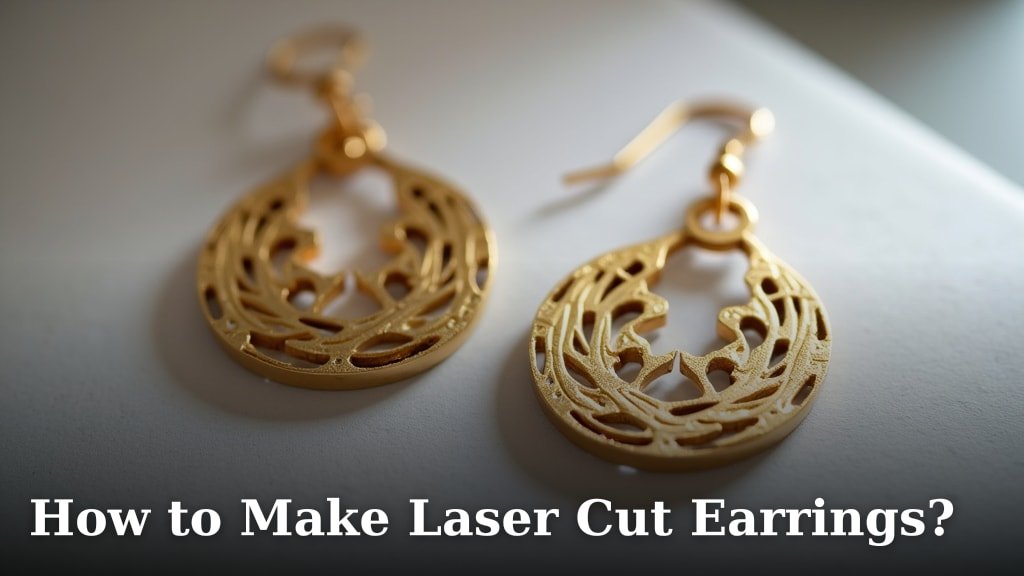
Use a sample cut to check the actual sheet, the smallest details and the fit of your hardware. If you want a coordinated craft finish, the guide to how to make laser cut jewelry can help you think through scale and small-part design.
A good thickness choice balances strength, weight and bendability. Pick the thinnest sheet that keeps the purse stable, protects the attachment points and supports the shape you want after assembly.
What products can help with a laser cut wood purse project?
These products support related finishing and personalization tasks, but they do not replace material testing or safe laser setup.
This cutting board is made from bamboo and includes grooves and side handles. Its care instructions specify hand washing only, so keep that care requirement in mind if you use it as a reference for finished wood gift projects.
The Barika board is rectangular, made from wood and designed for personalized engraving with 4 text inputs. It is intended for hand washing, and its listed uses include bread, cheese, fruit, meat and vegetables.
For a small purse, these larger boards are reference products rather than direct purse materials. Their dimensions can help you think about engraving scale and layout, but a cutting board's thickness is not a reason to use the same thickness for a wearable item.
Final thickness rule for laser cut purses
The best wood thickness for laser purses is usually 1/8 in for a firm body, 1/16 in for flexible sections and thicker stock for selected frames or bases. Let the design decide where rigidity matters and where movement matters more.
Cut a test section with the smallest holes, narrowest bridges and hardest bend. Then choose the lightest material that survives fitting, finishing and normal handling without losing the purse's shape.
Frequently asked questions
What is the best wood thickness for laser purses?
Start with 1/8 in wood for most laser cut purses because it gives the body more stiffness than very thin veneer while remaining manageable for small panels and hardware holes. Use thinner material for flexible sections and thicker material only when the design needs extra rigidity.
Can a laser cut 1/16 in wood for a purse?
A laser can cut 1/16 in wood, but the thin sheet is better suited to light panels, decorative layers and flexible sections than a large unsupported purse body. Add a backing, frame or layered construction if the finished panel bends more than your design allows.
Is 1/8 in plywood too thick for a laser cut purse?
1/8 in plywood is not too thick for many laser cut purses, but the final design matters. Check the hinge, fold, slot and hardware details before cutting.
A rigid rectangular purse can suit this thickness, while a curved or foldable design may need thinner wood.
How do you make laser cut wood purse panels bend?
Use thinner material, narrow repeating slots or separate hinged panels to create bendability. Keep enough wood around holes and slots for strength, then test one small section before cutting the full purse.
The grain direction and plywood construction also affect how a panel flexes.
What wood works best for laser cut purses?
Choose a flat, consistent sheet with a clean surface and a thickness that matches the purse structure. Birch plywood, veneer and other laser-safe sheet goods are common starting points, but confirm the material is approved for your machine and never cut unknown plastics or treated wood.