Fiber vs UV Laser: Which Should You Choose? (November 2026)
Choose fiber for metal and UV for glass, plastic and fine detail. In a fiber vs UV laser comparison, your main material decides the winner, since fiber handles deep metal work and UV handles cold marking on delicate surfaces.
On this page (11 sections)
- Fiber vs UV laser: the quick verdict
- Fiber vs UV laser side by side
- Which materials decide fiber vs UV laser?
- Which laser gives cleaner detail on glass and plastic?
- How fast is fiber vs UV laser for real jobs?
- What work area and setup should you expect?
- How do safety rules differ for fiber and UV lasers?
- What about cost, upkeep and machine size?
- Who should buy a fiber laser?
- Who should buy a UV laser?
- Fiber vs UV laser: the final verdict
Choose fiber for metal and UV for glass, plastic and fine detail. This fiber vs UV laser comparison comes down to material first, since fiber machines excel at metal and UV machines excel at cold marking on delicate surfaces.
Fiber lasers use a fiber amplifier and work well at about 1064nm. UV lasers work at a much shorter wavelength near 355nm.
That shorter wavelength lets UV light break bonds in many materials with less heat, while fiber puts more energy into metal.
UV laser vs fiber laser is not a simple contest of power. A lower-power UV machine can beat a stronger fiber machine on glass.
A stronger fiber machine can beat a UV machine on steel by a wide margin.
We compared the machines around these two laser types, the materials each one handles and the jobs buyers most often bring home. Our score weighs specs, features and buyer feedback against what you are shopping for.


Fiber vs UV laser: the quick verdict
Fiber wins for metal, UV wins for delicate materials. If 80 percent of your work is metal, choose fiber.
If 80 percent is glass, plastic or ceramics, choose UV.
Fiber lasers handle deep engraving, cutting thin metal and color marking on metals. They also tend to offer more power for the money in desktop and industrial machines.
UV lasers handle fine detail on glass, plastic, printed circuit boards, ceramics and some polymers. They leave less heat damage, so small text and sharp edges stay cleaner.
Neither type replaces a CO2 laser for wood, fabric and clear acrylic. Many buyers cross-shop all three, so our fiber vs co2 vs uv laser guide helps you place each type before you narrow the choice.
Fiber vs UV laser side by side
Fiber focuses on metal power; UV focuses on cold, fine marking. The table below shows the practical split in plain terms.
| Point | Fiber laser | UV laser |
|---|---|---|
| Main strength | Metal engraving and cutting | Glass, plastic and fine detail |
| Typical wavelength | About 1064nm | About 355nm |
| Heat effect | Higher heat on the work area | Lower heat on many materials |
| Deep metal work | Strong | Limited by power and cost |
| Glass marking | Often needs coating or treatment | Often cleaner on clear glass |
| Plastic marking | Varies by plastic type | Often cleaner edges |
| Price for power | Lower cost per watt | Higher cost per watt |
Fiber lasers are common in desktop engravers and industrial marking stations. UV lasers cost more per watt, so buyers usually choose them for a clear material reason.
Our earlier fiber vs co2 laser comparison covers the other common choice for wood and acrylic. Read it if your work mixes metal with natural materials.
Which materials decide fiber vs UV laser?
Your main material should make this choice for you. Metal points to fiber, while glass and many plastics point to UV.
Fiber lasers engrave gold, silver, copper, stainless steel, brass and titanium. They can also cut thin sheet in some machines.
The xTool F1 Ultra uses a 20W fiber laser for metal and a 20W diode laser for wood, acrylic, leather, glass, rubber and fabric.
UV lasers mark glass without the same heat stress. They also suit ceramics, printed circuit boards, some plastics and delicate coatings.
Small text on a phone case or a clear bottle often looks cleaner with UV.
Fiber laser materials in daily use
Fiber lasers suit jewelry, tools, tags, coins, metal cards and industrial parts. They can create deep text, logos and photos on metal.
Thin stainless steel, brass and aluminum can also be cut in suitable machines.
The xTool F1 Ultra can cut up to 0.3mm stainless steel, 0.4mm brass and 0.2mm aluminum with its fiber laser. Its diode laser can cut up to 15mm wood and 12mm black acrylic.
That mix helps buyers who switch between metal and craft materials.
UV laser materials in daily use
UV lasers suit clear glass, ceramics, some plastics and materials that melt or crack under heat. They can mark bottles, lenses, circuit boards and fine plastic parts.
They also suit jobs where edge quality matters more than depth.
A UV laser usually costs more for less raw power. Buyers pay that premium when fiber leaves rough edges, cracks or discoloration on delicate stock.
Which laser gives cleaner detail on glass and plastic?
UV usually gives cleaner detail on glass and plastic. Fiber can work on treated or coated surfaces, but UV often keeps edges sharper with less heat.
Heat spreads inside a material while a fiber laser marks it. On glass, that heat can cause tiny cracks or a frosted look.
On plastic, it can melt edges or change color in ways you may not want.
UV light interacts with many materials at a molecular level. That process can create fine marks with less thermal stress.
It is a common choice for electronics, medical parts and high-end consumer products.
Best fiber laser for metal work
Fiber remains the best choice for metal detail that needs depth. It can darken metal, create color effects and cut thin sheet.
Our picks for the Best Fiber Laser For Metal focus on that strength.
The xTool F2 uses a 5W infrared laser for deep, dark color marking on metal. Its 15W diode laser handles 3D embossing and thicker craft materials.
It is a different tool from a 20W fiber machine, but it suits portable metal marking and small-batch work.
How fast is fiber vs UV laser for real jobs?
Fiber is usually faster for metal; UV is usually better for fine marks on delicate stock. Speed depends on depth, detail and material, not just the headline top speed.
A fiber laser can engrave a metal tag in seconds. It can also run batch jobs on a conveyor where each part takes only a few seconds.
The xTool F1 Ultra reaches up to 10,000mm/s and offers a 220mm x 220mm working area.
UV lasers move more slowly on deep jobs because they focus on precision. Their value comes from clean results on materials that fiber marks too roughly.
A slow pass that leaves a clean mark beats a fast pass that cracks the part.
The xTool F2 reaches up to 6000mm/s. xTool says a card engraving can take about 3 seconds. That speed helps with events, markets and small-batch personalization.
What work area and setup should you expect?
Fiber machines often offer larger, more powerful desktop setups; UV machines often focus on precision work areas. Check the work area against your largest part before you buy.
The xTool F1 Ultra offers a 220mm x 220mm area. With the auto conveyor, sold separately, it can expand to 220mm x 500mm.
That setup suits batch work where parts keep moving through the machine.
The xTool F2 weighs only 4.6 kg. Its small size suits fairs, pop-ups and shared workshops.
A built-in 50MP camera helps you place small pieces with up to 0.1mm alignment accuracy.
A UV laser workspace can be smaller because the head and optics need tight control. Larger UV work areas do exist, but they tend to cost more.
Measure your largest glass, plastic or ceramic part first.
How do safety rules differ for fiber and UV lasers?
Both need Class 4 safety care, but UV adds eye and skin risks from invisible light. Never treat either laser as a toy or a pointer.
Fiber lasers can cause severe eye injury and burns. UV lasers can also harm eyes and skin, and you cannot see the beam to judge exposure.
Use an enclosed machine and protective glasses rated for the exact wavelength.
The HITEKK High Power Green Laser Pointer shows why pointer lasers are different. It is a rechargeable pointing tool for presentations and stargazing, with a carrying case and water-resistant build.
It cannot engrave or cut materials.
The HAUSBELL Flat EDC Flashlight also shows the difference. It has a 365nm UV light for inspection and a red laser for pointing.
That UV light can help find stains or check IDs, but it cannot mark glass or plastic like a UV engraving laser.
What about cost, upkeep and machine size?
Fiber usually gives more power per dollar; UV costs more for precision. Total cost also depends on the enclosure, camera, conveyor and spare parts.
A fiber laser machine can offer 20W of metal power at a lower price than a UV machine with a fraction of that power. UV optics and crystals also need careful care and can cost more to service.
The xTool F1 Ultra weighs 43.8 pounds and measures 18 x 17 x 24 inches. It is a bench machine, not a portable tool.
Its 1-year warranty and 16MP camera add to the package for shop use.
The xTool F2 weighs about 10 pounds in package terms and 4.6 kg as a machine. It arrives fully assembled and includes a machine, base plate and base material kit.
That portability can matter more than raw power for event work.
Who should buy a fiber laser?
Buy fiber if metal, jewelry, tags or industrial marking is your main work. Fiber also suits buyers who want depth, cutting and strong resale value.
A fiber laser suits a shop that engraves tools, metal cards, pet tags and tumblers. It also suits a maker who sells metal signs, keychains and jewelry.
Deep text and logos hold up well on metal.
The xTool F1 Ultra suits buyers who need fiber power plus diode versatility. Its dual lasers cover metal, wood, acrylic, leather and more.
It also supports 3D embossing and deep engraving on metal, wood and rock.
The xTool F2 suits buyers who need portable metal marking. Its 5W IR laser creates dark color marks on metal, and its 15W diode laser handles craft materials.
It is a strong fit for on-site work.
Who should buy a UV laser?
Buy UV if glass, plastic, ceramics or fine electronics work is your main job. UV is a specialist choice, so buy it for a clear material reason.
A UV laser suits a maker who marks clear bottles, glassware, circuit boards and plastic parts. It also suits a shop that needs small text with clean edges on stock that melts or cracks.
Do not buy UV just for the name. A UV flashlight or pointer cannot do this work.
Our guide on How to Choose a Laser Engraver: A Complete Buying Guide helps you match machine type to material before you spend.
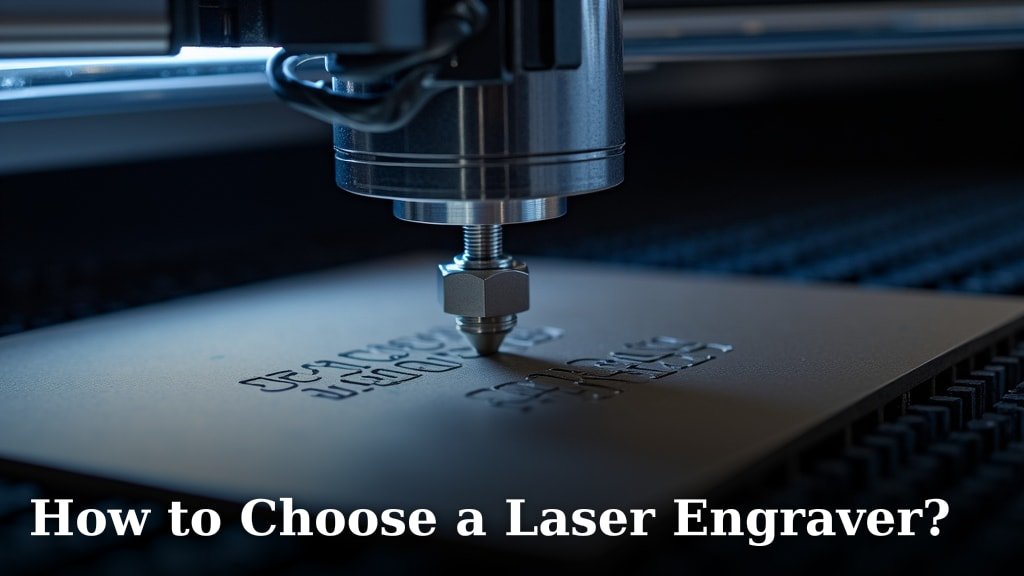
You can also start with How to Choose a Laser Engraver? if you want a shorter buying checklist. List your top 5 materials, then choose the laser that handles the hardest one.
Fiber vs UV laser: the final verdict
Pick fiber for metal and UV for glass, plastic and fine detail. That rule settles most fiber vs UV laser decisions for home shops and small businesses.
Buy fiber when metal depth, cutting and batch speed matter. The xTool F1 Ultra is the stronger all-around pick here because its 20W fiber laser covers metal and its 20W diode laser covers common craft materials.
Buy UV when heat damages your stock or when small marks on glass and plastic must stay clean. Accept the higher cost per watt because the material results justify it.
If your work splits between metal and wood or acrylic, a dual-laser machine may beat both a pure fiber and a pure UV setup. Check your material list, your largest part and your safety space, then choose the laser that fits those three things.
Frequently asked questions
Is a UV laser better than a fiber laser?
A UV laser is better for glass, plastic, ceramics and very fine detail where heat can crack or melt the surface. A fiber laser is better for metal, deep engraving and cutting thin metal sheet.
Most buyers should let their main material make the choice.
Can a fiber laser engrave glass and plastic?
A fiber laser can mark some coated or treated glass and some plastics, but results vary by material and finish. A UV laser usually gives cleaner edges on glass and plastic because it works with less heat.
Test a sample of your exact material before you buy either type.
Which laser is faster for metal?
A fiber laser is usually the faster choice for metal engraving because it is built for that work. The xTool F1 Ultra reaches up to 10,000mm/s at 20W for fiber marking.
Speed still depends on depth, detail and the metal itself.
Do I need a UV laser for tumblers and bottles?
Most tumbler work is handled by fiber or infrared marking on coated metal, not by a UV laser. A UV laser can suit clear glass and some plastics where a fiber mark looks rough.
Check our guide to the Best Fiber Laser For Tumblers if coated metal is your main job.
What safety steps matter most with either laser?
Treat both fiber and UV engraving lasers as Class 4 tools and use an enclosed machine with eye protection rated for the wavelength. Keep laser safety glasses on during setup and viewing, vent fumes outside the room and never leave a running job unattended.