Can You Wax Laser Engraved Acrylic Sheets?
Yes, you can wax some laser engraved acrylic sheets, but only as a light surface finish. Wax will not fill deep engraved recesses evenly, so paint fill or a sealed two-ply sheet often gives a cleaner result.
On this page (10 sections)
- Can you wax laser engraved acrylic sheets safely?
- What does wax actually do on engraved acrylic?
- Can you wax laser engraved acrylic sheets with deep recesses?
- How does wax compare with paint fill for engraved acrylic?
- Which acrylic types respond best to wax?
- How do you wax engraved acrylic without dulling it?
- What should you avoid when waxing laser engraved acrylic?
- Can a 2W IR laser engraved clear acrylic sheet be waxed?
- Which products help you choose the right acrylic before waxing?
- Can you wax laser engraved acrylic sheets, and which finish should you pick?
Yes, you can wax laser engraved acrylic sheets for a light sheen, but wax is a finish, not a fill. It works best on flat areas and shallow engraving, while deep recesses need paint or a contrasting core.
We checked the specs for common acrylic types to see where wax helps. Test a scrap, apply wax thin, and do not expect wax to make shallow engraving look dark or bold.
Can you wax laser engraved acrylic sheets safely?
Yes, you can wax most smooth acrylic sheets if you keep the coat thin and avoid heat. Wax sits on the surface and in shallow lines, then you buff it to a soft shine.
Acrylic is harder than wood, so it does not soak up wax. Less goes in, and more stays on top.
Use a small amount on a soft cloth. Work in one direction, then buff with a clean cloth.
Stop if the surface turns cloudy, since extra wax is likely the cause.
Keep wax away from masking, adhesive, and printed areas. Some coatings can feel slick after wax, which may affect later assembly.
What does wax actually do on engraved acrylic?
Wax mainly adds a thin film and a little depth to engraved lines. It can make light frosted engraving look slightly darker, but the effect is subtle.
On clear acrylic, laser engraving creates a frosted area that scatters light. Wax can reduce that frost in spots where it builds up.
The result may look uneven if you use too much.
On colored acrylic, wax can deepen the tone of the engraved area. It will not add new color, and it will not match paint fill for contrast.
Think of wax as a top coat for signs and nameplates. If your goal is readable text from across a room, color fill is a stronger choice.
Can you wax laser engraved acrylic sheets with deep recesses?
Waxing deep recesses is possible, but it rarely looks clean. Wax builds up in corners and along steep walls, so fine lines can fill in and lose detail.
Deep engraving holds more wax than flat acrylic. That trapped wax can turn white or dull as it ages.
It can also feel tacky in warm rooms.
If you still want to try it, use a very small amount and push it in with a soft brush, then wipe the surface clean.
Check the piece after it cools. If small text looks blurry, remove the wax and switch to a different finish for that design.
How does wax compare with paint fill for engraved acrylic?
Paint fill wins for strong color in engraved areas. Wax wins for a simple, low sheen coat with no color change.
Paint sits in the recess and reads from a distance. Wax is nearly clear, so contrast depends on the acrylic color and the frosted engraving.
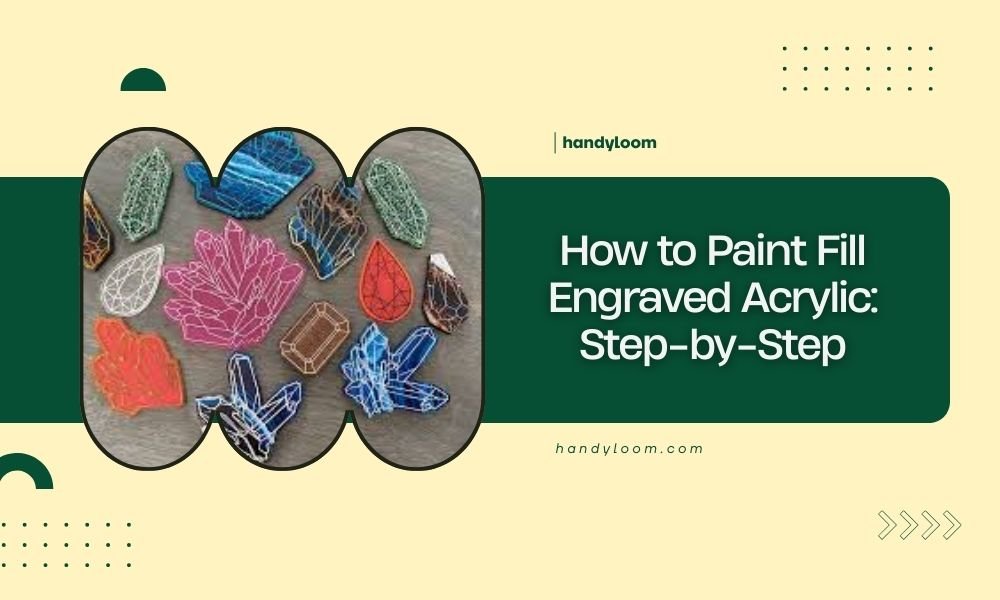
Our guide to How to Paint Fill Engraved Acrylic: Step-by-Step covers masking, paint choice, and cleanup. It suits signs, logos, and text that must stay readable.
Wax is faster for a plain sign with a shallow logo. Paint is better for dark lines on clear acrylic or white lettering on black acrylic.
You can wax flat areas after paint has fully dried. Test that order on a scrap first, since some waxes dull fresh paint.
Which acrylic types respond best to wax?
Smooth cast or extruded acrylic blanks usually take wax best. They have a hard, flat surface that buffs to an even sheen.
Two-ply engraving sheets need more care. The top layer is thin, and engraving reveals a contrasting core below it.
Wax can look fine on the surface, but heavy buffing may wear the top layer.
The Trotec TroLase sheet is a 12 in x 24.25 in two-ply modified acrylic in black over white, 0.06 in thick, with a stated engraving depth of 0.003 in. Trotec says it is tested for high-speed laser engraving and for CO2 and diode lasers.
A 12 in x 24.25 in black over white two-ply sheet, 0.06 in thick, where engraving reveals the white core.
For this type of sheet, wax the flat black surface only if you need a sheen. Do not expect wax to improve the white core that shows through the engraving.
Clear blanks for LED bases are another common choice. They are thinner and shaped for display work, so they need a lighter hand.
The Bucherry set has 20 clear acrylic blanks, about 2.0 mm thick, in several shapes, with protective film on both sides. Bucherry says the sheets resist water, alcohol, oil, and dilute acid staining, and they can be cut with laser or saw.
Twenty clear 2 mm acrylic blanks in several shapes, with protective film to remove before engraving.
Remove the film before engraving, then test wax on one blank. Thin blanks can show every streak, so buff in straight lines and keep the coat very light.
How do you wax engraved acrylic without dulling it?
Start with a clean, dry sheet. Dust and laser residue make wax look cloudy, so wipe the surface with a dry soft cloth first.
Apply a pea-size amount of paste wax to a soft cloth, not directly to the acrylic. Spread it thin across the flat area, then pause for a few minutes.
Buff with a second clean cloth until the sheen looks even. Turn the cloth often so you do not spread the same wax back over a clean area.
Work in small sections on large sheets. That helps you see streaks before they cover the whole surface.
How do you wax small engraved details?
Use a soft brush for text and fine lines, not a pad. A brush pushes wax into shallow cuts without loading them as much as a cloth.
Wipe the flat surface clean right after brushing. You want wax in the shallow lines, not pooled on top of them.
How do you fix wax that looks cloudy or white?
You can usually fix cloudy wax by buffing longer with a clean, dry cloth. Extra wax is often the cause, so light buffing helps it spread thinner.
If haze remains, wipe the surface with a lightly damp cloth, dry it at once, and let it sit. Do not soak acrylic or use heat to dry it.
Avoid window cleaners, solvents, and abrasive pads on engraved acrylic. They can haze the surface or soften printed and coated areas.
How much wax should you use on thin acrylic?
Use less than you think you need. On 2 mm blanks, a thin coat is enough, and extra wax shows as streaks.
Hold the blank by the edges while you buff. That keeps fingerprints off the face and stops you from pressing too hard.
If the blank flexes, support it on a flat table. Thin acrylic does not need pressure to take a finish.
What should you avoid when waxing laser engraved acrylic?
Avoid heat, hot water, and direct sun. Heat can warp or haze thin acrylic.
Avoid steel wool and rough pads, which scratch and show on clear material.
Avoid solvent-heavy waxes unless tested, as they can dull coatings and lift print.
Avoid wax before paint fill, as wax blocks grip, so paint first and cure it.
Metal blanks differ: ALRALLI has 24 silver-plated alloy blanks, 40 mm x 2 mm, each with a clear acrylic case.
Those blanks are metal, not acrylic sheets, so wax rules for acrylic do not apply to them. Keep wax off plated surfaces unless the blank maker says it is safe for that finish.
Can a 2W IR laser engraved clear acrylic sheet be waxed?
Clear acrylic is hard for many laser types to engrave, so your settings matter more than wax. Our post on Can a 2W IR Laser Engrave Clear Acrylic? explains why clear sheets behave differently.
If your engraving is very light, wax will not make it bold. It may even make faint lines look softer by coating the frosted area.
For clear acrylic, colored backing, paint fill, or a two-ply sheet often helps more than wax. Those options change the contrast instead of just adding sheen.
If you need clear acrylic for LED bases, test your engraving depth first. A light etch with wax on top can look clean for small display pieces.
Which products help you choose the right acrylic before waxing?
Pick the finish first, then the sheet. Wax cannot fix low contrast, deep recesses, or poor color.
Our guide to the Best Acrylic Sheets For Laser Engraving compares depth, color, and core contrast. Read it before buying large packs.
For cutting, the Top 8 Best Colored Acrylic Sheets for Laser Cutting covers colored sheets for engraved detail, often needing paint or core reveal.
If learning, How to Laser Engrave Acrylic? covers setup and first cuts. Start there before wax or paint.
The Best Acrylic For Laser Cutting guide helps when mixing cutting and engraving, as edges and faces differ.
Can you wax laser engraved acrylic sheets, and which finish should you pick?
You can wax laser engraved acrylic sheets for a light sheen on flat, shallow engraving. Wax is poor for deep recesses, bold text, or strong contrast.
Pick paint fill if engraving must read from a distance. Pick a two-ply sheet if you want engraving to reveal a contrasting core with no extra fill.
Pick clear blanks for LED bases, table numbers, or menu signs, then test wax on one blank first. Pick metal coin blanks only if your project calls for metal, not acrylic.
For your next step, read How to Paint Fill Engraved Acrylic: Step-by-Step if color matters, or compare sheet types in the Best Acrylic Sheets For Laser Engraving guide before ordering more material.
Frequently asked questions
Can you wax laser engraved acrylic sheets without harming the engraving?
Yes, a thin coat of paste wax can add sheen to smooth acrylic after engraving. Keep wax out of deep recesses, buff lightly, and test on a scrap first.
If you want color inside the engraving, paint fill usually gives stronger contrast than wax alone.
Does wax fill engraved acrylic recesses?
Wax does not fill recesses the way paint does. It coats walls and can collect in corners, which makes lines look soft.
For readable color, use paint fill, or choose a two-ply sheet where engraving reveals a contrasting core.
Which acrylic is safest to wax after laser engraving?
Smooth, hard acrylic signs and blanks are the safest option. Thin clear blanks, two-ply sheets, and coated material need a small test first.
Avoid heat, wet sanding, and harsh buffing, since they can haze the surface or lift the top layer.