Can You Laser Engrave an Electroplated Bottle?
Yes, you can often laser engrave an electroplated bottle, but the result depends on the coating and laser settings. Test an unseen area first because the beam may remove the plated layer, expose the base metal, or create uneven color.
On this page (10 sections)
- Can you laser engrave an electroplated bottle?
- How does electroplating affect the engraving result?
- What should you check before engraving?
- How do you test an electroplated bottle safely?
- How should you set up a curved bottle?
- What settings give a clean plated finish?
- How do you clean the bottle after engraving?
- Can you add color after removing the plating?
- Is laser engraving safer than other marking methods?
- Can you laser engrave an electroplated bottle successfully?
Yes, you can often laser engrave an electroplated bottle, but the coating controls the final look. A laser may remove the thin finish and reveal the metal underneath, while excess heat can discolor the surface or leave a rough edge.
Identify the base material, test a hidden area, and adjust power and speed gradually. Clean and secure the bottle, use a rotary attachment when needed, and follow ventilation and eye protection requirements.
Can you laser engrave an electroplated bottle?
You can engrave many electroplated bottles when the laser suits both the coating and base material. The usual aim is to remove or change the outer finish without cutting deeply into the bottle wall.
Electroplating places a thin decorative or protective layer over another material. The finished mark may show silver metal, a darker area, or lighter contrast, depending on the coating, base, and laser response.
Do not assume every colored bottle is electroplated. Some use paint, powder coating, anodizing, or another finish, and each can need different settings and produce different fumes.
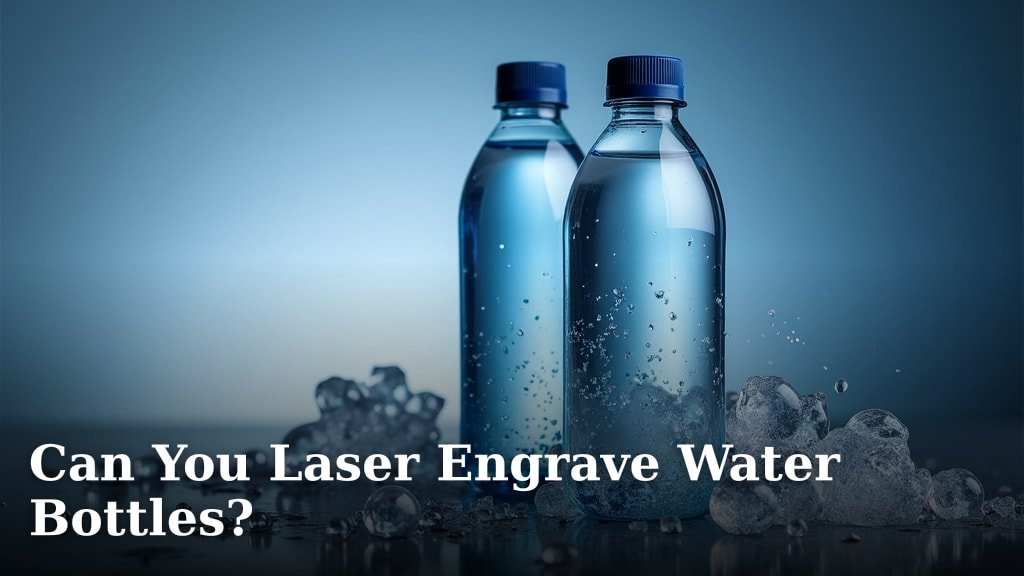
For a broader comparison of bottle shapes and materials, see Can You Laser Engrave Water Bottles?.
How does electroplating affect the engraving result?
A thin, even coating can create strong contrast, but an uneven finish can produce an uneven mark. The laser removes material in layers, so coating thickness affects the visible result.
A thicker finish may need more energy or multiple passes. Too much energy can widen the design, heat the surrounding coating, or cause discoloration.
Curved bottles add a focus problem because the distance from the lens changes as the bottle turns. Tapered bottles can show softer or less consistent marks.
The coating may reflect or absorb the beam differently from the exposed metal. For another wavelength example, see 2W IR acrylic settings.
Follow the laser manufacturer's material guidance and use the correct wavelength for the machine.
The U.S. Food and Drug Administration's laser products guidance explains why laser equipment needs proper controls and safe operating practices.
What should you check before engraving?
Check the base material, coating type, bottle shape, and machine wavelength before setup. For another metal and wavelength example, see UV laser engraving brass.
If the construction is unknown, treat the first attempt as a test.
Look for information about stainless steel, aluminum, or another metal. Confirm whether the finish is electroplated, painted, powder coated, or anodized.
Inspect seams, dents, logos, and color changes. A seam can interrupt a wraparound design, while a dent can alter focus and mark width.
Remove the cap, lid, gasket, and loose parts when the bottle design allows it. Clean fingerprints, oil, and dust using a method approved for the finish.
If the bottle is difficult to replace, test on scrap metal or a similar coated item first. That will not prove the exact result, but it can reveal whether the laser produces useful contrast.
How do you test an electroplated bottle safely?
Test a small hidden mark, then increase the effect gradually. The underside or an area beneath a sleeve can show how the coating reacts without spoiling the main design.
Start with a short line, square, or a few letters. Use the focus height recommended for your machine and record power, speed, frequency or pulse settings, passes, and air assist.
Change one setting at a time. Inspect the result for contrast, clean edges, smoke residue, bubbling, flaking, and heat discoloration after the surface cools.
Stop if the coating blisters, cracks, or produces unexpected smoke. Confirm the material and follow the machine's ventilation instructions before continuing.
Can you laser engrave an electroplated bottle with a diode laser?
A diode laser may engrave some coated bottles, but performance depends on the coating color and absorption. A dark surface may respond more readily than a bright reflective one, but color is not a guarantee.
Diode machines vary in power and wavelength. A setting that removes one finish may barely affect another, so begin with a test patch and use the machine maker's guidance.
Crayola Washable Tempera Paint For Kids is a black liquid tempera paint for absorbent surfaces such as construction paper, cardboard, and paper-mâché. It is not a metal-coating recommendation, so do not apply it to an electroplated bottle as though it were a laser marking product.
How should you set up a curved bottle?
Use a rotary attachment or another approved method to keep the bottle turning steadily. This helps prevent doubled lines, stretched artwork, and gaps.
Measure the engraving area and leave room around the lid, base, seam, and sharply curved sections. Bold letters with moderate spacing are easier to inspect than thin script.
Set focus according to the machine and rotary instructions. On a tapered bottle, focus near the design's center and avoid sharp changes in the curve.
Secure the bottle without crushing it or blocking the rollers. Check that the lid will not catch on the enclosure and that the bottle does not wobble.
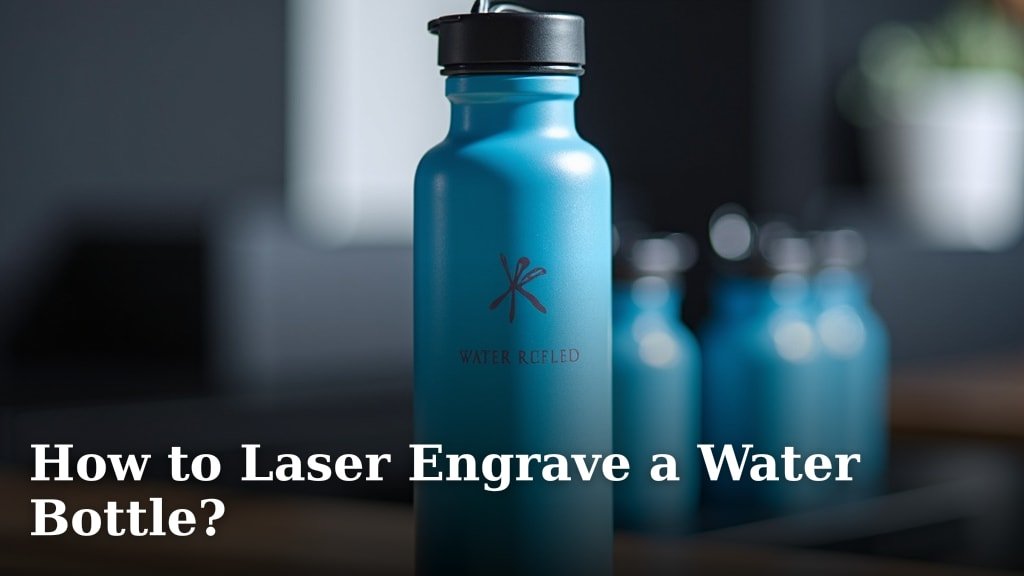
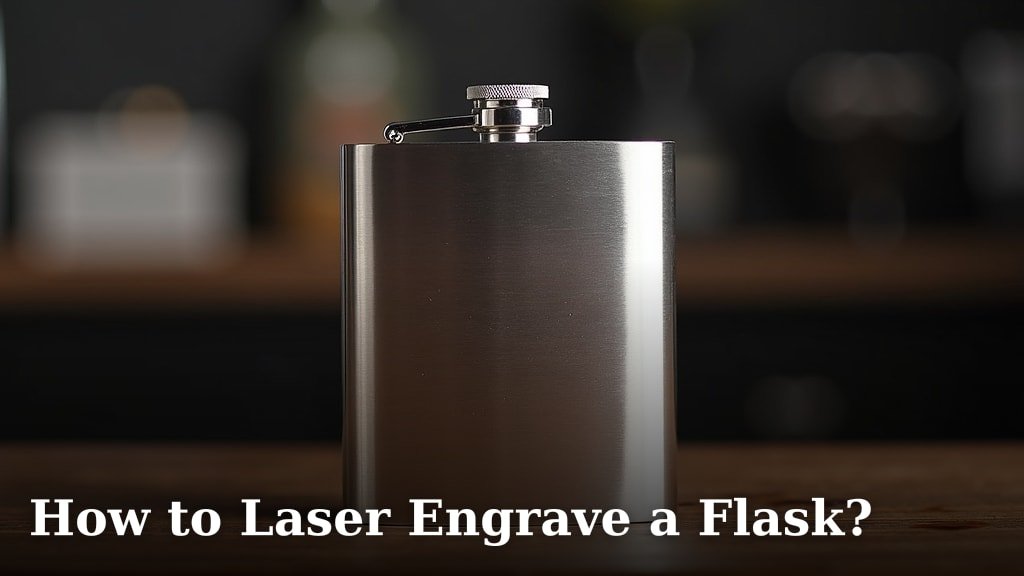
For the full setup, read How to Laser Engrave a Water Bottle?. How to Laser Engrave a Flask? covers similar positioning for shorter cylindrical containers.
What settings give a clean plated finish?
There is no universal setting, so use a test grid and choose the lightest combination that gives a clear mark. Power, speed, focus, passes, pulse rate, and air assist all matter.
Use lines, blocks, and sample text in the grid, and label each square before running it. If the coating remains intact, increase energy or reduce speed in a small step.
If the mark is smoky, wide, or discolored, reduce heat or improve ventilation. Multiple light passes may offer more control than one heavy pass.
Do not chase depth on a drinking bottle. A deep mark can leave a rough surface, expose excess base metal, and make the area harder to clean.
Judge the setting with artwork similar to the final design. A blocky sample can look clean while fine lettering fills in or disappears.
How do you clean the bottle after engraving?
Clean the engraved area gently and remove residue without scraping the remaining plating. Let the bottle cool, then use a soft cloth and a cleaner suited to the finish.
Avoid aggressive sanding unless the bottle maker allows it. Sanding can spread the exposed area and scratch the surrounding coating.
If smoke residue remains, wipe in one direction with a soft cloth. Keep liquid away from the lid opening and dry the surface completely.
Inspect under bright light for loose flakes, sharp edges, discoloration, or a border that may lift. Do not give the bottle to someone for daily use if the damaged area is not safe.
Do not promise dishwasher safety unless the bottle manufacturer specifically gives that instruction. If you need a filler for a separate wood project, {{product B0007ZG9T4 | Bondo Wood Filler 30 oz}} is a wood repair material, not a bottle engraving filler.
Bondo Wood Filler 30 oz (850.49 g) with Bondo Cream Hardner 0.5 oz (14g) is a two-part resin formula for damaged or rotted wood. It can be sanded in 15 minutes and is paintable, stainable, and water resistant, but those properties apply to wood repairs.
Can you add color after removing the plating?
You can add color after engraving only when the finish suits the bottle and intended use. Color filling can improve contrast, but it adds a layer that may wear or peel.
Remove loose residue, dry the area, and use a controlled applicator. Test the color on a hidden area or spare coated surface because it may look different against exposed metal.
Which paint suits a larger surface project?
Rust-Oleum Brush On Painter's Touch Latex Paint, Flat White Primer is a water-based acrylic paint for indoor and outdoor surfaces including wood, metal, plaster, masonry, and unglazed ceramic. It covers up to 120 sq ft, dries to touch in 30 minutes, and has a flat finish.
This primer may suit a larger metal project where a primer layer is planned, but it does not prove that a filled engraving on a drinking bottle will be safe or durable. Follow the label directions and keep coatings away from areas that contact drinking water.
When should you skip a color fill?
Skip the fill when the bottle already has clear contrast, the coating edge looks loose, or the bottle will face frequent washing and the finish is unverified. A clean exposed-metal mark is often easier to maintain.
Is laser engraving safer than other marking methods?
Laser engraving is safe only when the machine, material, enclosure, ventilation, and procedure are suitable. Heated coatings can release smoke or particles, and reflective metal creates additional beam concerns.
Keep the enclosure closed when required, use the ventilation system, and never leave an active laser unattended. Remove flammable items and follow the emergency-stop procedure.
Do not engrave unknown coatings, vinyl, or materials that may contain unsafe compounds without reliable guidance. If the coating composition is unavailable, choose a known material or contact the manufacturer.
Use the protective equipment required for the laser's wavelength and setup. Ordinary sunglasses are not a substitute for laser-rated protection.
The Occupational Safety and Health Administration provides laser hazard information for workplace controls. Home users should apply the same care around beam exposure, smoke, heat, and moving equipment.
Can you laser engrave an electroplated bottle successfully?
Yes, you can when the coating responds cleanly, the base material is suitable, and a hidden test confirms the settings. Use the lightest setting that creates readable contrast, then inspect the coating before using the bottle.
For curved or tapered bottles, use a rotary setup, choose a bold design, and avoid deep passes that create rough edges or excess heat.
For another drinkware workflow, see How to Laser Engrave a Tumbler?. Glass behaves differently, so review How to Laser Engrave Glass Bottles: Pro Settings.
For a separate wood project, Can You Laser Engrave Wood? explains the material and safety checks. Always identify the surface, test first, and stop if the finish reacts unpredictably.