9 Best CNC Spoilboard Surfacing Bits (November 2026)
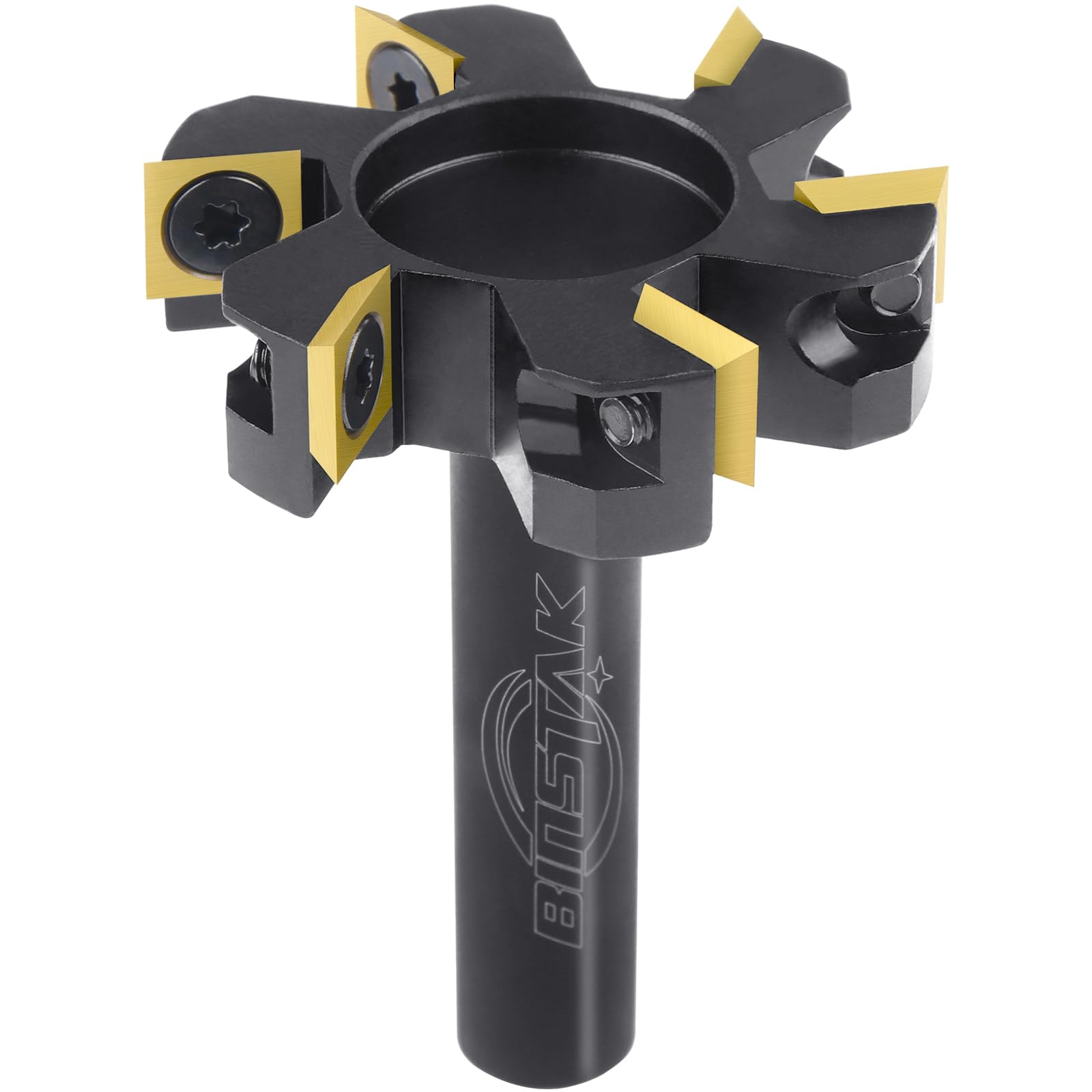
The best CNC spoilboard surfacing router bits include the CNC Spoilboard Surfacing Router Bits for common 1/4 in collets, the CNC Spoilboard Surfacing Router Bit for wide CNC passes, and the Whiteside 6210 CNC Spoilboard Surfacing Router Bit for a simple Whiteside option.
On this page (17 sections)
- The best cnc spoilboard surfacing router bit picks
- How we compared these CNC surfacing bits
- 1. CNC Spoilboard Surfacing Router Bits: Best for common 1/4 in collets
- 2. CNC Spoilboard Surfacing Router Bit: Best for wide CNC passes
- 3. Whiteside 6210 CNC Spoilboard Surfacing Router Bit: Best for a simple Whiteside option
- 4. Whiteside: Best for 1/2 in Whiteside setups
- 5. Slab Flattening Router Bit 1/4" Shank: Best for MDF and wood surfacing
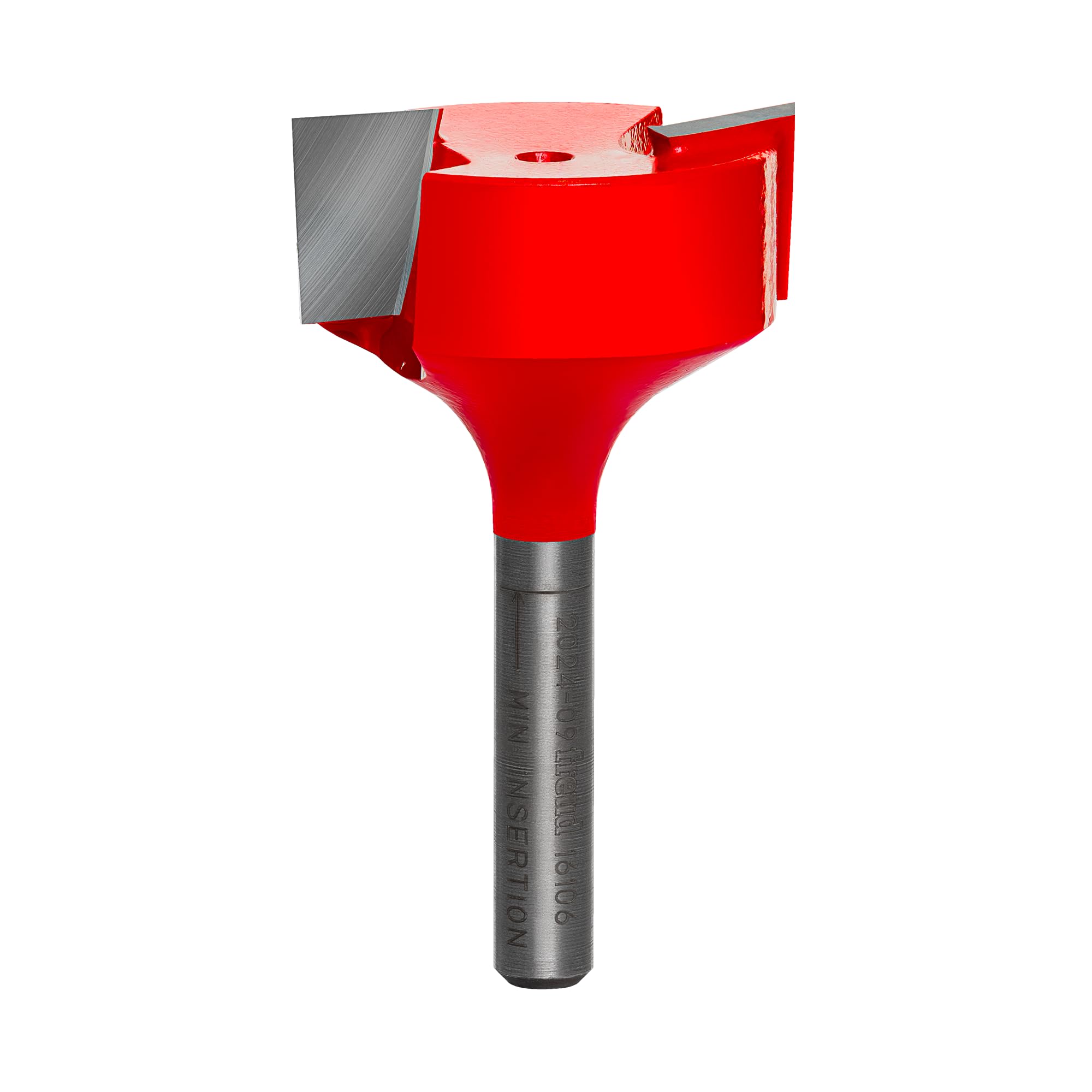
- 6. Freud Spoilboard Surfacing & Mortising Bit: Best for multiple router types
- 7. SpeTool CNC Spoilboard Surfacing Router Bit 1/2: Best for a 2 in SpeTool cutter
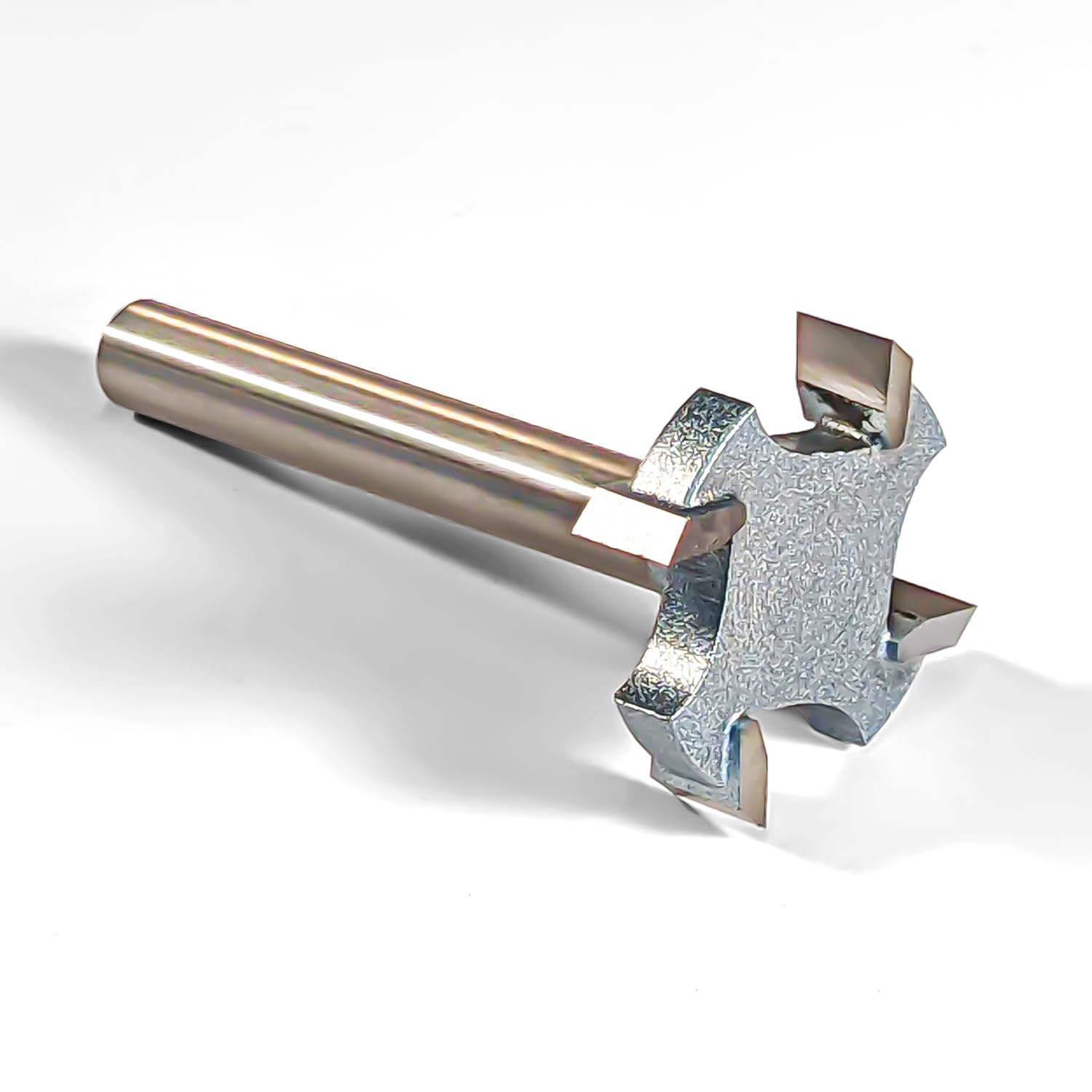
- 8. 1" Surfacing CNC Router Bit for Spoilboard: Best for extra-smooth 1 in passes
- 9. Amana Tool 45525 Carbide Tipped 1-1/8 Dia: Best for a 3-flute Amana bit
- What size spoilboard surfacing bit should you buy?
- Do you need a 1/4 in or 1/2 in shank?
- How do you flatten a CNC spoilboard?
- Can you use a spoilboard bit on wood or MDF?
- What other CNC router bits should you keep?
- Which CNC spoilboard surfacing bit is best for you?
The best cnc spoilboard surfacing router bit for most users is the BINSTAK 1 in carbide bit, because its 1/4 in shank and 1 in cutting diameter fit a common CNC setup. Choose a 2 in cutter when pass coverage matters more than collet flexibility.
A spoilboard surfacing bit flattens the sacrificial bed under your workpiece. It can also level a stock surface, but the right choice depends on your router collet, available clearance, cutter width and preferred pass pattern.
For a basic overview of CNC machines, read our guide to what is a CNC router machine. If you are choosing other cutter shapes too, our guide to what bits to use for a CNC router explains where surfacing bits fit.
Our picks at a glance
-
1
 Best for common 1/4 in collets
CNC Spoilboard Surfacing Router Bits
9.7/10 our score
See it on Amazon -
2
-
3
 Best for a simple Whiteside option
Whiteside 6210 CNC Spoilboard Surfacing Router Bit
9.5/10 our score
See it on Amazon
- 4
 Best for 1/2 in Whiteside setupsCheck it
- 5
 Check it
Slab Flattening Router Bit 1/4" Shank
Best for MDF and wood surfacing - 6
 Check it
Freud Spoilboard Surfacing & Mortising Bit
Best for multiple router types - 7
 Check it
SpeTool CNC Spoilboard Surfacing Router Bit 1/2
Best for a 2 in SpeTool cutter - 8
 Check it
1" Surfacing CNC Router Bit for Spoilboard
Best for extra-smooth 1 in passes - 9
 Check it
Amana Tool 45525 Carbide Tipped 1-1/8 Dia
Best for a 3-flute Amana bit
The best cnc spoilboard surfacing router bit picks
The highest-scoring picks combine a useful cutting width with a shank size that matches a common router setup. Scores weigh the stated specs and features against the needs of spoilboard flattening.
How we compared these CNC surfacing bits
We compared shank size, cutting diameter, cutting design and stated router use. A wider cutter can cover more material per pass, but it also requires a suitable collet and a machine with enough working room.
We did not assign a score for details that are not in the product data. That is why the Whiteside products are judged mainly by their stated shank and model information, while the products with stated diameters offer a clearer fit comparison.
| Product | Best for | Shank | Cutting diameter | Material | Our score |
|---|---|---|---|---|---|
| CNC Spoilboard Surfacing Router Bits | common 1/4 in collets | 1/4 in | 1 in | Carbide | 9.7 |
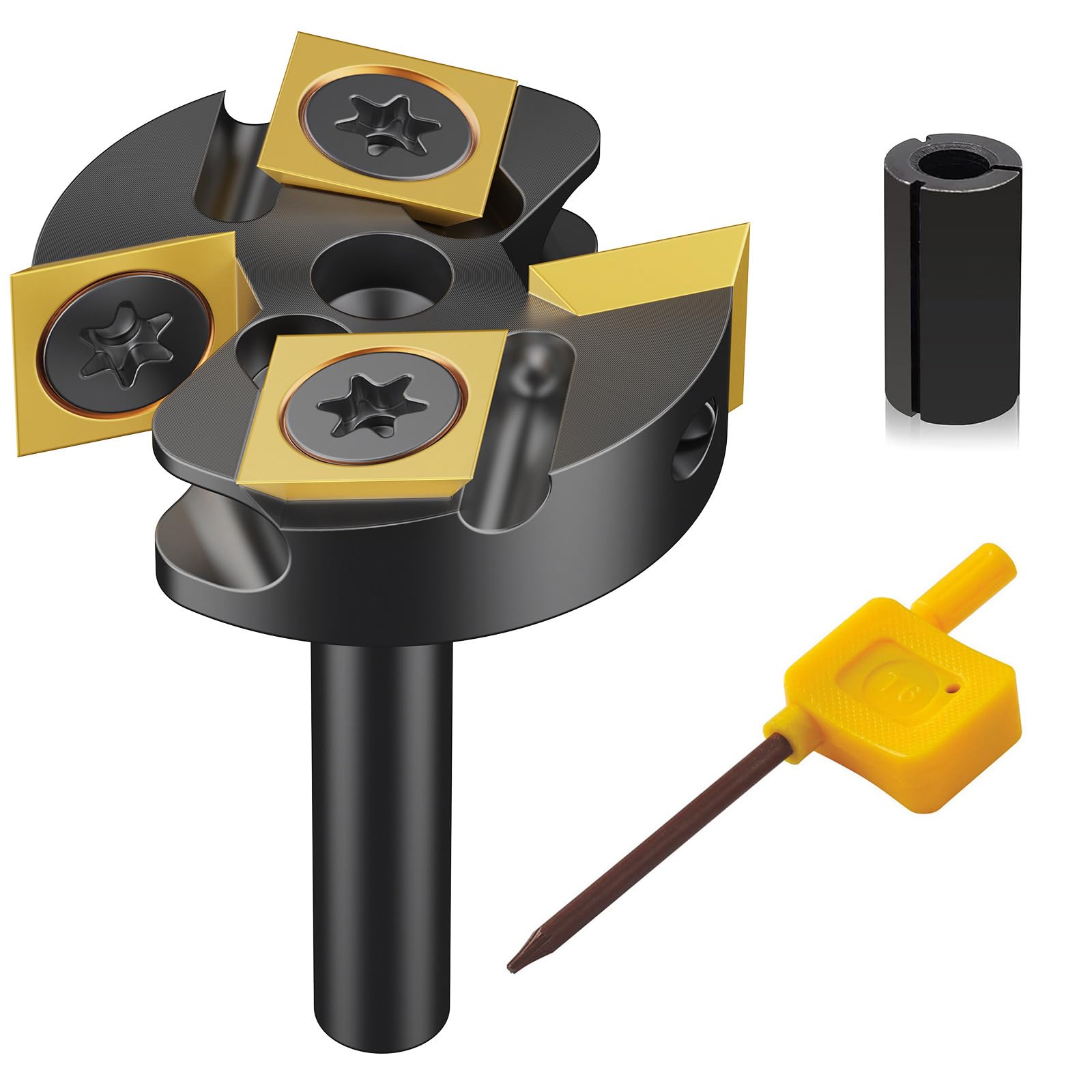
| CNC Spoilboard Surfacing Router Bit | wide CNC passes | 1/2 in | 2 in | 9.6 | |
| Whiteside 6210 CNC Spoilboard Surfacing Router Bit | a simple Whiteside option | 1/4 in | 9.5 | ||
| Whiteside | 1/2 in Whiteside setups | 1/2 in | 9.4 | ||
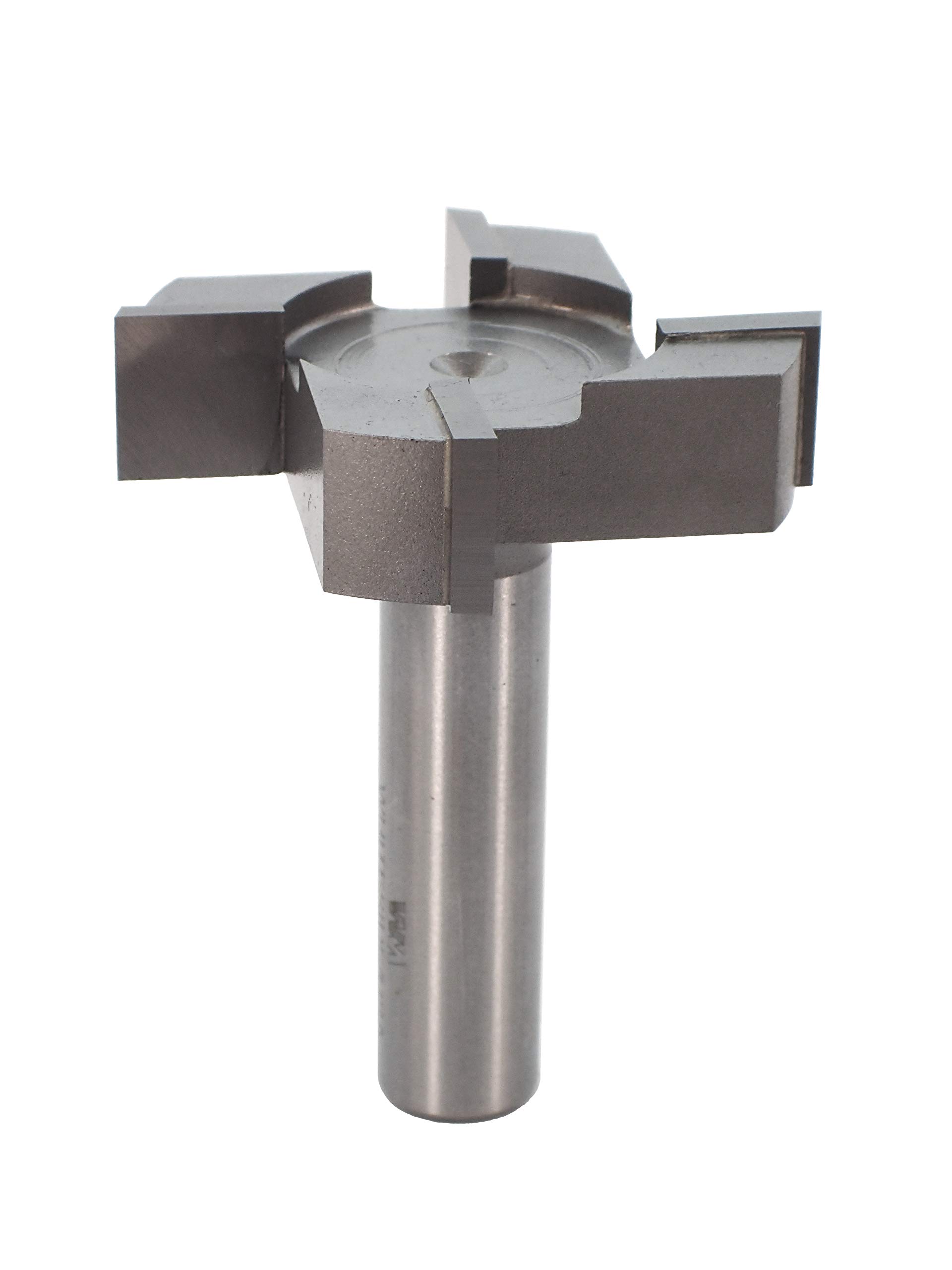
| Slab Flattening Router Bit 1/4" Shank | MDF and wood surfacing | 1/4 in | 1-3/8 in | Insert carbide | 9.3 |
| Freud Spoilboard Surfacing & Mortising Bit | multiple router types | 1/4 in | 9.1 | ||
| SpeTool CNC Spoilboard Surfacing Router Bit 1/2 | a 2 in SpeTool cutter | 1/2 in | 2 in | Carbide insert | 8.8 |
| 1" Surfacing CNC Router Bit for Spoilboard | extra-smooth 1 in passes | 1/4 in | 1 in | 8.4 | |
| Amana Tool 45525 Carbide Tipped 1-1/8 Dia | a 3-flute Amana bit | 1/4 in | 8.1 |
1. CNC Spoilboard Surfacing Router Bits: Best for common 1/4 in collets
CNC Spoilboard Surfacing Router Bits: Best for common 1/4 in collets
- 1/4 in shank
- 1 in cutting diameter
- Carbide
- Slab flattening design
A practical width and 1/4 in shank make this a strong general pick for spoilboard flattening.
Pros
- 1 in cutting diameter
- 1/4 in shank
- Carbide construction
Cons
- Narrower passes than 2 in models
This BINSTAK bit suits a CNC router with a 1/4 in collet and a need for a general-purpose 1 in cutting width. The carbide construction is suited to the repeated contact involved in leveling a sacrificial bed.
A 1 in diameter gives you a middle-sized pass. It covers more surface than a narrow straight cutter, while keeping the pass width easier to manage than a 2 in tool.
That makes it a practical choice for small and medium spoilboards.
The title also identifies slab flattening, wood planing and dado work. Those names describe the type of cutting job this tool targets, but your feed, depth and overlap still need to match your machine and material.
The width also gives you a clear reference point when comparing the rest of this roundup. The 1-1/8 in Amana and 1-1/4 in Freud offer slightly broader coverage, while the 1-3/8 in option moves further toward a wide pass without requiring a 1/2 in shank.
Choose this one when you want a straightforward 1/4 in option with a clearly stated cutting diameter. Choose a 2 in model instead when reducing the number of passes is the main goal.
2. CNC Spoilboard Surfacing Router Bit: Best for wide CNC passes
CNC Spoilboard Surfacing Router Bit: Best for wide CNC passes
- 1/2 in shank
- 2 in cutting diameter
- 6 wings
- Carbide insert
The 2 in cutting width covers more spoilboard per pass, while the 1/2 in shank suits a larger collet.
Pros
- Widest cutter here
- 6-wing design
- 1/2 in shank
Cons
- Requires a 1/2 in collet
This 2 in bit is for CNC users who want broad coverage in each pass. Its 1/2 in shank and 6-wing carbide insert design make it a wide-cutting option for spoilboard and wood-planing work.
The larger diameter can reduce the number of overlapping tracks across a broad sacrificial bed. It also makes machine setup more important.
Confirm that your router accepts a 1/2 in shank and that the cutter has enough clearance around clamps and the work area.
Six wings spread the cutting action across the tool, while the carbide insert construction identifies the cutting material. The data does not state a maximum RPM, so use the router and cutter guidance available for your setup.
Compared with the SpeTool 2 in option, this bit has the additional stated detail of a 6-wing design. That does not by itself decide which product fits your work, but it gives you one more specification to consider when both the shank and cutting diameter are already suitable.
Pick this bit for wide beds and a compatible 1/2 in collet. If your machine only accepts 1/4 in shanks, the BINSTAK, Freud or Amana options are easier matches.
3. Whiteside 6210 CNC Spoilboard Surfacing Router Bit: Best for a simple Whiteside option
Whiteside 6210 CNC Spoilboard Surfacing Router Bit: Best for a simple Whiteside option
- 1/4 in shank
This Whiteside bit keeps the choice simple for a CNC router already set up for a 1/4 in shank.
Pros
- 1/4 in shank
- Whiteside model 6210
Cons
- Product data does not state the cutting diameter
The Whiteside 6210 is the simple choice for a router using a 1/4 in shank. Its product name identifies it as a CNC spoilboard surfacing bit, so it is aimed at leveling the sacrificial surface rather than shaping a decorative edge.
The main trade-off is the limited product data available here. The title gives the model and shank size, but it does not state a cutting diameter, flute count or overall length.
Measure your available clearance and confirm the exact cutter dimensions before ordering.
That missing width makes this harder to compare directly with the 1 in, 1-1/4 in and 2 in options in this roundup. It also means you cannot estimate its pass coverage from the data.
The known shank remains useful, but it is only one part of router fit.
Still, a known Whiteside model may suit a buyer who already has a compatible setup and wants to stay with that model range. The choice is more about the stated 6210 identity and 1/4 in shank than about a documented width advantage.
Choose it when the 1/4 in shank and Whiteside 6210 model are the deciding factors. Choose a product with a stated diameter when pass coverage is central to your decision.
4. Whiteside: Best for 1/2 in Whiteside setups
Whiteside: Best for 1/2 in Whiteside setups
- Whiteside 6220
- 1/2 in shank
The 6220 is the Whiteside choice here for routers using a 1/2 in collet.
Pros
- 1/2 in shank
- Whiteside model 6220
Cons
- Product data does not state the cutting diameter
The Whiteside 6220 is the 1/2 in shank choice for buyers who want a CNC spoilboard surfacing bit from the same brand family as the 6210. The larger shank fits a different router setup from the 1/4 in model.
The title does not state this bit's cutting diameter, so you cannot use the available data to estimate pass width against the 2 in models. Check that measurement before planning a surfacing pattern or comparing it with a wide cutter.
A 1/2 in shank can suit a heavier CNC router setup, but shank size alone does not tell you the best feed rate, depth of cut or finish. Those settings depend on the machine, material and cutter guidance.
The 6220 is therefore easier to place by collet than by coverage. It belongs with the 1/2 in options, but the information does not show whether it is narrower or wider than the CNC Spoilboard Surfacing Router Bit and SpeTool tools.
Pick the 6220 when the model and 1/2 in shank fit your existing workflow. If you want a clearly stated width, the CNC Spoilboard Surfacing Router Bit and SpeTool choices provide more direct comparison points.
5. Slab Flattening Router Bit 1/4" Shank: Best for MDF and wood surfacing
Slab Flattening Router Bit 1/4" Shank: Best for MDF and wood surfacing
- 1/4 in shank
- 1-3/8 in cutting diameter
- 1/2 in to 1/4 in router collet
- Insert carbide
Its 1-3/8 in width sits between the common 1 in and wide 2 in options for wood and MDF surfacing.
Pros
- 1-3/8 in cutting diameter
- Insert carbide
- Collet range stated
Cons
- Needs careful collet matching
This insert-carbide bit gives you a 1-3/8 in cutting diameter, which sits between the 1 in and 2 in choices. That middle width can suit a buyer who wants broader passes without moving to the widest cutter in this group.
The title identifies wood and MDF surfacing, along with slab flattening and CNC spoilboard work. It also states a 1/4 in shank and a 1/2 in to 1/4 in router collet range, so check how that arrangement matches your machine before setup.
The larger diameter needs enough clearance around clamps and the work area. It also changes the amount of material removed per pass compared with a 1 in bit, so start with conservative settings suitable for your router and material.
Its width is useful when the 1 in options feel too narrow but a 2 in cutter does not suit the available setup. It gives this bit a distinct place among the 1/4 in choices, rather than making it just another general surfacing option.
Choose this one when the 1-3/8 in width is a better fit than the narrower or wider options. It is less direct for buyers who want a 1/2 in shank cutter.
6. Freud Spoilboard Surfacing & Mortising Bit: Best for multiple router types
Freud Spoilboard Surfacing & Mortising Bit: Best for multiple router types
- 1-1/4 in diameter
- 1/4 in shank
- 18,000 max RPM
- For CNC, handheld and table routers
The stated CNC, handheld and table-router use gives this bit broader router coverage than the CNC-only choices.
Pros
- 1-1/4 in diameter
- 18,000 max RPM
- Multiple router types
Cons
- 1/4 in shank limits collet choice
The Freud bit suits users who want a cutter identified for CNC, handheld and table routers. Its 1-1/4 in diameter gives it a useful middle width, while the 1/4 in shank works with a common collet size.
The stated 18,000 max RPM gives you an important operating limit to check during setup. Do not treat that number as a required speed.
Match the router setting to the bit guidance, material and cutting conditions available for your work.
The mortising label suggests a broader job range than spoilboard flattening alone. For surfacing, focus on a flat toolpath, consistent overlap and a shallow pass that suits the bed and machine.
Its 1-1/4 in diameter places it between the 1 in BINSTAK and the 1-3/8 in insert-carbide option. That makes the Freud a middle-width choice for someone who wants more coverage than a 1 in bit while retaining a 1/4 in shank.
Choose Freud if you want a 1/4 in bit with a stated diameter and broader router use. If you only need CNC spoilboard work and want the widest pass, a 2 in option may cover the bed faster.
7. SpeTool CNC Spoilboard Surfacing Router Bit 1/2: Best for a 2 in SpeTool cutter
SpeTool CNC Spoilboard Surfacing Router Bit 1/2: Best for a 2 in SpeTool cutter
- 1/2 in shank
- 2 in cutting diameter
- Carbide insert
This is another wide 2 in option for CNC users whose router accepts a 1/2 in shank.
Pros
- 2 in cutting diameter
- 1/2 in shank
- Carbide insert
Cons
- Requires a 1/2 in collet
This SpeTool cutter matches the wide format of the other 2 in option. It has a 1/2 in shank, 2 in cutting diameter and carbide insert, making it a choice for CNC users with the required collet.
A 2 in diameter can reduce the number of passes across a large spoilboard. The same width also calls for careful attention to clamps, cutter clearance and the amount removed in each pass.
The carbide insert construction identifies the cutting material, while the title names slab flattening, planing and wood-bottom cleaning. The data does not state a maximum RPM or a flute count, so avoid assuming those details.
The main comparison is with the CNC Spoilboard Surfacing Router Bit. Both use the same stated shank and diameter, so the SpeTool choice is most clearly differentiated by its brand and the supplied carbide-insert description rather than by a different width.
Choose SpeTool when the 2 in width and 1/2 in shank suit your router. Compare it with the CNC Spoilboard Surfacing Router Bit if the other tool's 6-wing design is more useful to your planned work.
8. 1" Surfacing CNC Router Bit for Spoilboard: Best for extra-smooth 1 in passes
1" Surfacing CNC Router Bit for Spoilboard: Best for extra-smooth 1 in passes
- 1 in cutting diameter
- 1/4 in shank
- Carbide tipped
- Wood resurfacing
A 1 in carbide-tipped cutter suits spoilboard resurfacing when your machine uses a 1/4 in collet.
Pros
- 1 in cutting diameter
- 1/4 in shank
- Carbide tipped
Cons
- Narrower coverage than 2 in bits
This carbide-tipped bit is another 1 in option for routers using a 1/4 in shank. It targets spoilboard surfacing, slab flattening, wood surfacing and resurfacing, so its stated use is closely aligned with this search.
The 1 in width gives you controlled overlapping passes without the larger footprint of a 2 in cutter. That can make it easier to plan around clamps, though it may require more tracks across a wide bed.
The title also describes extra-smooth woodworking, but that phrase does not guarantee a finish on every machine. Surface quality depends on toolpath overlap, cutter condition, material, rigidity and machine settings.
Because the stated diameter and shank match the BINSTAK, these two are direct alternatives on the basic fit points. The product data does not identify a different width advantage here, so check the exact listing details if the choice depends on anything beyond the supplied specifications.
Choose this bit when a 1 in diameter and carbide tip fit your setup. The BINSTAK has the same stated diameter and shank size and scores higher here, while this option may appeal when its specific surfacing focus matches your work.
9. Amana Tool 45525 Carbide Tipped 1-1/8 Dia: Best for a 3-flute Amana bit
Amana Tool 45525 Carbide Tipped 1-1/8 Dia: Best for a 3-flute Amana bit
- 1-1/8 in diameter
- 1/2 in cutting height
- 1/4 in shank
- 1-19/32 in overall length
- 3 flutes
- Carbide tipped
The 1-1/8 in diameter and 3-flute design make this a narrower, detailed choice for spoilboard flattening.
Pros
- 3 flutes
- 1-1/8 in diameter
- Carbide tipped
Cons
- Smallest score in this roundup
The Amana Tool 45525 is a compact surfacing choice with a 1-1/8 in diameter, 1/4 in shank and 3 flutes. Its carbide-tipped construction and spoilboard flattening purpose make it a close fit for CNC bed maintenance.
The title also gives a 1/2 in cutting height and 1-19/32 in overall length. Those measurements help you check working clearance, but they do not replace measuring the mounted setup with your collet and router.
A 1-1/8 in width falls between the 1 in and 1-1/4 in options. The 3-flute design gives you a stated cutting detail that is not included for most of the other products here.
The listed dimensions make this more specific than the Whiteside choices, whose data does not include a cutting diameter. At the same time, it is not as wide as the 2 in tools, so it remains a narrower choice for users who value its particular format.
Choose Amana if the 3-flute format, dimensions and 1/4 in shank fit your machine. It ranks lower because the other choices offer wider coverage or more direct general-use value for this keyword.
What size spoilboard surfacing bit should you buy?
The best size depends on your bed width, collet and desired pass coverage. A 1 in to 1-1/4 in cutter is a flexible middle range, while a 2 in bit can cover more surface per pass.
Choose a 1 in bit
A 1 in bit suits smaller beds, tighter work areas and routers using a 1/4 in collet. The BINSTAK and 1" Surfacing CNC Router Bit for Spoilboard options use this width.
Choose a 1-1/8 in to 1-3/8 in bit
This range offers a modest increase in coverage without moving to a 2 in cutter. The Amana, Freud and Slab Flattening Router Bit 1/4" Shank options sit here.
Choose a 2 in bit
A 2 in cutter suits broad spoilboards and a compatible 1/2 in collet. The CNC Spoilboard Surfacing Router Bit and SpeTool options use this width.
Do you need a 1/4 in or 1/2 in shank?
Match the shank to the router collet you actually have. A 1/4 in bit cannot replace a 1/2 in bit without the correct setup, and a 1/2 in bit will not fit a 1/4 in collet.
A 1/4 in shank gives you more choices in this roundup, including BINSTAK, Freud and Amana. A 1/2 in shank appears on the wide 2 in cutters and both Whiteside choices.
Check the collet size, tighten the tool correctly and confirm that the mounted cutter has enough clearance. Never choose a wider bit only because it promises fewer passes.
How do you flatten a CNC spoilboard?
Flatten a spoilboard with a shallow, overlapping toolpath that covers the bed without striking clamps or hardware. Secure the bed, measure the mounted cutter and set the cutting depth to remove only the uneven surface.
Plan the toolpath
Use parallel passes with enough overlap to avoid raised strips between tracks. A wider cutter reduces track count, while a narrower cutter gives you more control around obstacles.
Check the setup
Confirm the shank, cutting diameter and available clearance before starting. The Freud option has a stated maximum of 18,000 RPM, but the correct operating setting still depends on the full setup.
Protect the bed
A spoilboard is sacrificial, but deep cuts remove useful material. Take light passes and stop to inspect the surface rather than trying to correct a large height difference in one cut.
Can you use a spoilboard bit on wood or MDF?
Yes, several products here are named for slab flattening, wood planing, MDF surfacing or wood-bottom cleaning. The Slab Flattening Router Bit 1/4" Shank specifically identifies wood and MDF surfacing, while the CNC Spoilboard Surfacing Router Bits name slab flattening and wood planing.
Material changes the cutting conditions. Keep the bit level, use a suitable shallow pass and watch for uneven areas, dust buildup or a changing surface finish.
A spoilboard bit is for broad, flat removal. For grooves, lettering or angled details, compare it with the best V bits for CNC routers.
For deeper reach, see the best long CNC router bits.
What other CNC router bits should you keep?
A surfacing bit handles broad leveling, but it does not replace V bits, long bits or a mixed set. The right companion depends on whether your next job needs lettering, reach, edge work or several cutter shapes.
For mixed cutter shapes
A best CNC router bit set roundup can help when you need several profiles instead of one surfacing tool.
For other brands
If you prefer a known brand range, compare the best Amana CNC router bits before choosing a separate cutter.
For laser projects
If your workshop also uses laser equipment, see the best laser cutter for wood and the best laser cutter for acrylic for material-specific alternatives.
Which CNC spoilboard surfacing bit is best for you?
The BINSTAK CNC Spoilboard Surfacing Router Bits are the best overall choice here for a 1/4 in collet, 1 in cutting diameter and carbide construction. Pick the CNC Spoilboard Surfacing Router Bit for a 2 in, 6-wing cutter with a 1/2 in shank.
Choose Freud if you need a 1-1/4 in bit identified for CNC, handheld and table routers. Choose Whiteside when its stated model and shank match your setup, and choose Amana when the 3-flute, 1-1/8 in format is the better fit.
The best cnc spoilboard surfacing router bit is the one that matches your collet, clearance and pass width. Measure first, use shallow overlapping passes and keep the sacrificial bed level enough for the work that follows.
Our top 3 picks at a glance
-
1
Best for common 1/4 in collets
CNC Spoilboard Surfacing Router Bits
9.7/10 our score
See it on Amazon -
2
-
3
Best for a simple Whiteside option
Whiteside 6210 CNC Spoilboard Surfacing Router Bit
9.5/10 our score
See it on Amazon