Maple Laser Settings: Dealing with Wood Hardness
Maple laser settings require power levels between 70-85% and speeds of 150-300 mm/min due to maple’s medium hardness rating of 995-1450 on the Janka scale. You’ll need to adjust your…

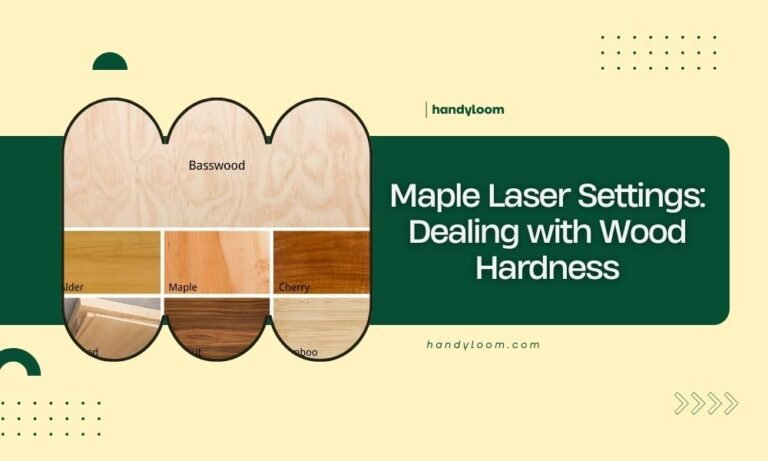
Maple laser settings require power levels between 70-85% and speeds of 150-300 mm/min due to maple’s medium hardness rating of 995-1450 on the Janka scale. You’ll need to adjust your…

Laser cutting Jarrah wood requires settings of 15-20 watts power, 200-300 mm/min speed, and 3-5 passes for clean cuts through 3-6mm thickness. You’ll need proper ventilation and dust extraction since…
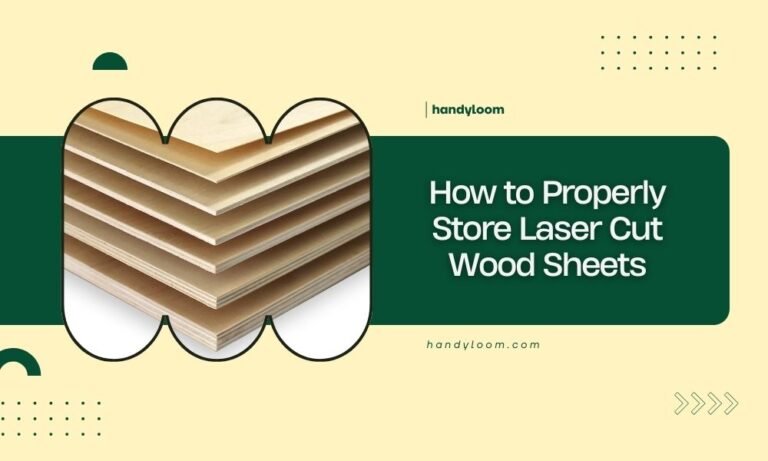
Store laser cut wood sheets in a dry, climate-controlled environment with humidity levels between 30-50% to prevent warping and cracking. Keep your laser cut wood sheets flat, separated by acid-free…
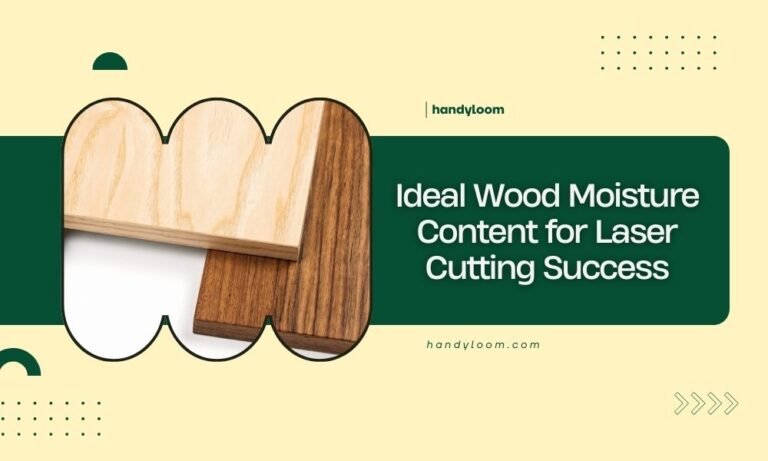
The ideal wood moisture content for laser cutting is between 6% and 12%, with 8-10% being optimal for most projects. Wood with higher moisture content can cause burn marks, warping,…

To handle plywood knots when laser cutting, slow down your cutting speed by 20-30% and increase power by 10-15% when approaching knot areas. Pre-drilling small pilot holes through large knots…
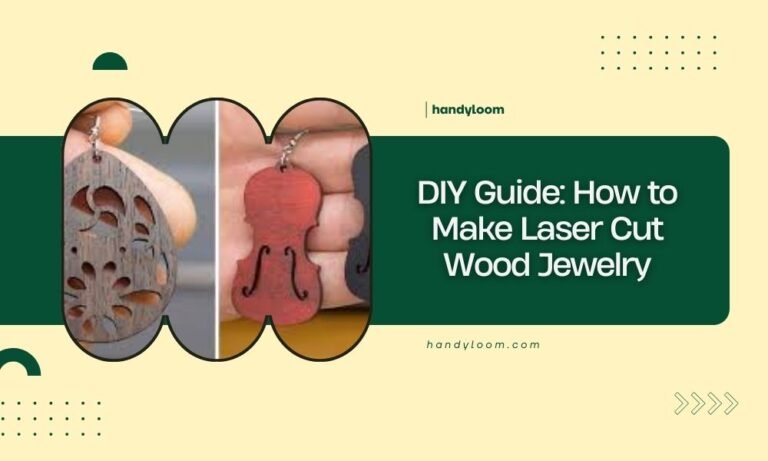
Laser cut wood jewelry combines precision technology with natural materials to create unique, lightweight accessories that you can customize completely to your style. You’ll need a laser cutter, design software…
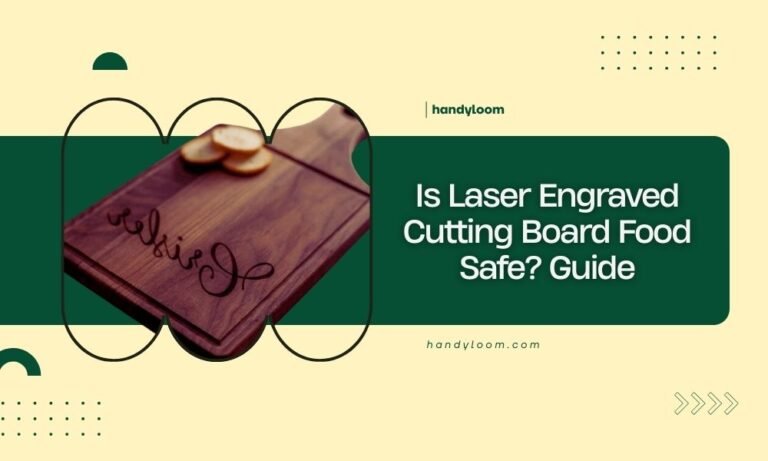
Yes, laser engraved cutting boards are food safe when properly sealed and maintained. The laser engraving process itself doesn’t make wood unsafe, but exposed grooves need proper sealing to prevent…
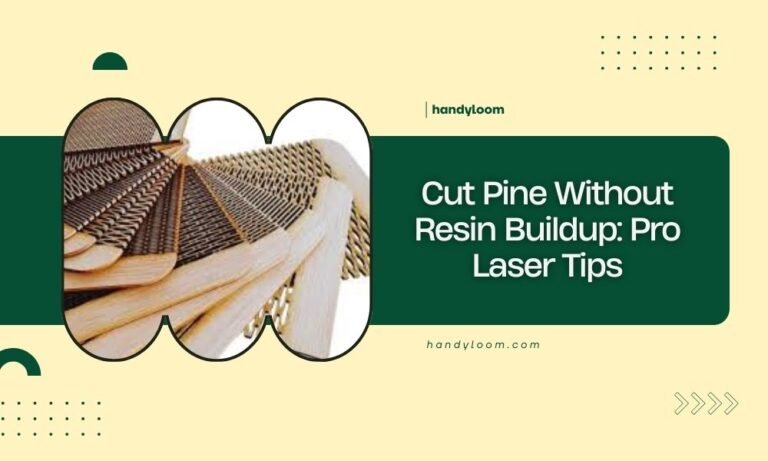
To cut pine without resin buildup on your laser, use lower power settings and faster cutting speeds to minimize heat that activates pine resin. Regular cleaning between cuts and proper…
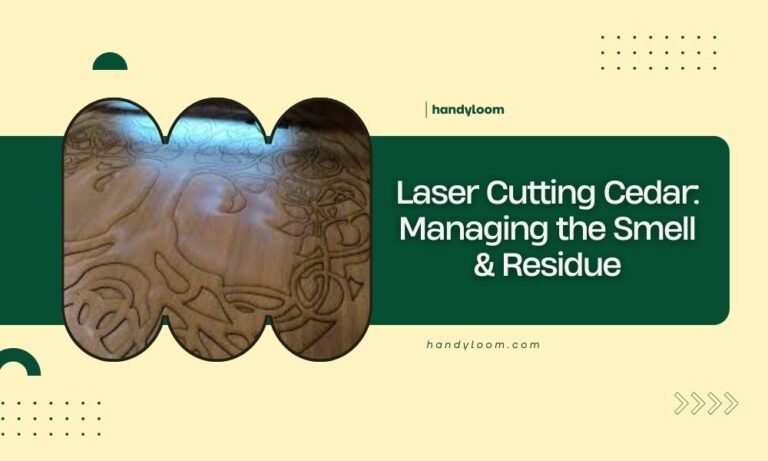
Laser cutting cedar produces a strong, smoky smell and sticky residue that can overwhelm your workspace and damage your equipment if not managed properly. You can control cedar odor and…

Wood inlays with your laser require precise cutting of both the base wood and inlay material, followed by careful fitting and gluing to create seamless decorative patterns. Perfect laser-cut wood…
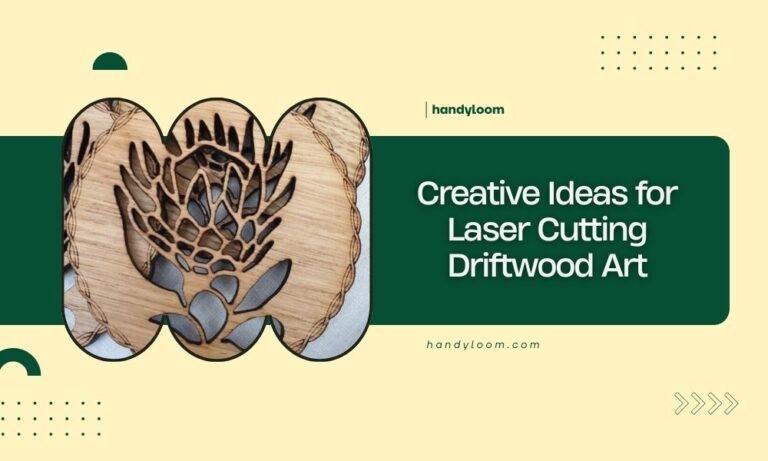
Laser cutting driftwood creates stunning art pieces by combining natural beauty with precise technology, offering endless creative possibilities for both beginners and experienced crafters. The key to successful driftwood laser…

Wood engraving depth typically ranges from 0.001 to 0.030 inches, with most projects requiring 0.005 to 0.015 inches for clear, readable results. The perfect wood engraving depth depends on your…

Laser cut marquetry uses computer-controlled precision to create wood inlay patterns with exact tolerances impossible to achieve by hand. You’ll need a CO2 laser cutter, vector design software like Adobe…
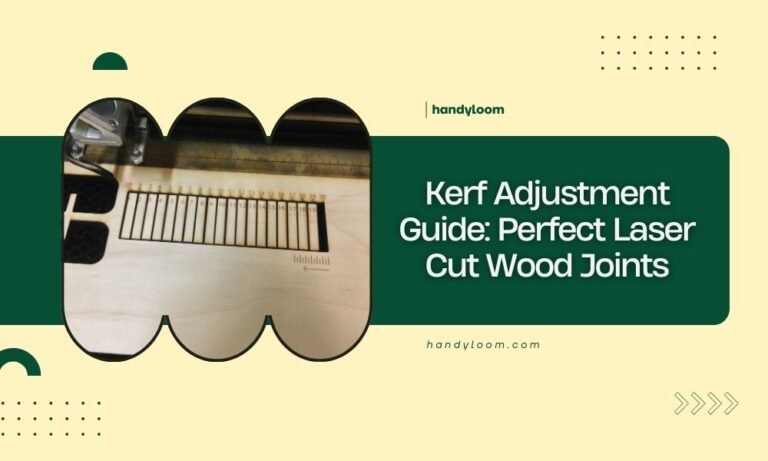
Kerf adjustment for laser cut wood joints requires compensating for the material thickness removed by the laser beam, typically 0.1-0.3mm depending on your laser settings and wood type. You can…
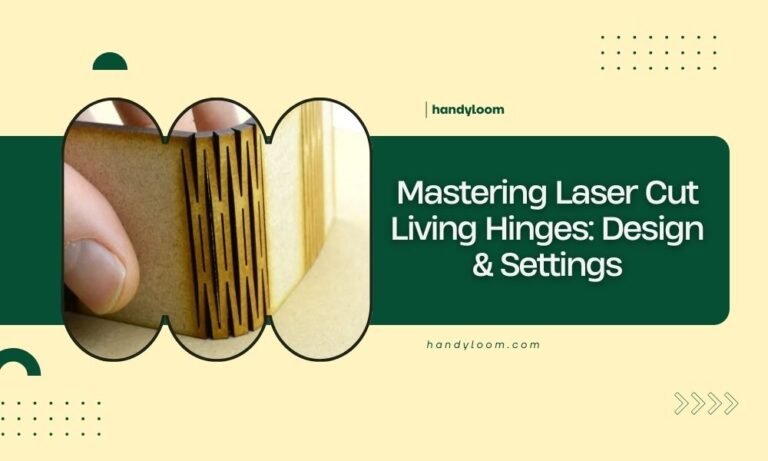
Laser cut living hinges are flexible connections created by cutting thin parallel lines into material, allowing it to bend smoothly without breaking or adding separate hardware. Success with living hinges…
The best wood glue tips for laser cut parts include using PVA glue for most joints, applying thin even coats, and clamping pieces for 30 minutes minimum. Clean laser-cut edges…
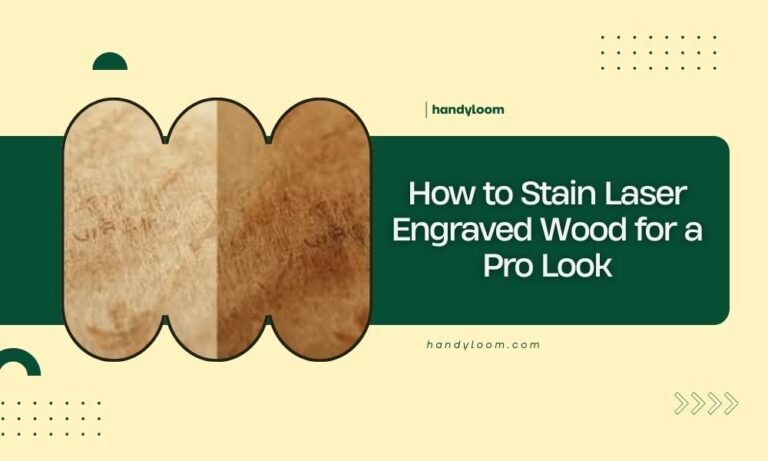
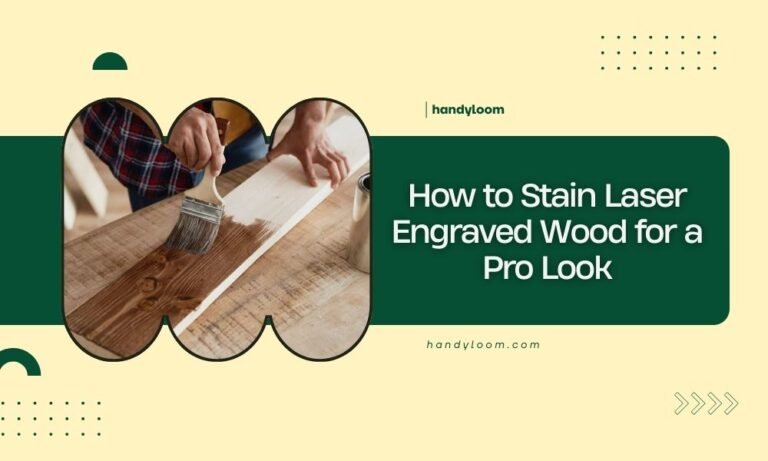
To stain laser engraved wood for a professional look, clean the surface with tack cloth, apply pre-stain conditioner to softwoods, then use gel stain or water-based stain with a foam…
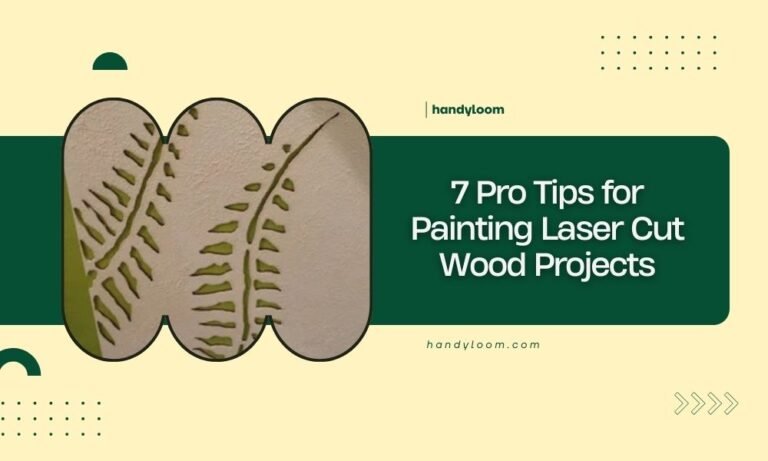
The key to painting laser cut wood projects is proper surface preparation and choosing the right paint type for your specific wood material. Most laser cut wood projects need light…
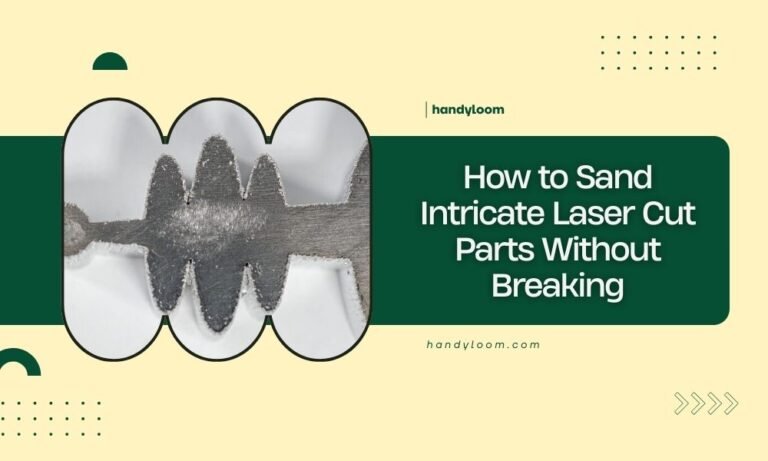
Sand intricate laser cut parts by using fine-grit sandpaper (220-400 grit), working in gentle circular motions, and supporting delicate sections with your fingers while sanding. Start with hand sanding techniques…
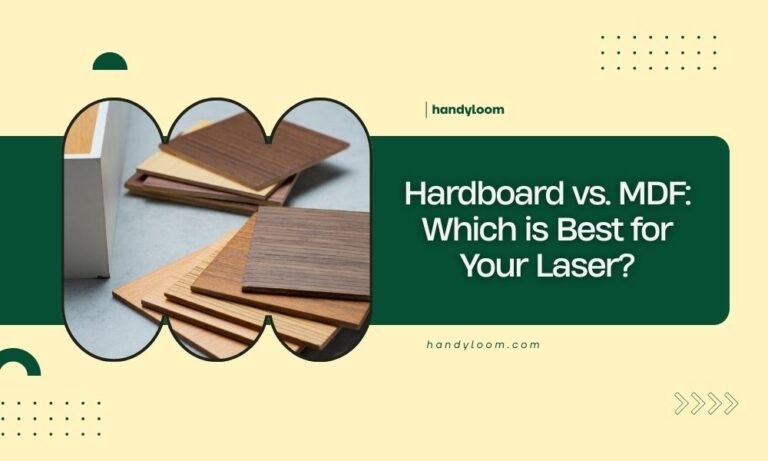
MDF works better for laser cutting because it creates cleaner cuts and produces less toxic fumes than hardboard, making it safer for your workspace. Hardboard vs MDF comes down to…