How to Clean Your Laser Lens: Step-by-Step Tutorial
Clean your laser lens by first powering down your machine, then gently wiping the lens with isopropyl alcohol and a lint-free cloth in circular motions from center outward. A dirty…

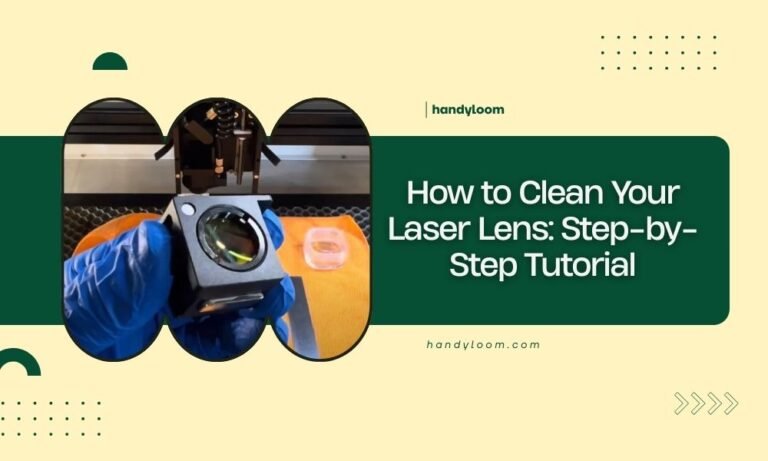
Clean your laser lens by first powering down your machine, then gently wiping the lens with isopropyl alcohol and a lint-free cloth in circular motions from center outward. A dirty…
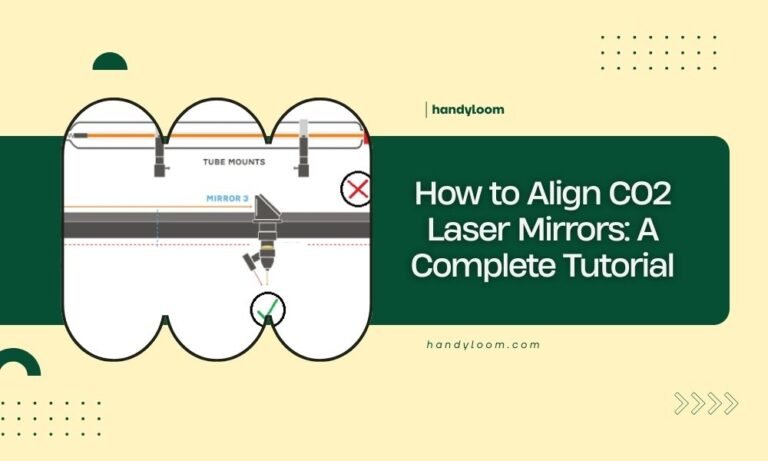
Aligning CO2 laser mirrors requires adjusting each mirror in sequence, starting from the tube and working toward the cutting head, using burn tests on masking tape to check beam alignment…
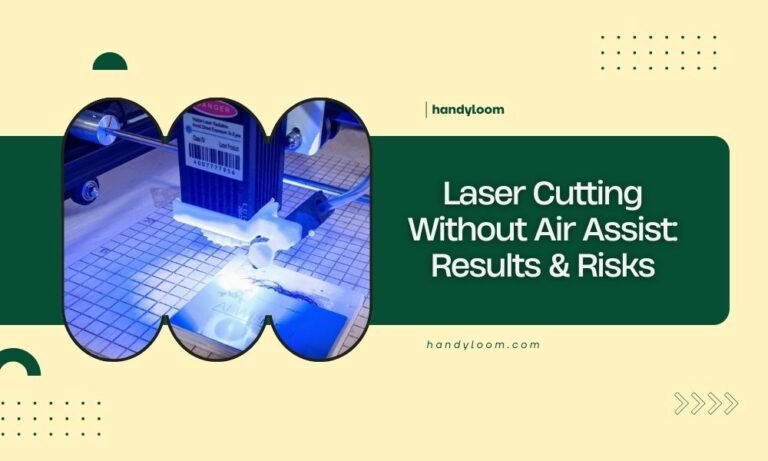
Laser cutting without air assist produces rougher cuts, more heat damage, and increased fire risk compared to using air assist systems. You can laser cut without air assist, but expect…
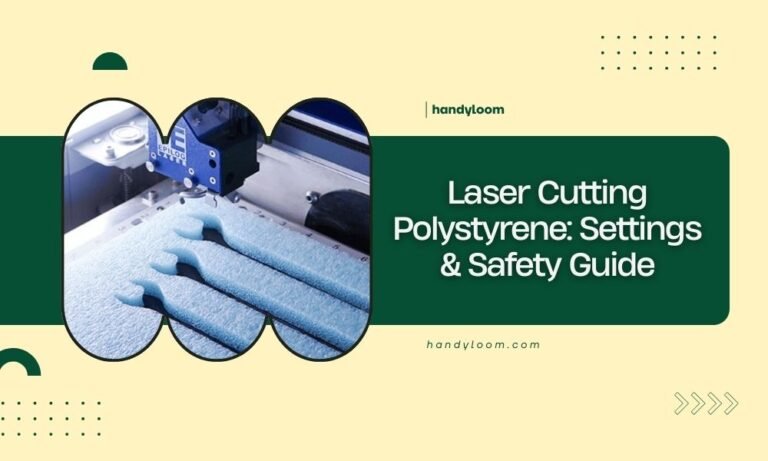
Laser cutting polystyrene requires specific settings: 10-20% power at 30-50mm/min speed with multiple passes to prevent melting and toxic fume release. Always work in a well-ventilated area or use proper…
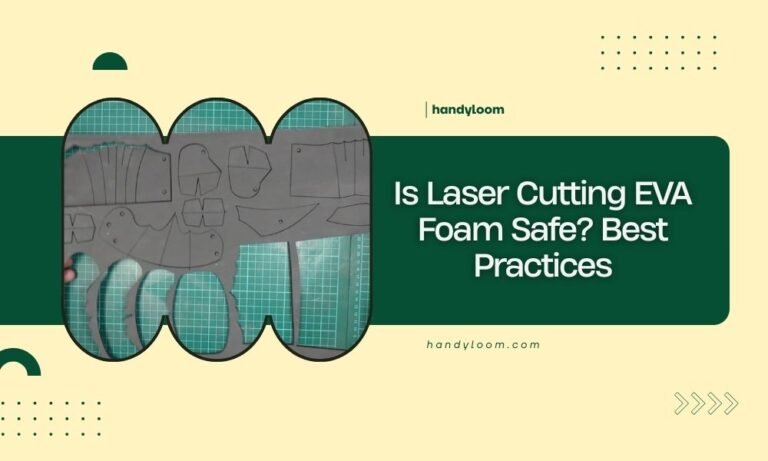
Laser cutting EVA foam is generally not safe due to toxic fume release and potential fire hazards when the material overheats. Most laser cutting experts recommend avoiding EVA foam entirely,…
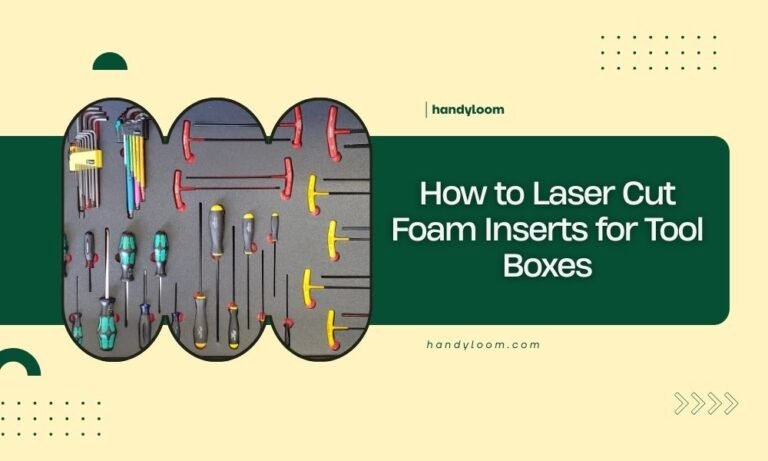
To laser cut foam inserts for tool boxes, set your laser to low power settings (10-30%), use slow cutting speeds, and ensure proper ventilation for safe foam cutting. Choose closed-cell…
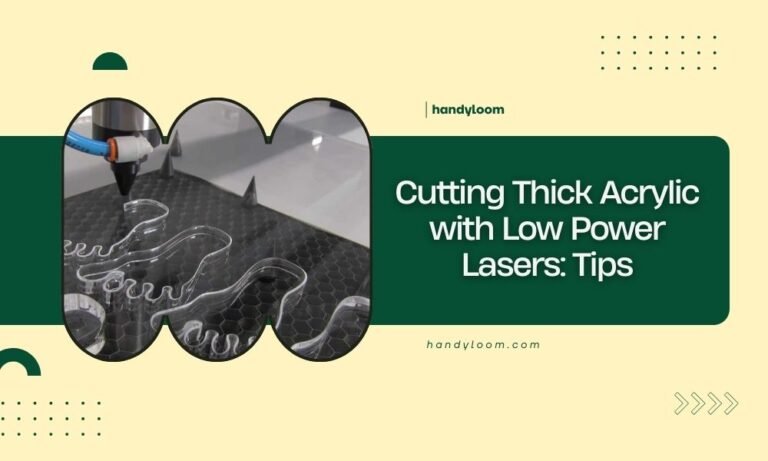
You can cut thick acrylic with low power lasers by using multiple passes at reduced speed, proper ventilation, and optimal focus settings. The key to cutting thick acrylic with low…
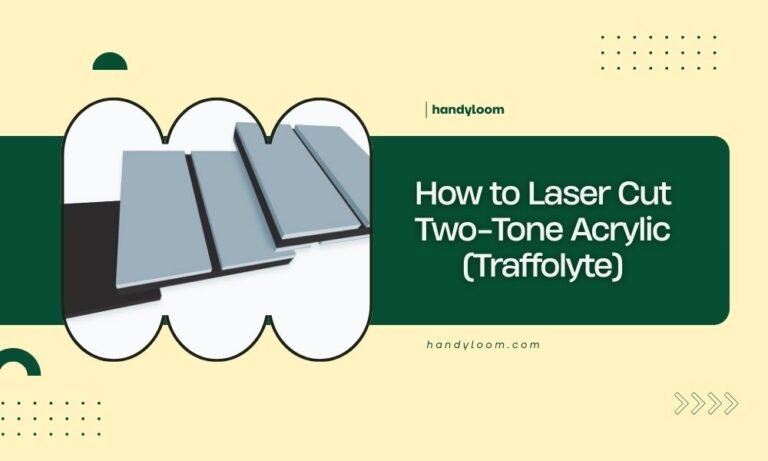
Laser cutting two-tone acrylic (Traffolyte) requires specific settings and techniques to achieve clean cuts without melting the layered material. You need lower power settings, higher cutting speeds, and proper air…

Making laser cut acrylic jewelry requires designing your pattern, choosing the right acrylic thickness, and using proper cutting settings for clean edges. You can create stunning acrylic jewelry pieces at…
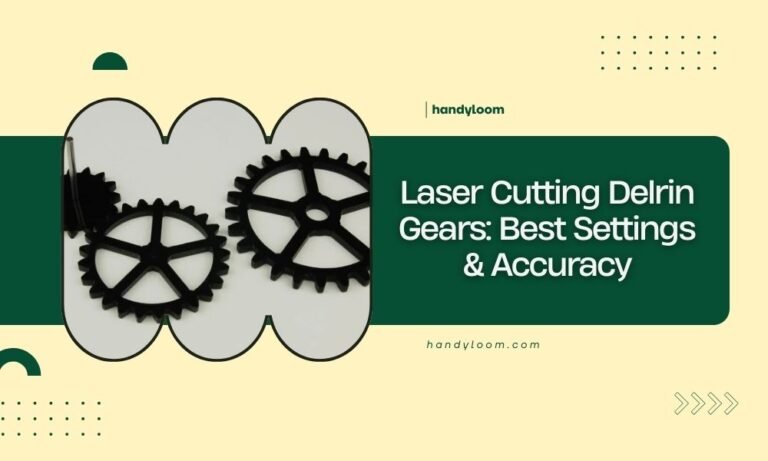
Laser cutting Delrin gears requires speeds of 150-300 mm/min and power settings between 60-80% for clean, accurate cuts. The key to perfect Delrin gear cutting lies in proper ventilation, multiple…
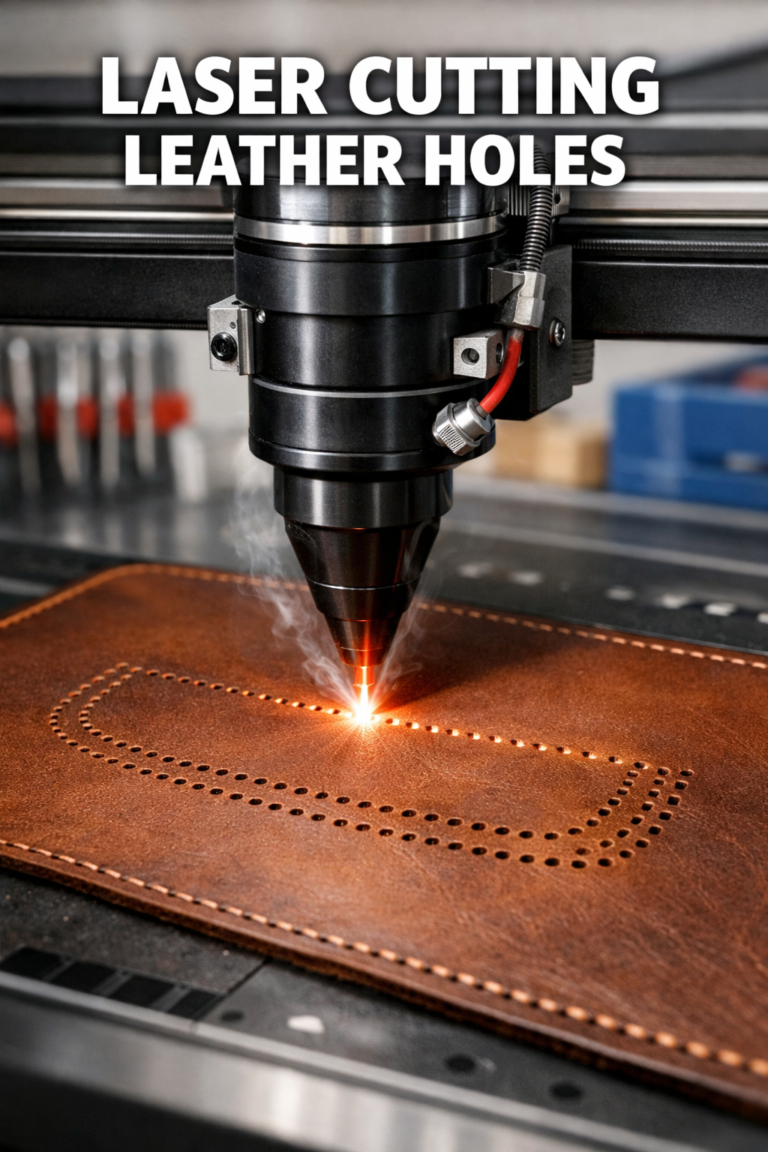
Adding laser cut sewing holes to leather requires precise marking, proper laser settings, and clean finishing techniques to create professional-quality perforations for your projects. You can achieve perfect sewing holes…
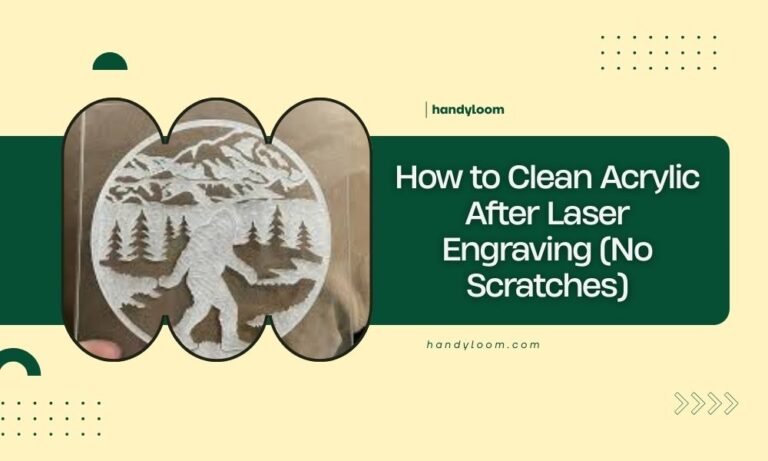
To clean acrylic after laser engraving without scratches, use warm soapy water with a microfiber cloth, moving in straight lines rather than circles. Avoid abrasive cleaners and always remove the…
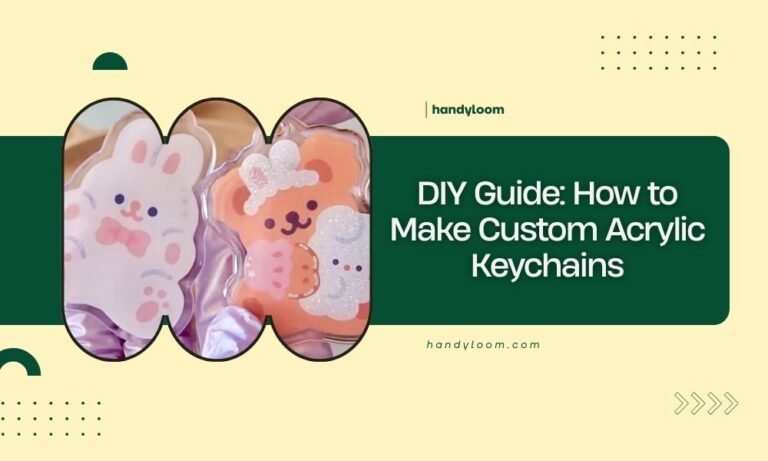
Making custom acrylic keychains requires cutting acrylic sheets with laser cutting tools or manual methods, then adding design elements and keychain hardware for a personalized finished product. You can create…
ABS plastic laser fumes contain harmful chemicals including hydrogen cyanide, carbon monoxide, and other toxic compounds that require proper ventilation and safety measures. You need exhaust ventilation, air filtration systems,…

Laser cutting polypropylene requires power settings between 40-70% and speeds of 15-25 mm/s for clean cuts without melting. The key to successful polypropylene cutting lies in finding the balance between…
To laser engrave high-detail photos on acrylic, you need to convert your image to grayscale, adjust the contrast and brightness, then use specific laser settings with low power (10-30%) and…
Laser cutting thin plastic sheets requires proper settings, material preparation, and ventilation to achieve clean cuts without melting or warping. The best techniques for laser cutting thin plastic sheets include…
Acrylic crazing happens when your laser cuts create stress fractures that look like spider webs in the material. You can prevent laser cracks by using proper power settings, slower cutting…
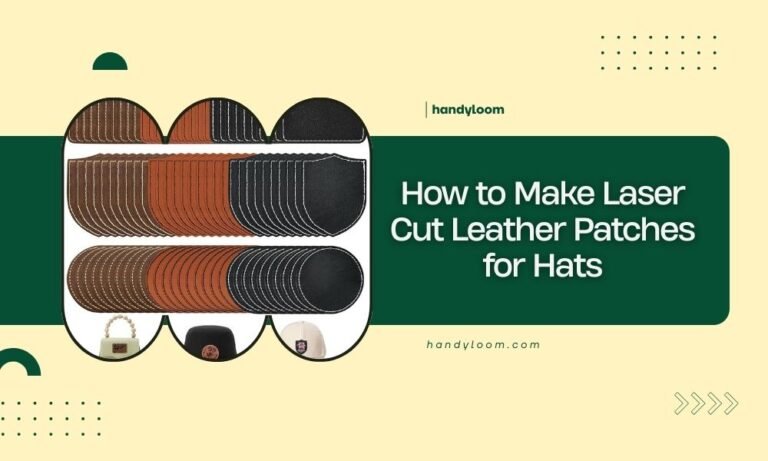
Making laser cut leather patches for hats requires choosing the right leather thickness, creating digital designs, and using proper laser settings for clean cuts without burning. You can create professional-looking…
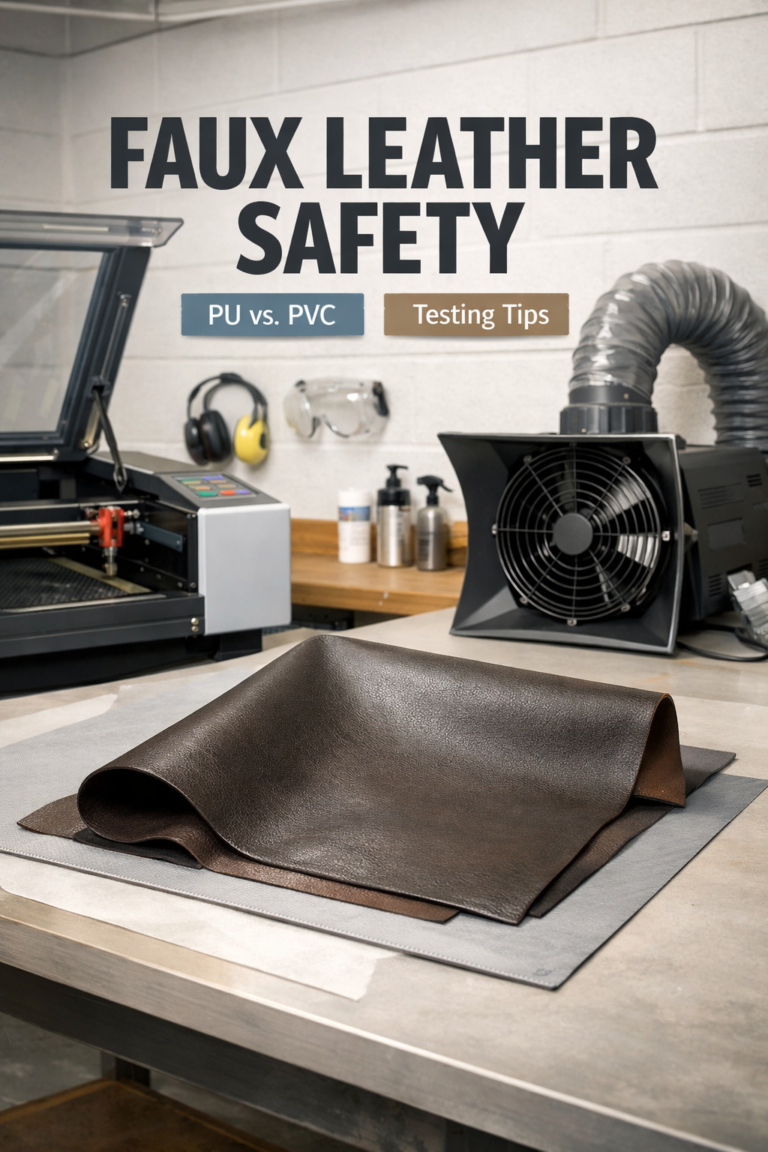
Faux leather is generally safe to laser cut if you use synthetic materials like polyurethane (PU) rather than PVC-based versions. The key is knowing what type of faux leather you’re…