How to Laser Etch Mirrors from the Back Side
Laser etching mirrors from the back side requires removing the reflective coating in specific patterns, then using low-power laser settings to create designs on the exposed glass surface. You’ll need…

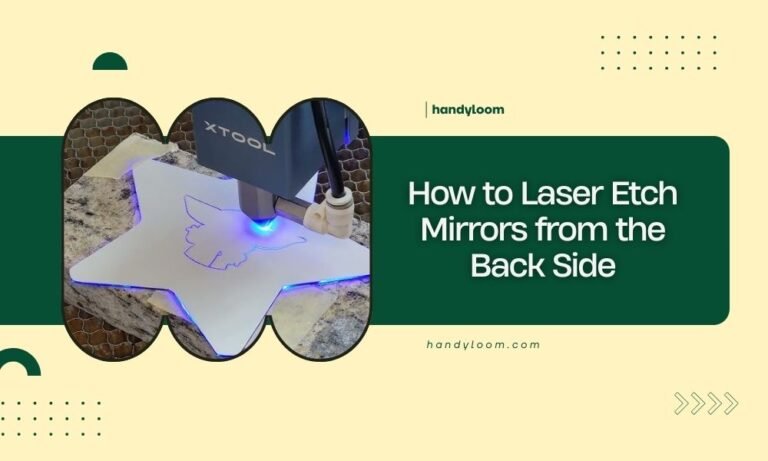
Laser etching mirrors from the back side requires removing the reflective coating in specific patterns, then using low-power laser settings to create designs on the exposed glass surface. You’ll need…
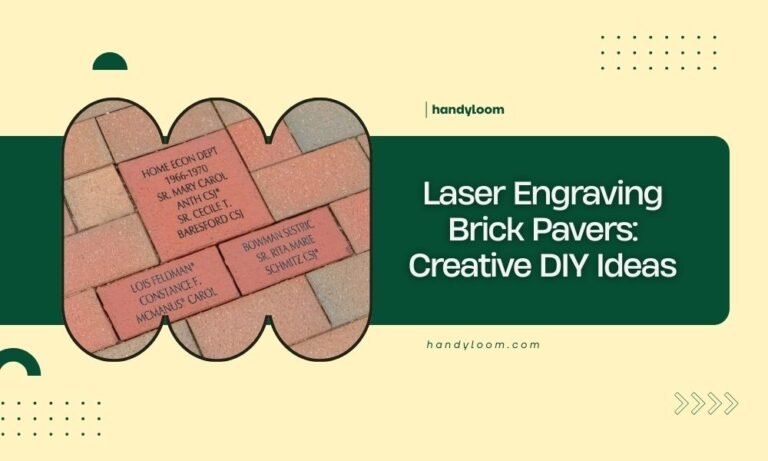
Laser engraving brick pavers transforms ordinary outdoor spaces into personalized works of art using precision laser technology to etch designs, text, or patterns directly onto brick surfaces. You can create…
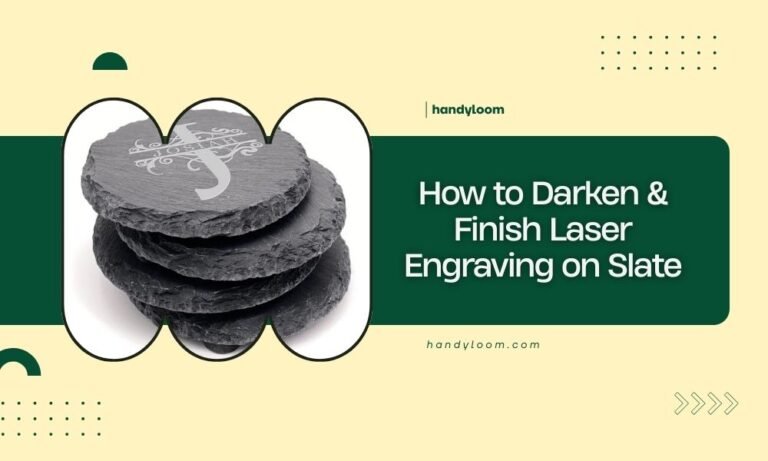
Darkening laser engraving on slate requires heat application, specialized products, or hand-filling techniques to make the engraved areas more visible and durable. The most effective methods include using a torch…
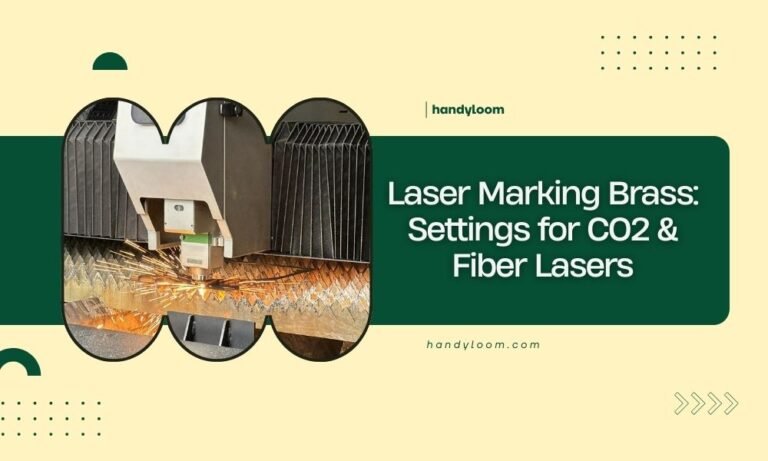
Laser marking brass requires precise power settings: CO2 lasers work best at 10-15% power with 300-500 mm/min speed, while fiber lasers need 20-30% power at 200-400 mm/min speed. The key…
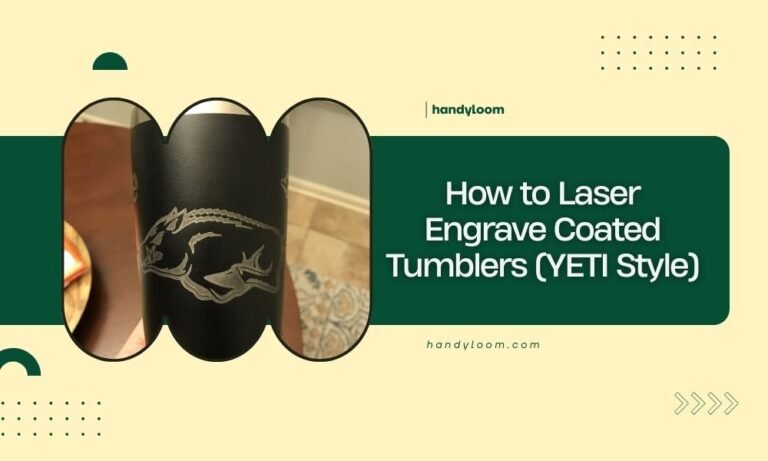
To laser engrave coated tumblers like YETI-style cups, you need to remove the powder coating first using your laser at high speed and low power before engraving the metal underneath….
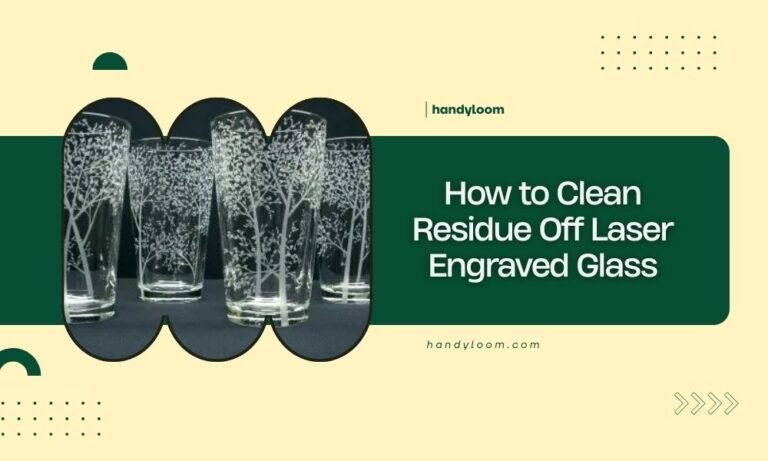
To clean residue off laser engraved glass, use isopropyl alcohol (70% or higher) with a lint-free cloth, gently wiping in circular motions to avoid scratching the engraved areas. For stubborn…
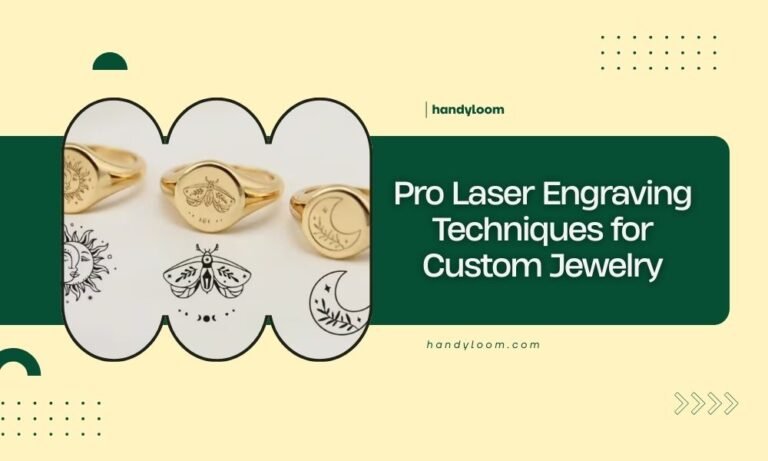
Pro laser engraving techniques for custom jewelry include using low power settings for delicate metals, proper focus calibration, and multi-pass engraving for deeper impressions. Start with test pieces to dial…
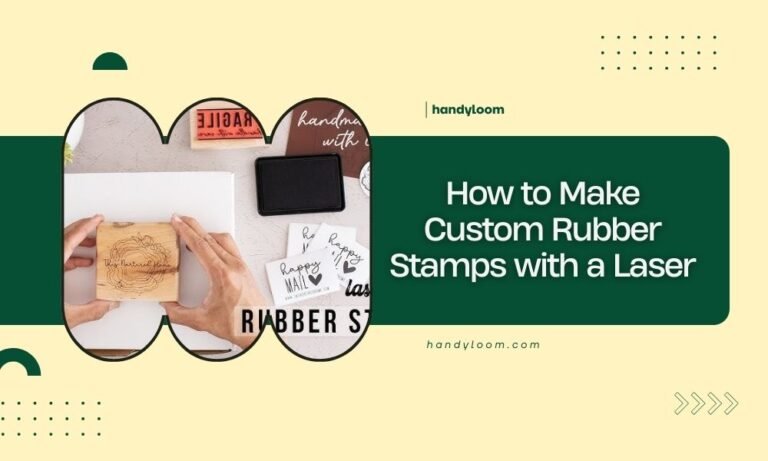
You can make custom rubber stamps with a laser by cutting rubber sheets at 10-20% power and slow speeds around 100-300mm/min. The laser removes material to create raised areas that…
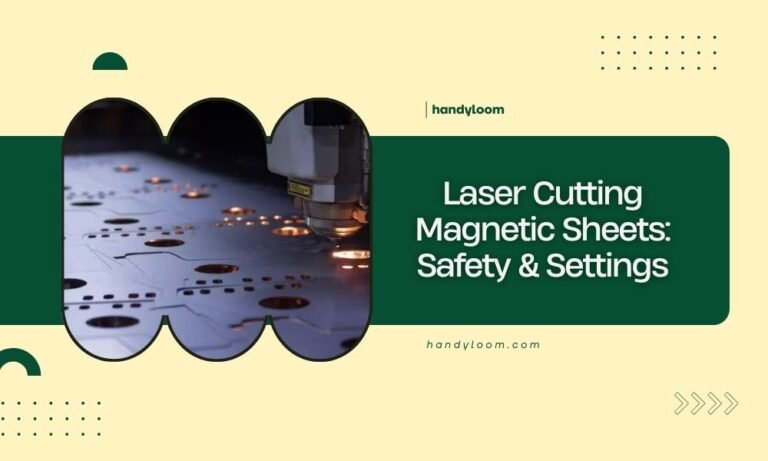
Laser cutting magnetic sheets requires setting your laser power to 50-70% with multiple passes at 10-20mm/min speed to avoid overheating the magnetic material. Safety precautions include proper ventilation, fire extinguisher…
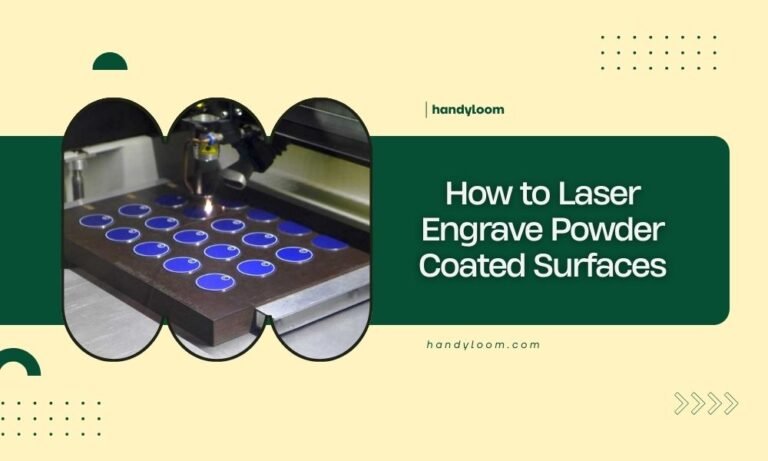
You can laser engrave powder coated surfaces by adjusting your laser settings to remove the coating layer and reveal the substrate beneath. The key is using the right power and…
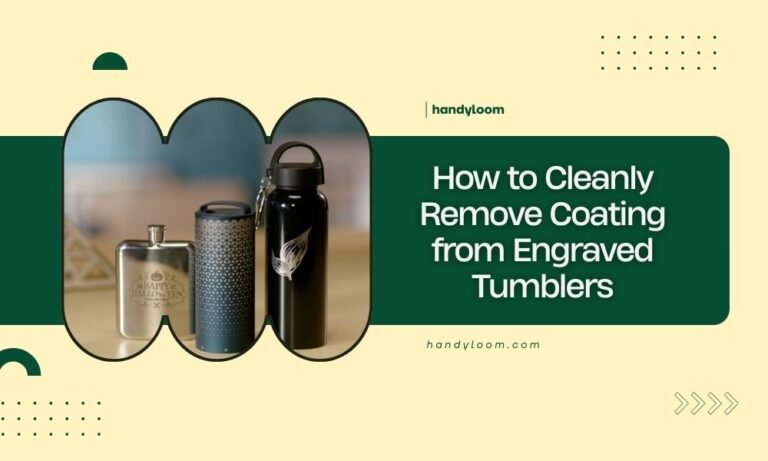
To cleanly remove coating from engraved tumblers, use acetone or nail polish remover with a soft cloth, working in gentle circular motions around the engraved areas. Heat methods like hair…
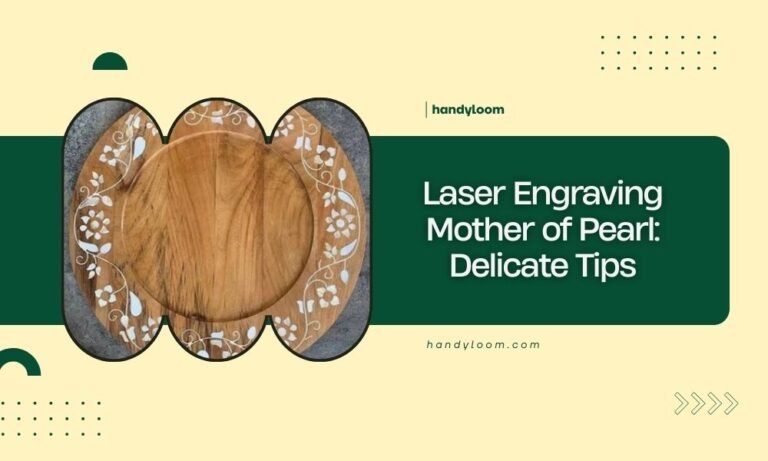
Laser engraving mother of pearl requires power settings between 10-30% and multiple light passes to avoid cracking this delicate material. The key to successful mother of pearl engraving lies in…
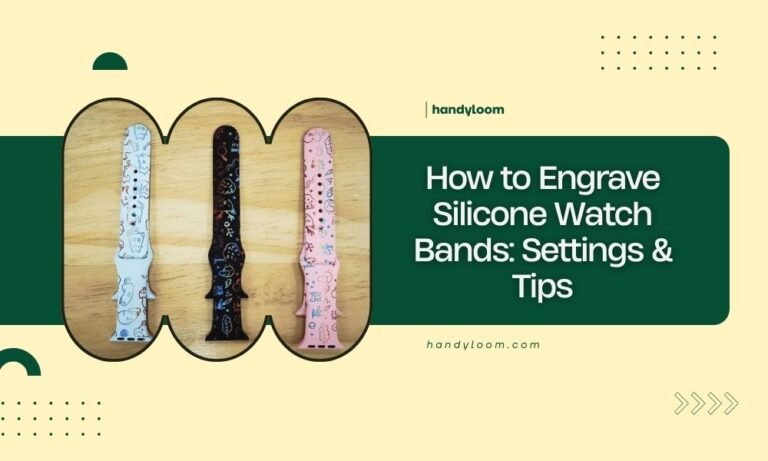
You can engrave silicone watch bands using a laser engraver with specific settings: 10-15% power, 800-1200 mm/min speed, and multiple light passes to avoid melting the material. The key to…
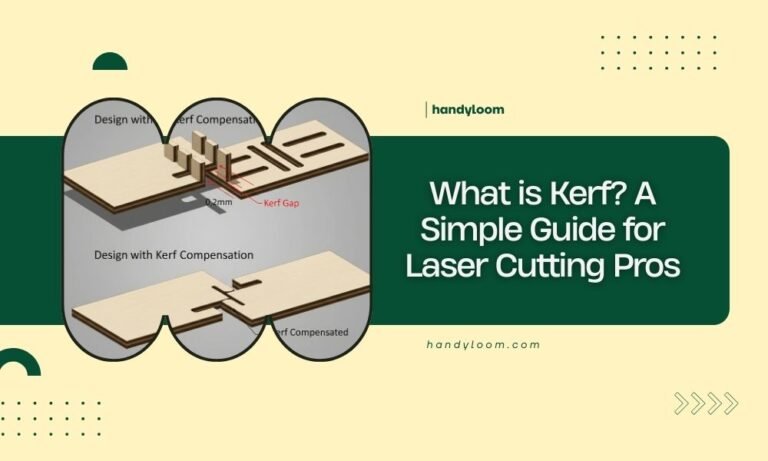
Kerf is the width of material that gets removed when your laser cuts through it, creating a narrow gap along the cut line. Understanding kerf helps you make precise cuts…
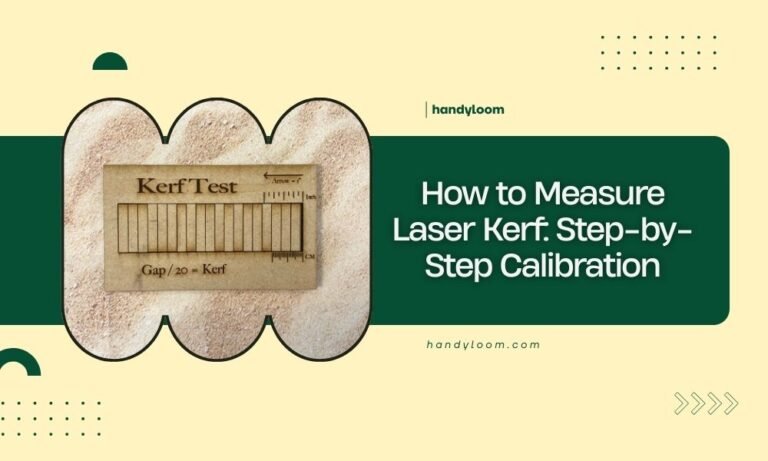
Measuring laser kerf requires cutting test squares and comparing their actual size to the original design dimensions – the difference divided by 2 equals your kerf width. You can calibrate…
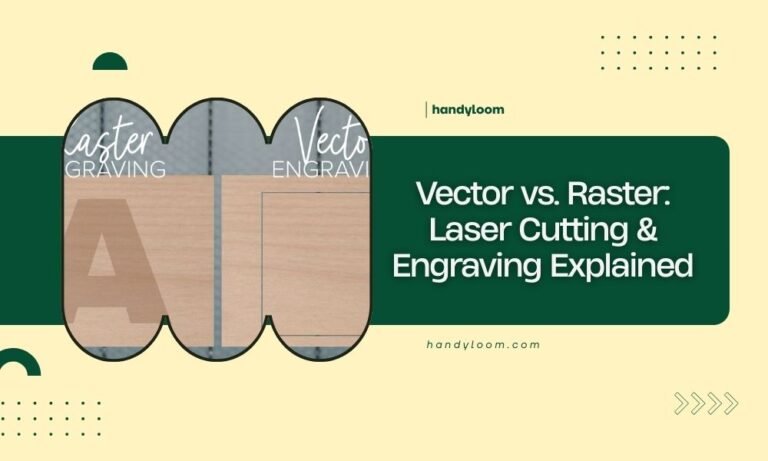
Vector files use mathematical formulas to create scalable graphics, while raster files are made of individual pixels. For laser cutting and engraving, vectors work best for cutting paths, and rasters…

Living hinges are flexible connections laser-cut as a series of cuts that let rigid materials bend like plastic or paper. You create living hinges by cutting parallel lines, waves, or…
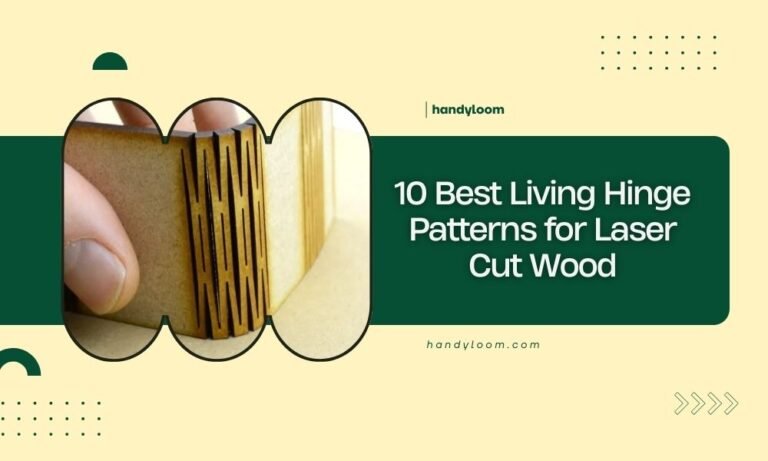
The best living hinge patterns for laser cut wood include wave, diamond, hexagonal, and linear designs that flex smoothly without breaking. Living hinge patterns work by creating strategic cuts that…
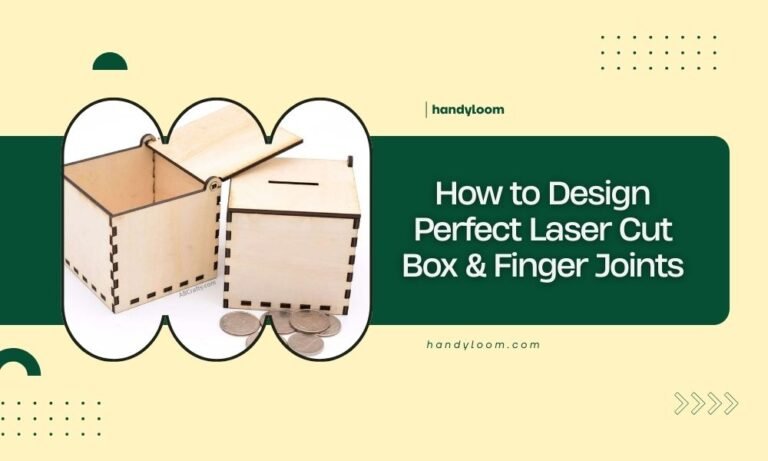
Perfect laser cut box finger joints require precise kerf compensation, proper material thickness calculations, and consistent spacing between fingers that’s typically 1.5 to 3 times your material thickness. Your finger…

Designing tabs and slots for laser models requires precise measurements and proper joint spacing to create strong, interlocking connections between your cut pieces. The key to successful tab and slot…