Laser Cutting Cork Fabric: Settings & Project Ideas
Laser cutting cork fabric requires low power settings of 10-20% and slow speeds of 100-200 mm/min to prevent burning and achieve clean cuts. Cork fabric works best with 40-60W CO2…

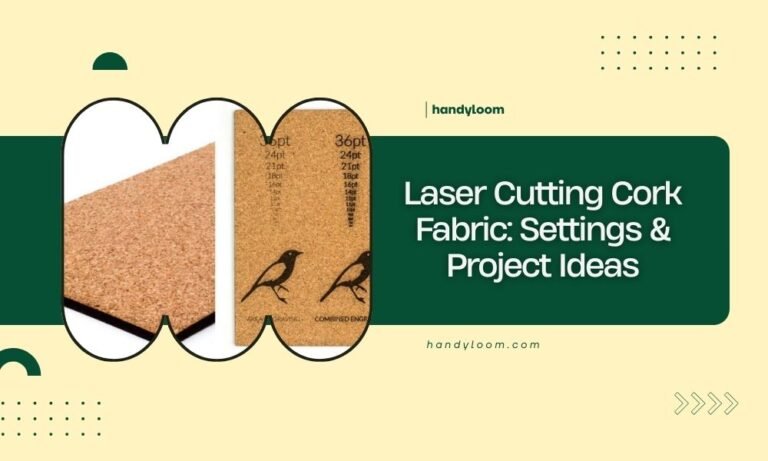
Laser cutting cork fabric requires low power settings of 10-20% and slow speeds of 100-200 mm/min to prevent burning and achieve clean cuts. Cork fabric works best with 40-60W CO2…
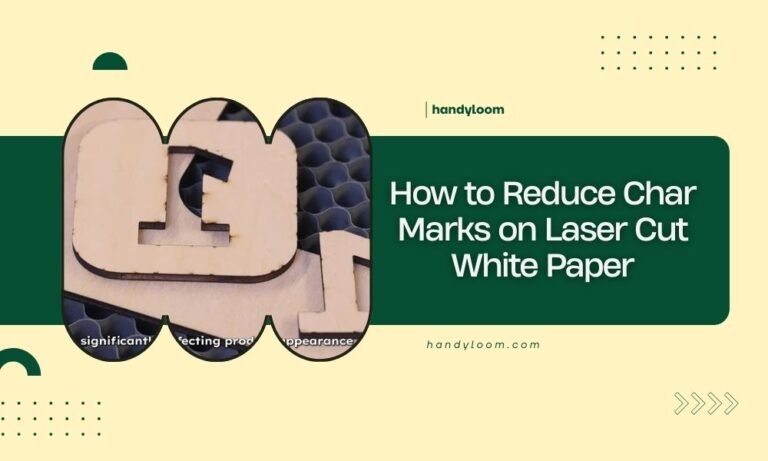
To reduce char marks on laser cut white paper, lower your laser power by 10-20% and increase cutting speed by 15-25% from your current settings. You can also use masking…
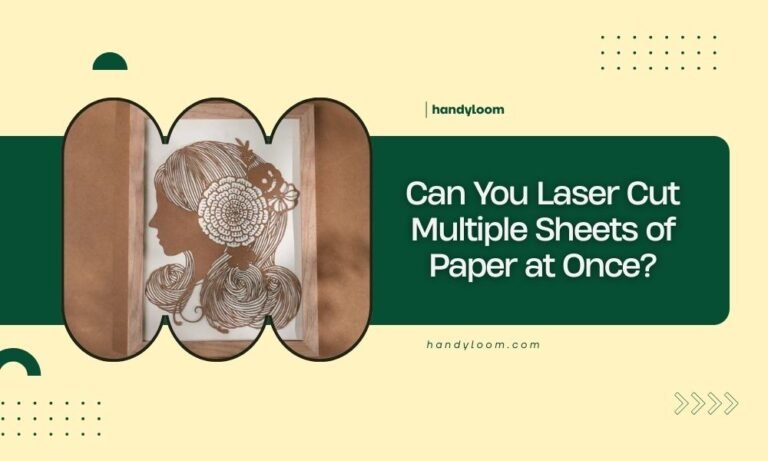
Yes, you can laser cut multiple sheets of paper at once, but the number depends on your laser’s power, paper thickness, and desired cut quality. Most hobby laser cutters can…
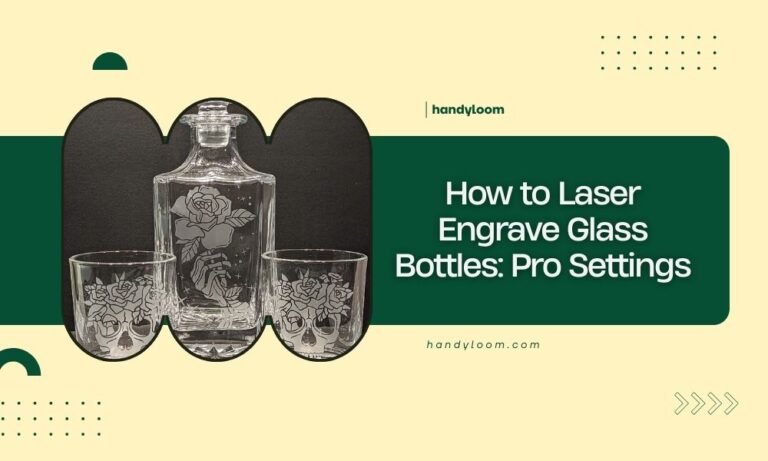
Laser engraving glass bottles requires a CO2 laser with 10-40% power, 100-500 mm/min speed, and multiple passes at 300-600 DPI resolution for crisp results. The key to professional glass bottle…
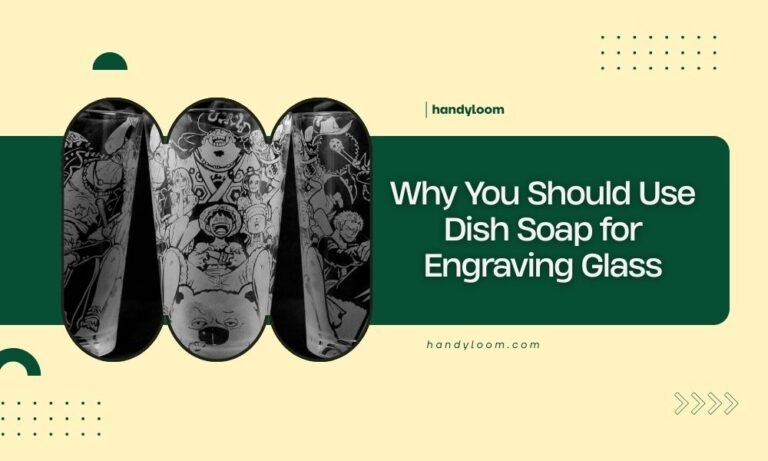
Dish soap works as an excellent lubricant for engraving glass because it reduces friction and prevents the engraving tool from slipping or chattering. Using dish soap for engraving glass creates…
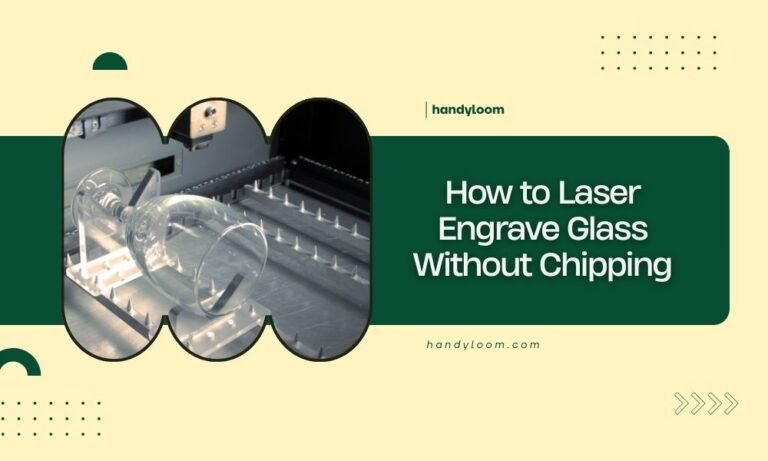
To laser engrave glass without chipping, use low power settings (10-20%), slow speeds, and apply painter’s tape or soap solution to the glass surface before engraving. The key is controlling…

A laser rotary attachment for glass lets you engrave cylindrical glass objects like bottles, mugs, and vases by rotating them during the laser cutting process. You’ll need proper settings, secure…

For laser engraving slate coasters, the best settings are typically 100% power at 100-200 speed with multiple passes for deep, clean results. Most laser cutters work well with slate using…
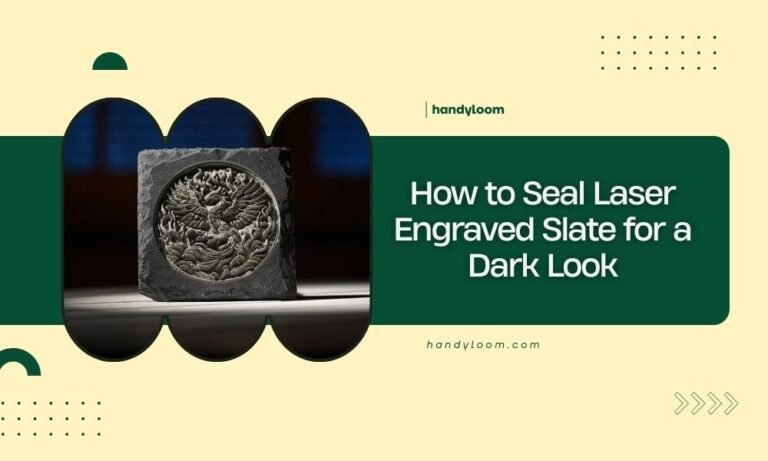
To seal laser engraved slate for a dark look, apply multiple thin coats of polyurethane or acrylic sealer, allowing each layer to dry completely before adding the next. The key…
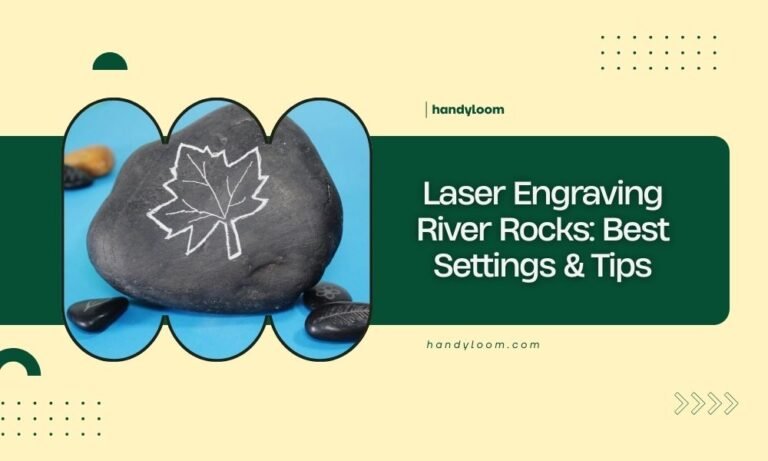
For laser engraving river rocks, use 70-80% power, 500-800 mm/min speed, and 300-600 DPI resolution for best results on most stone types. Clean your rocks thoroughly and apply masking tape…
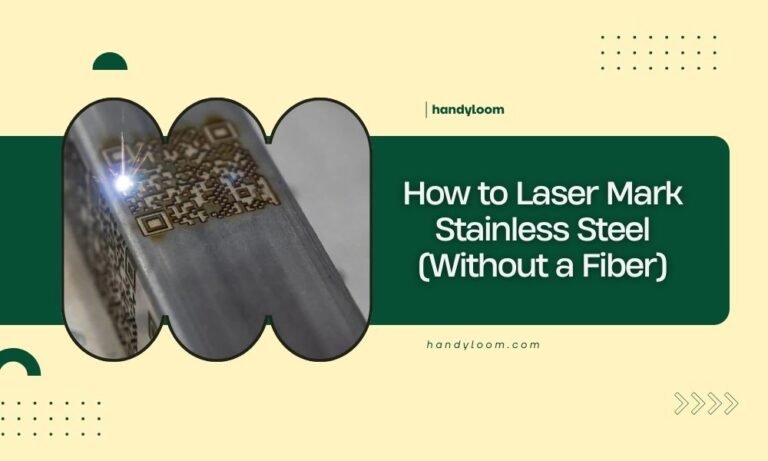
You can laser mark stainless steel without a fiber laser by using CO2 lasers with marking compounds, diode lasers with specialized coatings, or MOPA lasers with proper parameter adjustments. The…
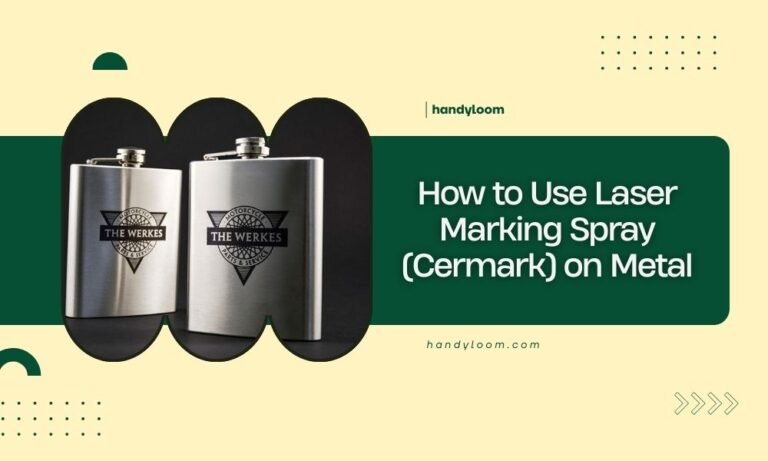
Laser marking spray like Cermark creates permanent marks on metal by applying a thin coating that bonds with the metal surface when heated by your laser beam. You simply clean…
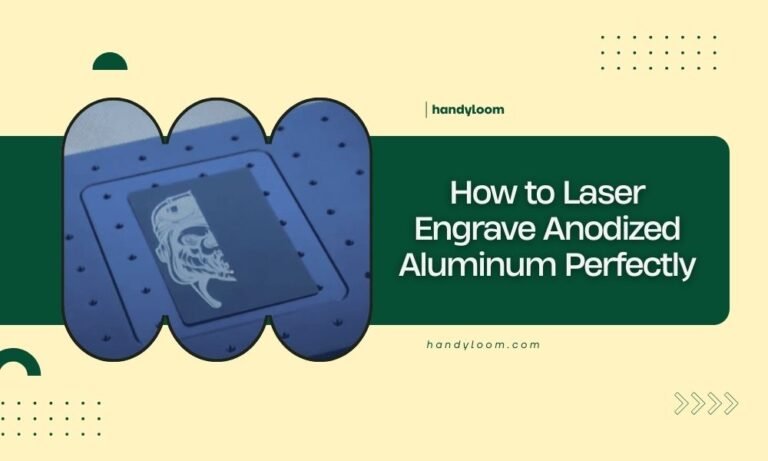
To laser engrave anodized aluminum perfectly, use low power settings (10-30%), slow speeds (100-500 mm/min), and high pulse frequency (20kHz+) to remove the anodized coating without damaging the base metal….
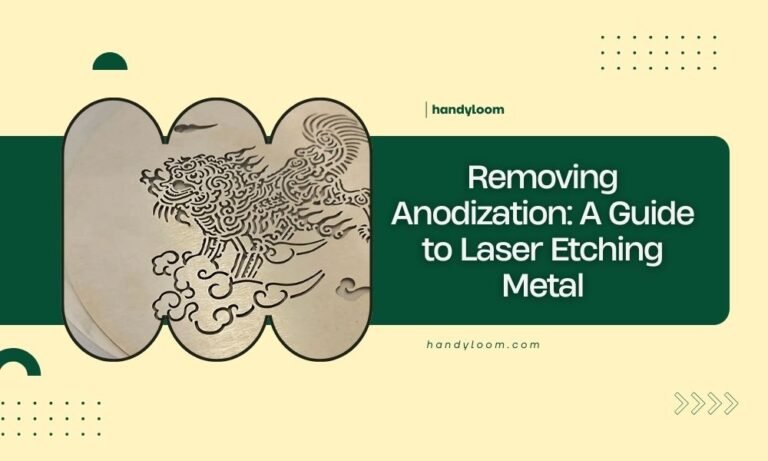
Removing anodization for laser etching metal requires chemical stripping or mechanical abrasion before etching to ensure clean, precise results on your metal surface. You can successfully remove anodization using sodium…
Laser engraving granite tiles requires power settings between 90-100% with slow speeds of 100-300mm/min for deep, clean results. The key to successful granite engraving lies in proper surface preparation, multiple…
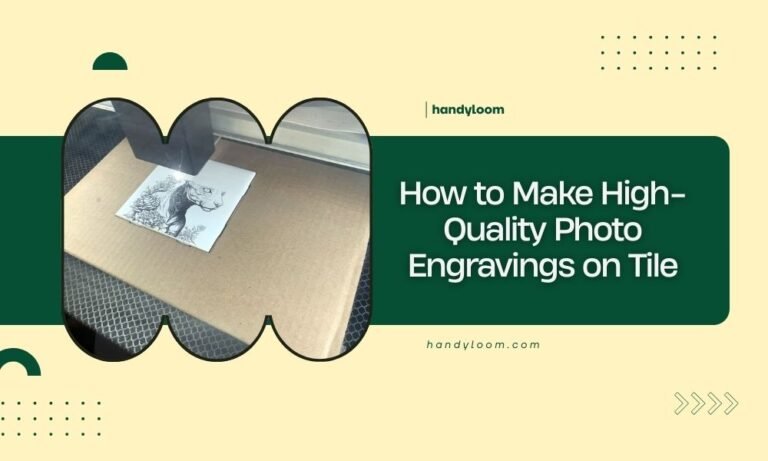
Creating high-quality photo engravings on tile requires a laser engraver set to 300-600 DPI with proper image preparation and ceramic-safe settings. You’ll need grayscale images, clean tile surfaces, and precise…
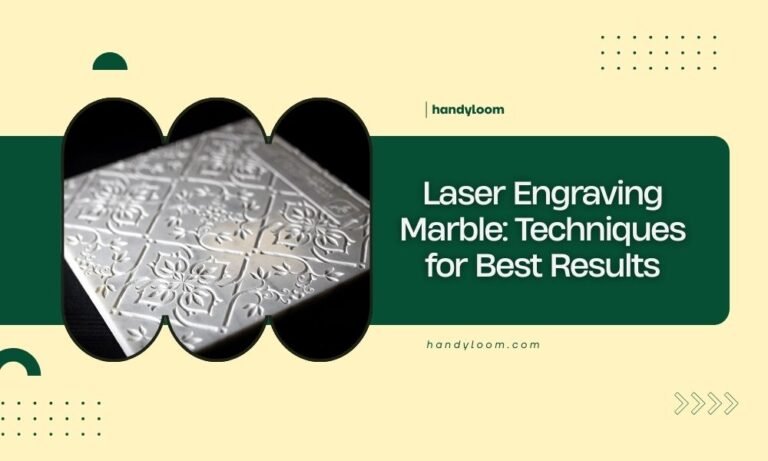
Laser engraving marble requires specific settings and techniques to achieve clean, detailed results without cracking or chipping the stone. You’ll need low power settings (10-30%), multiple passes, and proper surface…
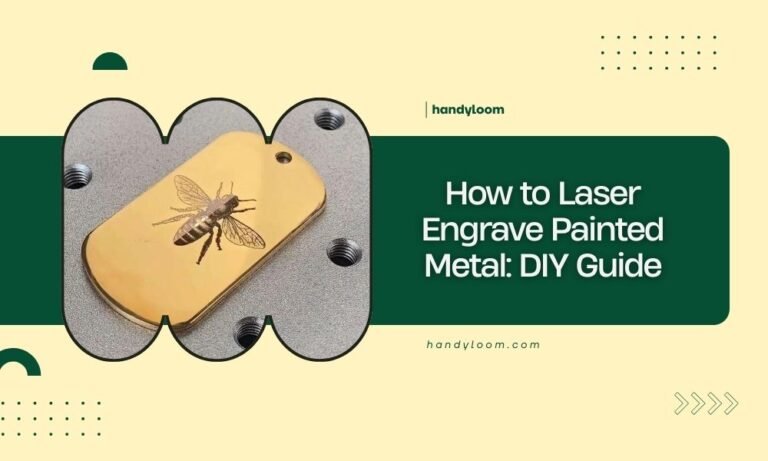
You can laser engrave painted metal by adjusting your laser power to 20-40% and speed to 500-1000mm/min, which removes paint layers without damaging the base metal underneath. The key is…
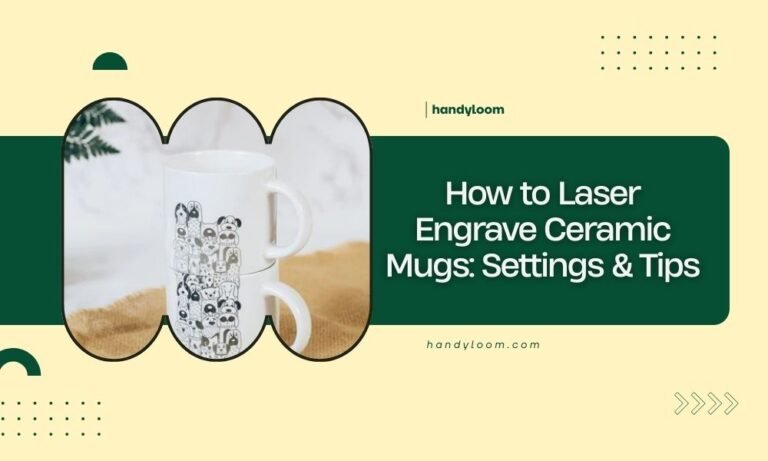
To laser engrave ceramic mugs, set your laser to 30-50% power with 60-80% speed and use multiple passes at 200-300 DPI resolution for best results. The key to successful ceramic…
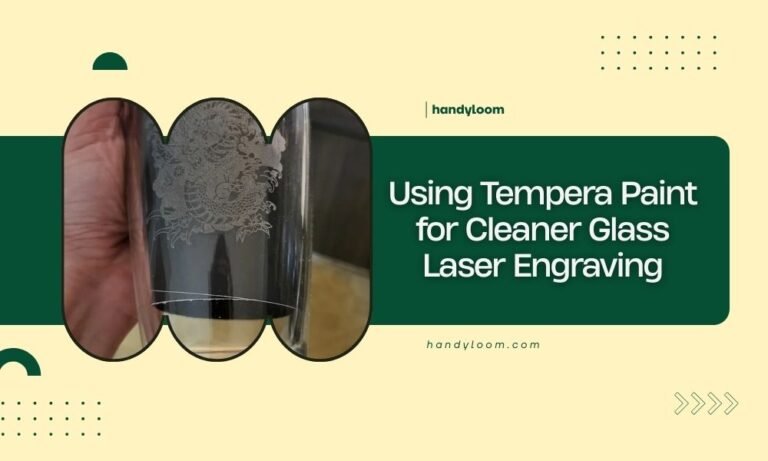
Tempera paint creates a protective coating on glass that helps laser engravers achieve cleaner, more precise engravings with less heat damage and chipping. When you apply tempera paint before laser…