
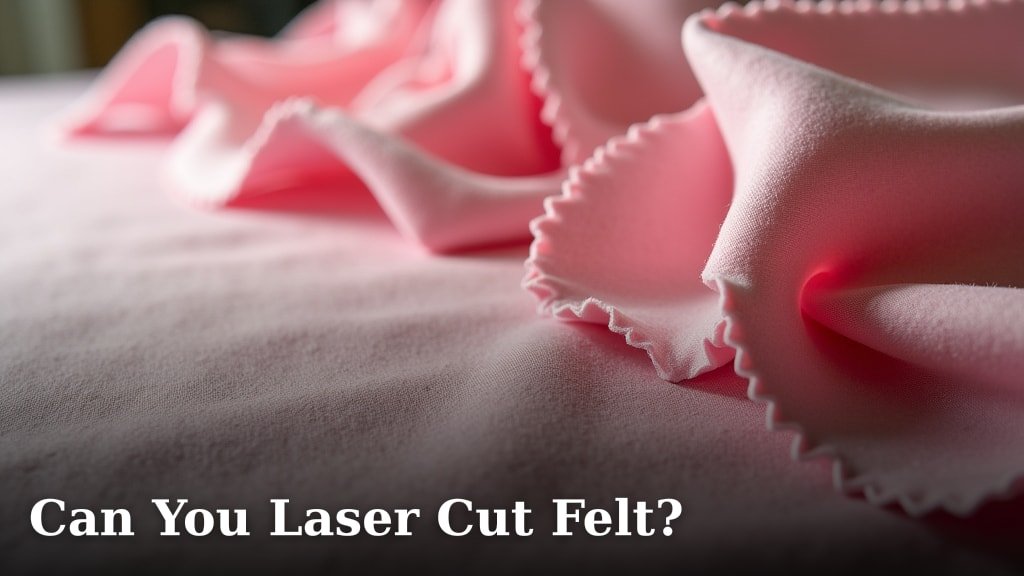
Yes, you can laser cut felt effectively, but the results vary based on the felt’s material composition. You’ll find that synthetic felts like acrylic and polyester cut cleanly with a laser. Natural wool felt also works well, often producing a nice, sealed edge.
Many crafters and businesses use laser cutters for intricate felt designs. You can create precise shapes and detailed patterns that are hard to achieve with scissors. Think about personalized patches or decorative items with zero fraying.
- Laser cutting felt is possible.
- Synthetic felts cut best.
- Wool felt also works well.
- Avoid natural felts with high glue content.
- Expect clean, sealed edges.
Let’s dive into the details of laser cutting felt, so you can achieve the best results for your projects.
Laser Cutting Felt Materials: What You Need to Know
You can certainly laser cut felt, but the type of felt makes all the difference. Some materials react beautifully to the laser. Others, not so much.
Understanding your felt’s composition is key here. It dictates how cleanly it cuts and whether it melts or burns.
Synthetic Felts: Your Best Bet for Lasering
When you’re looking for predictable results, synthetic felt is often your go-to. These are made from human-made fibers.
Acrylic and polyester felts are particularly good choices. They tend to melt slightly at the cut edge. This melting seals the fibers. You get a nice, clean finish with minimal fraying.
Acrylic Felt: A Popular Choice
We found that acrylic felt is one of the most widely used options for laser cutting. It’s inexpensive and comes in many colors.
Laser cutting acrylic felt produces a crisp, sealed edge. This means your designs will look professional and last longer.
Polyester Felt: Durable and Versatile
Polyester felt is another excellent synthetic material for laser cutting. It’s known for its strength and resistance to stretching.
Similar to acrylic, polyester felt also creates a clean, slightly melted edge. This makes it perfect for projects that need durability (Crafts Council).
Natural Felts: Proceed with Caution (Sometimes)
Natural felts can be laser cut, but they behave differently than synthetics. Their organic fibers react to the laser’s heat in unique ways.
The main concern with natural felts is the potential for burning or charring. You’ll need to adjust your laser settings carefully.
Wool Felt: A Good Option with the Right Settings
Wool felt is a natural powerhouse. Many crafters love its softness and durability. We found that it generally laser cuts well.
When you laser cut wool felt, the edges tend to seal and singe slightly. This can give it an interesting, rustic look. Just watch out for excess smoke.
Blended Felts: A Mixed Bag
You might encounter felts that are a blend of natural and synthetic fibers. These blends can be tricky. Their behavior depends on the dominant material.
Always do a small test cut with blended felts. This will help you understand how they react before committing to your main project.
Felts to Avoid for Laser Cutting
Not all felts are laser-friendly. Some materials can be damaged or even dangerous to cut with a laser.
Cotton felt, for instance, tends to char and burn easily. It doesn’t melt like synthetics. This results in dark, brittle edges and a lot of smoke.
Also, steer clear of any felt that contains a lot of glue or binders. These can release toxic fumes when heated. Always prioritize safety.
Achieving the Best Laser Cut Felt Results
Getting a perfect cut isn’t just about the material. Your laser settings and technique play a huge role. Think of it like baking a cake – the ingredients are important, but so is the oven temperature.
Here’s how you can get consistently great results with your felt projects.
Essential Laser Settings for Felt
Your laser cutter’s power, speed, and frequency are crucial. These settings determine how the laser interacts with the felt.
Every laser machine is different. So, the exact numbers will vary. But we can give you a starting point.
Power and Speed: The Dynamic Duo
Generally, you’ll want to use lower power and higher speed for felt. This helps prevent excessive burning.
Too much power can vaporize the felt too quickly. Too little power means the laser won’t cut through completely.
Start with a speed of around 150-200 mm/s and power set to 10-20% for a CO2 laser. You might need to adjust up or down (Trotec Laser).
Frequency (PPI/Hz): Controlling the Edge
Frequency, also known as Pulses Per Inch (PPI) or Hertz (Hz), controls how many laser pulses hit the material.
A higher frequency can help create a smoother, more sealed edge, especially for synthetic felts. Experiment to see what works best for your specific material.
Workpiece Preparation and Machine Setup
Getting your felt and machine ready before cutting saves a lot of headaches. A little prep goes a long way!
Make sure your felt is flat and free of wrinkles. You can use masking tape to secure it to your laser bed. This prevents movement during cutting.
Ventilation: Don’t Skip This Step!
Laser cutting felt, especially natural fibers, produces smoke and fumes. Good ventilation is non-negotiable.
Ensure your laser cutter’s exhaust system is working properly. You want to clear those fumes away from your workspace and yourself.
Focal Length: Sharpness Matters
Having the correct focal length ensures the laser beam is at its sharpest point on the felt’s surface. This leads to a cleaner cut.
Check your machine’s manual for instructions on setting the focal length. It’s often a simple adjustment.
Test Cuts: Your Best Friend
Seriously, never skip a test cut! This is perhaps the most important tip we can give you.
Cut a small, inconspicuous shape from a scrap piece of the exact felt you plan to use. Adjust your settings until you achieve the desired result.
It’s much better to waste a tiny piece of felt than to ruin your whole project. Test cuts save time and material in the long run.
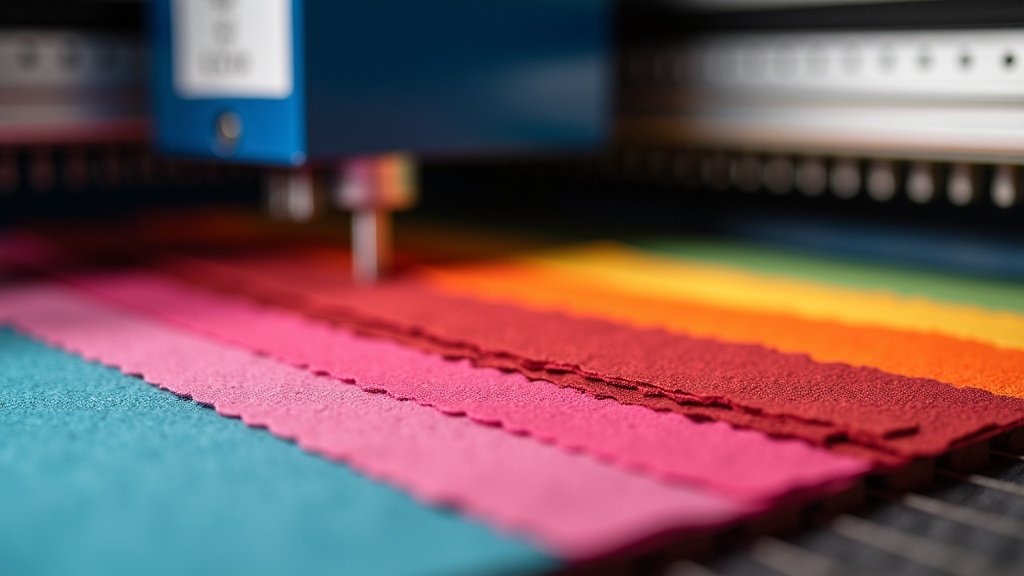
Advantages and Projects for Laser Cutting Felt
Why go through all this trouble? Because laser cutting felt opens up a world of possibilities for detailed, professional-looking projects.
The precision and clean edges you get are hard to match with traditional cutting methods.
Key Benefits of Laser Cutting Felt
When you use a laser cutter for felt, you unlock several powerful advantages. These benefits make it ideal for many creative and commercial applications.
The biggest benefit is probably the exceptional detail you can achieve. Lasers can cut designs that would be impossible with scissors.
| Benefit | Description |
|---|---|
| Precision Cuts | Achieve incredibly intricate and accurate shapes. |
| Sealed Edges | Synthetic felts often melt, sealing raw edges and preventing fraying. |
| Speed | Cut complex designs much faster than by hand. |
| Consistency | Reproduce the exact same design multiple times flawlessly. |
| Less Waste | Optimized cutting paths minimize material waste. |
Inspiring Project Ideas
So, what can you actually make with laser-cut felt? The list is pretty extensive! Let your imagination run wild.
You can create everything from decorative items to functional pieces. Think about items that benefit from sharp details and a clean finish.
- Appliqués and Patches: Create custom shapes for clothing, bags, or crafts.
- Coasters and Mats: Design unique felt coasters with intricate patterns.
- Jewelry and Accessories: Cut delicate felt earrings or brooches.
- Kids’ Crafts and Toys: Produce precise pieces for felt board stories or soft toys.
- Decorative Items: Make felt garlands, ornaments, or unique wall art.
- Prototyping: Quickly cut felt patterns for clothing or textile designs.
Felt Laser Cutting Checklist
Before you begin your next felt project, run through this quick checklist. It will help ensure a smooth and successful experience.
Taking these simple steps can prevent common problems and ensure you get beautiful results every time.
- ✓ Confirm your felt’s material composition.
- ✓ Prepare your laser file for cutting.
- ✓ Securely lay your felt flat on the laser bed.
- ✓ Set appropriate power, speed, and frequency.
- ✓ Ensure proper ventilation is active.
- ✓ Always perform a small test cut on scrap material.
Conclusion
So, can you laser cut felt? Absolutely! You’ve learned that synthetic options like acrylic and polyester are often your best bet for clean, sealed edges. Natural wool felt also works well when you dial in the right settings. Remember to always prioritize safety with proper ventilation and never skip those crucial test cuts.
By understanding your materials and mastering your laser’s settings, you can open up a world of creative possibilities. Now, go forth and transform your felt projects with precision and flair!
Frequently Asked Questions
What kind of laser machine is best for cutting felt?
For most felt cutting applications, a CO2 laser machine is ideal. These lasers are powerful enough to cut through felt cleanly and efficiently. Diode lasers can also work for very thin felt but are generally less powerful.
Does laser cutting felt create a lot of smoke or fumes?
Yes, laser cutting felt, especially natural fibers like wool, can generate significant smoke and fumes. It’s crucial to have a strong ventilation system in place to protect your health and keep your workspace clean. You’ll definitely smell the material burning.
Can I cut stacked layers of felt with a laser?
While possible, cutting multiple layers of felt with a laser can be tricky. It often requires higher power settings and can lead to less precise cuts on the lower layers. Test with a few layers to see if your machine can handle it effectively.
How do I prevent scorching or burning when laser cutting felt?
To prevent scorching, use lower power settings and increase your cutting speed. A higher frequency (PPI/Hz) can also help create a cleaner edge. Always perform test cuts on scrap material to fine-tune your settings before cutting your main project.
Is laser-cut felt safe for children’s toys or clothing?
When laser cutting felt for children’s items, ensure you use felt that is non-toxic and child-safe. The laser cutting process itself doesn’t add harmful chemicals. However, always verify your felt material’s safety ratings before use.
