
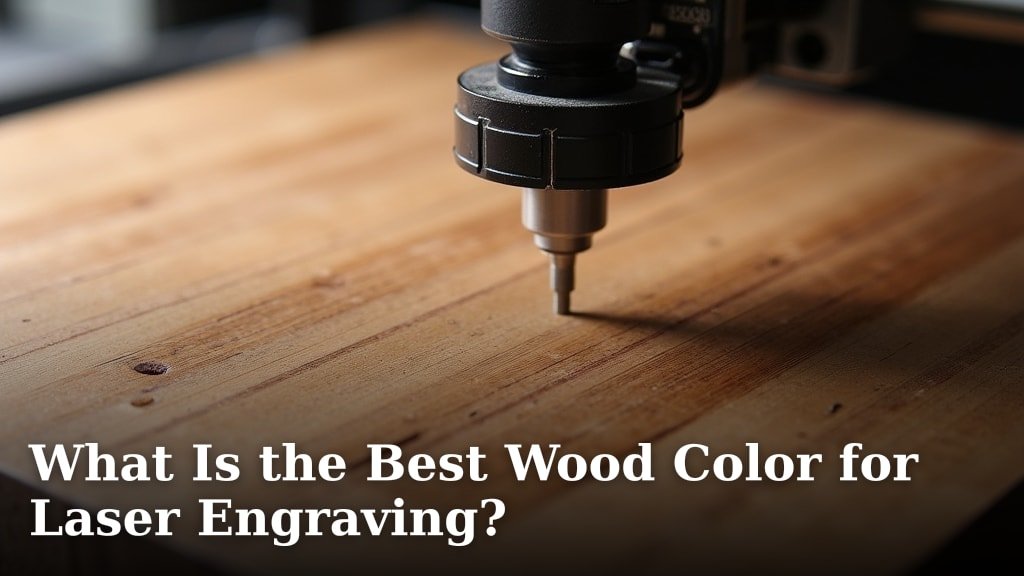
The best wood color for laser engraving is usually a lighter wood, like maple or birch. These woods offer a great contrast for the engraved marks. Darker woods can still work, but the engraving might not stand out as much. We’ve found that the wood’s grain pattern also plays a big role in how your design looks.
Choosing the right wood ensures your laser-etched designs have that stunning visual pop. Different wood types react differently to laser heat. Some woods may scorch more easily, affecting the final look. Understanding these differences helps you pick the perfect canvas for your creative projects. We’ll help you navigate these choices.
- Light-colored woods like maple and birch are generally best.
- They provide excellent contrast for laser engraving.
- Wood grain and type affect the final engraved appearance.
- Experimentation is key for unique results.
Let’s dive into the specifics of wood colors and how they impact your laser engraving projects. We’ll help you choose the perfect wood every time.
Choosing the Right Wood for Laser Engraving: Color Matters
So, you’re ready to fire up your laser engraver and create something amazing on wood. That’s fantastic! But before you hit that button, let’s talk about wood color. It’s a bigger factor than you might think. The color of your wood directly impacts how visible and striking your engraved designs will be. It’s like picking the right background for a photo.
We’ve found that lighter wood colors generally give you the most pleasing results. Think of them as a blank canvas that makes your etched details pop. Darker woods can be beautiful, but sometimes the engraving can get a bit lost. We want your hard work to shine, right?
Understanding Wood Colors and Laser Reactions
Wood isn’t just wood; it’s a natural material with a wide spectrum of colors. These colors come from different types of trees and how they grow. When your laser engraver hits the wood, it burns away a thin layer. The resulting mark’s color depends on this burned material and the original wood color beneath it.
Generally, the burned wood will be a darker shade than the original material. This is why lighter woods provide that desirable contrast. A dark burn mark on a light background is much easier to see than a dark burn mark on an already dark background.
The Appeal of Light-Colored Woods
Light-colored woods are often the go-to for laser engraving. They offer a bright, clean base that really lets your designs stand out. You’ll get sharp, well-defined lines and details with these materials. They are forgiving, too, meaning small mistakes are less noticeable.
Maple: A Top Choice for Engraving
Maple wood is a favorite among laser engravers, and for good reason. It has a very light, creamy color. Its fine, even grain also helps create smooth, detailed engravings. You can achieve beautiful shading and intricate patterns with maple. We’ve seen stunning results on maple, from delicate portraits to bold geometric patterns.
Birch: Another Excellent Light Wood Option
Birch is another fantastic light-colored wood. It often has a slightly warmer tone than maple, sometimes with a lovely subtle figuring. Like maple, birch has a tight, uniform grain that makes it ideal for precise engraving. It’s also widely available and relatively affordable, making it a practical choice for many projects.
Poplar: A Budget-Friendly Light Wood
If you’re looking for an even more budget-friendly option, consider poplar. Its color can vary a bit, sometimes with greenish streaks, but it’s generally a light, consistent wood. While its grain might not be as fine as maple or birch, it still engraves well and provides good contrast. It’s a great wood for practicing your settings or for larger projects where cost is a concern.
Working with Medium-Colored Woods
Medium-colored woods can also yield beautiful results, but they require a bit more consideration. Woods like alder or some cherry can offer a warm, inviting tone. The key here is often the contrast between the laser-etched mark and the wood’s natural color.
You might find that you need to adjust your laser settings carefully with medium-toned woods. A slightly deeper engraving might be necessary to ensure your design is clearly visible. Experimentation is definitely your friend when working with these woods.
Alder: A Warm and Versatile Choice
Alder has a lovely reddish-brown hue. It’s a bit darker than birch or maple but lighter than many darker hardwoods. Its grain is generally straight and uniform. We found that alder engraves with a nice crispness, and the contrast is usually good enough for most designs. It adds a natural warmth to engraved pieces.
Cherry: Rich Tones for Engraving
Cherry wood starts as a light pinkish-brown and darkens to a richer, deeper reddish-brown over time. When you engrave cherry, the marks typically come out a darker brown. The contrast can be quite elegant. You’ll want to ensure your design isn’t too fine or delicate if the wood has started to darken significantly, as the engraving might blend more.
Dark-Colored Woods: Challenges and Opportunities
Dark-colored woods like walnut or mahogany present a different set of challenges and opportunities. While the contrast might be less dramatic, these woods offer a rich, luxurious aesthetic. The engraved marks often appear as a dark brown or even black, which can be striking on their own.
The main hurdle with dark woods is achieving sufficient contrast. Your engraving might appear more subtle. This can be a deliberate artistic choice! You might need to increase your laser power or decrease your speed to get a deeper, more visible mark. However, be careful not to burn too deeply, as this can damage the wood or create an undesirable charred effect.
Walnut: Elegant but Demanding
Black walnut is a popular choice for its deep, rich brown color. It has a beautiful grain pattern, often with swirling or wavy figures. When you engrave walnut, the marks are usually a dark brown to black. Because the wood is already dark, the engraved areas might not stand out as much as on lighter woods. You’ll need to focus on achieving clean, precise lines. The texture of the engraved area itself becomes a key part of the design.
Mahogany: A Classic Look
Mahogany offers a beautiful reddish-brown color. Its grain can be straight or interlocked, and it has a natural luster. Like walnut, mahogany is a darker wood, so contrast can be an issue for engravings. You might find that the engraved areas appear as a darker shade of red-brown or black. For the best results, you’ll want to ensure your design has good definition and avoid overly fine details that could get lost.
The Role of Wood Grain in Engraving
Beyond color, the wood grain pattern is incredibly important. Even with the perfect color, a busy or inconsistent grain can interfere with your design. Straight, fine grains are generally best for detailed work.
We’ve found that woods with a uniform grain structure, like maple and birch, allow the laser to cut cleanly. Woods with more prominent or irregular grain can sometimes cause the laser beam to scatter or engrave unevenly. This can lead to a less crisp or even fuzzy appearance in your engraved lines. It’s like trying to draw a straight line on bumpy terrain.
Factors Beyond Color: Wood Type and Density
It’s not just about color; the type and density of the wood also play a role. Hardwoods generally engrave differently than softwoods. Denser woods might require more power or slower speeds.
Some woods contain natural oils or resins that can affect how they engrave. For instance, certain woods might produce more smoke or have a stronger odor when lasered. We recommend doing a small test area on any new wood type to see how it reacts. This helps you nail down the right settings for power, speed, and focus.
Quick Checklist: Picking Your Perfect Wood Color
Here’s a quick way to think about your wood color choice:
- Prioritize contrast: Lighter woods usually offer the best contrast for visible engraving.
- Consider your design: Fine details need a smooth, light surface. Bold designs can work on darker woods.
- Think about the final look: Do you want a subtle or a bold engraved effect?
- Test your settings: Always do a small test patch on a new wood type.
- Grain matters: Look for woods with fine, even grain for best results.
- Budget: Lighter woods like poplar can be more affordable for larger projects.
Experimentation is Key!
While we’ve outlined general guidelines, remember that every piece of wood is unique. The best way to find your perfect wood color and type is through experimentation. Don’t be afraid to try different species, finishes, and laser settings.
What looks fantastic on one piece of maple might look slightly different on another. Embrace the natural variations! You might discover that a medium-toned wood with a particularly interesting grain gives you a look you absolutely love. Happy engraving!
Conclusion
Choosing the best wood color for laser engraving ultimately comes down to the contrast you want to achieve. You’ve learned that lighter woods like maple and birch are your safest bet for maximum pop and detail. Medium and darker woods offer unique aesthetics but require more careful laser settings. Remember, the wood’s grain and density also play a big part. Your next step is to grab a few different wood samples, from light maple to darker walnut, and run some test engravings. This hands-on approach will quickly show you what works best for your specific designs and laser machine.
Frequently Asked Questions
Will a dark wood laser engraving always look bad?
Not necessarily! While dark woods like walnut and mahogany offer less contrast, they can produce a very elegant, subtle engraved look. You might need to adjust your laser settings, like increasing power or slowing down, to get a visible mark. The texture of the engraving itself can become part of the design.
Can I engrave on painted or stained wood?
Yes, you can, but it changes the outcome. Laser engraving on painted or stained wood removes the coating, revealing the natural wood color underneath. The engraved marks will have the color of the exposed wood, not the original finish. This can create interesting two-tone effects.
How does the wood grain affect engraving color?
Wood grain can definitely influence the engraved color. Areas with tighter, denser grain might engrave slightly lighter or darker than areas with more open grain. Sometimes, a very busy grain can make fine engraved details appear less sharp or slightly fuzzy.
Does the type of laser matter for wood color choice?
While the wood color is the primary factor, different laser types (CO2 vs. diode) can react slightly differently. Generally, the principles of contrast and wood reaction remain the same. Always test your settings on a scrap piece of wood with your specific laser.
What if my wood has knots? Will they engrave differently?
Knots in wood are denser and can engrave differently than the surrounding wood. They might appear darker or have a more textured appearance. Some people find knots add character, while others prefer to avoid them for perfectly uniform engravings.
