How to Cut Basswood for Architectural Models
To cut basswood for architectural models, use a sharp craft knife or fine-toothed saw with gentle, controlled strokes along a straightedge. The key to clean basswood cuts is keeping your…


To cut basswood for architectural models, use a sharp craft knife or fine-toothed saw with gentle, controlled strokes along a straightedge. The key to clean basswood cuts is keeping your…
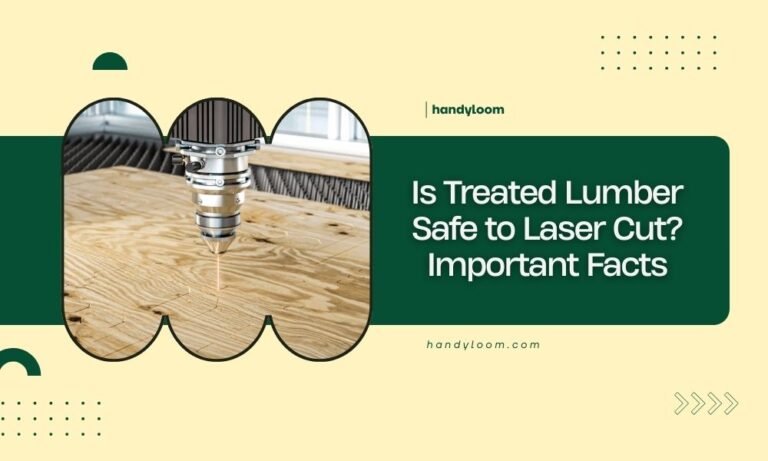
Treated lumber is generally not safe to laser cut due to toxic chemical emissions that can damage equipment and pose serious health risks. The preservatives in treated lumber release harmful…
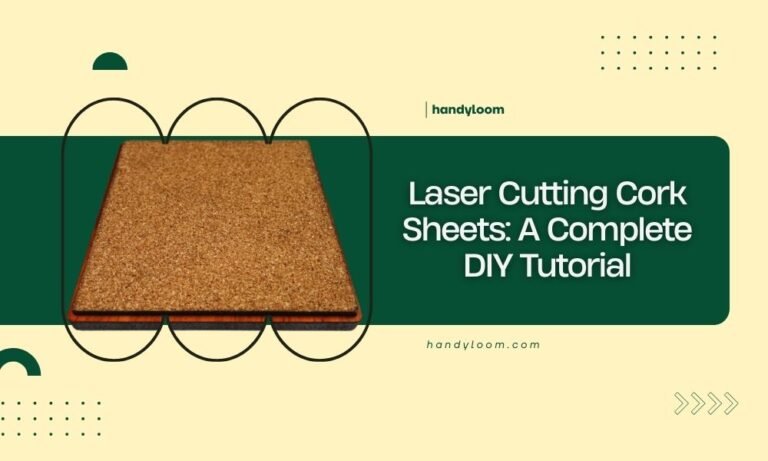
Laser cutting cork sheets requires a CO2 laser cutter with 10-40 watts power, operating at low speeds (100-300 mm/min) to prevent burning the natural material. You’ll get clean, precise cuts…

Creating stunning 3D wood relief laser engravings requires selecting the right wood type, optimizing your laser settings, and using proper grayscale images with good contrast and depth. The key to…
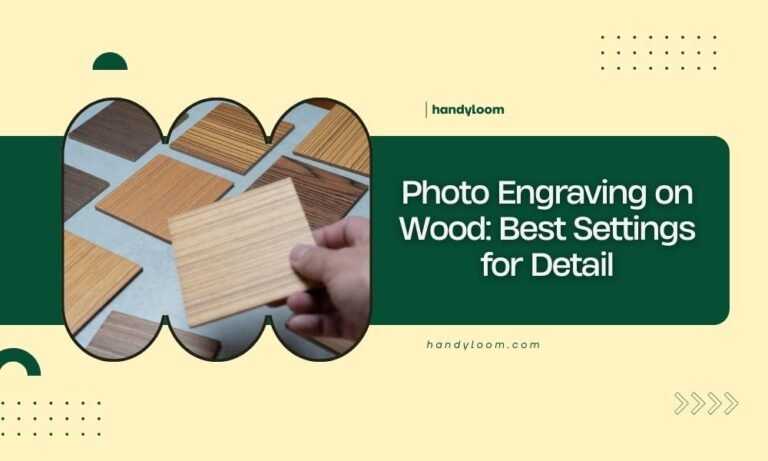
For photo engraving on wood, use 10-15% power with 80-100% speed for light woods like pine, and 20-30% power with 60-80% speed for hardwoods like oak. The key to detailed…
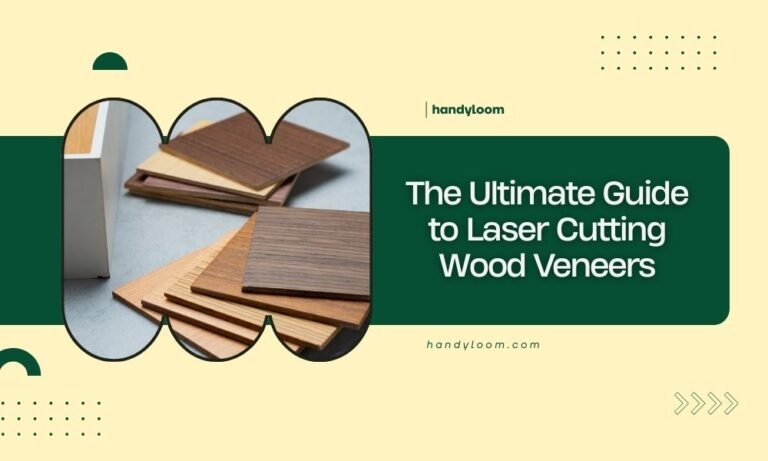
Laser cutting wood veneers requires precise settings, proper material preparation, and understanding how thin wood layers respond to laser heat and power. Success with veneer laser cutting depends on choosing…
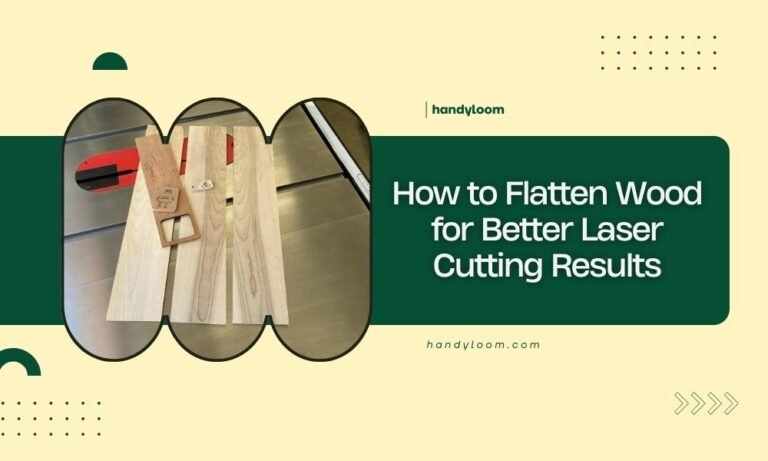
To flatten wood for better laser cutting results, use a planer, belt sander, or hand plane to create an even surface that sits flush against your laser bed. Flat wood…
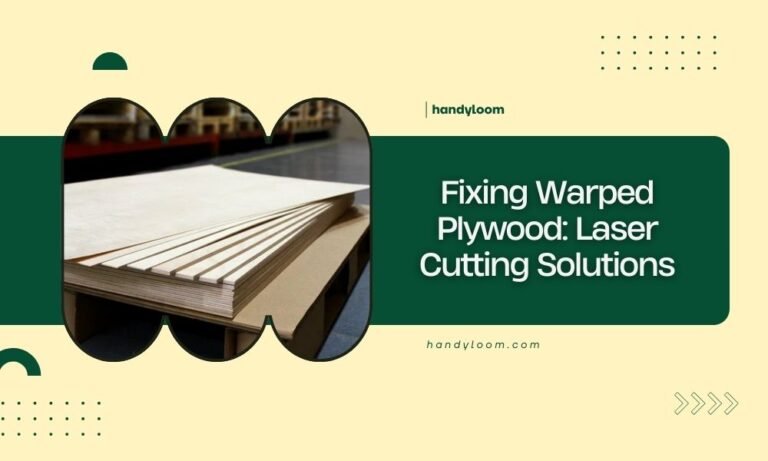
Warped plywood can be fixed using laser cutting techniques that remove tension points and create relief cuts along the grain direction. The most effective laser cutting solutions for warped plywood…
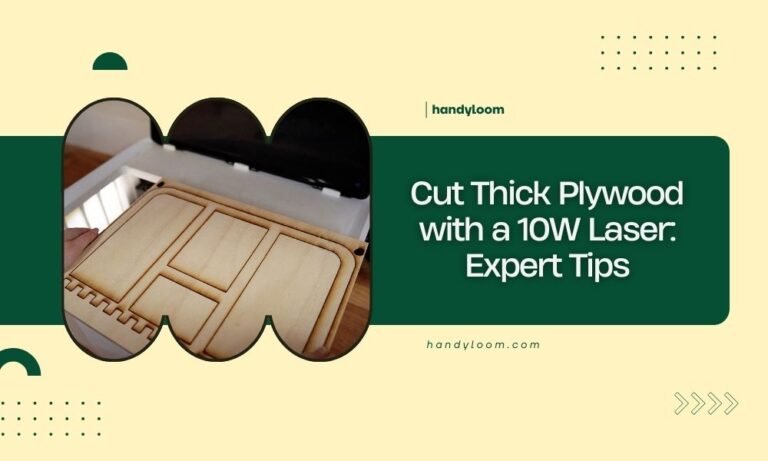
A 10W laser can cut plywood up to 3-4mm thick in multiple passes, but thicker plywood requires slower speeds and specialized techniques to achieve clean cuts. Your 10W laser works…
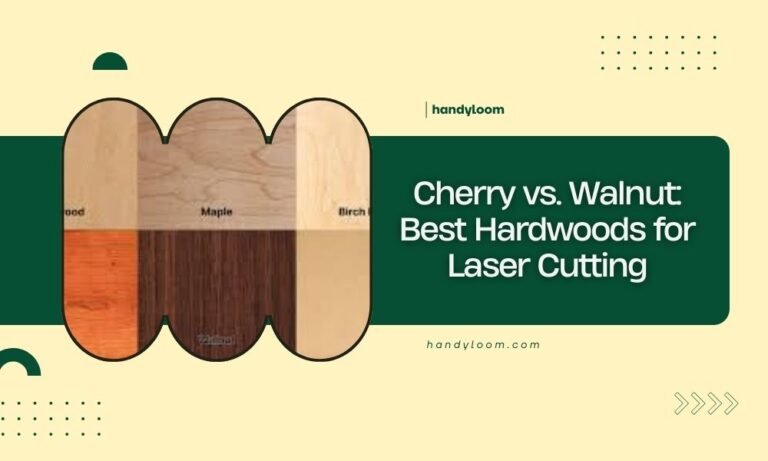
Cherry and walnut are both excellent hardwoods for laser cutting, with cherry offering cleaner cuts and lighter color while walnut provides rich dark tones and premium appearance. Cherry typically works…

Sealing laser engraved wood requires polyurethane, lacquer, or wax finishes to protect the wood and preserve your detailed engravings. The best approach is applying thin, even coats while avoiding heavy…
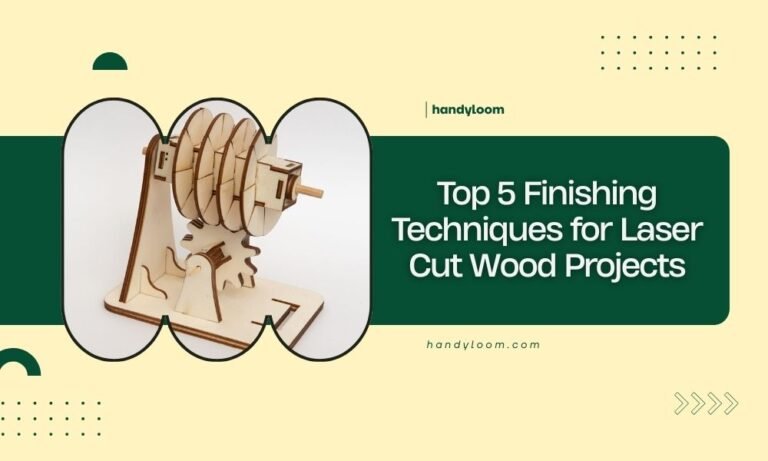
The top 5 finishing techniques for laser cut wood projects are sanding, staining, painting, sealing, and wood burning for enhanced detail work. These laser cut wood finishing methods transform raw…
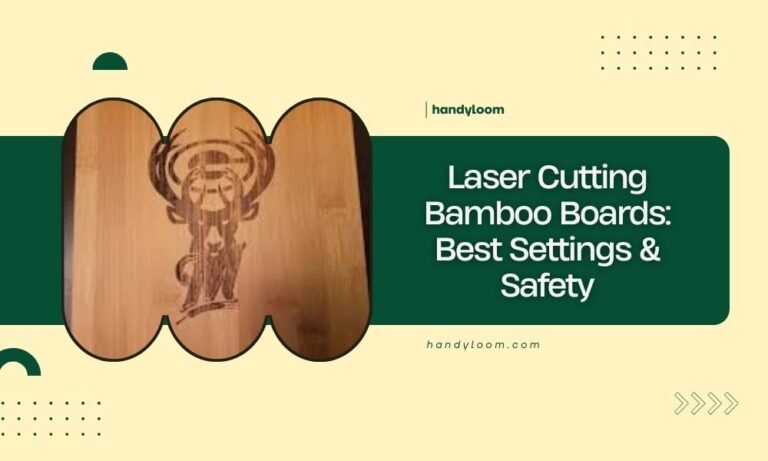
Set your CO2 laser to 70% power and 15mm/s speed for clean bamboo cuts without burning or charring the edges. Always wear safety glasses, use proper ventilation, and test settings…
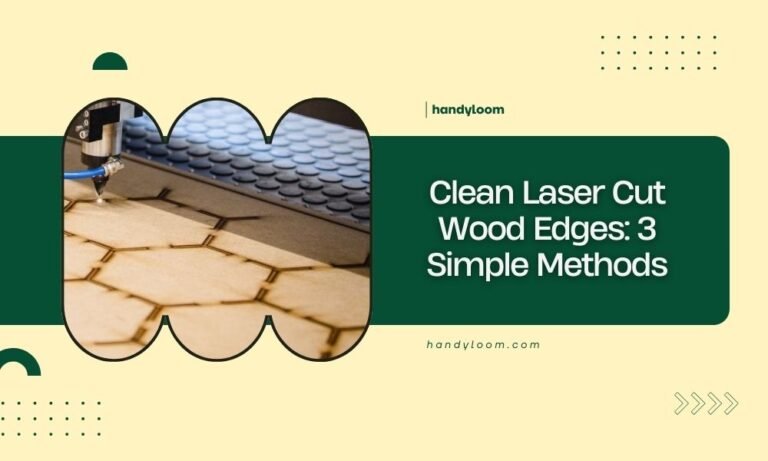
To clean laser cut wood edges, you can sand them with fine-grit paper, scrape off char with a sharp blade, or use denatured alcohol to dissolve residue. These three methods…
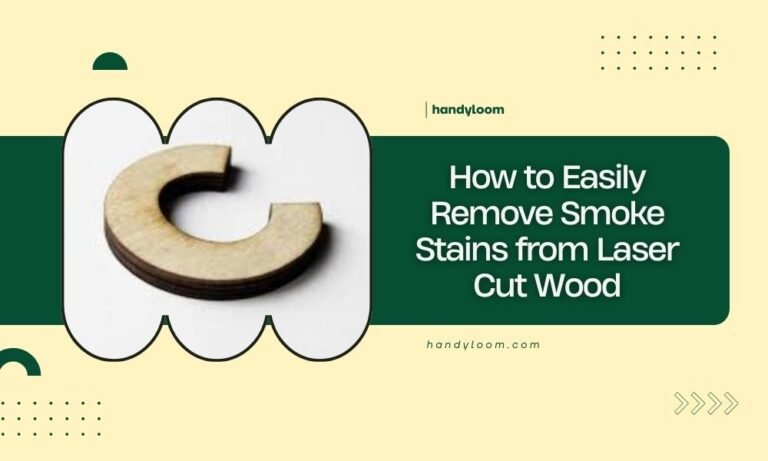
You can remove smoke stains from laser cut wood using gentle cleaning solutions like dish soap mixed with warm water, followed by light sanding if needed. The best approach combines…
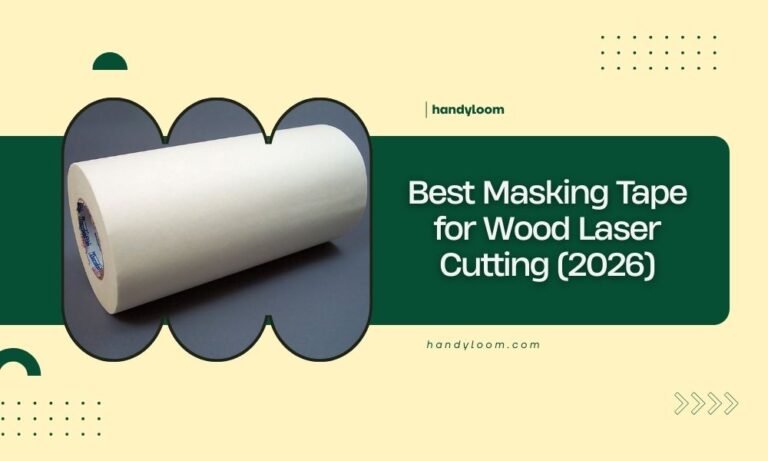
The best masking tape for wood laser cutting is 3M ScotchBlue Painter’s Tape #2090, which provides clean removal without residue and protects wood surfaces from heat damage during cutting. You’ll…
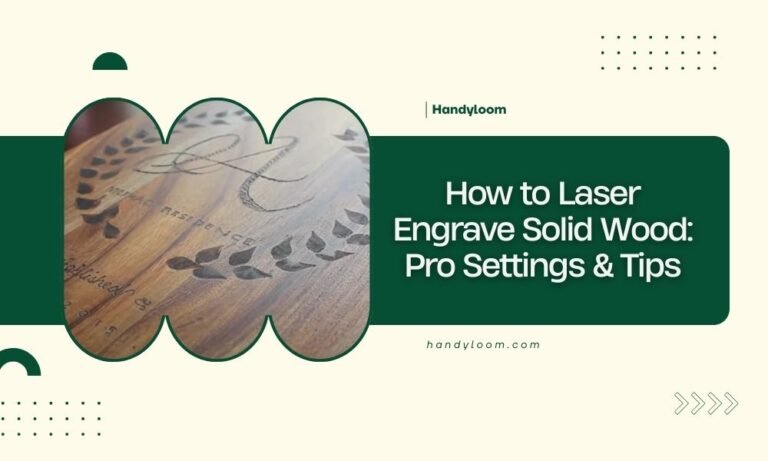
To laser engrave solid wood successfully, set your laser power between 20-40% with speeds of 800-1500 mm/min, adjusting based on wood hardness and desired depth. The key to professional results…
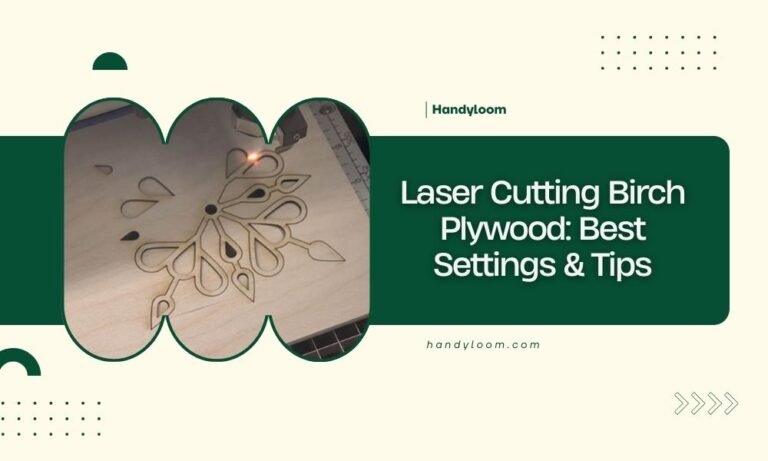
For laser cutting birch plywood, use power settings between 60-80%, speed at 10-15 mm/s, and make multiple passes for thicker wood (6mm+). The key to clean birch plywood cuts lies…
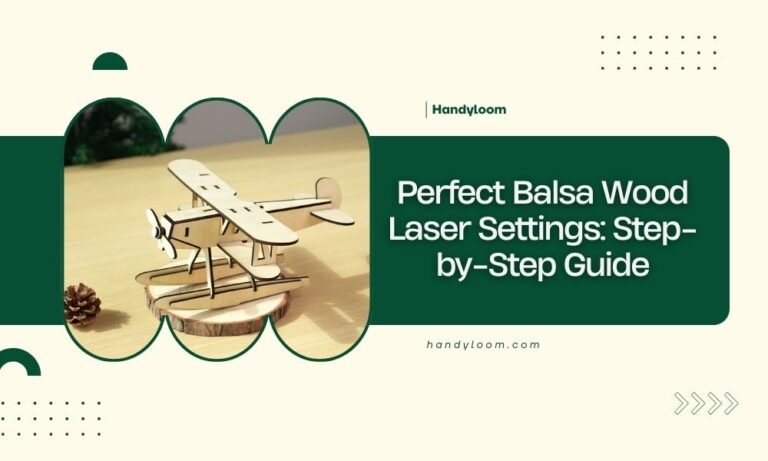
The perfect balsa wood laser settings typically range from 10-15% power at 100-200mm/min speed for cutting 3mm balsa, with multiple light passes preventing burn marks and ensuring clean edges. Your…
To stop burn marks on wood laser cuts, control your laser power (40-60% for most woods), increase cutting speed, and use proper air assist to blow away debris during cutting….