
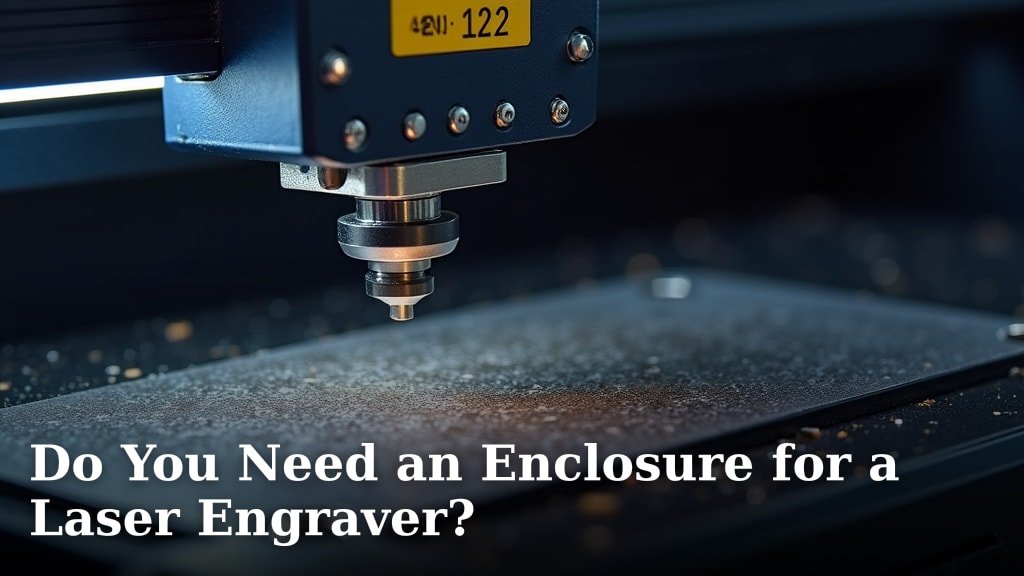
Yes, you absolutely need an enclosure for a laser engraver to operate it safely. An enclosure protects you from harmful laser radiation and helps manage fumes and debris. It’s a critical safety feature.
You might be wondering if a DIY solution works, or if you need a specialized enclosure. We found that safety is not something to compromise with laser engravers. Enclosures also help with noise reduction and dust collection.
- Laser enclosures are essential for safety.
- They protect against radiation and fumes.
- Enclosures reduce noise and contain debris.
- DIY options exist, but commercial ones offer better safety.
Let’s dive into why an enclosure is so important for your laser engraver setup.
Why a Laser Engraver Enclosure Is Not Optional
An enclosure for your laser engraver is a fundamental safety device. We found it’s as important as the laser itself.
When you operate a laser engraver, you’re not just dealing with a beam of light. You’re creating a powerful, concentrated energy source. This energy can be dangerous if not properly contained. Think of it like a welder – you wouldn’t operate one without a helmet, right? An enclosure serves a similar, vital purpose for laser engravers. For a deeper understanding of the technology, explore how a laser engraver works to transform designs into physical marks.
Many people wonder if they can skip this step, especially for hobby machines. We understand the desire to save money or simplify a setup. But, we found that skipping an enclosure is a serious risk. It’s not just about protecting the machine; it’s about protecting you, your family, and your environment.
Protecting Against Harmful Laser Radiation
Lasers can cause significant harm. Even low-power lasers can damage your eyes in a fraction of a second. This is because the eye focuses the laser beam, intensifying its power on the retina. Many experts warn about this invisible threat (Occupational Safety and Health Administration – OSHA).
An enclosure acts as a physical barrier. It stops stray laser light from reaching your eyes and skin. It keeps the beam contained within a safe area. This is especially important for open-frame diode lasers, which often lack built-in protection.
- Eye Damage: Direct exposure can cause permanent blindness.
- Skin Burns: High-power lasers can cause severe burns.
- Reflected Beams: Even reflections off shiny materials can be dangerous.
You might wear safety glasses, which are good. But they aren’t foolproof. They can slip, get scratched, or not offer full protection from all angles. An enclosure provides a much more robust and constant shield.
Managing Fumes and Particulates
Engraving and cutting materials with a laser produces fumes. These aren’t just unpleasant odors; they are often toxic and harmful chemicals. When a laser vaporizes material, it releases tiny particles and gases into the air. Breathing these in can be very bad for your health.
Imagine burning plastic or wood in a closed room. The smoke makes it hard to breathe, right? Laser fumes are similar, but often worse. Different materials produce different hazards:
- Plastics: Can release hydrogen cyanide, formaldehyde, and other carcinogens.
- Wood: Generates fine wood dust and volatile organic compounds (VOCs).
- Leather: Produces acrid fumes, including ammonia and sulfur dioxide.
An enclosure works with an exhaust system to vent these dangerous fumes outside. This keeps your workspace air clean and safe. Without it, these chemicals build up, posing a serious risk to your respiratory system and overall health. We found that proper ventilation is non-negotiable when laser engraving (National Institute for Occupational Safety and Health – NIOSH).
Fire Prevention and Containment
Yes, laser engravers can cause fires. You’re essentially using a super-heated beam to burn materials. Sometimes, materials can ignite unexpectedly. A stray spark or an unmonitored cut can quickly turn into a flame.
An enclosure provides a vital layer of fire safety. If a fire starts inside, the enclosure helps to contain it. This gives you precious time to react. It keeps flames and smoke from spreading immediately to your workshop or home. Many commercial enclosures are built with fire-resistant materials.
Always have a fire extinguisher nearby when operating a laser engraver, even with an enclosure. But the enclosure itself is your first line of defense against a small incident becoming a big problem.
The Hidden Benefits of a Laser Engraver Enclosure
Beyond safety, an enclosure brings several other advantages to your laser engraving setup. These benefits can improve your experience and the quality of your work.
Reducing Noise Pollution
Laser engravers can be surprisingly noisy. The cooling fans, the stepper motors, and the air assist pumps all contribute to the overall sound level. If you’re working in a shared space or for long periods, this noise can be distracting and even harmful over time.
An enclosure acts as a sound dampener. It creates a barrier that muffles much of the operational noise. This makes your workspace much more pleasant. You can have conversations, listen to music, or just enjoy a quieter environment while your machine works. We found this especially helpful for hobbyists working in a home setting. Understanding how to safely use a laser engraver indoors is crucial for hobbyists working in a home setting.
Containing Dust and Debris
When you engrave or cut, you create dust, smoke, and small debris. These tiny particles can spread everywhere. They get on your other tools, your workbench, and even in the air you breathe. This makes cleanup a constant chore.
An enclosure keeps all this mess contained. It creates a localized area where dust and debris can be effectively managed by an exhaust and filtration system. This means less cleaning for you and a cleaner, healthier workspace. A clean machine also runs better and lasts longer. Nobody likes a dusty workshop, right?
Improving Engraving Quality and Consistency
Did you know an enclosure can even help your engraving quality? Here’s how:
- Temperature Stability: An enclosure can help maintain a more stable temperature around your material. Wild temperature fluctuations can sometimes affect very precise engraving.
- Reduced Air Currents: External air currents can interfere with the laser’s air assist, leading to uneven smoke removal or inconsistent burning. An enclosure shields your work from these drafts.
- Better Focus: By containing debris, you reduce the chance of particles interfering with the laser lens or the material, helping maintain optimal focus.
Think of it as creating a mini, controlled environment for your laser. This consistency often translates to better, more repeatable results in your projects.
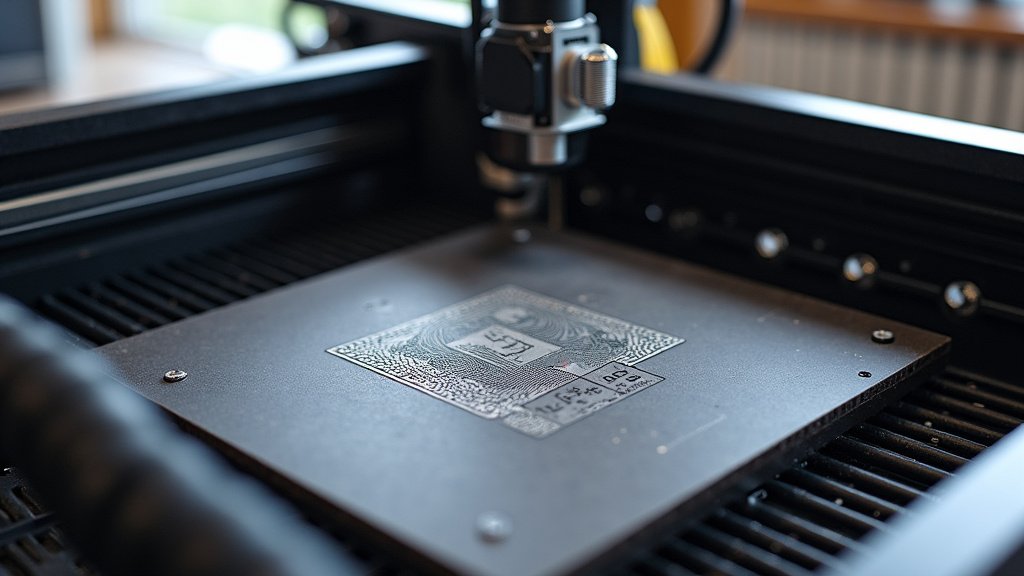
Choosing the Right Laser Enclosure for Your Needs
Once you decide an enclosure is a must, the next step is choosing one. You have options, from DIY builds to commercial products. Each has its pros and cons.
DIY Enclosures: When Are They Enough?
A do-it-yourself enclosure can be a cost-effective solution. You might build one from wood, acrylic, or even a modified grow tent. We found that DIY options can work, but require careful planning and material selection.
They are generally best for:
- Low-power diode lasers: Where the risk of eye damage is lower, but still present.
- Temporary setups: For occasional use, where a full commercial unit isn’t practical.
- Budget constraints: When you need basic containment without a high investment.
However, we found several limitations. DIY enclosures often lack certified fire resistance, proper radiation shielding for higher power lasers, or integrated safety interlocks. You must ensure your materials are non-flammable and that your ventilation system is robust enough for the fumes. This is where many DIY projects fall short.
Commercial Enclosures: Safety and Convenience
Commercial enclosures are purpose-built for laser engravers. They come in various sizes and configurations, designed for specific laser types and power levels. We found these generally offer the highest level of safety and convenience.
Here’s what you often get with a commercial enclosure:
| Feature | Benefit |
|---|---|
| Certified Laser Shielding | Guaranteed protection against laser radiation. |
| Integrated Exhaust Ports | Designed for efficient fume extraction. |
| Safety Interlocks | Automatically shut off the laser if the door opens. |
| Fire-Resistant Materials | Adds an extra layer of protection against combustion. |
| Viewing Windows | Safe observation of your engraving in progress. |
| Cable Management | Keeps wires tidy and reduces trip hazards. |
While more expensive, commercial options provide peace of mind. They meet safety standards and often come with warranties. For higher-power lasers, CO2 lasers, or frequent use, a commercial enclosure is often the better, safer choice.
What to Look for in an Enclosure
When selecting any enclosure, keep this checklist in mind:
- Material: Is it laser-safe and fire-resistant?
- Ventilation: Does it have proper ports for an exhaust fan?
- Size: Is it big enough for your engraver and material?
- Access: Can you easily load/unload materials and maintain the machine?
- Visibility: Is there a safe way to view your work?
- Safety Features: Does it have interlocks or emergency stops?
Remember, your primary goal is safety. Prioritize features that protect you from the laser beam and harmful fumes. Anything less is a compromise that isn’t worth making.
Conclusion
You’ve seen why a laser engraver enclosure isn’t just an accessory; it’s a non-negotiable safety and quality component. We found that investing in one protects you from harmful radiation, toxic fumes, and fire risks. It also offers the unexpected benefits of reduced noise and improved engraving consistency. Whether you choose a carefully planned DIY solution or a robust commercial unit, prioritize features that shield you and keep your workspace safe and clean. Your health and the quality of your projects are worth this essential addition.
Frequently Asked Questions
Can I use my laser engraver without an enclosure if I wear safety glasses?
No, safety glasses alone are not enough. While essential, they don’t protect against stray reflections from all angles or contain hazardous fumes and potential fires. An enclosure provides a comprehensive physical barrier and works with ventilation for full protection.
What kind of ventilation system do I need for my enclosure?
You need a dedicated exhaust system that vents outside, not just an air filter. This system should be powerful enough to draw all fumes and particulates out of the enclosure. For some materials, a multi-stage filtration system may also be beneficial.
Are all commercial enclosures safe for every type of laser engraver?
Not necessarily. Commercial enclosures are designed with specific laser classes and power levels in mind. Always verify that the enclosure’s safety ratings, material, and features are appropriate for your specific laser engraver’s wavelength and power output.
How often should I clean my laser engraver enclosure?
You should clean your enclosure regularly, ideally after each major engraving session. This prevents the buildup of dust, debris, and residues that can be flammable or interfere with machine operation. A clean enclosure contributes to safer and more consistent results.
Does an enclosure impact the laser engraver’s performance or lifespan?
An enclosure can positively impact performance by creating a more stable operating environment. It protects the machine from external dust and debris, which can extend its lifespan. By containing mess, it keeps critical components cleaner, reducing maintenance and potential wear.
