
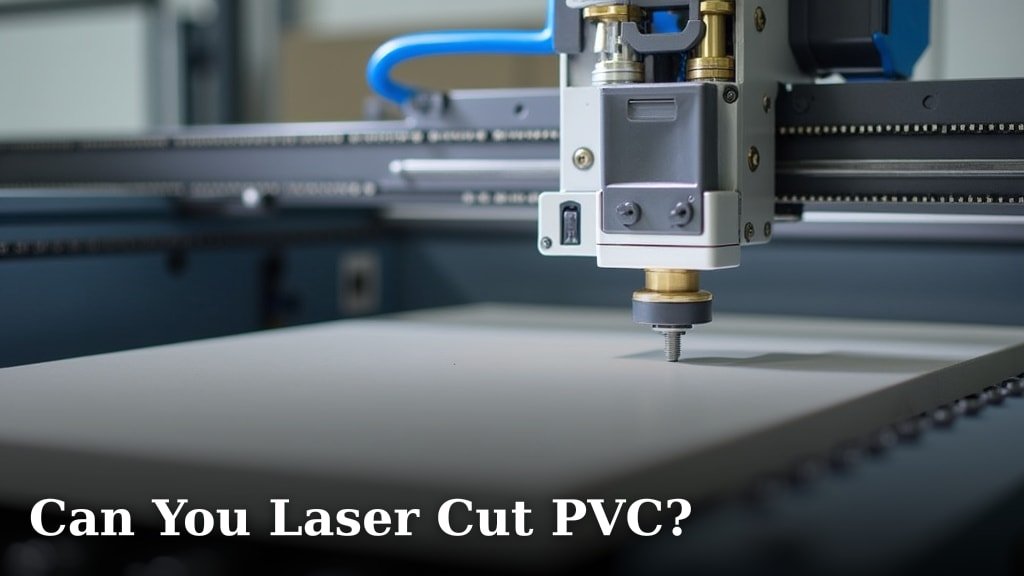
No, you generally cannot safely laser cut PVC (Polyvinyl Chloride) because it releases dangerous and corrosive gases. These gases, particularly hydrogen chloride, can harm your health and damage your laser cutter.
When you try to laser cut PVC, the material heats up quickly. This causes a chemical reaction, creating a toxic plume. Many sources confirm that this process poses significant risks to both people and equipment.
- Toxic Gases: PVC releases hydrogen chloride gas when laser cut.
- Health Risks: This gas is corrosive and harmful to your respiratory system.
- Machine Damage: Hydrogen chloride can corrode the delicate parts of your laser cutter.
- Ventilation: Even strong ventilation may not fully protect against the risks.
- Alternatives: Safer materials like acrylic or MDF are better choices for laser cutting.
Let’s dive deeper into why laser cutting PVC is a bad idea and what safer alternatives you can use instead.
Why Laser Cutting PVC is Not a Good Idea
You might be wondering, “What’s the big deal? Can’t I just use good ventilation?” We understand that thought process. It makes sense to look for workarounds. However, the dangers of laser cutting PVC go beyond simple fumes.
The core problem is what happens to PVC when it gets hot. It doesn’t just melt or vaporize cleanly. Instead, it breaks down into something much more dangerous.
The Chemical Reaction: A Closer Look
When a laser beam hits PVC, it delivers intense heat. This heat causes the PVC to undergo a process called thermal decomposition. Think of it like cooking something at too high a temperature – it doesn’t just cook, it burns and changes into something else.
For PVC, this “something else” is hydrogen chloride gas. This isn’t just a bad smell; it’s a highly corrosive acid gas. It’s the same chemical you find in hydrochloric acid when dissolved in water (Occupational Safety and Health Administration).
What is Hydrogen Chloride Gas?
Hydrogen chloride (HCl) gas is a colorless gas with a pungent, irritating odor. If you’ve ever smelled household bleach or strong cleaning agents, you might recognize a similar sharp smell. It’s extremely reactive, especially with water.
When you breathe it in, it reacts with the moisture in your respiratory system. This means it turns into hydrochloric acid right inside your nose, throat, and lungs. That’s why it causes so much damage.
Health Risks You Can’t Ignore
Your health is paramount, and exposing yourself to hydrogen chloride gas is a serious risk. We found that the effects can range from immediate discomfort to long-term damage.
Immediate Health Concerns
- Respiratory Irritation: You’ll likely experience burning sensations in your nose, throat, and lungs. Coughing, wheezing, and shortness of breath are common.
- Eye Irritation: Direct contact with the gas can cause severe eye pain, redness, and tearing. It can even lead to corneal damage.
- Skin Exposure: If the gas comes into contact with your skin, it can cause irritation, redness, and chemical burns.
Imagine breathing in something that feels like acid. That’s essentially what happens when you inhale this gas. It’s not a pleasant thought, is it?
Long-Term Health Consequences
Repeated or severe exposure to hydrogen chloride can lead to more serious, lasting health issues. We’ve seen reports of chronic bronchitis and other respiratory problems. The damage to lung tissue can be permanent (Centers for Disease Control and Prevention).
For individuals with pre-existing conditions like asthma, the risks are even higher. It’s simply not worth gambling with your respiratory system for a craft project.
The Threat to Your Laser Cutter
Beyond your personal safety, your expensive laser cutting machine is also at great risk. Hydrogen chloride gas isn’t picky; it corrodes metal, plastics, and even glass.
How Corrosion Happens
When hydrogen chloride gas mixes with humidity in the air, it forms hydrochloric acid. This acid then attacks the delicate components of your laser cutter. Think of it like a slow, invisible acid rain inside your machine.
- Optical Components: Lenses and mirrors are crucial for directing the laser beam. HCl can etch and cloud these components, reducing their efficiency and eventually ruining them.
- Metal Parts: The machine’s frame, rails, motors, and electrical connections are often made of metal. The acid will slowly degrade these, leading to rust, poor performance, and eventual failure.
- Electronic Boards: Modern laser cutters rely on intricate electronic circuit boards. HCl can corrode the solder joints and traces, causing shorts or complete system malfunctions.
Replacing these parts can be incredibly expensive. Some damage might even be irreparable, effectively bricking your machine. Is saving a few dollars on material worth potentially destroying your entire setup?
Ventilation: Not a Magic Bullet for PVC
You might think, “I have a strong exhaust fan; that should be enough!” While good ventilation is essential for any laser cutting operation, it’s not sufficient when dealing with PVC. Here’s why.
The hydrogen chloride gas is produced right at the point where the laser cuts. Even with powerful extraction, a significant amount of the gas will spread within your machine’s enclosure. It will coat the internal components before it can be fully extracted.
Furthermore, even if you manage to extract most of the gas, where does it go? Unless you have a specialized chemical scrubber system (which most hobbyist or small business setups do not), you’re releasing toxic gas into the environment or your building’s ventilation system. That’s not responsible, and it could be illegal depending on your local regulations.
Safer Alternatives to PVC for Laser Cutting
So, if PVC is out, what can you use instead? Luckily, there are many materials that laser cut beautifully and safely. These alternatives allow you to achieve similar results without the health or equipment risks.
Here’s a quick comparison to help you choose:
| Material | Pros | Cons | Common Uses |
|---|---|---|---|
| Acrylic (Plexiglas) | Cuts cleanly, wide range of colors/finishes, good for clear parts, no toxic fumes. | Can be brittle, scratches easily, more expensive than some plastics. | Signs, displays, models, jewelry, light guides. |
| MDF (Medium Density Fiberboard) | Inexpensive, consistent density, smooth finish for painting, good for etching. | Can be dusty, edges might darken, absorbs moisture. | Jigs, stencils, prototyping, architectural models. |
| Plywood (Birch, Poplar) | Strong, natural wood grain, lighter than MDF, good for structural items. | Can have voids, inconsistent cutting due to glue layers, smoke marks. | Crafts, boxes, structural components, artistic pieces. |
| Delrin (POM) | Excellent mechanical properties, low friction, dimensionally stable, no toxic fumes. | More expensive, limited color options. | Gears, bearings, precise mechanical parts, templates. |
| PETG | Good clarity, high impact strength, chemical resistance, flexible, food safe. | Can be tricky to cut cleanly, may string or melt. | Packaging, protective barriers, food containers. |
As you can see, there’s a world of materials waiting for your laser cutter. You can achieve almost any design idea without resorting to PVC. Always check material data sheets or manufacturer recommendations if you’re unsure about a new material.
Always Prioritize Safety and Research
When working with any machinery, especially laser cutters, safety should always be your number one concern. This isn’t just about avoiding an accident; it’s about protecting your long-term health and your investment.
Before you place any material on your laser bed, take a moment to confirm it’s safe to cut. A quick search can save you a lot of trouble. We found that a few minutes of research can prevent costly repairs and potential health hazards.
Here’s a safety checklist for new materials:
- Identify the Material: Make sure you know exactly what you’re cutting. “Plastic” isn’t enough information.
- Check Manufacturer Data: Look for the material’s Safety Data Sheet (SDS) or technical specifications.
- Search Online Forums: See what other experienced laser users say about cutting that specific material.
- Look for “Chlorine” or “Halogens”: If the material contains chlorine, fluorine, bromine, or iodine, it’s likely unsafe.
- Consider the Odor: If it smells strongly of anything other than slight charring, stop immediately.
- Ventilate Properly: Even with safe materials, always use your exhaust system and ensure good airflow.
Remember, your laser cutter is a powerful tool. Treat it with respect, understand its limitations, and always choose materials wisely. You want to enjoy your projects, not end up in the emergency room or with a broken machine.
Conclusion
We’ve shown that laser cutting PVC presents serious dangers. The release of hydrogen chloride gas poses significant health risks to you. It also causes irreversible corrosion to your expensive laser cutter. Strong ventilation isn’t enough to prevent these issues.
Thankfully, many safer materials offer excellent results. Materials like acrylic, MDF, plywood, Delrin, and PETG are fantastic alternatives. Always prioritize safety over convenience. Before you cut any material, take a moment to confirm it’s safe. Your health and your machine will thank you.
Frequently Asked Questions
What happens if I accidentally laser cut PVC?
If you accidentally laser cut PVC, immediately stop the machine and evacuate the area. Ventilate thoroughly and seek fresh air. Monitor yourself for symptoms like coughing or eye irritation. Contact a medical professional if you experience any health concerns.
Can a professional industrial laser system cut PVC safely?
Some highly specialized industrial laser systems with advanced chemical scrubbers might be able to handle PVC. However, these are complex and expensive setups. They are not typical for most small businesses or hobbyists. Even then, strict safety protocols are essential.
How can I identify PVC if it’s not labeled?
Identifying PVC can be tricky. It often has a distinct plastic smell when scratched or heated slightly. You can also try a small flame test in a well-ventilated area (away from your laser). PVC tends to self-extinguish and produce a greenish flame. However, this is not foolproof, so if unsure, avoid laser cutting.
Will my laser cutter warranty be voided if I cut PVC?
Most laser cutter manufacturers explicitly state that cutting PVC will void your warranty. The corrosive gases cause specific damage that is easily identifiable. This damage can also incur very expensive repair costs that you will have to pay out of pocket.
Are there any “low-fume” PVC alternatives that are safe to laser cut?
While some materials might be marketed as “low-fume,” any material containing chlorine, like PVC, will release hydrogen chloride gas when laser cut. There are no truly safe PVC alternatives for laser cutting that contain the same chemical composition. Always choose chlorine-free plastics like acrylic or PETG for safety.
