
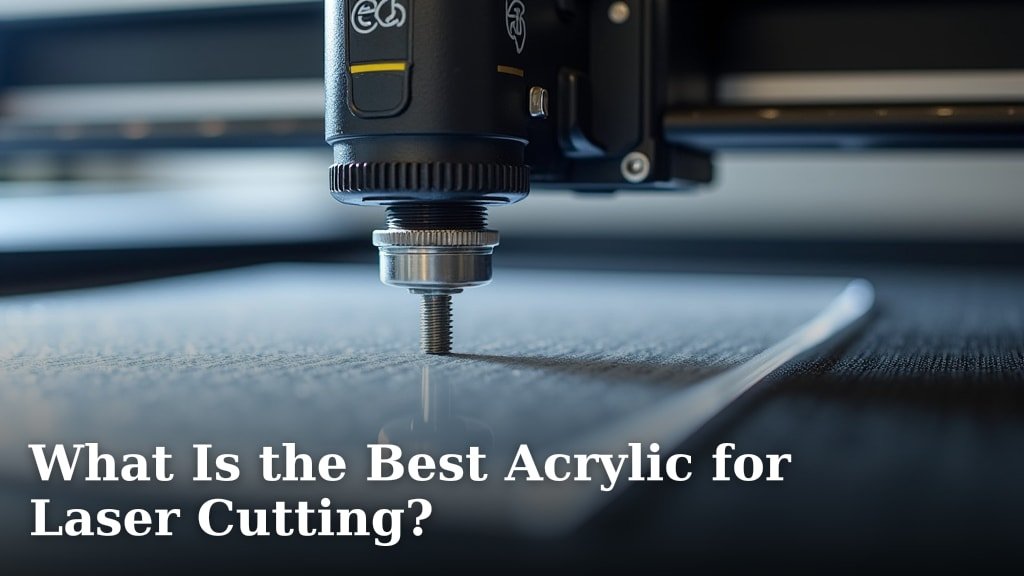
The best acrylic for laser cutting is almost always cast acrylic. We found that cast acrylic creates crisp, clean cuts and engraves with a beautiful, frosty white finish. Extruded acrylic is also an option, but it has some limitations you should know about.
Choosing the right acrylic makes a big difference in your laser projects. You want results that look professional and meet your expectations, right? Many experts say the type of acrylic affects both the cut quality and the engraving appearance.
TL;DR
- Cast acrylic is best for cutting and engraving.
- Extruded acrylic cuts well but engraves clear.
- The main difference is in how they are made.
- Always check your acrylic type before starting.
Let’s dive into the details so you can choose the perfect acrylic for your next laser project. We’ll help you understand the differences and make smart choices.
Choosing the Right Acrylic for Your Laser Cutter
When you’re ready to start a laser project, selecting the right acrylic type is essential. The two main types you’ll encounter are cast acrylic and extruded acrylic. Knowing their differences will save you time and frustration.
We found that cast acrylic is the superior choice for most laser cutting projects, especially if you plan to engrave. It behaves very differently under the laser beam compared to its counterpart.
Cast vs. Extruded Acrylic: Understanding the Core Differences
The manufacturing process is where these two types of acrylic truly diverge. This difference in creation leads to distinct performance characteristics under a laser.
Understanding these origins helps explain why they react differently. It’s not just about a name; it’s about their fundamental structure.
How Cast Acrylic Is Made
Cast acrylic starts as a liquid acrylic monomer that is poured into molds, typically between two sheets of glass. It then polymerizes and hardens into a solid sheet.
This process results in a more uniform, stress-free material. Think of it like pouring jelly into a mold; it sets evenly. This uniform internal structure is key to its laser performance.
Because it’s cast, it often comes in a wider range of colors and thicknesses. You might also hear it called “cell cast acrylic.”
How Extruded Acrylic Is Made
Extruded acrylic is made by continuously pushing a molten acrylic polymer through a die. This process is more like squeezing toothpaste from a tube, but on a massive scale.
This method creates an acrylic sheet with a more consistent thickness, but it also introduces internal stresses. These stresses are inherent in the extrusion process.
Extruded acrylic is generally less expensive to produce. It often has tighter thickness tolerances, meaning each sheet is very close to the advertised thickness.
Performance Differences Under the Laser
Now, let’s get to what really matters for your projects: how do these acrylics behave when hit by a laser? The answer will likely guide your purchasing decisions.
We’ve seen many project outcomes, and the type of acrylic consistently influences the final look. You want your hard work to shine, right?
Laser Cutting Performance
Both cast and extruded acrylic can be cut by a laser. However, there are subtle but important differences in the cut quality.
- Cast Acrylic: When cut, cast acrylic tends to produce a clean, polished edge. It vaporizes cleanly, leaving minimal residue. You’ll notice a smooth, flame-polished look on the edges.
- Extruded Acrylic: Extruded acrylic can also cut well, but the edges might not be as perfectly clear or as “polished” as cast. It can sometimes leave a slightly rougher or more frosted edge, and it’s also prone to burrs.
Many experts say that cast acrylic is more forgiving during the cutting process. You might achieve good cuts with extruded, but cast acrylic almost guarantees a superior edge finish.
Laser Engraving Performance
This is where the biggest distinction lies, and it’s often the deciding factor for many laser users. If you plan to engrave, pay close attention here.
- Cast Acrylic: Engraving cast acrylic creates a beautiful, frosty white, opaque finish. This contrast makes the engraved areas highly visible and gives your project a professional, elegant look. We found that the engraving pops beautifully against the clear acrylic background.
- Extruded Acrylic: When you engrave extruded acrylic, the results are very different. Instead of a frosty white, the engraved areas remain clear, almost transparent. It looks like a shallow, clear cut into the surface, which can be very difficult to see. This lack of contrast often makes the engraving nearly invisible.
If your design relies on visible engraving, extruded acrylic is generally not the right choice. You’ll be disappointed with the lack of visual impact.
Cost and Availability Considerations
Your budget and access to materials play a role, of course. While cast acrylic is often preferred, sometimes other factors come into play.
It’s always good to weigh the benefits against the cost, especially for larger projects.
- Cast Acrylic: Generally more expensive per sheet. This is due to the more involved and time-consuming manufacturing process. It’s widely available from specialized acrylic suppliers and online retailers.
- Extruded Acrylic: Typically less expensive. Its continuous manufacturing process allows for higher volume production at a lower cost. You’ll often find it in local hardware stores or general craft supply shops.
Consider the total cost of your project. Sometimes, spending a little more on cast acrylic means you won’t have to redo work due to poor engraving, saving you time and material in the long run.
Key Differences Summarized
To help you quickly compare, here’s a table showing the main points we’ve covered:
| Feature | Cast Acrylic | Extruded Acrylic |
|---|---|---|
| Manufacturing | Liquid poured into molds, polymerized | Melted plastic pushed through a die |
| Cost | Higher | Lower |
| Cut Edge Quality | Clean, clear, flame-polished | Clear, can be slightly rough/burrs |
| Engraving Effect | Frosty white, opaque, visible | Clear, transparent, often invisible |
| Internal Stress | Low, uniform | Higher, can cause warping |
| Thickness Consistency | Good, but can vary slightly | Very consistent, tight tolerances |
| Ideal Use | Projects requiring engraving, high-quality cuts | Cutting only, less critical aesthetic projects |
As you can see, the choice becomes clear once you know your project’s needs.
When to Use Each Type of Acrylic
So, given all this information, how do you decide? Let’s simplify your decision-making process.
You want to pick the material that best suits your project’s requirements, right? This avoids wasted time and materials.
When Cast Acrylic Shines
You should always lean towards cast acrylic if your project involves:
- Engraving: This is the number one reason. If you want a frosty white, visible engraving, cast acrylic is your only real option.
- High-quality aesthetic finish: For signs, art pieces, or anything where a premium look is crucial, cast acrylic delivers.
- Complex cuts: Its uniform structure makes it more predictable for intricate designs.
- Color variety: If you need a specific color or translucent effect, cast acrylic offers more choices.
Many guidelines suggest that for professional-looking results, cast acrylic is the industry standard for laser work (Trotec Laser).
When Extruded Acrylic Might Be Acceptable
There are niche cases where extruded acrylic can be used. Consider it if:
- You only need to cut: If your project involves only cutting shapes and no engraving, extruded acrylic can work.
- Budget is a primary concern: For large volume cuts where engraving isn’t a factor, the lower cost might be appealing.
- Specific thickness is critical: Its tight thickness tolerances can be an advantage for certain mechanical applications.
- No visible engraving is desired: If you want subtle, clear marking, or just to cut, then extruded might be okay.
However, we always recommend testing a small piece first to ensure it meets your expectations.
How to Tell the Difference Between Acrylic Types
Sometimes, acrylic sheets aren’t clearly labeled. What do you do then? Don’t worry, there are a few tricks you can use.
Knowing how to identify them can save you from a ruined project. It’s like checking the label on a food item before cooking.
- The “Flame Test”: Hold a small scrap piece of acrylic with tongs. Light the edge with a lighter.
- Cast Acrylic: Burns with a small, clear, blue flame and may crackle. It smells like roasted nuts or baking soda.
- Extruded Acrylic: Burns with a yellow, sputtering flame. It has a chemical, slightly sweet smell.
(Note: Always do this test in a well-ventilated area and with caution.)
- Engraving Test: The most reliable way is to simply engrave a small section with your laser.
- If it turns frosty white, it’s cast.
- If it stays clear, it’s extruded.
- Protective Film: Sometimes the manufacturer’s protective film will indicate “Cast” or “Extruded” along with the brand and thickness. Always check the packaging first!
We found that a quick test engrave is the easiest and most definitive method if you have a laser available.
Your Acrylic Selection Checklist
Before you commit to a purchase, run through these quick questions. It will help ensure you get the best material for your specific laser project.
Making a good decision now prevents headaches later. You want to feel confident in your choice, right?
- Will your project require any engraving that needs to be clearly visible?
- Is the aesthetic quality of the finished edge a top priority?
- What is your budget for materials?
- How critical is exact thickness consistency for your design?
- Have you considered testing a small sample before a large production run?
Answering these questions will guide you toward the right type of acrylic for your laser cutting and engraving needs.
Conclusion
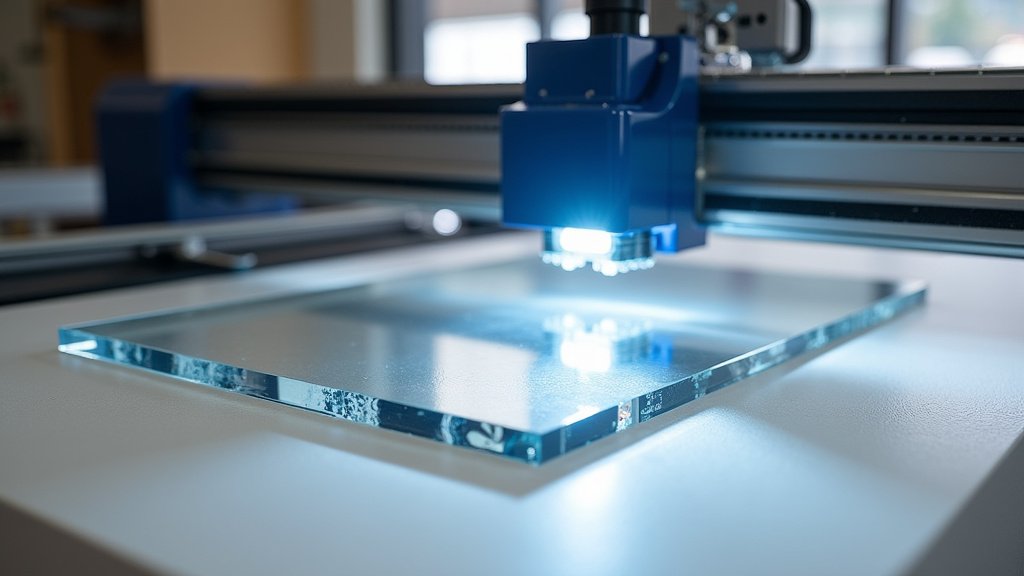
Choosing the right acrylic for your laser projects really comes down to your specific needs. We found that cast acrylic is generally superior for its excellent engraving properties, producing that desirable frosty white finish, and its clean cut edges. While extruded acrylic has its place for simple cuts where cost is the main factor, it won’t give you the same aesthetic quality for engraved designs.
Always consider your project’s requirements for engraving and cut quality. We encourage you to test small samples and verify the acrylic type before committing to a large production run. This small step ensures your finished pieces look their best.
Frequently Asked Questions
Can I use both cast and extruded acrylic in the same laser project?
You can, but it’s generally not recommended if consistency is important. Because they engrave differently (frosty white vs. clear) and can cut with slightly different edge qualities, mixing them might result in an inconsistent final product. It’s best to stick to one type for a cohesive look.
Does the color of acrylic affect laser cutting or engraving?
Yes, the color can sometimes influence laser settings. Darker or opaque colors tend to absorb laser energy differently than clear or translucent sheets. You might need to adjust your power and speed settings slightly to achieve optimal results, but the fundamental difference between cast and extruded still applies.
Is there a difference in fumes when laser cutting cast versus extruded acrylic?
Both types of acrylic will produce fumes when laser cut, which is why good ventilation is crucial. We’ve found the smell can vary slightly, with cast acrylic sometimes having a more “sweet” or “chemical” scent during cutting. Always ensure proper air filtration and extraction.
Can I laser cut mirrored acrylic? What type is it?
Mirrored acrylic is almost always cast acrylic with a reflective backing. When laser cutting it, you should cut from the back (non-mirrored side) to avoid damaging the reflective coating. This also helps to achieve a cleaner cut on the visible mirrored surface.
Does thickness matter when choosing between cast and extruded acrylic?
Thickness matters for laser settings, but not as much for the choice between cast and extruded. Both types are available in various thicknesses. However, extruded acrylic often boasts tighter thickness tolerances, meaning each sheet is very close to its advertised measurement, which can be important for precision work.
