
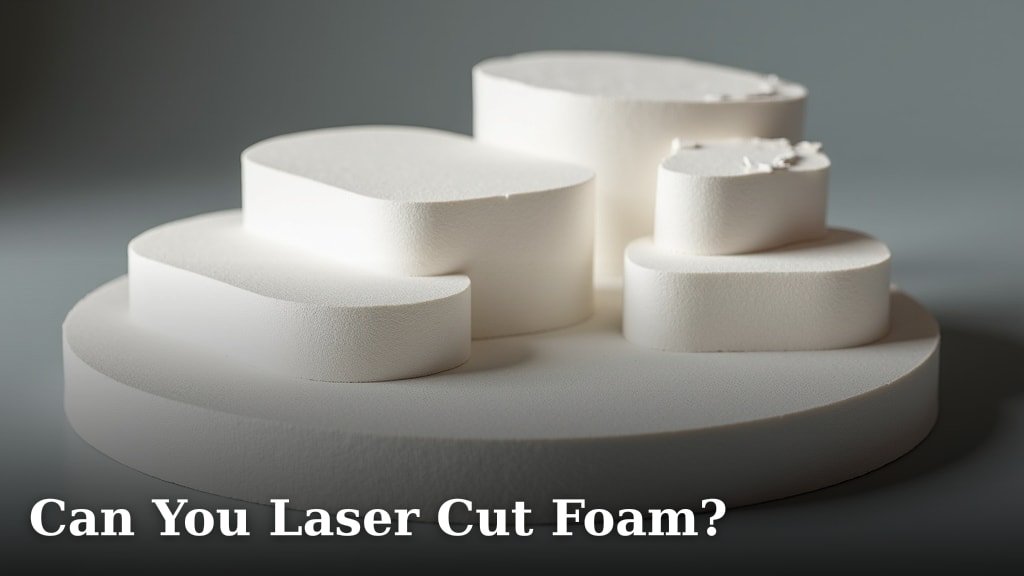
Yes, you absolutely can laser cut foam, but it really depends on the type of foam you’re working with. Lasers offer fantastic precision for many foam materials, giving you clean edges and intricate designs.
There’s a wide variety of foam out there, from craft foam to industrial insulation, and each reacts differently to a laser. You’ll find that some foams cut beautifully, while others might just melt or even create toxic fumes. Knowing your foam is key to a successful project and your safety.
- Laser cutting works for many foams.
- Material type is super important.
- Some foams cut cleanly; others don’t.
- Safety is a big consideration.
Ready to dive in? We’ll walk you through how to properly laser cut foam, what materials work best, and important safety tips so you can achieve amazing results.
Laser Cutting Foam: The How-To
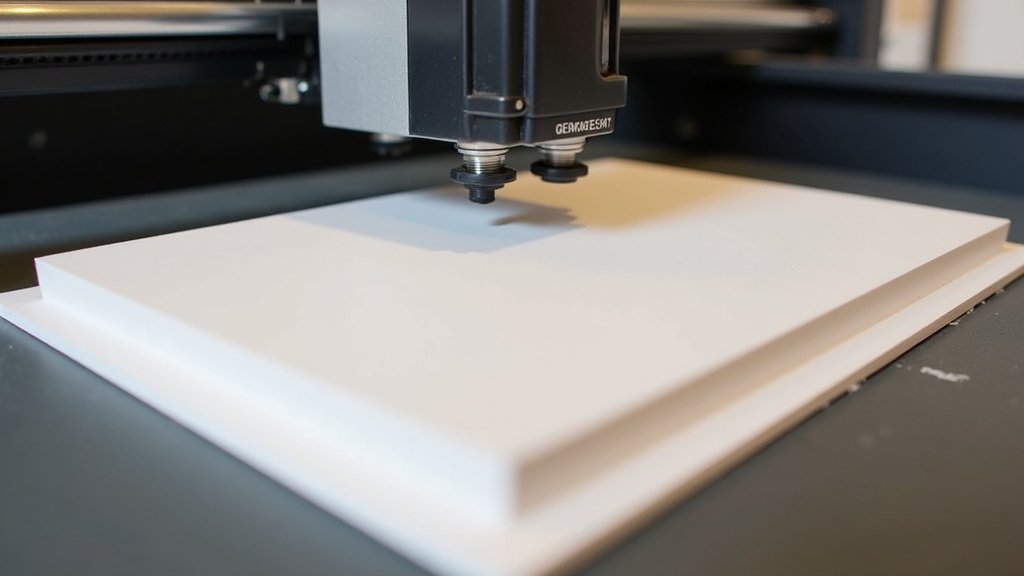
You’re ready to try laser cutting foam, which is exciting! It offers incredible precision that hand-cutting often can’t match. To get started, you’ll need the right equipment and a good understanding of the process.
The basic idea is simple: a powerful laser beam melts or vaporizes the foam, creating a clean cut. But getting those perfect results takes a little more planning.
Understanding Your Laser Machine
Most laser cutters use either a CO2 laser or a fiber laser. For foam, you’ll almost always be using a CO2 laser.
Fiber lasers are great for metals, but they typically don’t work well with non-metallic materials like foam. We found that CO2 lasers are much better suited for the task.
Power and Speed Settings
This is where the magic happens! Your laser’s power and speed settings are critical. Too much power or too slow a speed, and you’ll get excessive melting or burning. Too little power or too fast, and it won’t cut through.
Think of it like cooking: you need the right temperature and time for the perfect dish. Foam is similar. You’re looking for that sweet spot where the foam cuts cleanly without charring or deforming.
- Power: This determines the intensity of the laser beam. Higher power means a stronger cut.
- Speed: This refers to how fast the laser head moves. Slower speeds allow the laser to dwell longer on an area.
Finding the right combination often involves trial and error on test pieces of your specific foam.
Safety First: Protecting Yourself While Laser Cutting
Working with lasers and certain materials comes with important safety considerations. Your health and well-being are paramount!
Always prioritize safety. Think of it like driving a car: you wear a seatbelt no matter how short the trip.
Ventilation is Non-Negotiable
When you laser cut foam, especially certain types, it releases fumes. These fumes can be harmful, ranging from irritating to toxic. This is why excellent ventilation is a must.
You need an exhaust system that effectively pulls the fumes away from your workspace and vents them outside. Many systems include active filters to clean the air before it’s released.
We found that poor ventilation is one of the biggest risks in any laser cutting operation. Don’t skip this step.
Eye Protection
Never look directly at the laser beam. You need specialized laser safety glasses that are rated for your specific laser’s wavelength.
Regular safety glasses are not enough. The laser beam can cause permanent eye damage. It’s like staring at the sun; you just don’t do it.
Fire Prevention
Foam is often flammable. Laser cutting involves heat, so there’s always a risk of fire.
Keep a fire extinguisher designed for electrical fires (Class B or C) near your machine. Never leave the laser machine unattended while it’s operating, particularly when cutting flammable materials (NFPA).
Which Foams Can You Laser Cut? (And Which to Avoid)
This is the big question, isn’t it? Not all foams are created equal when it comes to laser cutting. Knowing the difference can save you time, money, and potential hazards.
Good Candidates for Laser Cutting
You’ll find that many foams handle laser cutting exceptionally well, offering clean edges and minimal charring.
- EVA Foam (Ethylene-vinyl acetate): This is a fantastic choice. It cuts cleanly with a laser and is frequently used for costumes, props, and craft projects. Think of those foam mats you see for kids’ playrooms.
- Polyethylene (PE) Foam: Another excellent option. It offers very clean cuts and is often used for packaging inserts due to its consistent results.
- Polypropylene (PP) Foam: Similar to PE foam, it cuts well and is good for various industrial applications.
- Wood Foam (e.g., Lignin-based foam): Newer bio-based foams can sometimes be laser cut, though results vary by specific composition.
Foams That Require Caution or Are Best Avoided
Some foams produce nasty fumes or simply don’t yield good results. It’s smart to know these before you even think about putting them on your laser bed.
- Polyurethane (PU) Foam: This type of foam can be tricky. While some varieties might be cut carefully, it often melts rather than vaporizes, leading to messy, sticky edges and potential fire hazards. More importantly, it can release toxic fumes (isocyanates) when burned (OSHA).
- Polystyrene (PS) Foam (Styrofoam): Avoid this entirely. It melts very poorly, creates sticky, stringy messes, and releases extremely toxic fumes, including styrene, which is a known irritant and potential carcinogenic (CDC). It’s just not worth the risk or the mess.
- PVC (Polyvinyl Chloride) Foam: Do NOT laser cut PVC. When burned, PVC releases chlorine gas, which is highly toxic and corrosive. It not only poses severe health risks but can also cause permanent damage to your laser machine’s components by corroding mirrors and lenses.
Here’s a quick reference table to help you:
| Foam Type | Laser Cutting Suitability | Key Considerations |
|---|---|---|
| EVA Foam | Excellent | Clean cuts, minimal fumes. Great for crafts. |
| Polyethylene (PE) | Excellent | Clean cuts, good for packaging. |
| Polypropylene (PP) | Good | Cuts well, but watch for melting. |
| Polyurethane (PU) | Caution Recommended | Can melt, watch for toxic fumes (isocyanates). Needs excellent ventilation. |
| Polystyrene (PS) “Styrofoam” | Avoid | Melts poorly, toxic fumes (styrene). High fire risk. |
| PVC Foam | ABSOLUTELY AVOID! | Releases highly toxic chlorine gas, damages machine. |
Achieving the Best Results
You want your projects to look amazing, right? We’ve found a few tricks that can help you get those professional-looking cuts every time.
Material Thickness Matters
Thicker foams require more power or slower speeds. This might mean multiple passes with the laser. Always start with thinner materials if you’re new to the process.
Don’t try to cut a super thick piece of foam on your first try. Work your way up. Practice makes perfect.
Keeping the Laser Clean
A dirty lens or mirror on your laser can significantly reduce its cutting power and quality. Regularly cleaning these components according to your machine’s manual ensures optimal performance.
Think of it like cleaning your eyeglasses; everything just looks clearer and sharper after a good wipe.
Running Test Cuts
Before committing to your final piece, always perform small test cuts on scraps of the same foam material. This allows you to fine-tune your power and speed settings without ruining your main project.
It’s like doing a sound check before a big concert; you want everything perfect for the main event.
Your Laser Cutting Foam Checklist
To help you stay on track, here’s a quick checklist before you start your next foam laser cutting project:
- Verify your foam type is safe for laser cutting.
- Ensure your ventilation system is active and working well.
- Wear OSHA-approved laser safety glasses.
- Have a suitable fire extinguisher nearby.
- Perform test cuts and adjust settings.
- Clean your laser’s optics regularly.
Following these steps will help you achieve great results safely and efficiently. Happy crafting!
Conclusion
You’ve now seen that laser cutting foam is incredibly versatile, but it demands careful attention to material types and safety. Choosing the right foam—like EVA or polyethylene—and avoiding hazardous ones like PVC are critical for both your project’s success and your well-being. Always prioritize ventilation, eye protection, and fire safety to prevent any issues.
By understanding your laser’s settings and completing test cuts, you will achieve those precise, clean results you’re aiming for. Now, go confidently create amazing foam projects with your laser cutter, keeping these essential tips in mind!
Frequently Asked Questions
What kind of laser machine is best for cutting foam?
For most foam types, a CO2 laser machine is your best bet. We found that fiber lasers typically don’t work well with non-metallic materials like foam, so stick with a CO2 for optimal results.
Can I cut thick foam with a laser cutter?
Yes, you can cut thicker foams, but it requires adjusting your laser settings. You might need to use more power or make multiple passes. Always start with thinner materials to gain experience before tackling very thick pieces.
How do I prevent charring or melting when laser cutting foam?
Preventing charring often comes down to finding the right balance between your laser’s power and speed settings. Too much power or too slow a speed can cause excessive heat. We recommend running small test cuts on scrap pieces to fine-tune these settings for your specific foam.
Is it ever safe to laser cut Styrofoam?
No, we strongly advise against laser cutting Polystyrene foam, commonly known as Styrofoam. It melts very poorly, creates a sticky mess, and releases extremely toxic fumes that are harmful to your health and the environment.
What fumes should I watch out for when laser cutting foam?
When laser cutting foam, some common fumes to be aware of include those from polyurethane foam (isocyanates) and especially the highly toxic chlorine gas from PVC. Always ensure excellent ventilation to protect yourself from these harmful byproducts.
