
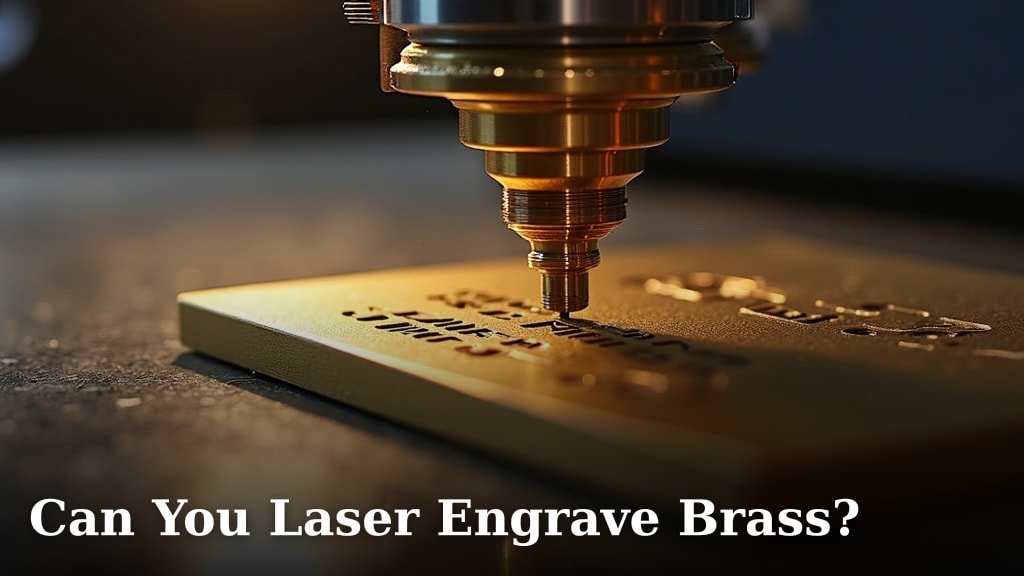
Yes, you can absolutely laser engrave brass. It’s a fantastic material for laser marking and engraving, creating beautiful, durable results. Many laser systems can handle brass well, especially with the right settings.
When you laser engrave brass, you’re working with a metal that responds beautifully to the laser’s energy. You can achieve crisp, detailed marks that stand out. It’s a popular choice for everything from custom jewelry to industrial labeling because of its excellent contrast and longevity.
- Yes, brass is great for laser engraving.
- You can achieve detailed and lasting marks.
- It offers good contrast with laser engraving.
- Fiber lasers are often recommended for best results.
Let’s dive into how you can get started and what you need to know for the best brass laser engraving outcomes.
“`htmlWorking with Brass for Laser Engraving
Can you laser engrave brass? Absolutely! It’s a material that really shines when you use a laser. You can get stunning, permanent marks on brass. Many crafters and industrial users love it for good reason. It’s durable and looks fantastic when engraved.
Brass is an alloy, mostly copper and zinc. This composition gives it unique properties. It responds well to different laser types. The result is often a beautiful contrast between the engraved area and the base metal. This makes your designs pop.
What Kind of Laser Works Best for Brass?
When you’re thinking about laser engraving brass, the type of laser matters. Fiber lasers are often the top choice. They work by emitting a concentrated beam of light. This light has a very specific wavelength. It’s ideal for interacting with metals like brass. When you’re thinking about laser engraving brass, remember to prioritize safety by using appropriate laser safety glasses.
Fiber lasers can deliver high peak power. This allows them to vaporize the surface layer of the brass. This process creates the engraved mark. They offer excellent control over depth and detail. You can get really fine lines and crisp edges.
Why Fiber Lasers Excel
Fiber lasers are known for their efficiency and precision. They can achieve very small spot sizes. This means you can engrave tiny details without blur. They are also quite fast. This is great if you have a lot of brass pieces to engrave.
Many experts recommend fiber lasers for metals. They are robust and require less maintenance than other types. You’ll find they produce a consistent mark every time. This is key for professional results. They are often considered the gold standard for metal engraving.
Can CO2 Lasers Engrave Brass?
You might be wondering about CO2 lasers. These are common for engraving wood, acrylic, and plastics. While they are not the primary choice for metal, they can sometimes mark brass.
However, CO2 lasers don’t engrave brass in the same way a fiber laser does. They tend to melt or ablate the surface. This often results in a less defined or slightly darker mark. It might also be less permanent than a fiber laser engraving.
Achieving Marks with CO2 Lasers
To get a mark on brass with a CO2 laser, you’ll need to use special marking compounds. These compounds, often called marking paste or spray, are applied to the brass surface. The laser then heats the compound. This causes a chemical reaction. It bonds the compound to the brass, creating a dark, permanent mark.
This method is called “marking” rather than “engraving.” The laser isn’t directly removing metal. It’s using heat to fuse the compound. Results can be quite good, but they rely heavily on the compound. Many users find this method effective for specific applications.
Understanding Brass Alloys and Their Impact
Not all brass is created equal. Brass is an alloy, and its exact composition can change. The amount of zinc and copper varies. This variation can affect how it engraces.
For example, cartridge brass (70% copper, 30% zinc) is common. Red brass (85% copper, 15% zinc) is another. Higher copper content can sometimes lead to a darker or richer mark. Lower zinc content might produce a lighter mark. It’s always good to know your brass.
Testing Your Brass Material
The best way to know how your specific brass will engrave is to test it. Always do a small test piece first. Try different power settings, speeds, and frequencies. This helps you find the sweet spot for your material and laser.
You might find that certain alloys respond better to specific laser parameters. A little experimentation goes a long way. It prevents wasting material on your main project. It also ensures you achieve the look you want.
Preparing Your Brass for Laser Engraving
Before you fire up your laser, proper preparation is key. This ensures a clean engraving and protects your machine. It’s like getting your canvas ready before you paint.
Cleaning the Brass Surface
The surface of your brass piece needs to be clean. Dust, oils, or fingerprints can interfere with the laser. They can cause inconsistent marks or even burn marks. A clean surface leads to a crisp, clear engraving.
You can use a mild soap and water solution. Gently wipe the surface down. Then, dry it thoroughly with a lint-free cloth. For tougher grime, isopropyl alcohol works well. Just make sure the alcohol evaporates completely before engraving.
Removing Protective Coatings
Some brass items come with a clear lacquer or protective coating. This coating is designed to prevent tarnishing. However, it will likely burn or melt under the laser. This can create fumes and affect the engraving quality.
You’ll need to remove this coating before engraving. A fine-grit sandpaper (around 400-600 grit) can work. Gently sand the area you plan to engrave. You want to expose the bare metal. Be careful not to scratch the brass too deeply. A clean, bare metal surface is what you’re after for the best laser results.
Securing Your Brass Piece
It’s vital to secure your brass piece firmly in your laser engraver. If the material shifts during engraving, your design will be ruined. A wobbly piece can lead to blurred lines or misaligned text. This is especially true for small or delicate items.
You can use clamps, fixtures, or even double-sided tape designed for laser use. Ensure the brass is stable and won’t move. You want it to be perfectly still. This guarantees a precise and accurate engraving.
Achieving the Best Laser Engraving Settings for Brass
Finding the right laser settings is where the magic happens. It’s a balance of power, speed, and focus. Think of it like tuning a musical instrument.
Power and Speed Considerations
For fiber lasers, you’ll typically use a moderate to high power setting. The exact percentage depends on your laser’s wattage and the brass alloy. You want enough power to vaporize the material effectively.
Speed is also crucial. A slower speed allows the laser more time to engrave. This can result in deeper marks. However, too slow a speed can overheat the material. It might cause unwanted melting or distortion. You need to find a speed that works well with your power setting for a clean cut.
Focus and Resolution
Proper focus is essential for sharp details. The laser beam needs to be focused precisely on the brass surface. If it’s too high or too low, the beam will be wider. This leads to fuzzy edges. Most laser systems have a focus adjustment mechanism.
Resolution, measured in DPI (dots per inch), affects the smoothness of the final mark. Higher DPI generally means more detail. However, it also increases the engraving time. For brass, a resolution between 300 and 600 DPI is often a good starting point. Experiment to see what looks best.
Frequency and Passes
Frequency refers to how many pulses the laser makes per second. A higher frequency can create a smoother mark. It can also affect the depth. You might need to adjust this setting based on your test results.
Sometimes, one pass with the laser isn’t enough. You might need multiple passes to achieve the desired depth or darkness. Again, test these settings. What works for one brass piece might not work for another. It’s about getting that perfect engraving.
Common Uses and Applications for Laser Engraved Brass
Laser engraved brass is versatile. Its durability and aesthetic appeal make it popular across many fields. It’s not just for fancy decorations.
- Jewelry and Accessories: Nameplates, pendants, charms, and personalized cufflinks.
- Industrial Marking: Serial numbers, part identification, and calibration marks on tools and components.
- Awards and Trophies: Engraved plates for recognition and achievement.
- Custom Gifts: Personalized keychains, wallets, and commemorative items.
- Signage: Small, elegant signs for doors or professional offices.
The ability to create precise, lasting marks makes brass ideal for these applications. It maintains its appearance over time. This ensures your engraving remains legible and attractive. It’s a fantastic material for creating items that last.
Durability and Longevity of Engravings
One of the biggest benefits of laser engraving brass is its durability. Unlike printed designs, engravings are part of the material itself. They won’t fade, peel, or rub off.
This longevity is why brass is used in industrial settings. You need markings that can withstand harsh conditions. Laser engraved brass meets these demands. For personal items, it means your engraving will last for years. It will remain a cherished keepsake.
The Aesthetic Appeal of Engraved Brass
Brass has a warm, golden luster that is naturally appealing. When laser engraved, this luster can be highlighted beautifully. The contrast between the engraved areas and the polished surface is striking.
You can achieve different looks depending on your settings. A light engraving might have a subtle shine. A deeper engraving can create a matte or darkened effect. This versatility allows for a wide range of aesthetic choices. It truly makes your designs stand out.
A Quick Checklist for Your Brass Laser Engraving Project
Ready to start? Here’s a quick rundown to help you get going:
- Ensure you have the correct laser type (fiber recommended).
- Clean your brass surface thoroughly.
- Remove any protective coatings.
- Secure your brass piece firmly in the engraver.
- Perform test engravings on scrap material.
- Adjust power, speed, and focus for optimal results.
Conclusion
You’ve learned that laser engraving brass is definitely achievable and can produce stunning results. We’ve covered how fiber lasers are often your best bet for precision and contrast. You also now know that while CO2 lasers can work with marking compounds, they offer a different process. Remember to prepare your brass by cleaning and removing coatings, and always secure your piece firmly. By testing your settings, you’re well on your way to creating beautiful, lasting engraved brass items. Your next step? Gather your materials and start planning your first brass engraving project!
Frequently Asked Questions
What kind of finish can I expect on laser-engraved brass?
The finish depends on your laser settings and the brass alloy. You can achieve a bright, etched look or a darker, more contrasted mark. For deeper engravings, you might get a matte appearance in the engraved areas. Your test runs will show you the possibilities.
Will laser engraving damage the brass material itself?
When done correctly with the right settings, laser engraving will not fundamentally damage the brass. It precisely removes or alters the surface layer. You’re not weakening the structural integrity. It’s a surface treatment, not a structural one.
How do I prevent brass from tarnishing after laser engraving?
Brass can still tarnish over time, even after engraving. You can apply a clear protective lacquer or sealant after engraving. This acts as a barrier. Some people prefer to let the brass age naturally for a patina effect.
Is laser engraving brass safe for food contact applications?
Generally, laser engraving brass is not recommended for direct food contact surfaces. While the engraving itself is permanent, the brass alloy might not be food-grade, and the process could introduce microscopic inconsistencies. Always check material safety guidelines.
Can I laser engrave on lacquered or coated brass?
You should always remove lacquered or coated finishes before laser engraving brass. These coatings can burn, melt, and produce undesirable fumes. They also interfere with the laser’s ability to properly engrave the metal beneath. Exposing the bare metal is key for clean results.
