
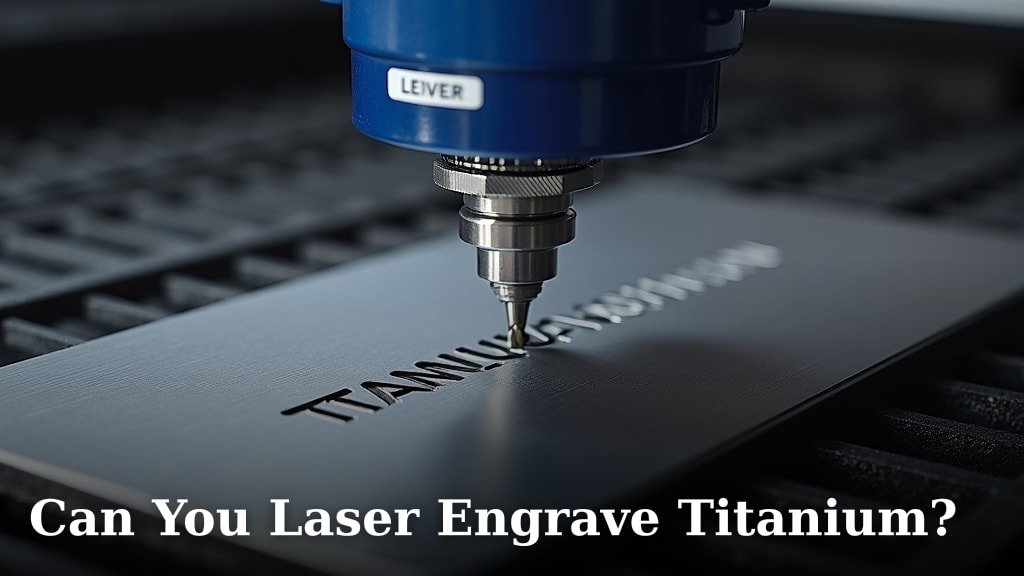
Yes, you absolutely can laser engrave titanium, and it creates stunning, durable results! While it might seem like a tough material to work with, lasers offer a precise and versatile method for marking and coloring this popular metal.
You’re probably wondering how it works, right? We found that laser engraving doesn’t just etch the surface; it can also create beautiful, permanent colors on titanium. This makes it a fantastic choice for everything from personalized jewelry to industrial parts. Many experts say it’s one of the best ways to customize titanium.
- Laser engraving works great on titanium.
- It’s a very precise method.
- You can engrave designs and even create colors.
- Results are durable and long-lasting.
- It’s perfect for custom projects.
Below, we break down exactly how you can laser engrave titanium, what equipment you’ll need, and the amazing things you can create. Let’s get started!
Mastering Titanium Engraving with Lasers
You want to engrave titanium, and lasers are your best bet. We found that this method offers precision, durability, and even color. It’s a fantastic way to personalize or brand your titanium items.
Understanding How Laser Engraving Works on Titanium
When a laser hits titanium, it’s not just burning a mark. Instead, it’s a controlled interaction that changes the surface. Think of it like a tiny, super-hot paintbrush. This process creates a permanent mark that won’t fade or rub off.
The Science Behind the Shine
There are two main ways lasers interact with titanium: engraving and annealing. Engraving actually removes a tiny bit of material, creating a textured mark. Annealing, on the other hand, changes the surface chemistry. This change causes light to reflect differently, creating those cool colors you see (National Institute of Standards and Technology).
Why Different Colors Appear
This is where it gets really interesting! When you use a laser on titanium, you can create a rainbow of colors. We found that this happens because the laser forms an oxide layer on the titanium’s surface. The thickness of this oxide layer determines the color you see. Thicker layers reflect different wavelengths of light, creating blues, purples, greens, and more. It’s like magic, but it’s really science!
What Kind of Laser Do You Need?
Not all lasers are created equal, especially when it comes to titanium. You’ll need the right tool for the job. We found that certain types of lasers are far more effective and efficient.
Fiber Lasers vs. CO2 Lasers
For engraving titanium, a fiber laser is your top choice. Why? Fiber lasers produce a much smaller, more intense beam than CO2 lasers. This high intensity is crucial for working with metals like titanium. CO2 lasers are great for wood, plastic, or glass, but they often lack the power to properly mark titanium.
Here’s a quick comparison to help you decide:
| Feature | Fiber Laser | CO2 Laser |
|---|---|---|
| Material Suitability | Excellent for metals (titanium), some plastics | Good for organics (wood, acrylic, leather) |
| Beam Quality | Very high, focused | Good, less focused on metals |
| Engraving Depth | Deeper, more precise on metals | Shallower, less effective on metals |
| Color Marking | Yes, can create colors on titanium | No, generally not possible on titanium |
| Cost | Generally higher upfront | Generally lower upfront |
Power and Wavelength Considerations
When selecting a fiber laser, consider its power output. Higher wattage generally means faster engraving and the ability to achieve deeper marks. The wavelength of the fiber laser is also optimized for metal absorption, making it very efficient for titanium.
Preparing Your Titanium for Engraving
Preparation is key to getting great results. You wouldn’t paint a dirty wall, right? The same goes for laser engraving. We found that a little effort beforehand makes a big difference.
Cleaning is Crucial
Before you even think about starting your laser, make sure your titanium piece is spotless. Any grease, dust, or fingerprints can affect how the laser interacts with the surface. Use isopropyl alcohol or a similar degreaser to wipe it down. Let it dry completely before proceeding.
Securing Your Piece
You’ll need to hold your titanium item firmly in place. Movement during engraving will ruin your design. Use clamps, jigs, or a vacuum table if your laser has one. Ensure it’s level and stable. A wobbly piece means a blurry design, and nobody wants that!
Designing for Titanium Engraving
Your design needs to be ready for the laser. This isn’t like drawing with a pen; it’s a digital process. We found that certain design principles work best for achieving clear and impactful results.
File Formats and Software
Most laser engravers work with common vector file formats like SVG, AI, or DXF. These formats use mathematical paths to define your design, which allows for perfect scaling without pixelation. Raster files (like JPGs) can work for etching photos, but vectors are usually preferred for sharp lines and text.
Optimizing for Clarity and Color
Keep your designs clean and simple, especially when starting. Complex designs with very thin lines might not translate well. If you’re aiming for color, remember that different laser settings (power, speed, frequency) will produce different hues. This often requires some experimentation. It’s like finding the right temperature for baking; too hot or too cold, and your cake won’t turn out right.
The Engraving Process: Step-by-Step
Once everything is prepared, it’s time for the actual engraving. Don’t worry, it’s not as intimidating as it sounds. We’ll guide you through it.
Setting Up Your Laser
First, place your cleaned and secured titanium piece in the laser bed. Then, adjust the focus of the laser. This is critical for a sharp, clear mark. Incorrect focus will result in a blurry or weak engraving. Many lasers have auto-focus features, which makes this step a breeze.
Running Test Engravings
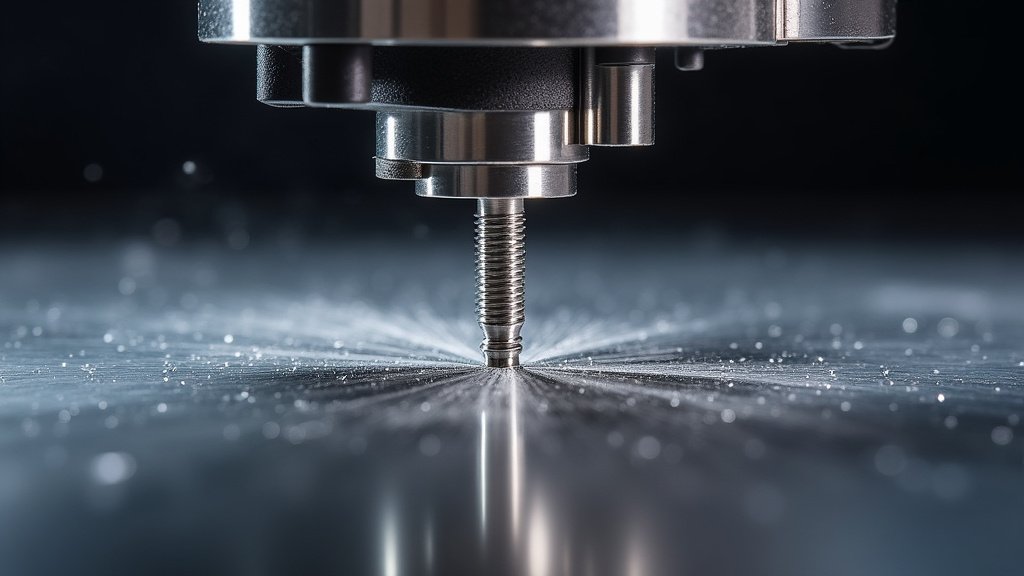
Don’t jump straight to your final piece! Always run test engravings on a scrap piece of the same titanium. This allows you to fine-tune your laser settings. You’ll adjust parameters like:
- Power: How strong the laser beam is.
- Speed: How fast the laser head moves.
- Frequency: How many pulses per second.
- Passes: How many times the laser goes over the same area.
These settings directly impact the depth, darkness, and color of your engraving. We found that patience here saves a lot of headaches later on.
Safety First: Protecting Yourself
Working with lasers requires caution. You wouldn’t play with fire without protection, and lasers are no different. Your safety is paramount.
Essential Safety Gear
Always wear appropriate laser safety glasses. These are not just sunglasses; they are specifically designed to block the laser’s wavelength. Eye protection is non-negotiable. Also, ensure you have proper ventilation to remove any fumes created during the engraving process. Fumes from vaporized metal are not good for your lungs (Occupational Safety and Health Administration).
Machine Enclosures and Ventilation
Most industrial laser engravers come with enclosed workspaces, which adds a layer of safety. If you’re using a more open system, be extra vigilant about keeping bystanders clear. Good ventilation is key to avoid inhaling potentially harmful particles. Think of it as a tiny exhaust fan for your laser.
Post-Engraving Cleanup and Care
You’ve created something amazing, now how do you finish it? A little post-engraving care will make your piece truly shine.
Removing Residue
After engraving, you might notice some residue or discoloration around the engraved area. A soft brush, an ultrasonic cleaner, or a gentle abrasive pad can often clean this up. Be careful not to scratch the un-engraved areas. For colored engravings, use a very soft cloth to avoid damaging the delicate oxide layer.
Durability of Laser-Engraved Titanium
One of the best things about laser engraving titanium is its durability. The mark is etched into or chemically bonded to the surface, making it resistant to wear, chemicals, and extreme temperatures. This is why it’s so popular for industrial parts and medical devices. Your design will last a very long time.
What Can You Create? Project Ideas!
The possibilities are endless once you master titanium engraving. What will you make first? We’ve seen some truly amazing projects.
Personalized Jewelry and Gifts
Imagine a custom-engraved titanium ring, pendant, or watch. The ability to add names, dates, or intricate designs makes for incredibly thoughtful gifts. The color options on titanium also add a unique flair that stands out.
Industrial and Medical Applications
Beyond aesthetics, laser engraving is vital for industrial uses. Think about marking serial numbers on titanium parts, branding tools, or even creating surgical instruments with unique identifiers. The precision and permanence are unmatched.
Here’s a quick checklist to make sure you’re ready:
- Have you chosen the right laser (fiber laser recommended)?
- Is your titanium piece thoroughly cleaned?
- Is the piece securely clamped down?
- Have you run test engravings on scrap material?
- Are you wearing proper laser safety glasses?
- Is your ventilation system active?
Conclusion
You’ve now seen that laser engraving titanium isn’t just possible; it’s a powerful way to create stunning, lasting marks and colors. We’ve explored the science behind those vibrant hues and the importance of a fiber laser for truly professional results. Remember, precision in preparation and careful testing of your settings are key to success. Your safety, always paramount, means using proper gear and ventilation.
By following these steps, you can confidently turn your titanium pieces into personalized masterpieces or essential industrial components. Now, what amazing project will you tackle first with your newfound expertise?
Frequently Asked Questions
Is laser engraved titanium truly permanent?
Yes, we found that laser engraving creates a permanent mark on titanium. Whether it’s an etched design or a colored oxide layer, the mark is chemically or structurally altered, making it resistant to fading, scratching, and wear, unlike paints or coatings.
Can I achieve different colors every time I laser engrave titanium?
Achieving consistent colors requires precise control over your laser settings. We’ve seen that factors like laser power, speed, and frequency directly influence the thickness of the oxide layer, which in turn determines the color. It often takes practice and testing to get the exact hue you want.
What kind of maintenance does laser-engraved titanium need?
Generally, very little. Since the mark is part of the titanium itself, you can clean it as you would clean un-engraved titanium. Avoid harsh abrasives that could potentially scratch the surface, especially if you have delicate color markings.
Is special training required to laser engrave titanium?
While you can learn the basics quickly, mastering titanium engraving, especially with color, benefits from some training and hands-on experience. Understanding your laser’s software, material interactions, and safety protocols is crucial for achieving quality results and working safely.
Does laser engraving weaken the titanium piece?
For most typical engraving depths, laser marking does not significantly weaken titanium. The amount of material removed is usually very small. However, for critical applications, deep engraving might warrant further analysis, but for most decorative or identification purposes, it’s not an issue.
