

Yes, you can laser engrave phone cases, but whether it’s a good idea depends on the material of your case. Lasers work best on certain types of surfaces. You’ll want to pick the right case for the best results.
Many people love the idea of personalizing their tech. Laser engraving offers a permanent, precise design. We found that the success of engraving largely hinges on the case material’s properties. Not all materials react the same way to a laser.
- You can laser engrave many phone cases.
- Material choice is super important for good results.
- Some materials work better than others.
- Engraving gives you a custom, lasting design.
- Avoid certain materials to prevent damage.
Let’s walk through everything you need to know about laser engraving phone cases, so you can make an informed choice.
Getting Started with Laser Engraving Phone Cases
So, you’re curious about giving your phone case a custom look? That’s awesome! When we talk about laser engraving, we’re really talking about using a focused beam of light to remove material from the surface of an object. This creates a permanent mark or design. Think of it like a super-precise, tiny chisel made of light.
The biggest thing to remember is that not all phone cases are created equal when it comes to lasers. Some materials are perfect for engraving, while others might just melt, burn, or even release harmful fumes. You definitely want to pick the right material to avoid disappointment, or worse, damaging your case or the engraving machine.
Understanding Different Case Materials
Let’s break down the common materials you’ll find in phone cases. Knowing these will help you choose wisely. Each material reacts differently to the laser’s power and heat.
Best Materials for Laser Engraving
These are your go-to options for a crisp, clean engraving. We’ve found that these materials generally yield the best results for detailed designs.
- Wood Cases: Many phone cases are made from natural wood like bamboo, cherry, or walnut. Wood engraves beautifully, creating a lovely contrast as the laser burns away the top layer, revealing a darker tone underneath. It smells good too!
- Leather and Faux Leather: Genuine leather and high-quality faux leather cases can be engraved. The laser leaves a debossed, darkened effect, giving a sophisticated, branded look. Always test a small, inconspicuous spot first, as some faux leathers might just melt.
- Anodized Aluminum: Cases with an anodized aluminum finish are fantastic. The laser removes the colored anodized layer, exposing the shiny silver aluminum beneath. This creates a sharp, bright, and very durable design.
- Cork: Similar to wood, cork engraves well, producing a dark, distinct mark. It’s a lightweight and eco-friendly option that takes designs nicely.
- Certain Plastics (e.g., ABS, Acrylic): Some hard plastics like ABS (Acrylonitrile Butadiene Styrene) and cast acrylic can be engraved. They often produce a frosted or etched look. However, you need to be careful with other types of plastics.
Materials to Approach with Caution
These materials can sometimes be engraved, but they require careful settings and might not always produce ideal results. It’s often a bit of a gamble.
- Silicone/TPU (Thermoplastic Polyurethane): These soft, flexible materials are common for phone cases. While some low-power lasers can “etch” them, creating a slight texture change, it rarely results in a clear, contrasting image. Often, it just melts the surface unevenly or leaves a sticky residue. We found that most people are disappointed with the outcome.
- Polycarbonate (PC): Hard plastic cases, like polycarbonate, can sometimes be engraved. However, they tend to melt rather than cleanly engrave, which can look messy. The results can be inconsistent, depending on the specific plastic blend.
- Glass Cases: If your case has a glass back (like many modern phones), direct laser engraving on the glass is tricky. It can fracture or shatter if not done correctly. Often, people apply a film or coating to the glass that then gets engraved.
Materials to Avoid Completely
Seriously, skip these. Not only will you get poor results, but you could also damage the laser machine or create harmful fumes. Safety first, right?
- PVC (Polyvinyl Chloride): This is a big no-no. When PVC is laser engraved, it releases highly toxic chlorine gas. This gas is terrible for your health and corrosive to the laser machine’s components. Always confirm your plastic isn’t PVC before engraving (Environmental Protection Agency).
- Most Rubbers: Like silicone, most natural and synthetic rubbers just don’t engrave well. They tend to melt and create a gooey mess without a clear mark.
- Chrome-Plated Metals: While some metals engrave well, chrome plating can be problematic. The laser might struggle to remove the chrome cleanly, leading to uneven results.
| Material Type | Engraving Suitability | Typical Result | Notes |
|---|---|---|---|
| Wood | Excellent | Darkened, contrasting burn | Natural, classic look. |
| Leather (Genuine/Faux) | Very Good | Debossed, darkened mark | Test faux leather first. |
| Anodized Aluminum | Excellent | Bright, exposed metal | Very durable and sharp. |
| Cork | Excellent | Dark, distinct mark | Eco-friendly option. |
| Hard Plastics (ABS, Acrylic) | Good (with caution) | Frosted or etched look | Can melt, test settings. |
| Silicone/TPU | Poor | Melting, slight texture change | Generally not recommended for clear designs. |
| PVC | Never! | Toxic fumes, machine damage | Highly dangerous. Avoid. |
The Laser Engraving Process: What to Expect
Once you have the right case material, the actual engraving process is fascinating. It’s a blend of art and technology, where precision is key. We’ve seen many amazing transformations!
Preparing Your Phone Case for Engraving
Before the laser fires, a few steps are important to get the best outcome. Think of it like preparing a canvas for painting.
- Cleaning: Make sure your case is spotless. Any dust, oil, or grime can interfere with the laser and lead to uneven engraving. A gentle wipe with a damp cloth and then drying thoroughly usually does the trick.
- Securing: The case needs to be held perfectly still in the laser machine. Movement, even a tiny bit, will ruin the design. Jigs, clamps, or even double-sided tape are used to keep it steady.
- Focusing: The laser beam needs to be precisely focused on the surface of your case. A properly focused laser creates a sharp, clear mark. If it’s out of focus, the lines will be fuzzy.
The Role of Laser Settings
This is where the magic happens, and also where expertise really matters. Laser engraving isn’t a “one-size-fits-all” operation. The power, speed, and frequency of the laser beam are all adjusted based on the material.
- Power: This determines how much energy the laser delivers. Too much power can burn through thin materials or create deep, rough engravings. Too little, and it won’t mark at all.
- Speed: How fast the laser head moves across the material. Slower speeds mean more laser exposure, leading to darker or deeper marks. Faster speeds create lighter engravings.
- Frequency (DPI/PPI): This refers to how many pulses per inch the laser makes. Higher frequencies create more detailed images, similar to how a printer uses more dots per inch for a sharper picture.
Finding the right combination of settings is a skill, often developed through experience and testing. A skilled operator will usually do a test engrave on a scrap piece of the same material before working on your actual case.
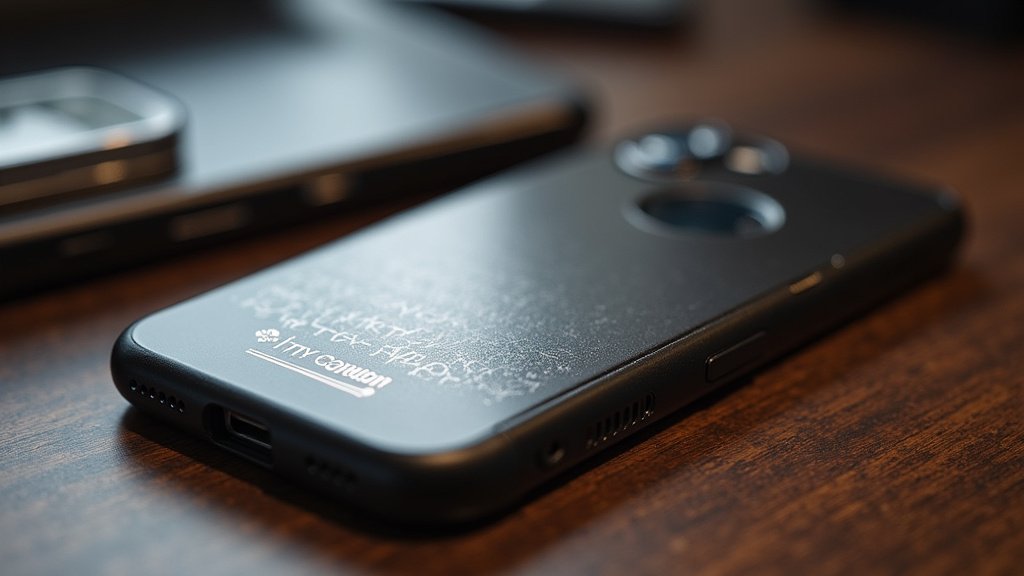
What a Good Engraving Looks Like
When done right, a laser-engraved phone case is a thing of beauty. You’ll see a design that is:
- Crisp and Clear: Lines are sharp, edges are defined, and fine details are visible.
- Consistent: The engraving depth and color are uniform across the entire design. There are no patchy or faded areas.
- Permanent: Unlike stickers or printed designs, a laser engraving is etched into the material. It won’t peel, fade, or rub off with normal use.
- Contrasting: There’s a noticeable difference between the engraved area and the untouched material, making the design stand out.
Choosing Your Design and Getting It Engraved
Now for the fun part: picking what you want to put on your case! The possibilities are almost endless, from simple initials to intricate artwork.
Design Considerations for Laser Engraving
Not every image translates perfectly to engraving. Keep these tips in mind for the best results.
- Vector Graphics are Best: For logos, text, or line art, vector files (like .SVG, .AI, .EPS) are ideal. They scale without losing quality, ensuring sharp edges regardless of size.
- High-Resolution Images: If you’re engraving a photo or a complex image, make sure it’s high resolution. Low-res images will appear pixelated and blurry when engraved.
- Contrast Matters: Designs with good contrast between light and dark areas will engrave more effectively. Remember, the laser essentially creates a monochromatic image (one color, often a darkened or lightened version of the base material).
- Simplicity is Key: Sometimes, less is more. Overly complex designs with too many tiny details can become muddy or difficult to distinguish when engraved on a small surface like a phone case.
Where to Get Your Case Engraved
You have a few options when it comes to turning your vision into reality.
- Online Engraving Services: Many companies specialize in custom laser engraving. You upload your design, choose your case (or send one in), and they handle the rest. This is often the easiest route.
- Local Engraving Shops: Check out local trophy shops, sign makers, or artisan workshops. They often have laser engraving machines and can provide personalized service and advice.
- Makerspaces or Tech Shops: If you’re feeling adventurous and want to learn, some community makerspaces offer access to laser engravers and training. This allows you to do it yourself (with supervision, of course!).
Checklist for a Smooth Engraving Experience
Before you commit to engraving, run through this quick checklist:
- Is your phone case material suitable for laser engraving?
- Is your design clear, high-resolution, and suitable for engraving?
- Have you communicated your desired look and expectations?
- Are you aware of the cost and turnaround time?
- Do you have a backup plan if the engraving doesn’t turn out as expected?
By following these steps, you’re much more likely to end up with a custom phone case you’ll absolutely love.
Conclusion
You now know that laser engraving your phone case is definitely possible, but it all comes down to the material. We’ve explored the best options like wood, leather, and anodized aluminum for crisp, lasting designs. We also highlighted materials to approach with caution or avoid entirely, especially hazardous ones like PVC.
By understanding material properties, preparing your case, and selecting the right design, you can achieve a truly personalized accessory. So, go ahead and choose your ideal case material, pick a design you love, and get ready to transform your phone into a unique reflection of you!
Frequently Asked Questions
Is laser engraving a phone case permanent?
Yes, laser engraving creates a permanent mark by physically altering the surface of the material. Unlike stickers or printed designs, it won’t rub off, fade, or peel over time with normal use.
Can I engrave a phone case myself if I buy a laser engraver?
While consumer-grade laser engravers are available, we recommend starting with simpler projects. Engraving a phone case requires precise settings and an understanding of material reactions. Always prioritize safety and consider professional services for your first case.
How much does it cost to get a phone case laser engraved?
The cost varies widely depending on the material, the complexity of your design, and where you get it done. Simple text engraving might be $10-$20, while intricate designs or premium services could cost $30-$50 or more. It’s best to get a quote from your chosen engraver.
Will engraving make my phone case weaker or less protective?
For most suitable materials like wood or anodized aluminum, engraving only removes a very thin layer and should not significantly compromise the case’s protective qualities. However, deep or widespread engraving on thinner materials could potentially reduce structural integrity.
What kind of designs work best for laser engraving?
Designs with good contrast and clear lines work best. Vector graphics are ideal for sharp text and logos. If using an image, ensure it’s high-resolution. Avoid overly complex designs with tiny details, as they can become muddled when engraved on a small surface.
