
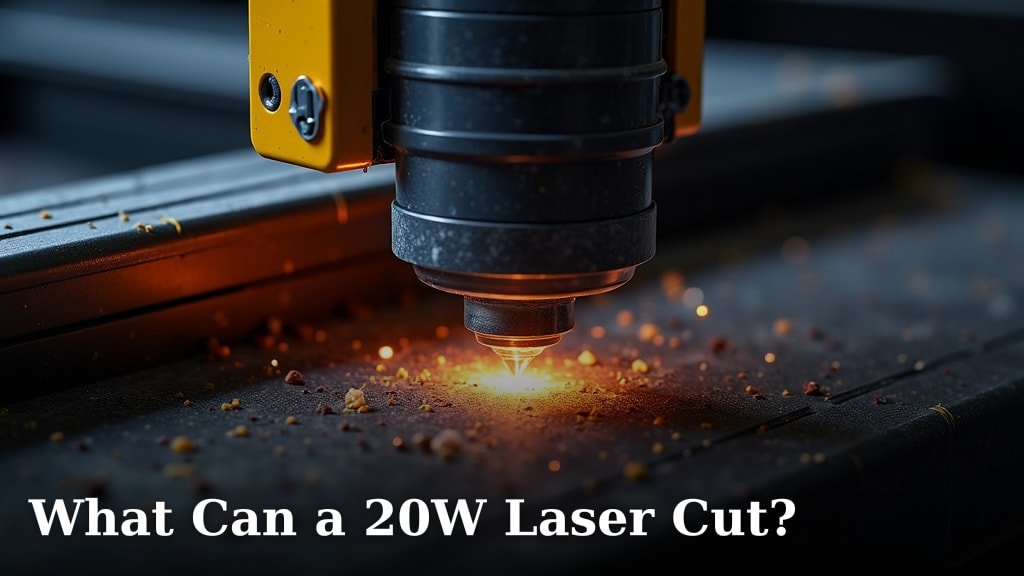
A 20W laser can cut through a variety of materials, though its capabilities depend heavily on the material type and thickness. Generally, you can expect it to cut thin wood, acrylic, paper, and certain fabrics with good results. For thicker or harder materials, it might be more suited for engraving or multiple passes.
You’re probably wondering what projects are possible with this laser power, right? We found that a 20W laser is a great starting point for many hobbyists and small businesses. It offers a good balance of power for both cutting and engraving lighter materials, making it quite versatile.
- A 20W laser cuts thin wood, acrylic, paper, and fabric.
- It’s excellent for engraving many materials.
- Thickness and material type are key factors.
- Not ideal for thick metals or very dense materials.
Ready to dive deeper? Let’s explore exactly what a 20W laser can handle and help you understand its true potential for your projects.
What Materials Can a 20W Laser Reliably Cut?
A 20W laser offers good cutting capability for many common materials. It’s especially effective with thinner, softer substrates.
You’ll find it handles materials like wood, acrylic, paper, and fabrics quite well. The key is to understand the limitations for each type.
Cutting Wood with a 20W Laser
When it comes to wood, a 20W laser can be surprisingly capable. You’re typically looking at thin sheets, though.
We found that plywood up to 3mm (1/8 inch) is often cut cleanly. Basswood and balsa wood, being softer, can go a bit thicker.
Harder woods like oak or maple will be more challenging. You might need multiple passes, and the cuts won’t always be as clean.
For detailed woodworking projects, this laser power is a solid choice for smaller, intricate designs.
Thickness Limits for Wood
Generally, aim for under 3mm (1/8 inch) for consistent, single-pass cuts. Some users report success with 6mm (1/4 inch) plywood, but this usually requires multiple passes and careful calibration.
Expect some charring on the edges, especially with thicker wood. This is normal and can often be cleaned up with sanding.
Working with Acrylic (Plexiglass)
Acrylic is another material where a 20W laser shines. It produces nice, clean edges, which is a big plus for signs and displays.
You can typically cut acrylic sheets up to 3mm (1/8 inch) without much trouble. Clear acrylic tends to cut better than colored or opaque types.
Remember, this usually applies to cast acrylic. Extruded acrylic can sometimes melt and create rougher edges.
Paper, Cardstock, and Other Thin Materials
For paper-based projects, a 20W laser is often overkill but highly effective. It cuts through various paper types with incredible precision.
From thin printer paper to thick cardstock and even mat board, you’ll get crisp, detailed cuts. This is perfect for custom invitations, stencils, or architectural models.
Vinyl and other adhesive-backed materials can also be cut, but be careful with fumes. Always ensure good ventilation.
Fabrics and Leather
Many fabrics respond well to a 20W laser. Think felt, cotton, denim, and even some synthetic blends. You can create intricate patterns for sewing or appliqué.
The laser often seals the fabric edges as it cuts, which can prevent fraying. Isn’t that neat?
Thin leather, usually up to 1.5mm (1/16 inch), can also be cut. Thicker leather might require multiple passes and might smell a bit during the process (ensure good ventilation!).
What About Engraving with a 20W Laser?
While cutting is great, a 20W laser truly excels at engraving across a wider range of materials. If you’re looking for detailed surface marking, this is where it shines.
Engraving requires less power than cutting. This means you can mark materials that are too thick or dense to cut.
Engraving Wood, Acrylic, and Glass
You can engrave beautiful designs onto wood, creating personalized gifts or decorative items. The depth of engraving can be adjusted by power settings and passes.
Acrylic also engraves nicely, producing a frosted look. This is popular for backlit signs or artistic pieces.
Even glass can be engraved! A 20W laser will etch the surface, creating a frosted appearance. It’s perfect for custom glassware or awards.
Marking Metals and Stone
Directly cutting metal with a 20W diode laser is generally not possible. However, you can engrave it.
To engrave metal, you often need to use a special marking spray or coating. This coating reacts with the laser, leaving a permanent mark on the metal surface.
Certain types of stone, like slate or marble, can also be engraved. The laser removes a thin layer, creating a lighter or contrasting design.
We found that materials like anodized aluminum engrave directly without a coating. This opens up options for custom tags or panels. Our guide on how to laser engrave aluminum provides more details on this process.
Materials Not Suitable for a 20W Laser
It’s important to know what your 20W laser can’t do. Managing expectations is key to a happy laser experience!
You’ll find that certain materials are simply beyond its power capabilities for cutting, and sometimes even for effective engraving.
Thick Metals and Hard Plastics
A 20W diode laser will not cut through thick metals like steel, aluminum, or copper. These require much higher power industrial CO2 or fiber lasers.
Very hard or dense plastics, like polycarbonate (Lexan), are also typically too challenging to cut. They often melt rather than vaporize, creating a mess.
Clear Materials (for Cutting) and PVC
While clear acrylic engraves well, cutting clear materials can be tricky. The laser light might pass through without enough absorption to cut effectively.
PVC (Polyvinyl Chloride) is a big no-no. Cutting PVC releases highly toxic chlorine gas, which is harmful to you and corrosive to your machine. Always avoid it.
Maximizing Your 20W Laser’s Potential: Tips and Tricks
You’ve got a 20W laser, now how do you get the best results? It often comes down to settings, technique, and a little patience.
Many users find that experimenting with different speeds and power levels yields the best outcomes for specific materials.
Optimizing Settings for Different Materials
We found that tuning your laser’s speed and power is crucial. A slower speed with higher power often means a deeper cut.
For engraving, you might use a higher speed and lower power for lighter marks. It’s a bit like learning to cook – a recipe is a guide, but you adjust to taste!
Always do a few test cuts or engraves on scrap material first. This saves you from ruining your main project.
The Importance of Air Assist and Ventilation
Air assist is a game-changer for cutting. It blows away debris and smoke from the cut path, preventing fires and creating cleaner edges.
It also helps to keep your laser lens clean, which is important for maintaining cutting power. Think of it as a little helper for your laser.
Good ventilation is non-negotiable. Laser cutting and engraving produce smoke and fumes. You need to vent these outdoors or use an appropriate air filtration system to protect your health (OSHA recommendations often highlight proper ventilation). Don’t skip this step!
A Quick Material Capability Checklist for Your 20W Laser
Here’s a simple checklist to help you remember what your 20W laser can generally handle:
- Thin Wood (up to 3mm/1/8 inch): Good for cutting, excellent for engraving.
- Acrylic (up to 3mm/1/8 inch): Good for cutting (especially cast), excellent for engraving.
- Paper & Cardstock: Excellent for cutting and engraving.
- Fabrics & Thin Leather: Good for cutting, great for engraving.
- Glass & Ceramics: Great for engraving (surface etching).
- Coated Metals & Anodized Aluminum: Good for engraving (not cutting).
Understanding the Limitations of a 20W Diode Laser
It’s important to remember that a 20W diode laser is a fantastic entry point, but it’s not an industrial powerhouse. Knowing its limits prevents frustration.
You’re working with a tool designed for hobbyists, small businesses, and makers. Its strength lies in versatility for lighter tasks.
Diode vs. CO2 vs. Fiber Lasers
A diode laser (like your 20W unit) uses semiconductor diodes to create the laser beam. They are compact, energy-efficient, and relatively affordable.
CO2 lasers are typically more powerful and can cut thicker materials faster. They’re often used for larger projects and production environments.
Fiber lasers are designed for marking and cutting metals with extreme precision. They’re a whole different beast.
Your 20W diode laser sits perfectly as a versatile tool for a wide array of projects without the high cost or space requirements of other types.
| Material Type | 20W Diode Laser Cutting (Typical) | 20W Diode Laser Engraving (Typical) |
|---|---|---|
| Wood (Ply, Basswood, Balsa) | Up to 3mm (1/8″) clean cut, 6mm (1/4″) with multiple passes | Excellent, deep marks achievable |
| Acrylic (Cast) | Up to 3mm (1/8″) clean cut | Excellent, frosted finish |
| Paper, Cardstock | All thicknesses, very clean cuts | Excellent, precise marking |
| Fabric, Thin Leather | Up to 1.5mm (1/16″) | Very good, precise designs |
| Glass, Ceramics | Not possible | Good, surface etching/frosting |
| Anodized/Coated Metals | Not possible | Good, permanent marking |
| Thick Metals (Steel, Aluminum) | Not possible | Not possible (direct), requires marking spray |
| PVC, Polycarbonate | Not recommended (toxic fumes/melting) | Not recommended |
Conclusion
You’ve seen that a 20W laser is a versatile tool, capable of handling a surprising range of materials for both cutting and engraving. We found it excels with thin wood, acrylic, paper, and fabrics, while opening up engraving possibilities on glass, stone, and coated metals.
Understanding its limitations and optimizing settings like air assist and ventilation will significantly improve your results. This laser offers a great entry point for creative projects without the complexity of larger machines.
Now that you know its capabilities, it’s time to start experimenting! Grab some scrap material and dial in your settings to bring your next project to life.
Frequently Asked Questions
Can a 20W laser cut clear acrylic?
Cutting clear acrylic with a 20W diode laser can be challenging. The laser light tends to pass through clear materials rather than being absorbed. This makes it difficult to generate enough heat for a clean cut. You’ll likely get better results engraving clear acrylic for a frosted effect.
Do I need air assist for a 20W laser?
Yes, air assist is highly recommended, especially for cutting. It helps clear smoke and debris from the cut path, leading to cleaner edges and preventing fires. It also helps protect your laser lens from residue, maintaining optimal performance.
What is the thickest wood a 20W laser can cut?
A 20W laser can typically cut thin plywood up to 3mm (1/8 inch) in a single pass. For softer woods or with multiple passes, some users have reported success with up to 6mm (1/4 inch) plywood. Always expect some charring on thicker wood.
Is it safe to cut PVC with a 20W laser?
Absolutely not. Cutting PVC (Polyvinyl Chloride) with any laser, including a 20W unit, releases highly toxic chlorine gas. This gas is extremely harmful to your health and can severely corrode your laser machine. Always avoid cutting PVC.
Can a 20W laser mark stainless steel?
A 20W diode laser cannot directly cut or engrave bare stainless steel. However, you can engrave stainless steel by using a special marking spray or coating. This coating reacts with the laser, leaving a permanent, dark mark on the metal surface.
