
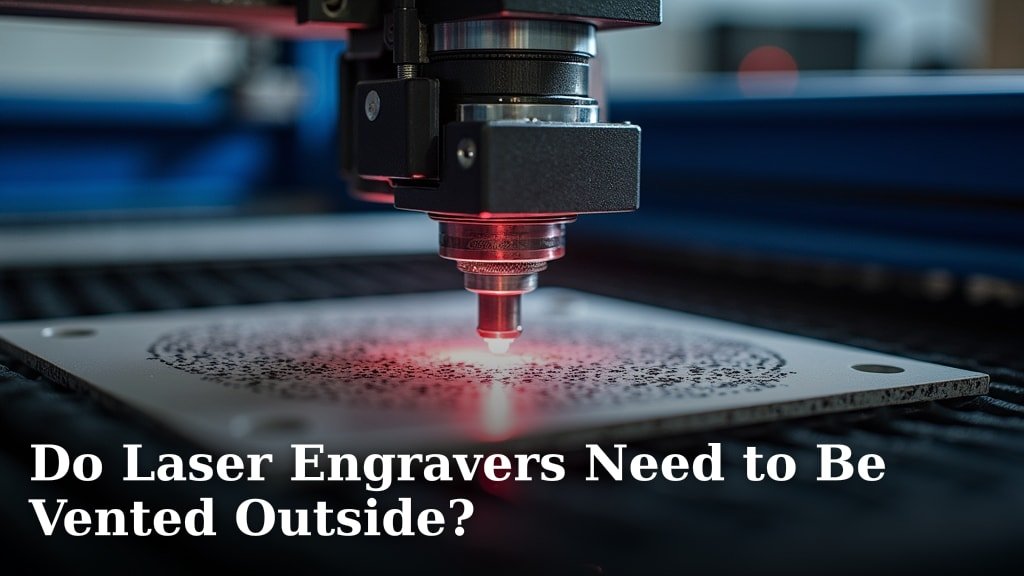
Yes, laser engravers absolutely need to be vented outside. Operating a laser engraver without proper ventilation is not safe. You risk exposing yourself and others to harmful fumes and particles.
When you laser engrave, various materials like wood, plastic, or leather get vaporized. This process creates toxic smoke and microscopic debris. Breathing these in can cause serious health problems over time. A good ventilation system is non-negotiable for your safety.
- Laser engravers produce harmful fumes and particles.
- Proper ventilation is crucial for your health and safety.
- These airborne contaminants can cause serious health issues.
- Venting outside directs hazardous byproducts away from your workspace.
Let’s dive into why this ventilation is so important and what your best options are for setting it up safely.
The Critical Need for Laser Engraver Ventilation
So, you’re asking, “Why all the fuss about venting a laser engraver outside?” The simple answer is safety. When your laser interacts with a material, it doesn’t just engrave or cut; it literally vaporizes tiny bits of that material.
This process creates a plume of smoke, dust, and microscopic particles. Think of it like a miniature volcano erupting toxic gases and ash right in your workspace.
These byproducts aren’t just unpleasant; they’re harmful. They can pose serious risks to your respiratory system and overall health if not properly managed. Understanding the essential safety equipment needed for laser engraving can further protect you from these byproducts.
Understanding the Hazards in the Air
What exactly are you breathing in if you don’t vent properly? It’s a cocktail of things you don’t want in your lungs.
Different materials produce different kinds of airborne waste. For example, engraving wood releases wood dust and volatile organic compounds (VOCs). Acrylic can release fumes containing formaldehyde and other irritants (National Institutes of Health).
Even materials you might think are harmless can become problematic when heated to extreme temperatures by a laser.
The Unseen Dangers: Particulates and VOCs
The particles created during laser engraving are often incredibly small. We’re talking about ultrafine particles that can bypass your body’s natural defenses.
These tiny bits can travel deep into your lungs. Once there, they can cause inflammation, irritation, and over time, more serious conditions. It’s like having tiny splinters constantly digging into your lung tissue.
Volatile Organic Compounds (VOCs) are gases emitted from certain solids or liquids. Many of these chemicals can have short and long-term adverse health effects. They’re what give that distinct “laser engraver smell” you might notice.
Health Risks of Inhaling Engraving Fumes
Breathing these fumes and particles isn’t something to take lightly. Your body isn’t designed to filter out these industrial byproducts.
The immediate effects can include coughing, sneezing, and irritation to your eyes, nose, and throat. It might feel like you’ve got a bad allergy attack or a cold coming on.
However, the long-term effects are much more concerning. Consistent exposure can lead to chronic respiratory issues, allergies, and even increase your risk of certain cancers.
Many experts say this isn’t just about comfort; it’s about your long-term wellness (Occupational Safety and Health Administration).
Venting Solutions: What Are Your Options?
So, we’ve established that venting is absolutely necessary. Now, what are the practical ways to get those nasty fumes out of your workspace?
You essentially have two main approaches: direct venting outside or using an air filtration system. Both have their pros and cons, and the best choice for you depends on your setup and budget.
Direct Venting Outside: The Gold Standard
This is generally the most effective and recommended method. It involves ducting the exhaust directly from your laser engraver to the outdoors.
Think of it as giving the fumes a one-way ticket straight out of your building. This ensures they don’t linger in your air.
A good direct venting setup moves the air quickly and efficiently, preventing any buildup of harmful substances inside your shop or home.
Setting Up Your Outdoor Vent System
To set up direct venting, you’ll need a few key components. First, a strong exhaust fan or blower is crucial. Your engraver often comes with one, but sometimes you might need a more powerful external fan, especially for longer duct runs.
Next, you’ll need flexible or rigid ducting. This is the “pipe” that carries the fumes. Make sure it’s fire-resistant and sealed properly at all connections to prevent leaks.
Finally, an outdoor vent cap is essential. This prevents rain, pests, and back drafts from coming into your ductwork. Position it away from windows or air intakes to prevent fumes from re-entering your building.
- Choose a powerful fan: Match the fan’s CFM (Cubic Feet per Minute) to your engraver’s needs.
- Use appropriate ducting: Flexible aluminum or rigid metal ducts are good choices.
- Seal all connections: Use duct clamps and tape to prevent leaks.
- Install a vent cap: Protect your system from the elements and pests.
- Consider duct length: Shorter, straighter runs are more efficient.
Air Filtration Systems: When Outdoor Venting Isn’t Possible
What if you can’t vent directly outside? Maybe you’re in an apartment, a shared building, or simply don’t have an easy way to cut a hole in a wall. This is where air filtration systems, also known as fume extractors or scrubbers, come in handy.
These units pull the air from your engraver, filter out the harmful particles and gases, and then return the “cleaner” air back into the room. It’s like having a dedicated air purifier just for your engraver.
While convenient, it’s important to know that these systems require regular filter changes. If you don’t change filters, they become ineffective and could even release trapped contaminants.
Comparing Direct Venting vs. Air Filtration
Let’s look at the main differences between these two options to help you decide:
| Feature | Direct Venting Outside | Air Filtration System (Fume Extractor) |
|---|---|---|
| Effectiveness | Highly effective; removes all fumes/particles from indoor air. | Effective; cleans air, but not all gases are 100% removed. |
| Maintenance | Relatively low; occasional duct cleaning. | High; requires regular (and costly) filter changes. |
| Cost | Lower initial cost, minimal ongoing expense. | Higher initial cost, significant ongoing filter costs. |
| Installation | Requires external access (window, wall). | Easier installation, no external access needed. |
| Best For | Workshops, garages, dedicated spaces with external access. | Apartments, shared buildings, temporary setups. |
As you can see, direct venting is often the preferred choice due to its effectiveness and lower long-term costs, but fume extractors offer a viable alternative when outdoor access is not an option.
Important Considerations for Safe Engraving
Beyond the primary ventilation system, there are other factors that contribute to a safer laser engraving environment. Thinking about these details can greatly improve your overall safety protocol.
Remember, a safe workshop is a happy workshop. Taking extra steps now can prevent problems down the line.
Material Selection and Fume Production
What you engrave directly impacts the types and quantities of fumes produced. Some materials are much worse than others. For example, PVC plastic (often found in vinyl) releases chlorine gas when burned, which is highly toxic and corrosive. You should never engrave PVC.
Always research the material you plan to engrave. Manufacturers usually provide safety data sheets (SDS) that detail potential hazards when the material is heated or cut. A little research goes a long way in preventing a hazardous situation.
Maintaining Your Ventilation System
A ventilation system is only as good as its maintenance. Just like your car needs oil changes, your fume extraction needs attention.
Regularly check ducts for blockages, kinks, or leaks. Dust and debris can build up, reducing airflow. Clean your fan blades if they get dirty.
If you’re using a filter system, keep track of filter life. Change them before they become fully saturated. A clogged filter can put a strain on your machine and allow harmful substances to pass through.
Personal Protective Equipment (PPE)
While ventilation is your primary defense, sometimes a little extra protection is wise. Consider wearing a respirator with appropriate filters, especially if you’re working with materials that produce particularly noxious fumes, even with good ventilation.
Safety glasses are also a must to protect your eyes from laser reflections and airborne debris. Think of PPE as your last line of defense in an already well-protected setup.
Your health is important. Don’t cut corners when it comes to safety.
Conclusion
You’ve learned that venting your laser engraver isn’t just a recommendation; it’s a critical safety measure. Protecting yourself from harmful fumes and particles is non-negotiable for your health.
Whether you choose direct outdoor venting or a robust filtration system, invest in the right setup for your workspace. Remember to consider your materials and maintain your system diligently. Your long-term well-being depends on these precautions.
Take action today to ensure your laser engraving hobby or business is as safe as it is rewarding.
Frequently Asked Questions
Can I just use an open window for ventilation?
While an open window is better than nothing, it’s generally insufficient. It doesn’t create enough airflow to effectively remove all harmful fumes and particles, and nearby windows can draw those contaminants right back inside. A dedicated exhaust system is much safer.
How often do fume extractor filters need to be replaced?
Filter replacement frequency depends on how often you engrave, the materials you use, and the specific filter type. Most manufacturers provide guidelines, but generally, expect to change them every few weeks to several months. Always check your unit’s indicator or manual.
What materials should never be laser engraved due to toxic fumes?
Materials like PVC (vinyl), ABS plastic, and certain foams (like Styrofoam) should never be engraved. They release highly toxic and corrosive gases when burned. Always research your material’s safety data sheet (SDS) before engraving.
Does a small, hobby-level engraver still need outdoor ventilation?
Yes, absolutely. Even small, hobby-level engravers produce harmful fumes and microscopic particles. The size of the machine doesn’t change the chemical reactions occurring. Your health is just as important regardless of your engraver’s scale.
What if I smell fumes even with my ventilation system running?
If you smell fumes, it’s a sign your ventilation system isn’t working correctly. Check for leaks in your ductwork, ensure your fan is strong enough, or replace saturated filters in a fume extractor. Stop engraving until the issue is resolved to protect your health.
