
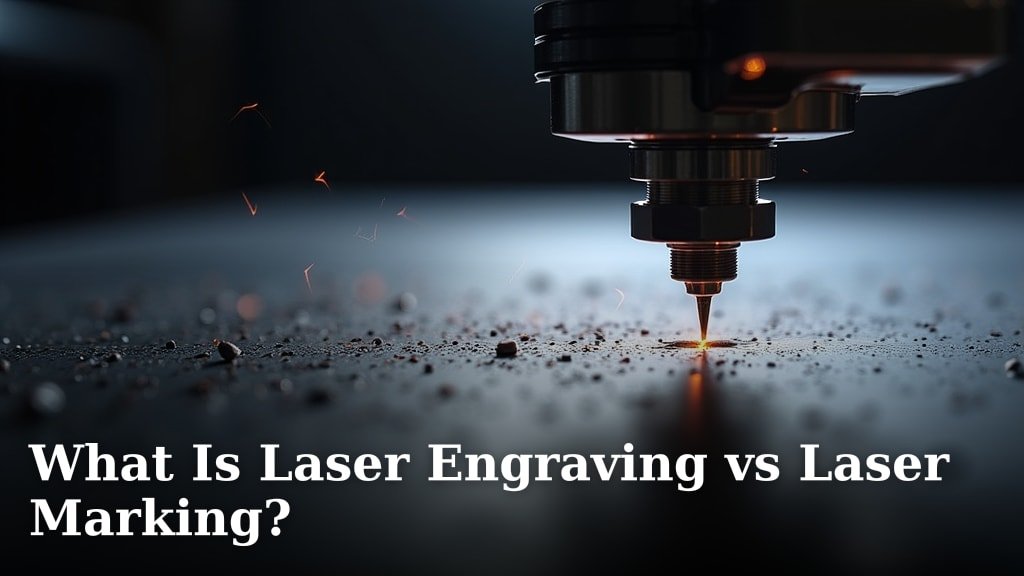
Laser engraving removes material to create a deep, permanent cavity, while laser marking alters the surface color or texture without significant depth. The main difference is that engraving physically cuts into the material, and marking changes its appearance.
So, which one do you need for your project? It depends on the result you want. Many experts say engraving is for durability and tactile feel, while marking is for high-speed, shallow labeling like serial numbers. We found that choosing the right method saves time and money.
- Engraving cuts deep, creating a physical groove you can feel.
- Marking alters the surface, often through color change or foaming.
- Engraving is generally slower and more aggressive on the material.
- Marking is faster, cleaner, and great for detailed codes or logos.
- Your choice depends on the material, the look, and how tough it needs to be.
Below, we break down everything you need to know about laser engraving versus laser marking so you can pick the perfect technique.
Understanding the Core Difference Between Engraving and Marking
The fundamental distinction comes down to material removal. Laser engraving uses intense heat to vaporize material, creating a permanent cavity. Laser marking alters the material’s surface appearance without carving into it. Think of engraving like a chisel, and marking like a permanent marker.
How the Laser Engraving Process Works
During engraving, the laser beam acts as a focused cutting tool. It rapidly heats the target area, causing the material to melt, vaporize, or ablate. This physical removal creates a deep, tactile groove. The process is powerful and precise, making it ideal for creating designs you can feel.
The Role of Material Removal
The key action here is ablation. The laser essentially blasts away layers of material. This is why engraved marks are so durable. They won’t wear off easily because they are physically part of the object’s structure. We found that this depth is essential for applications requiring a permanent, tactile finish.
How the Laser Marking Process Works
Laser marking is a gentler, surface-level process. The laser energy changes the material’s properties, but doesn’t remove it. This can happen through several mechanisms. It might cause a color change, induce foaming, or create a thin layer of oxidation. The result is a high-contrast mark with minimal depth.
Common Marking Mechanisms
- Color change: The laser alters the pigment in plastics or certain coated metals.
- Foaming: The laser heats plastic, creating tiny bubbles that appear as a light mark.
- Carbonization: On organics like wood or leather, it creates a dark, burned mark.
- Oxidation: On metals like steel, it creates a controlled, colored oxide layer.
The Physical Effect on Materials
The most obvious difference you’ll notice is the depth. Engraving creates a clear, physical indentation. Marking changes how the surface looks or reflects light. This core difference drives every other distinction, from durability to production speed.
Depth and Durability Compared
Engraved marks are inherently durable. Because material is removed, the design is resistant to fading, peeling, or wearing away. Many experts say this makes engraving the go-to for items subject to heavy use or abrasion. Marked surfaces can also be durable, but they are more vulnerable to deep scratches that could remove the altered layer.
Speed and Efficiency in Production
Marking is generally much faster. Since it doesn’t need to cut deep, the laser can move quickly across the surface. This makes marking ideal for high-volume applications like serial numbers or barcodes. Engraving requires more energy and time per mark, as the laser must dwell longer to remove material. For a small, intricate logo, engraving is fine. For thousands of serial numbers, marking is the practical choice.
Common Applications for Each Method
Choosing the right technique often depends on the end use of your product. What do you need the mark to achieve? Is it about looks, longevity, or functional data?
When Laser Engraving is the Clear Winner
Choose engraving when you need a deep, tactile, and ultra-permanent mark. It’s perfect for creating high-end, personalized products. Think of custom jewelry, awards, or branding on a luxury pen. It’s also essential for industrial parts where a mark must survive harsh conditions. We found engraving is frequently used for deep-logo applications on items like metal flasks and knives.
When Laser Marking is the Smart Choice
Marking excels in high-speed, high-precision environments. It’s the standard for adding serial numbers, QR codes, and date stamps. The automotive and electronics industries rely on it for part identification. It’s also used for subtle, elegant branding on premium products where you want a change in color without a texture change.
Material Compatibility Matters
Not all materials react the same way to each process. Your material choice can dictate whether engraving or marking will produce the best result. A mismatch can lead to poor contrast, damage, or a mark that fades quickly.
Working with Metals
Metals are a great candidate for both processes. Deep engraving is common on metals like steel and aluminum for permanent labeling. For marking, different metals react uniquely. Stainless steel can be marked through annealing, creating a beautiful, durable black mark without removing material (Material Science and Engineering: C).
Working with Plastics and Organic Materials
Plastics offer a wide range of marking options through color change or foaming. However, deep engraving on some plastics can be messy or cause melting. For organic materials like wood or leather, engraving creates a classic, burnt-wood look. Marking on leather often produces a darker, branded effect with less depth.
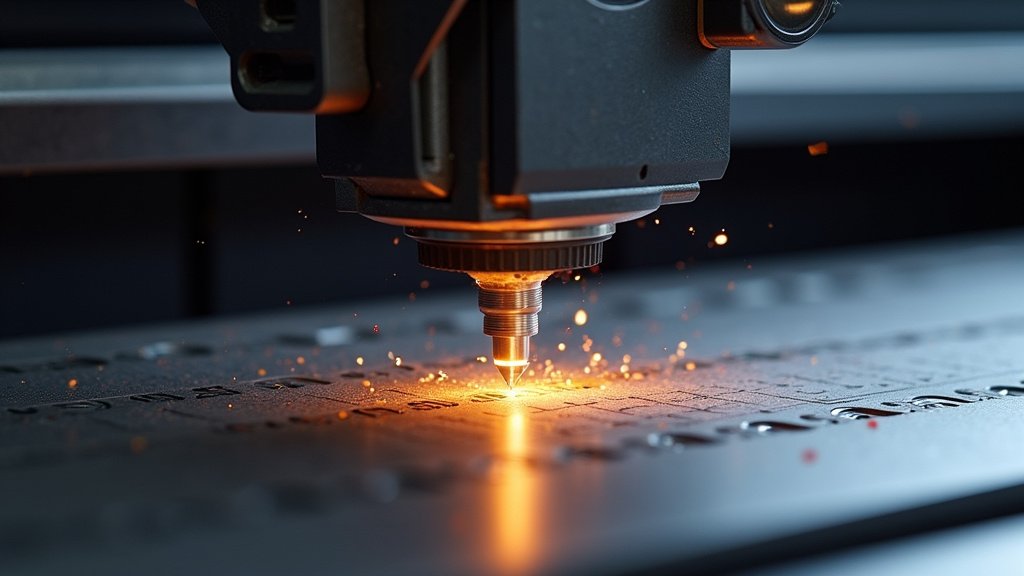
Side-by-Side Comparison at a Glance
It can be hard to keep all the differences straight. Here is a simple table to help you compare the two processes quickly.
| Feature | Laser Engraving | Laser Marking |
|---|---|---|
| Primary Action | Material removal (ablation) | Surface alteration |
| Depth | Deep, tactile groove | Shallow, visual change |
| Durability | Extremely high | High, but less abrasion-resistant |
| Speed | Slower | Faster |
| Common Uses | Logos, art, custom gifts, deep part IDs | Serial numbers, barcodes, subtle logos, date codes |
| Typical Feel | Raised or grooved texture | Smooth (same as original surface) |
Choosing the Right Technique for Your Project
So, how do you make the final call? Start by asking three simple questions. What is your material? What is the mark’s purpose? And what is your production volume? Answering these will point you in the right direction.
Remember, the goal isn’t just to put a mark on something. It’s to create the right kind of mark. A faded barcode is useless. A logo you can’t feel might miss the mark for luxury branding. Matching the process to the purpose is everything.
Quick Decision Checklist
Use this checklist to guide your choice. If you check most items in one column, that technique is likely your best bet.
- Need a deep, physical indentation? Engraving is your only option.
- Producing high volumes of items quickly? Marking is far more efficient.
- Want a mark that feels part of the material? Go with engraving.
- Need to change the color without changing texture? Marking is the way.
- Working with a material that is heat-sensitive? Marking is often gentler.
- Is maximum resistance to wear absolutely critical? The depth of engraving wins.
Conclusion
Choosing between laser engraving and laser marking comes down to one core question: do you need to feel a difference or see one? **Engraving is your go-to for permanent, tactile results** that withstand heavy use. **Marking is ideal for fast, efficient labeling** where speed and surface appearance matter most. Your material, the mark’s purpose, and your production needs should drive your final decision.
You now have the knowledge to evaluate your project. **Use the quick decision checklist** from earlier as your guide. For the best results, consider consulting a laser specialist who can test your specific material and requirements.
Frequently Asked Questions
Which is more expensive, laser engraving or marking?
Laser marking is typically more cost-effective for high-volume projects. It is faster and uses less power, reducing operational costs. For small batches or items requiring maximum durability, the higher cost of engraving is often justified.
Can I use both engraving and marking on the same piece?
Yes, many modern laser systems can perform both processes in a single job. A common application is to **engrave a deep logo** for a tactile feel, then **mark a serial number** on the same part for fast, efficient identification.
Will a laser mark fade or wear off over time?
A properly executed laser mark is very durable, but its longevity depends on the material and environment. Surface marks can be scratched off with extreme abrasion. Engraved marks are more resilient because they are physically recessed into the material.
Is laser marking safe for all plastics?
Not all plastics are compatible. Some plastics may melt, release fumes, or not produce a high-contrast mark. It is critical to **test your specific plastic material** with the laser settings first. A material specialist can recommend the best process for your polymer.
Can laser marking create a mark on glass?
Yes, laser marking can create elegant, frosted marks on glass through a process called surface fracturing. Deep engraving on glass is also possible but carries a higher risk of cracking. Marking is the gentler and more common choice for glass.
