
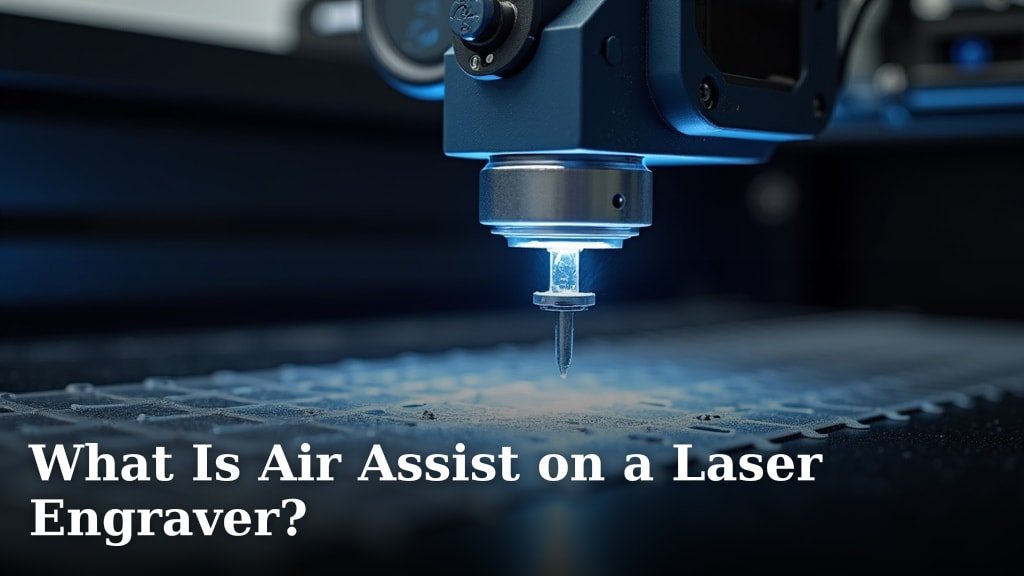
An Air Assist on a laser engraver is a system that directs a focused stream of air directly at the point where the laser beam hits your material. This simple addition dramatically improves cut quality and engraving results by clearing debris and cooling the work area. We found it’s a must-have accessory for serious laser users.
You might wonder, “Why do I need a puff of air?” Well, that little puff does a lot. It keeps your lens clean, reduces flare-ups, and helps achieve smoother edges. Think of it as giving your laser a helping hand to create cleaner, more precise work every time.
TL;DR:
- Air assist blows air onto the laser’s focal point.
- It improves cut quality and engraving results.
- Helps cool the material and prevents charring.
- Keeps the laser lens clean.
- Reduces smoke and debris on your workpiece.
Below, we break down everything you need to know about what air assist is, how it works, and why you’ll want one for your laser engraver.
Understanding the Role of Air Assist in Laser Engraving
An air assist system is like a tiny, powerful fan specifically designed for your laser engraver. It blows a concentrated stream of air directly at the point where your laser beam interacts with the material. This targeted airflow serves several critical functions, all aimed at improving the quality and safety of your laser projects.
How Does Air Assist Actually Work?
You might be picturing a small, continuous breeze. But it’s more precise than that. The air travels through a nozzle, which you attach near your laser’s focal lens. This nozzle then directs the air down onto your material, precisely where the laser is cutting or engraving.
This directed airflow performs its duties in real-time, right as the laser is doing its work. It’s a continuous process that keeps the work area clear and cool, preventing common problems that can arise during laser operations.
Clearing Debris and Smoke
When your laser cuts or engraves, it vaporizes or burns away tiny bits of material. This creates smoke, fumes, and small particles. Without air assist, these can quickly build up around the cutting area.
This smoke and debris can actually interfere with the laser beam itself. It can scatter the beam, reducing its power and effectiveness. We found that a clear path for the laser means better, more efficient cutting (National Institute for Occupational Safety and Health).
The air assist blows away these unwanted byproducts as they form. This ensures the laser always has a clear shot at the material. It’s like having a miniature leaf blower clearing a path for your laser’s work.
Preventing Flare-Ups and Flames
Certain materials, especially wood and acrylic, can sometimes ignite when hit by a laser. This creates small flames or flare-ups. While often minor, these can damage your material and even pose a safety risk.
The stream of air from the air assist acts as a fire suppressant. It quickly extinguishes any small flames before they can get out of control. This keeps your workpiece safe and prevents unsightly burn marks.
Cooling the Material
The laser generates a lot of heat at its focal point. This heat can cause issues like charring, discoloration, or melting, especially with sensitive materials. Think of it as a hot knife going through butter – without cooling, the butter melts too much around the edges.
The air stream helps to dissipate this heat from the immediate work area. This cooling effect results in cleaner cuts and engravings with less heat damage. You’ll see less yellowing on wood and smoother edges on acrylic.
Protecting Your Laser Lens
One often overlooked benefit of air assist is lens protection. As smoke and debris rise from the material, they can contaminate your laser lens. A dirty lens can reduce laser power and eventually cause permanent damage.
The constant airflow pushes these contaminants away from the lens. This keeps your lens much cleaner, extending its lifespan and maintaining consistent laser performance. It’s a simple way to protect a vital and expensive part of your machine.
Why You Need Air Assist: Benefits You Can’t Ignore
If you’re serious about getting the best results from your laser engraver, air assist is not just a nice-to-have; it’s practically essential. We’ve seen firsthand the difference it makes across a wide range of projects.
Achieve Superior Cut Quality
One of the most noticeable improvements with air assist is the quality of your cuts. You’ll find edges that are much cleaner and smoother.
- Reduced Charring: Say goodbye to those dark, burnt edges on wood. Air assist keeps them crisp.
- Smoother Edges: Especially important for acrylic, where melting and rough edges can be a problem.
- Consistent Depth: With less debris scattering the beam, your cuts will be more uniform.
Imagine cutting a delicate design, and every line is perfectly formed without discoloration. That’s the power of effective air assist.
Enhance Engraving Results
It’s not just about cutting. Air assist also plays a big role in engraving quality. Engravings often require fine detail, and any interference can ruin the effect.
By clearing smoke and residue, air assist ensures your engravings are sharper and more defined. You’ll see better contrast and finer lines. This is especially true for intricate designs where clarity is paramount.
Increase Safety and Longevity of Your Machine
Beyond quality, there are significant safety and maintenance benefits. Preventing flare-ups makes your workshop safer, reducing the risk of fire. Protecting your lens means less downtime and fewer expensive replacements.
The cleaner environment also means less residue accumulating inside your machine. This can extend the life of other components and reduce the frequency of deep cleaning.
Boost Efficiency and Speed
With a clear path for the laser and reduced debris, your machine can often work more efficiently. This sometimes allows for slightly faster cutting speeds without sacrificing quality. You spend less time cleaning your material afterward too, which saves you valuable minutes on each project.
Different Types of Air Assist Systems
Not all air assist systems are created equal. You’ll typically find two main types, and understanding the differences can help you choose the right one for your needs.
Built-in (Integrated) Air Assist
Many newer, higher-end laser engravers come with an air assist system already integrated into the machine. These are often designed to work seamlessly with the specific laser head.
- Convenience: Often plug-and-play, no complex setup required.
- Optimized Design: Usually designed to match the laser’s power and focal length perfectly.
- Aesthetics: Tends to be more compact and neatly hidden.
If your machine has this, you’re usually good to go. Just make sure the pump is adequately powerful for the tasks you plan to do.
External (Add-on) Air Assist
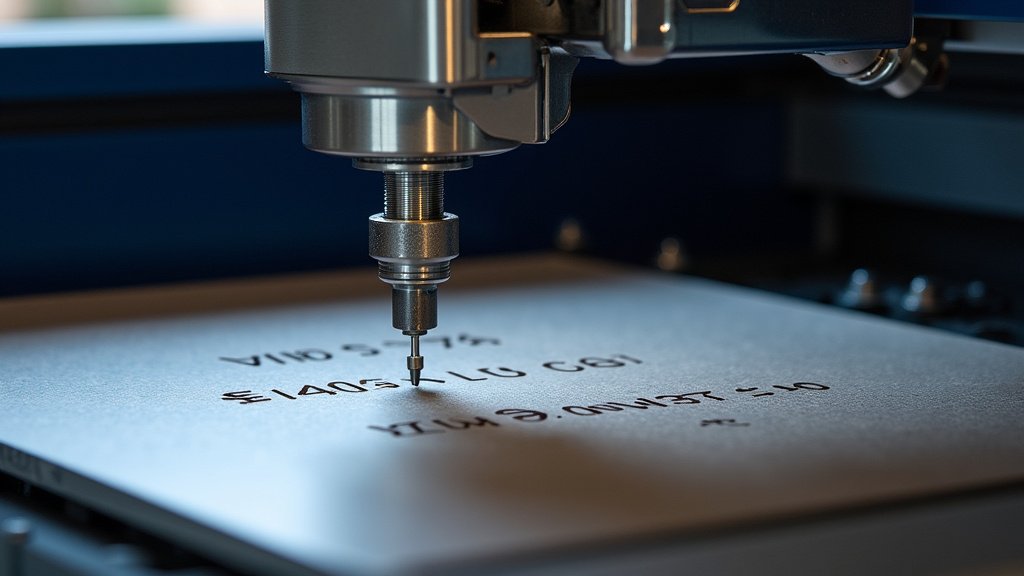
For many desktop or entry-level engravers, you’ll need to purchase an external air assist system. These usually consist of an air pump, tubing, and a nozzle that attaches to your laser head.
- Flexibility: You can choose a pump that suits your power needs.
- Cost-Effective: Often a more affordable option than buying a whole new machine.
- Customization: Allows for upgrading or modifying components over time.
We found that external systems offer great performance if you choose quality components. Installation usually involves mounting the nozzle, connecting tubing, and plugging in the pump.
| Feature | Built-in Air Assist | External Air Assist |
|---|---|---|
| Setup | Minimal, often pre-installed | Requires assembly and attachment |
| Integration | Seamless with machine design | Add-on component |
| Cost (Initial) | Included in machine price | Separate purchase |
| Power | Often matched to machine | Customizable based on pump choice |
| Flexibility | Less | More for customization |
Choosing the Right Air Assist for You
When selecting an external air assist system, there are a few key things to consider. You want a system that provides enough airflow for your typical projects without being overly complex or expensive.
Factors to Consider
Think about the types of materials you work with and the depth of your cuts. These will largely determine the power and features you need.
- Pump Power (LPM): Measured in Liters Per Minute (LPM), this indicates how much air the pump can deliver. For cutting thicker materials or preventing charring, you’ll want a higher LPM. Many users find 30-60 LPM adequate for general engraving, while cutting requires 60 LPM or more.
- Adjustable Airflow: Can you control the air pressure? This is very useful. Sometimes you need a gentle puff for delicate engraving, and other times a powerful blast for cutting.
- Noise Level: Air pumps can be noisy. Look for quieter models if your workspace is shared or if noise is a concern.
- Nozzle Design: The nozzle should be focused and durable. Some have magnetic attachments for easy installation.
- Compatibility: Ensure the system is compatible with your specific laser engraver model.
A Quick Checklist for Your Air Assist Setup
Before you dive into your next laser project with your new air assist, run through this quick checklist:
- Is the air pump securely placed and stable?
- Are all tubing connections tight and free of leaks?
- Is the nozzle correctly positioned directly above the laser’s focal point?
- Is the airflow adjusted to suit your material and operation (cutting vs. engraving)?
- Have you done a small test cut/engraving to verify optimal performance?
- Is your work area still well-ventilated, even with air assist? (It’s still important!)
Remember, air assist significantly reduces smoke and fumes at the point of laser contact, but it doesn’t eliminate the need for proper room ventilation. Always ensure your workspace is well-ventilated for safety.
Conclusion
As we’ve explored, air assist is far more than a simple accessory for your laser engraver. It’s a fundamental tool that dramatically enhances your machine’s performance and the quality of your work. By providing a clear, cool, and safe environment for the laser, you achieve superior cuts and engravings. Investing in a good air assist system means investing in cleaner projects, a longer-lasting machine, and a safer workspace. So, if you’re looking to elevate your laser projects, make air assist your next essential upgrade.
Frequently Asked Questions
Can I use an air compressor instead of a dedicated air assist pump?
While technically possible, a standard air compressor can be overkill and less convenient. They are often louder and produce inconsistent airflow for precise laser work. Dedicated air assist pumps are designed for continuous, quiet operation with adjustable pressure.
How do I know if my laser engraver already has air assist?
Check your laser head for a small nozzle opening near the laser output point. Often, a small tube will connect to this nozzle. If unsure, consult your engraver’s manual or look for specifications mentioning “integrated air assist” from the manufacturer.
Does air assist remove all smoke and fumes?
Air assist significantly reduces smoke and debris directly at the point of laser impact. However, it does not eliminate all fumes or the need for proper room ventilation. You still need an exhaust system to safely remove all airborne byproducts from your workspace.
Is air assist necessary for all materials?
Air assist provides benefits for nearly all materials, especially those prone to charring or melting like wood, acrylic, and leather. For very light engraving on materials like anodized aluminum, its impact might be less dramatic, but it still helps keep your lens clean.
What maintenance does an air assist system require?
Maintenance is generally low. You should periodically check the air lines for blockages or kinks. Ensure the pump’s air filter (if it has one) is clean. Keep the nozzle clear of debris to maintain optimal airflow to the laser’s focal point.
