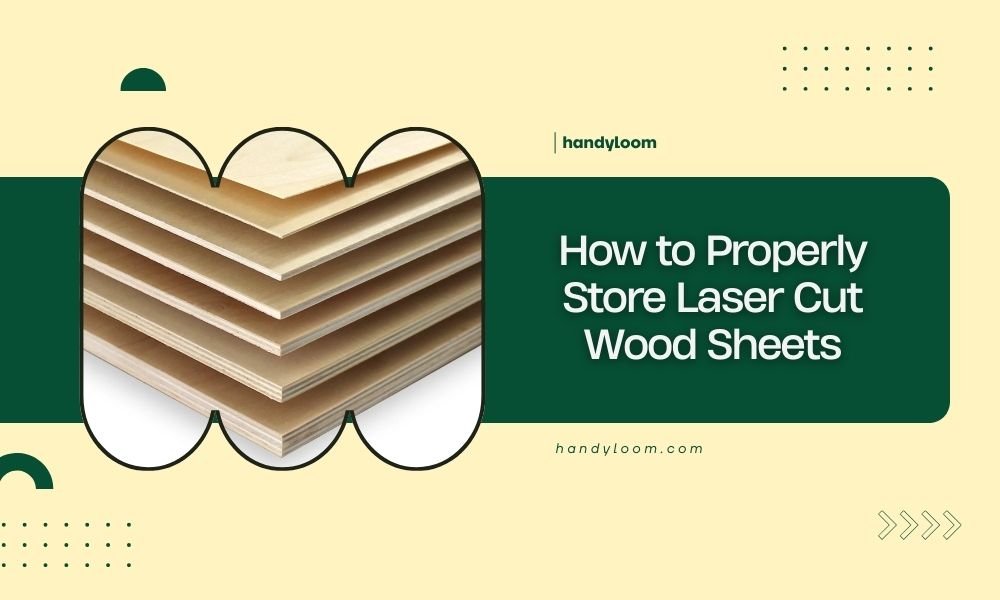
Store laser cut wood sheets in a dry, climate-controlled environment with humidity levels between 30-50% to prevent warping and cracking.
Keep your laser cut wood sheets flat, separated by acid-free paper or cloth, and away from direct sunlight to maintain their quality and precision cuts.
Why Proper Storage Matters for Your Laser Cut Wood
Your beautiful laser cut wood projects can turn into expensive mistakes if you don’t store them right. Wood is like a sponge – it absorbs moisture from the air and expands, then shrinks when it dries out.
I found that many crafters lose hours of work because their stored wood sheets warp or crack. The laser cutting process makes wood even more sensitive to environmental changes.
Think about it this way: you wouldn’t leave a finished cake out in the rain. Your laser cut wood deserves the same care.
The Perfect Storage Environment
Temperature Control
Keep your storage area between 65-75°F (18-24°C). Extreme temperature swings make wood expand and contract rapidly.
Your basement might seem like good storage, but those temperature fluctuations can ruin your work. A spare bedroom or climate-controlled garage works much better.
Humidity Management
This is where most people mess up. Wood needs humidity between 30-50% to stay stable.
Too dry? Your wood will crack and split along the grain. Too humid? Hello, warping and potential mold growth.
Get a simple hygrometer from any hardware store. They cost about $10 and save you hundreds in ruined materials.
Quick Humidity Fixes
- Use a dehumidifier if your area stays above 60% humidity
- Add a humidifier when levels drop below 30%
- Place silica gel packets in storage containers for small pieces
- Avoid storing wood near heating vents or air conditioners
Flat Storage Methods That Actually Work
The Stack-and-Separate System
Never stack your laser cut pieces directly on top of each other. The weight creates pressure points that can leave permanent marks.
I researched professional woodworking shops and found they always use separator materials. Here’s what works best:
- Acid-free tissue paper (photography stores sell this)
- Clean cotton cloth or muslin
- Wax paper (not plastic wrap – it traps moisture)
- Thin cardboard sheets
Building Your Storage Rack
A simple flat storage rack beats any other method. You can build one with basic lumber and store sheets vertically like records.
Make slots about 2 inches wide. This gives you easy access without handling every piece to reach the one you want.
DIY Rack Materials
For a basic rack that holds 20-30 sheets, you’ll need:
- Two pieces of 2×4 lumber, 48 inches long
- One piece of 3/4-inch plywood for the base
- Thin wood strips to create dividers
- Wood screws and basic tools
Container Storage for Smaller Pieces
Choosing the Right Containers
Plastic storage boxes work great for smaller laser cut pieces. But not all plastics are created equal.
Look for containers marked with recycling codes 1, 2, or 5. These don’t release harmful chemicals that can stain your wood over time.
The Layer Method
When storing small pieces in containers, create layers. Bottom layer: your separator material. Next: your wood pieces in a single layer. Repeat.
Never fill containers completely. Leave about 20% empty space for air circulation.
Labeling Your Containers
Write these details on every container:
- Wood type (birch, cherry, oak, etc.)
- Thickness
- Date stored
- Project name or intended use
Common Storage Mistakes That Ruin Your Work
The Plastic Wrap Trap
Many crafters wrap their wood in plastic wrap thinking it protects against moisture. Big mistake.
Plastic wrap traps existing moisture and creates condensation. Your wood basically sits in a humid bubble and warps.
Garage Storage Gone Wrong
Garages seem convenient, but they’re terrible for wood storage. Temperature swings of 40+ degrees are common.
If you must use garage space, invest in insulation and climate control first.
Direct Floor Contact
Never store wood directly on concrete floors. Concrete wicks moisture, and your wood will absorb it like crazy.
Always put something between your storage system and the floor – even cardboard helps.
Special Considerations for Different Wood Types
Hardwoods vs Softwoods
From what I read in woodworking research, hardwoods like oak and maple handle storage stress better than softwoods like pine.
Softwoods need extra care. Store them in smaller stacks and check them more often.
Plywood Storage Tips
Plywood is tricky because it’s made of layers. The different grain directions create internal stress.
Always store plywood completely flat. Even a slight lean can cause permanent bowing over time.
Protecting Against Pests
Natural Pest Deterrents
Cedar blocks work great for keeping bugs away without using harsh chemicals. Tuck them into storage areas.
Replace cedar blocks every 6 months when they lose their scent.
Signs of Pest Problems
- Small holes in your wood (boring insects)
- Fine sawdust on storage surfaces
- Musty odors
- Discoloration or staining
Handling and Moving Stored Wood
The Two-Person Rule
Large sheets need two people to move safely. Trying to handle big pieces alone often leads to dropping and damage.
Support the wood at multiple points. Never grab just one corner or edge.
Clean Hands Only
Oils from your skin can stain wood over time. Wear clean cotton gloves when handling stored pieces.
This is especially important with lighter woods like birch or maple.
Regular Storage Maintenance
Monthly Check-ups
Set a monthly reminder to check your stored wood. Look for:
- Changes in color or texture
- Warping or bowing
- Moisture problems
- Pest activity
Rotating Your Stock
Use older pieces first. Wood doesn’t improve with age in storage – it just has more time to develop problems.
Mark storage dates clearly and work from your oldest inventory first.
Cost-Effective Storage Solutions
Budget-Friendly Options
You don’t need expensive storage systems. Many experts say simple solutions work just as well.
A spare closet with some basic shelving beats an elaborate system you can’t afford to set up properly.
| Storage Method | Cost Range | Best For |
|---|---|---|
| DIY Rack | $30-60 | Large sheets |
| Plastic Containers | $15-40 | Small pieces |
| Spare Room Setup | $50-150 | Serious crafters |
| Professional System | $200+ | Business use |
Conclusion
Proper storage of your laser cut wood sheets isn’t complicated, but it does require attention to detail. Keep your wood flat, dry, and at stable temperatures. Use separator materials between pieces and check your storage area regularly.
The small investment in proper storage saves you money and frustration in the long run. Your future self will thank you when every piece comes out of storage ready to use instead of warped and ruined.
Remember: good storage habits become second nature with practice. Start with the basics and improve your system over time.
What’s the biggest enemy of stored laser cut wood?
Humidity fluctuations are the biggest threat. When humidity levels swing up and down, wood expands and contracts repeatedly, leading to warping, cracking, and splitting along the laser cut edges.
Can I store different wood types together?
Yes, but separate them with barriers. Different wood species can have slightly different moisture content and expansion rates. Use acid-free paper or cloth between different types to prevent them from affecting each other.
How long can I safely store laser cut wood sheets?
With proper storage conditions, laser cut wood can last several years. Check stored pieces every 3-6 months and use older inventory first. Wood doesn’t improve with age, so don’t store pieces indefinitely.
Is vertical storage better than horizontal for large sheets?
Vertical storage works well for sheets thicker than 1/4 inch and prevents stacking weight issues. Thinner pieces should stay horizontal to prevent bending. Support vertical pieces every 12-18 inches to prevent sagging.
What should I do if my stored wood has already warped?
Minor warping can sometimes be corrected by placing the wood flat with weight on top in a controlled environment for several weeks. Severe warping usually means the piece is unusable for precision projects but might work for rustic applications.