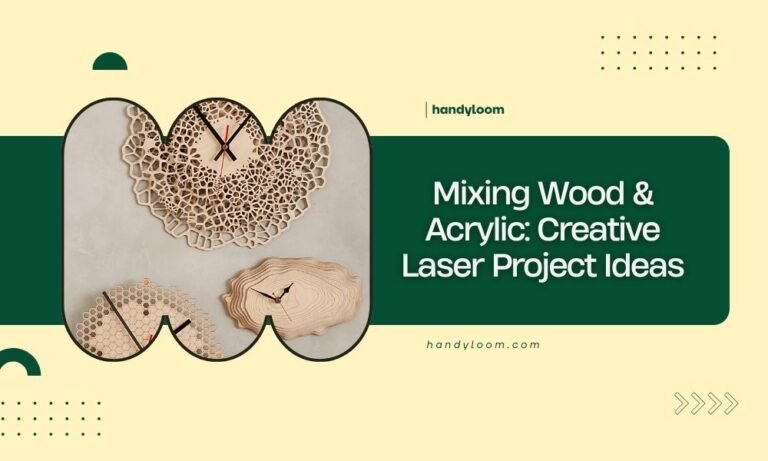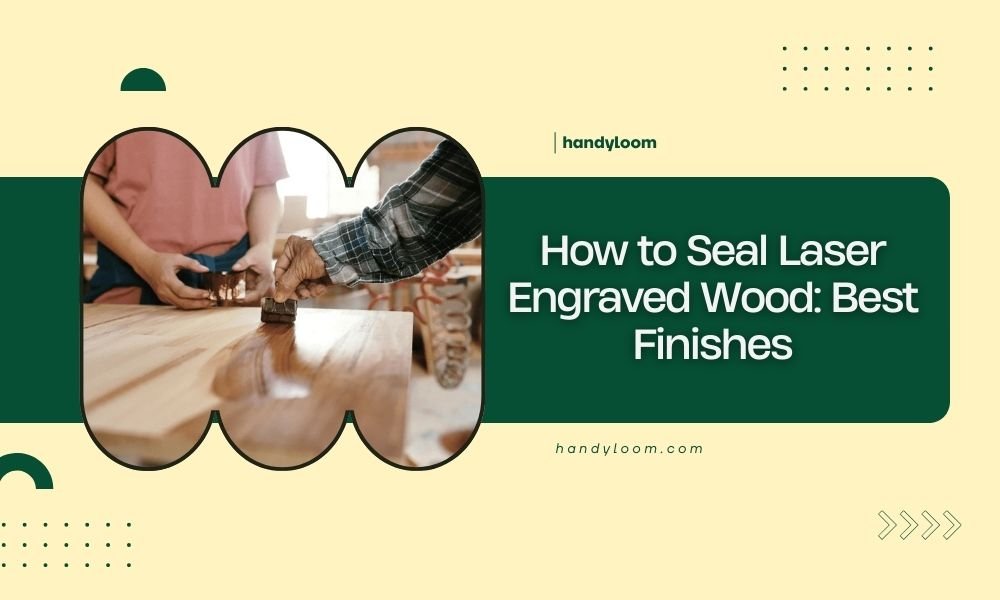
Sealing laser engraved wood requires polyurethane, lacquer, or wax finishes to protect the wood and preserve your detailed engravings.
The best approach is applying thin, even coats while avoiding heavy buildup that can obscure fine engraved details.
Why Sealing Your Laser Engraved Wood Matters
Your beautiful laser engraved project deserves protection. Without proper sealing, wood absorbs moisture, collects dirt, and fades over time.
Think of sealing like sunscreen for your wood. It creates a barrier against daily wear and environmental damage. Plus, the right finish makes those crisp engraved lines pop visually.
I found that unsealed projects often look dull within months. Research shows that properly sealed wood projects can maintain their appearance for decades when done correctly.
Top Finishing Options for Laser Engraved Wood
Polyurethane: The Durable Champion
Polyurethane offers excellent protection for high-touch items. It creates a hard, scratch-resistant surface that handles daily use beautifully.
Water-based polyurethane dries clear and won’t yellow over time. Oil-based versions provide deeper wood tone enhancement but take longer to cure.
When to Choose Polyurethane
- Kitchen cutting boards or serving trays
- Frequently handled decorative items
- Outdoor projects needing weather resistance
- Items requiring food-safe finishes
Lacquer: The Professional’s Choice
Lacquer gives that smooth, glass-like finish you see on high-end furniture. It dries quickly and creates beautiful depth in your wood grain.
Many experts recommend lacquer for display pieces where appearance matters most. From what I read, it’s less durable than polyurethane but easier to repair if damaged.
Lacquer Application Tips
- Apply multiple thin coats rather than one thick coat
- Sand lightly between coats with 320-grit paper
- Work in dust-free environments for best results
Wax Finishes: Natural and Simple
Wax provides a soft, natural feel that many woodworkers love. It’s easy to apply and gives wood a warm, organic appearance.
Paste wax works well for decorative items that won’t see heavy use. It’s also completely reversible if you want to change finishes later.
Step-by-Step Sealing Process
Preparation: Getting Your Wood Ready
Clean your engraved piece thoroughly first. Use compressed air or a soft brush to remove all laser residue and sawdust from engraved areas.
Light sanding with 220-grit paper smooths the surface without affecting your engraving details. Always sand with the grain direction.
Essential Preparation Tools
- Tack cloth for dust removal
- Fine-grit sandpaper (220-320 grit)
- Compressed air or soft brushes
- Clean workspace with good ventilation
Application Techniques That Work
Thin coats are your friend. Think of it like painting your nails – better to do several light layers than one goopy mess.
I found online that most finishing problems come from rushing this step. Take your time and let each coat fully dry before adding the next.
Brush vs. Spray Application
Brushing gives you more control around detailed engravings. Use high-quality brushes that won’t leave bristle marks.
Spray application creates smoother finishes but requires practice. It’s great for items with lots of engraved detail where brushes might miss spots.
Drying and Curing Times
Don’t confuse dry-to-touch with fully cured. Your finish might feel dry in hours but need days to reach full hardness.
Research from finishing experts suggests waiting at least 24 hours between coats, even if the surface feels ready sooner.
| Finish Type | Dry Time | Full Cure |
|---|---|---|
| Water-based polyurethane | 2-4 hours | 7-14 days |
| Oil-based polyurethane | 6-8 hours | 21-30 days |
| Lacquer | 30-60 minutes | 2-7 days |
| Paste wax | 15-30 minutes | 24 hours |
Common Mistakes to Avoid
Overapplication Problems
Too much finish fills in your beautiful engraved details. You’ve spent time creating crisp lines – don’t bury them under thick coats.
I came across many ruined projects where people applied finish like house paint. Less is definitely more with fine engraving work.
Signs You’ve Applied Too Much
- Engraved lines look fuzzy or filled in
- Finish pools in corners or detailed areas
- Surface feels thick or plastic-like
- Brush marks won’t level out
Environmental Factors
Temperature and humidity affect how finishes behave. Cold, damp conditions slow drying and can cause cloudy results.
Many guidelines suggest working between 65-75°F with moderate humidity for best results. Your garage in January probably isn’t ideal.
Special Considerations for Different Wood Types
Hardwoods vs. Softwoods
Dense hardwoods like maple and oak accept finishes evenly. They’re forgiving and usually look great with any quality finish.
Softwoods like pine can be trickier. They often need pre-conditioner to prevent blotchy finish absorption.
Resinous Woods Need Extra Care
Woods like cedar and pine contain natural oils that can interfere with finish adhesion. Clean them with mineral spirits before applying any finish.
From what I read, skipping this step often leads to finish failure months later.
Exotic Wood Considerations
Some exotic woods contain natural compounds that affect finish chemistry. Always test your chosen finish on a scrap piece first.
Research shows that woods like teak and rosewood can be particularly challenging due to their natural oil content.
Maintenance and Long-Term Care
Regular Cleaning Methods
Keep your finished pieces looking fresh with gentle cleaning. Harsh chemicals can damage even tough finishes over time.
Mild soap and water work for most situations. Dry thoroughly and avoid soaking wooden items, even when well-sealed.
When to Reapply Finish
Watch for signs that your finish needs refreshing. Dull spots, water absorption, or visible wear patterns mean it’s time for maintenance.
Most finishes need renewal every few years with normal use. High-traffic pieces might need attention more often.
Food-Safe Finishing for Kitchen Items
FDA-Approved Options
Not all finishes are safe for food contact. Stick to products specifically labeled as food-safe for cutting boards and serving pieces.
Mineral oil and beeswax combinations are traditional choices. Modern food-safe polyurethanes offer better durability for busy kitchens.
Application for Food Items
Food-safe finishes often require different application techniques. Follow manufacturer instructions carefully – food safety isn’t worth shortcuts.
I heard from experts that full curing is critical for food-safe applications. Rush the process and you risk finish contamination.
Troubleshooting Common Issues
Cloudy or Milky Finish
Moisture trapped in your finish creates that cloudy look. It usually happens when applying finish in humid conditions or over damp wood.
Light sanding and reapplication often fixes minor cloudiness. Severe cases might need complete finish removal.
Brush Marks and Streaks
Cheap brushes or thick finish application causes visible brush marks. Quality tools and proper technique prevent most streak problems.
Thinning your finish slightly can help it level better. Check manufacturer recommendations for acceptable thinning ratios.
Finish Won’t Adhere
Contaminated wood surfaces reject finish application. Oil, wax residue, or even hand oils can cause adhesion failures.
Thorough cleaning with appropriate solvents usually solves adhesion problems. Sometimes light sanding is needed to create tooth for the finish.
Conclusion
Sealing your laser engraved wood projects protects your investment and keeps them looking beautiful for years. Choose finishes based on how you’ll use the item – polyurethane for durability, lacquer for appearance, or wax for natural feel.
Remember that preparation matters as much as the finish itself. Take time to clean and prep your wood properly, apply thin even coats, and allow proper drying time between applications. Your patience will pay off with professional-looking results that showcase your engraving work perfectly.
What’s the best finish for laser engraved cutting boards?
Food-safe polyurethane or mineral oil with beeswax work best. Polyurethane offers better water resistance, while oil-wax combinations provide easier maintenance and natural feel for food preparation surfaces.
Can I use spray polyurethane on detailed engravings?
Yes, spray application works well for intricate engravings since it reaches into fine details better than brushes. Use light, even coats and maintain consistent spray distance to avoid drips or heavy buildup.
How long should I wait before using my finished piece?
Wait for full cure time, not just surface drying. Water-based finishes need 7-14 days, oil-based finishes need 21-30 days for maximum durability and chemical resistance.
Will finish make my laser engraving less visible?
Properly applied thin coats enhance engraving contrast rather than hiding it. Avoid thick applications that can fill in fine details. Clear finishes often make laser burn marks appear darker and more defined.
What should I do if my finish turns out cloudy?
Light cloudiness often clears as the finish fully cures. Persistent cloudiness from moisture requires sanding with fine grit paper and reapplying finish in better environmental conditions with lower humidity.