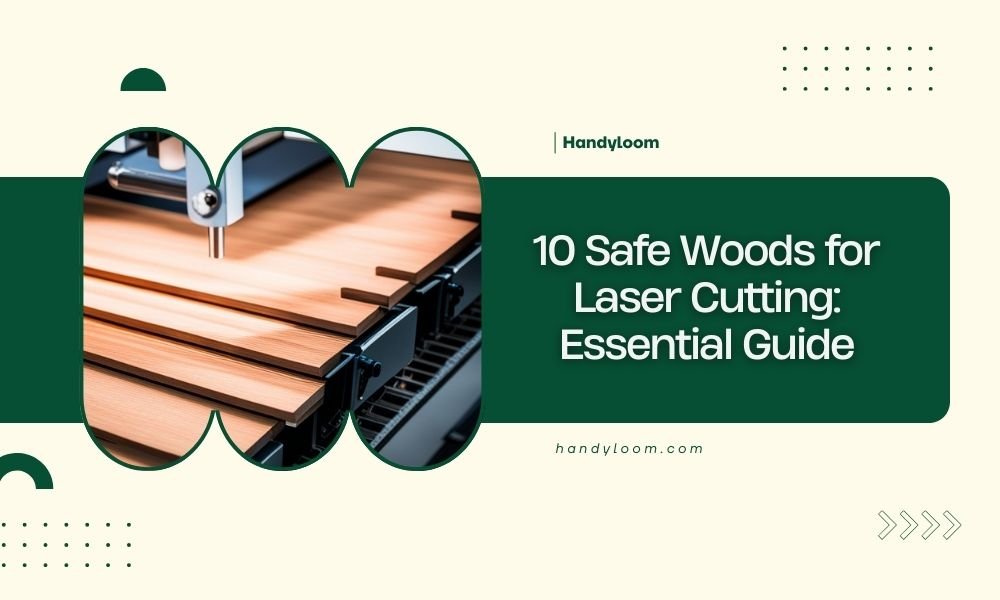
The safest woods for laser cutting include basswood, birch, cherry, maple, walnut, poplar, alder, beech, oak, and cedar – all of which produce minimal toxic fumes and cut cleanly.
These safe woods for laser cutting contain low levels of natural oils and resins, making them ideal for both beginners and experienced makers working in enclosed spaces.
Why Wood Safety Matters in Laser Cutting
When you fire up your laser cutter, you’re not just creating amazing projects. You’re also creating fumes and particles that float around your workspace.
Some woods release nasty chemicals when heated. Others produce so much smoke that your laser struggles to cut through. The wrong wood choice can damage your machine, hurt your health, or ruin your project.
Smart wood selection keeps you safe and gets better results. It’s really that simple.
The 10 Safest Woods for Your Laser Projects
1. Basswood: The Perfect Beginner Choice
Basswood cuts like butter under a laser beam. It produces minimal smoke and almost no toxic fumes.
This light-colored wood has a fine grain that shows off detailed cuts beautifully. You’ll find basswood at most craft stores, and it comes in various thicknesses.
Best Uses for Basswood
- Intricate decorative pieces
- Model making
- Fine detail work
- Jewelry components
2. Birch: Strong and Reliable
Birch plywood ranks as one of the most popular laser cutting materials. It’s stronger than basswood but still cuts cleanly.
The light color takes paint and stain well. You get consistent results because birch has fewer knots and grain variations than other woods.
Why Crafters Love Birch
- Uniform grain pattern
- Good strength-to-weight ratio
- Accepts finishes easily
- Widely available
3. Cherry: Beauty Meets Safety
Cherry wood brings natural elegance to your projects. It cuts safely and develops a gorgeous patina over time.
The fine grain creates smooth edges when laser cut. Cherry costs more than basswood, but the results justify the price for special projects.
4. Maple: The Workhorse Wood
Hard maple handles laser cutting well despite its density. It produces clean cuts with minimal charring.
This wood works great for functional items that need strength. Kitchen utensils, tool handles, and furniture parts all benefit from maple’s durability.
Maple Cutting Tips
- Use slower speeds for thick pieces
- Multiple light passes work better than one deep cut
- Clean lens frequently when cutting maple
5. Walnut: Premium Results
Walnut delivers stunning contrast between light sapwood and dark heartwood. It cuts safely with proper ventilation.
The natural color variations create striking visual effects in your finished pieces. Walnut commands higher prices but produces heirloom-quality results.
More Safe Wood Options
6. Poplar: Budget-Friendly Choice
Poplar offers good laser cutting properties at an affordable price. It’s softer than hardwoods but stronger than basswood.
The wood takes paint exceptionally well. Many crafters use poplar for painted decorative items and signs.
7. Alder: Smooth Operator
Alder cuts with minimal resistance and produces very little smoke. The fine grain shows excellent detail in delicate work.
This wood stains beautifully to mimic more expensive species. You can make alder look like cherry or walnut with the right finish.
8. Beech: European Favorite
Beech wood cuts cleanly and safely under laser power. It has a subtle grain that doesn’t compete with your design elements.
The neutral color works well for projects that will be painted or left natural. Beech holds its shape well after cutting.
9. Oak: Classic Appeal
White oak cuts better than red oak for laser work. The prominent grain adds character to rustic and traditional designs.
Oak requires more power to cut through, but it’s perfectly safe with proper settings. The results have that timeless oak look people love.
Oak Cutting Considerations
- White oak produces less smoke than red oak
- Requires higher power settings
- May need multiple passes for thick stock
10. Cedar: Aromatic and Safe
Cedar cuts easily and fills your workshop with pleasant aroma. It’s naturally resistant to insects and moisture.
This soft wood works perfectly for outdoor projects and decorative items. The natural oils provide some protection without creating dangerous fumes.
Woods to Avoid Completely
Some woods should never go near your laser cutter. These dangerous options can damage your health or equipment.
Tropical Hardwoods
Many tropical woods contain toxic compounds that become airborne when heated. Cocobolo, rosewood, and ebony can cause serious respiratory problems.
Treated Lumber
Pressure-treated wood contains chemicals that turn into poison gas under laser heat. Never cut treated lumber indoors.
Oily Woods
Woods with high oil content create excessive smoke and can catch fire. Teak and ipe fall into this risky category.
Safety Tips for Any Wood Type
Ventilation Is Your Friend
Even safe woods produce smoke and particles. Good ventilation removes these irritants from your breathing space.
An exhaust fan near your laser cutter makes a huge difference. Fresh air circulation keeps your workspace comfortable.
Test Small Pieces First
Every wood species behaves differently under laser power. Cut a small test piece before committing to your full project.
Testing reveals the best speed and power settings for clean cuts. It also shows you how much smoke to expect.
Keep Your Workspace Clean
Wood dust and debris can ignite from laser sparks. Regular cleaning prevents fire hazards.
A shop vacuum removes sawdust quickly. Clean your laser bed between projects for best results.
Choosing the Right Thickness
Common Thickness Options
| Thickness | Best For | Cutting Difficulty |
|---|---|---|
| 1/8 inch | Decorative items, jewelry | Easy |
| 1/4 inch | Signs, coasters | Moderate |
| 1/2 inch | Boxes, structural parts | Hard |
| 3/4 inch | Furniture components | Very Hard |
Power Requirements by Thickness
Thicker wood needs more laser power to cut through completely. Your machine’s specifications determine the maximum thickness you can handle.
Most hobby lasers work best with wood under 1/2 inch thick. Industrial machines can handle much thicker stock.
Getting Professional Results
Optimal Settings for Each Wood
Each wood type has a sweet spot for speed and power settings. Too much power creates excessive charring. Too little leaves incomplete cuts.
Start with manufacturer recommendations, then fine-tune based on your specific wood and project needs.
Surface Preparation Matters
Sand your wood lightly before laser cutting. Smooth surfaces produce cleaner cuts and less charring.
Remove any dust with a tack cloth. Debris on the wood surface can interfere with cutting quality.
Storage and Wood Selection
Moisture Content Considerations
Wet wood cuts poorly and produces excessive steam. Store your wood in a dry location before use.
Kiln-dried lumber works best for laser cutting. The low moisture content ensures consistent results.
Grain Direction Effects
Wood grain affects how cleanly your laser cuts through the material. Cutting with the grain usually produces smoother results than cutting across it.
Plan your designs to take advantage of natural grain patterns when possible.
Conclusion
Choosing safe woods for laser cutting protects your health and improves your results. The ten woods listed here offer excellent safety profiles and reliable cutting performance.
Start with basswood or birch for your first projects. These forgiving materials help you learn proper techniques without safety concerns.
Remember that even safe woods require proper ventilation and workspace safety practices. With the right wood selection and basic precautions, laser cutting becomes an enjoyable and productive hobby.
What makes a wood safe for laser cutting?
Safe woods contain minimal toxic compounds, low oil content, and cut without producing dangerous fumes. They also create manageable amounts of smoke that won’t overwhelm your ventilation system.
Can I cut any plywood with my laser?
Only cut plywood made with safe wood species and non-toxic adhesives. Avoid plywood with formaldehyde-based glues or made from tropical hardwoods. Birch plywood is your safest bet.
How thick can I cut with a 40-watt laser?
Most 40-watt lasers handle wood up to 1/4 inch thick in a single pass. You can cut thicker wood with multiple passes, but quality decreases beyond 1/2 inch thickness.
Do I need special ventilation for safe woods?
Yes, even safe woods produce smoke and particles that need removal from your workspace. An exhaust fan or fume extractor keeps air quality healthy during cutting sessions.
Why does my wood char around the cut edges?
Charring happens when laser power is too high or cutting speed is too slow. Reduce power slightly or increase speed to minimize edge burning while maintaining complete cuts.