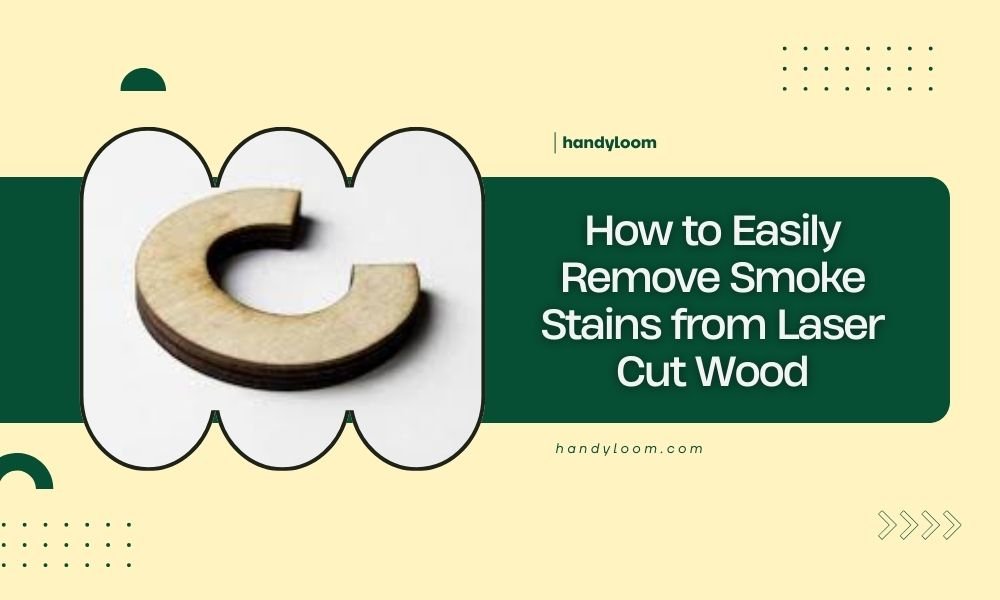
You can remove smoke stains from laser cut wood using gentle cleaning solutions like dish soap mixed with warm water, followed by light sanding if needed.
The best approach combines immediate cleaning with proper ventilation during cutting to prevent heavy staining that requires more aggressive removal methods.
What Causes Smoke Stains on Laser Cut Wood
When your laser cuts through wood, it creates heat. This heat burns the wood fibers and releases smoke. That smoke contains tiny particles that stick to your wood surface.
Think of it like cooking bacon. The grease splatters and sticks to nearby surfaces. Laser smoke works the same way. It leaves behind dark, oily residue that can make your beautiful cuts look messy.
Why Some Woods Stain More Than Others
Soft woods like pine and cedar create more smoke stains than hardwoods. They have more resin and sap that burns easily.
Dense woods like oak and maple produce less smoke. They burn cleaner and leave lighter stains.
Quick Assessment Before You Start Cleaning
Before you grab any cleaning supplies, look at your wood piece carefully. How dark are the stains? Are they just on the surface or do they look deep?
Light brown or yellow stains usually come off easily. Dark black marks that look burned into the wood need stronger methods.
Test Your Wood Type First
Always test your cleaning method on a hidden spot first. Wood types react differently to cleaning solutions.
What works great on birch plywood might damage cherry wood. Take two minutes to test and save yourself hours of regret.
Method 1: Soap and Water Cleaning
Start with the gentlest method first. Mix one tablespoon of liquid dish soap with two cups of warm water.
Dip a clean cloth in the solution. Wring out excess water so the cloth is damp, not dripping wet.
Step-by-Step Cleaning Process
Gently wipe the stained areas with your damp cloth. Work in small circular motions. Don’t scrub hard yet.
Rinse your cloth in clean water and wipe away the soap residue. Let the wood air dry completely before checking your progress.
What to Expect from Soap Cleaning
Light smoke stains often disappear completely with soap and water. You might see immediate improvement as you wipe.
If stains remain after drying, don’t repeat this method. Move to the next cleaning level instead.
Method 2: Denatured Alcohol Treatment
When soap doesn’t work, denatured alcohol can dissolve tougher smoke residue. You can find it at hardware stores and home improvement centers.
Pour a small amount on a clean cloth. Work in a well-ventilated area because alcohol fumes are strong.
Safe Application Techniques
Dab the alcohol-soaked cloth on stained areas. Don’t rub aggressively at first. Let the alcohol sit for 30 seconds.
Gently wipe in the direction of the wood grain. This prevents scratches and maintains the wood’s natural texture.
Alcohol Cleaning Results
Most medium-level smoke stains dissolve with alcohol treatment. You should see the dark marks lighten significantly.
If stains persist after alcohol cleaning, you’re dealing with deeper damage that needs mechanical removal.
Method 3: Light Sanding for Stubborn Stains
Sometimes smoke stains penetrate the wood surface. When cleaning solutions fail, controlled sanding removes the stained layer.
Use fine-grit sandpaper between 220-400 grit. Coarser grits will leave scratches on your finished piece.
Proper Sanding Technique
Sand gently with the wood grain direction. Apply light pressure and make long, smooth strokes.
Check your progress frequently. You only need to remove the thin stained layer, not deep wood material.
When to Stop Sanding
Stop as soon as the stains disappear. Over-sanding creates uneven surfaces and can ruin your project dimensions.
Clean away all sanding dust with a tack cloth before applying any finish.
Advanced Method: Magic Eraser Treatment
Melamine foam erasers can remove smoke stains without chemicals. They work like ultra-fine sandpaper.
Dampen the magic eraser slightly with water. Squeeze out excess moisture so it’s barely damp.
Magic Eraser Application
Gently rub stained areas with light pressure. The foam will gradually wear away stained wood fibers.
Work slowly and check your progress often. Magic erasers remove material, so you can’t undo their effects.
Prevention Tips for Future Projects
Preventing smoke stains is easier than removing them. Good ventilation during cutting reduces smoke buildup around your work.
Position your exhaust fan to pull smoke away from the cutting area immediately after it forms.
Masking Tape Protection
Apply masking tape to areas you want to protect before cutting. Remove the tape immediately after cutting while it’s still easy to peel.
Don’t leave tape on for days. Adhesive residue can be harder to remove than smoke stains.
Air Assist Settings
Use proper air assist pressure for your material thickness. Too little air lets smoke linger. Too much air can blow debris back onto your wood.
Most woods work well with moderate air pressure that creates steady airflow without turbulence.
Common Mistakes to Avoid
Don’t use bleach or harsh chemicals on wood. They can discolor or damage the wood grain permanently.
Avoid steel wool or abrasive pads. They leave scratches that are harder to fix than the original stains.
Timing Mistakes
Don’t wait weeks to clean smoke stains. Fresh stains remove much easier than old, set-in marks.
Clean your pieces within 24 hours of cutting for best results.
When Professional Help Makes Sense
If your piece has significant value or sentimental importance, consider professional restoration. Wood restoration experts have specialized tools and experience.
Complex pieces with intricate details might need professional attention to avoid damage during cleaning.
| Stain Level | Best Method | Success Rate | Time Required |
|---|---|---|---|
| Light yellow/brown | Soap and water | 90% | 5-10 minutes |
| Medium brown | Denatured alcohol | 80% | 15-20 minutes |
| Dark/black stains | Light sanding | 95% | 30-45 minutes |
Finishing After Stain Removal
After removing smoke stains, your wood might look slightly different from untreated areas. Light sanding of the entire surface can even out the appearance.
Apply your chosen finish according to the manufacturer’s directions. The cleaned areas should accept stain and finish normally.
Conclusion
Removing smoke stains from laser cut wood doesn’t have to ruin your project. Start with gentle soap cleaning and work up to stronger methods only when needed. Most stains come out with patience and the right technique. Remember that prevention through good ventilation and immediate cleaning gives you the best results. With these methods, you can keep your laser cut projects looking clean and professional.
Can I use vinegar to remove smoke stains from wood?
White vinegar mixed with water can work on light stains, but it may raise wood grain and require sanding afterward. Test on a hidden area first, as vinegar can darken some wood types.
How long should I wait after laser cutting before cleaning smoke stains?
Clean smoke stains as soon as possible, ideally within a few hours of cutting. Fresh stains are much easier to remove than ones that have had time to set into the wood fibers.
Will removing smoke stains affect my wood finish or stain absorption?
Gentle cleaning methods won’t affect finish absorption. If you sand to remove stains, lightly sand the entire piece to ensure even stain and finish absorption across all surfaces.
What’s the difference between smoke stains and char marks on laser cut wood?
Smoke stains are surface residue that appears brown or yellow. Char marks are actual burned wood that appears black and feels rough. Char marks usually require sanding, while smoke stains often clean off with solutions.
Can I prevent smoke stains completely during laser cutting?
You can minimize but not completely eliminate smoke stains. Use proper ventilation, appropriate cutting speeds, and masking tape on sensitive areas. Some staining is normal with laser cutting wood.