Post-processing transforms rough laser cut wood into professional-looking finished projects through sanding, assembly, and protective treatments.
Most laser cut wood projects need light sanding, careful assembly with proper adhesives, and finishing with stains or sealers to achieve the best results.
Understanding Laser Cut Wood Surfaces
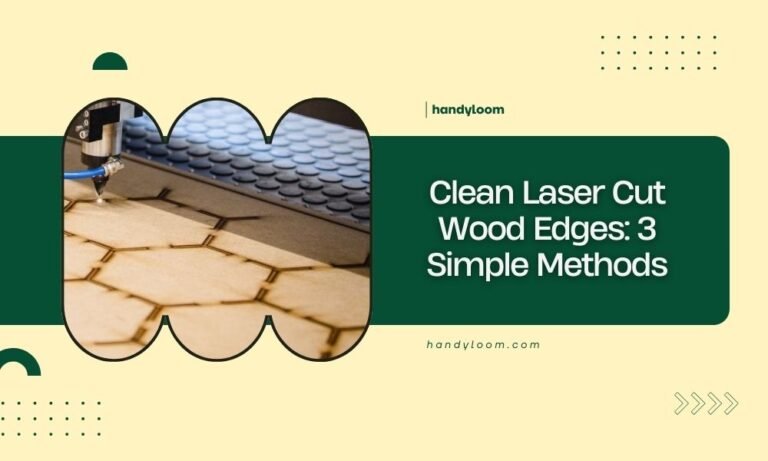
Your laser cut wood pieces come off the machine with burnt edges and slight roughness. This happens because the laser beam creates intense heat that chars the wood fibers.
The good news? This charring actually seals the edges and can look great on many projects. But sometimes you’ll want a cleaner finish.
What Causes Burnt Edges
Laser cutting burns wood at temperatures over 500°F. This creates that dark, sometimes sooty appearance around cut lines.
Different wood types react differently. Hardwoods like maple tend to burn less than softwoods like pine.
When to Keep the Burnt Look
Burnt edges work perfectly for rustic projects, signs, and decorative items. They add character and save you finishing time.
I found that many woodworkers actually prefer this natural laser-cut appearance for certain styles.
Essential Post-Processing Tools
You don’t need fancy equipment to finish your laser cut wood projects well. Basic tools will handle most jobs.
| Tool | Purpose | When Needed |
|---|---|---|
| Fine sandpaper (220-400 grit) | Smoothing surfaces and edges | Most projects |
| Wood glue | Assembly and joining pieces | Multi-part projects |
| Tack cloth | Removing dust before finishing | Before staining or sealing |
| Small brushes | Applying finishes to detailed areas | Complex designs |
Sanding Supplies You’ll Need
Start with 220-grit sandpaper for general smoothing. Move to 320-grit for fine work.
Sanding blocks help keep edges straight. Small sanding sponges work better for curves and detailed areas.
Cleaning Materials
A tack cloth removes all dust particles before finishing. Compressed air works too, but can blow debris around your workspace.
Damp paper towels help remove soot from burnt edges if you want a cleaner look.
Step-by-Step Sanding Process
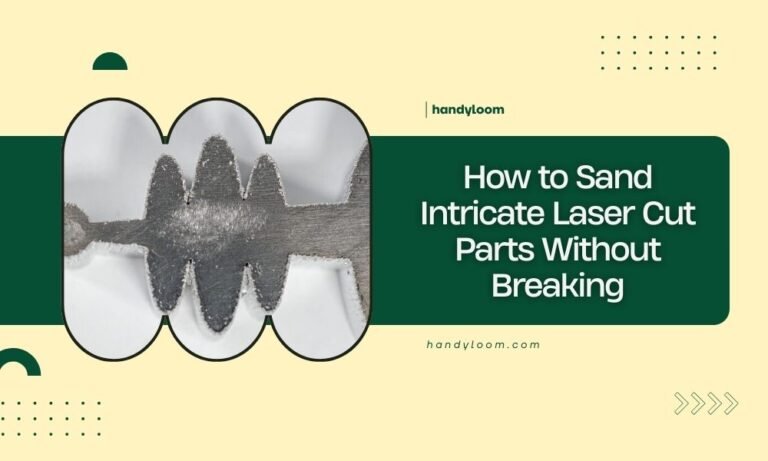
Sanding laser cut wood requires a light touch. You’re not removing major imperfections, just smoothing surfaces.
Surface Sanding Technique
Sand with the wood grain, not against it. Use gentle pressure and let the sandpaper do the work.
Start with 220-grit paper. Two or three light passes usually do the job.
Flat Surface Method
Wrap sandpaper around a flat block. This keeps your sanding even and prevents rounded edges.
Work in long, smooth strokes. Check your progress often.
Detailed Area Approach
Fold sandpaper into small squares for tight spaces. Sanding sponges work great for curved cuts.
Take your time around intricate details. It’s easy to sand too much and lose sharp edges.
Edge Finishing Options
You have two main choices for laser cut edges: keep them burnt or sand them clean.
For clean edges, sand lightly with 320-grit paper. Work along the edge, not across it.
Removing Burn Marks
Light sanding removes most burn marks. Start gently and add pressure only if needed.
Some woods need a damp cloth first to soften stubborn soot. Let the wood dry completely before sanding.
Assembly Best Practices
Laser cut pieces fit together precisely when cut properly. But good assembly techniques make the difference between okay and amazing.
Dry Fitting First
Always test-fit pieces before applying glue. This prevents panic when glue starts setting up.
Mark any tight spots that need light sanding. It’s much easier to fix fit issues now.
Checking Joint Alignment
Laser cut joints should slide together smoothly with light pressure. Too loose means gaps. Too tight risks breaking pieces.
Research shows that properly designed laser cut joints need minimal force to assemble (Woodworking Industry Standards).
Glue Application Methods
Less glue often works better than more. Excess glue creates mess and weakens joints.
Apply glue to one surface only. Spread it evenly with a small brush or your finger.
Working Time Management
Most wood glues give you 5-10 minutes of working time. Plan your assembly sequence before opening the glue bottle.
Complex projects might need multiple glue sessions. That’s perfectly fine and often works better.
Finishing and Protection
Your finishing choice depends on how and where you’ll use your project. Indoor decorative pieces need different protection than outdoor signs.
Stain Application
Wood stain changes color while letting grain show through. It soaks into the wood rather than sitting on top.
Test stain on a scrap piece first. Laser cut edges often absorb stain differently than flat surfaces.
Even Stain Coverage
Work quickly to avoid lap marks. Apply stain with the grain and wipe off excess immediately.
Two light coats usually look better than one heavy coat.
Clear Finish Options
Clear finishes protect wood while showing its natural beauty. You have several good choices.
Polyurethane gives the best protection but can look plasticky. Oil finishes soak in for a more natural look.
Application Tips
Thin coats dry faster and look smoother. Three thin coats beat one thick coat every time.
Sand lightly between coats with 400-grit paper. This helps the next coat stick better.
Troubleshooting Common Issues
Even careful work sometimes leads to problems. Here’s how to fix the most common ones.
Loose Joint Fixes
Loose joints happen when laser settings aren’t perfect or wood moves slightly.
Thin strips of wood or paper can shim loose joints. Apply glue to both the shim and the joint.
Gap Filling Methods
Small gaps disappear with wood filler or colored caulk. Choose colors that match your finish.
Apply filler slightly proud of the surface. Sand it flush after it dries.
Finish Problems
Blotchy stain usually means the wood wasn’t clean or the stain dried too fast.
Sand the area back to bare wood and try again. Pre-stain conditioner helps on problem woods.
Conclusion
Post-processing your laser cut wood projects doesn’t have to be complicated or time-consuming. Focus on the basics: light sanding, careful assembly, and appropriate finishing. Most projects only need simple techniques to look professional.
Remember that practice makes perfect. Each project teaches you something new about working with laser cut wood. Start with simple pieces and work up to complex assemblies as your skills grow.
What’s the best sandpaper grit for laser cut wood edges?
Start with 220-grit for initial smoothing, then move to 320-grit for fine finishing. Coarser grits can damage the precise edges that make laser cutting special.
How long should I wait between applying finish coats?
Most finishes need 2-4 hours between coats, but check your product label. Temperature and humidity affect drying time significantly.
Can I use regular wood glue on laser cut joints?
Yes, standard wood glue works perfectly for laser cut joints. The precise cuts actually make glue joints stronger than traditional woodworking joints.
Should I remove all burn marks from laser cutting?
Not necessarily. Burn marks add character to many projects and actually seal the wood edges. Only remove them if your design calls for clean, natural-looking edges.
What’s the easiest finish for beginners to apply?
Wipe-on polyurethane or tung oil finishes are very forgiving for beginners. They self-level well and are hard to mess up compared to brush-on finishes.