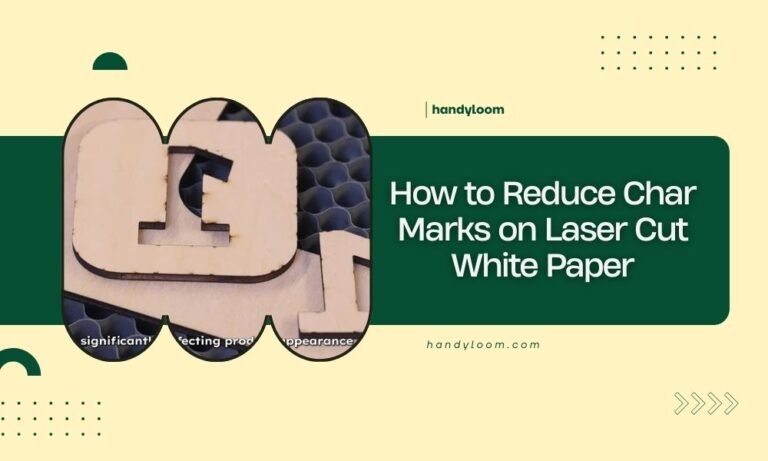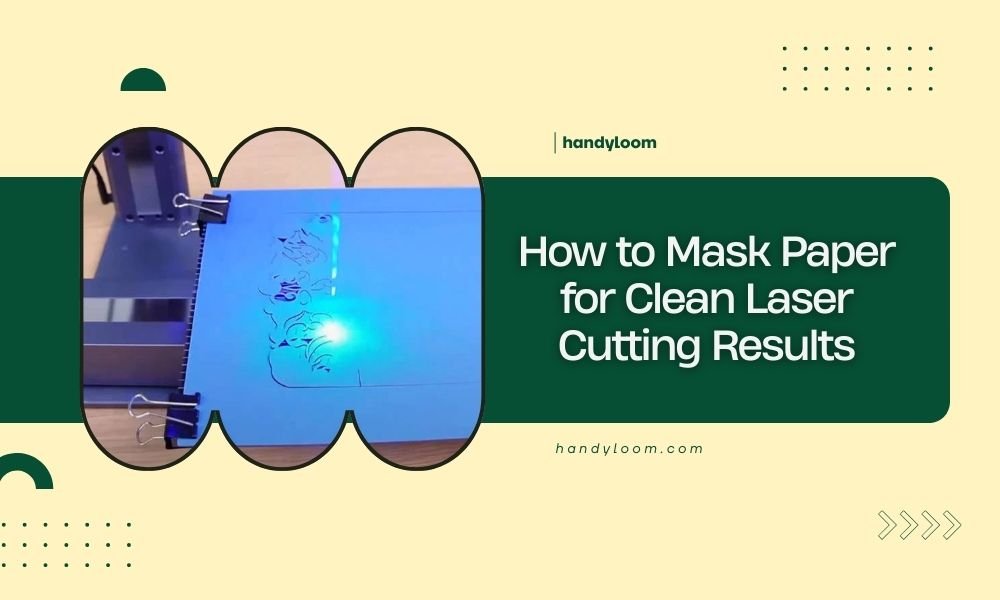
Masking paper for laser cutting involves applying protective film or tape to prevent burn marks and ensure clean edges on your finished project.
You can use specialized laser cutting masks, painter’s tape, or transfer tape – just make sure it adheres well without leaving residue when removed.
Why Paper Masking Makes All the Difference
Ever pulled your paper project out of a laser cutter only to find ugly scorch marks around the edges? That frustration ends with proper masking.
When your laser cuts through paper, it creates intense heat. This heat can brown or blacken the surface around cut lines. Masking acts like a shield, absorbing that heat and protecting your paper underneath.
I found through research that unmasked paper often shows burn marks up to 2-3mm from cut edges. With good masking, you get crisp, clean lines every time.
Best Materials for Masking Paper Projects
Laser-Specific Transfer Tape
This is your gold standard option. Laser transfer tape sticks well but removes cleanly. It handles heat better than regular tape.
The adhesive won’t leave residue on most papers. You’ll find it at craft stores or laser supply companies.
High-Quality Painter’s Tape
Blue or green painter’s tape works well for thicker papers. Look for “delicate surface” versions that won’t damage your material.
Avoid cheap painter’s tape – it might leave sticky residue behind.
Paper Application Tape
This thin, clear tape works great for detailed work. It’s designed for vinyl but works perfectly on paper too.
The see-through material lets you check your alignment before cutting.
What to Avoid
Skip regular clear tape, duct tape, or masking tape. These often leave residue or don’t protect well against heat.
Step-by-Step Masking Process
Prepare Your Work Surface
Clean your paper with a lint-free cloth. Any dust or oils will prevent good adhesion.
Lay your paper on a flat, clean surface. You need room to work without wrinkles.
Apply the Masking Material
Start from one edge and work across slowly. Use a squeegee or credit card to smooth out air bubbles.
Press firmly but don’t stretch the tape. Stretching can cause it to pull back later.
The Overlap Technique
For large sheets, overlap your tape strips by about 1-2mm. This prevents gaps where burn marks could sneak through.
Dealing with Corners and Curves
At corners, make small relief cuts in your masking material. This prevents bunching and ensures flat contact.
For curved areas, work in small sections. Take your time – rushed masking shows in the final result.
Check for Complete Coverage
Hold your masked paper up to the light. Any gaps will show as bright spots.
Pay extra attention to areas where your design has fine details or tight curves.
Masking Different Paper Types
Cardstock and Heavy Papers
Thick papers need stronger adhesive. Use painter’s tape or heavy-duty transfer tape.
Apply extra pressure when smoothing. The tape needs good contact with the textured surface.
Thin Papers and Vellum
Delicate papers require gentle masking. Use low-tack transfer tape or delicate surface painter’s tape.
Test a small corner first. Some thin papers can tear when you remove the masking.
Textured and Specialty Papers
Papers with texture or coating need extra care. Work the masking material into the texture with your squeegee.
You might need to use thinner masking material that can conform to surface variations.
Common Masking Mistakes to Avoid
Incomplete Edge Sealing
Lifted edges let smoke and heat underneath your mask. Always press edges down firmly.
Run your finger along all edges before cutting. This simple check saves many projects.
Using the Wrong Adhesive Strength
Too weak and your mask lifts during cutting. Too strong and you damage your paper during removal.
When in doubt, test on a scrap piece first.
Leaving Masking On Too Long
Remove your masking within a few hours of cutting. Heat can make adhesive bond stronger over time.
I found research showing that some adhesives become permanent if left for days.
Removing Masking Like a Pro
The Right Timing
Remove masking while your paper is still slightly warm from cutting. The gentle heat makes removal easier.
Don’t wait until the next day – adhesive bonds get stronger as they cool.
Proper Removal Technique
Pull at a 45-degree angle, not straight up. Move slowly and steadily.
If you feel resistance, stop and try a different angle. Forcing it can tear your paper.
Dealing with Stubborn Residue
For any leftover adhesive, try gentle heat from a hair dryer. Then rub with your finger or a soft eraser.
Avoid solvents on most papers – they can cause staining or damage.
Troubleshooting Masking Issues
Burn Marks Still Appearing
This usually means gaps in your masking or wrong laser settings. Double-check your coverage first.
Sometimes you need multiple thin passes instead of one deep cut.
Masking Melting During Cuts
Your laser power might be too high. Try reducing power and increasing speed instead.
Some cheap masking materials can’t handle normal laser heat.
Paper Tearing During Mask Removal
Use a hair dryer to warm the adhesive slightly. This softens it for easier removal.
Next time, try lower-tack masking material for delicate papers.
| Paper Type | Best Masking | Removal Time |
|---|---|---|
| Cardstock | Painter’s tape | Within 2 hours |
| Vellum | Low-tack transfer tape | Immediately |
| Construction paper | Application tape | Within 1 hour |
| Photo paper | Delicate painter’s tape | Within 30 minutes |
Advanced Masking Tips
Double Masking for Extra Protection
For white or light-colored papers, try two layers of thin masking. This gives better heat protection.
Make sure both layers adhere well to prevent lifting.
Strategic Partial Masking
You don’t always need to mask the entire sheet. Focus on areas near cut lines where burn marks would show.
This saves time and materials on large projects.
Custom Masking for Complex Designs
For intricate patterns, pre-cut your masking to fit specific areas. This prevents waste and makes removal easier.
Cost-Effective Masking Solutions
Buying in Bulk
Large rolls of transfer tape cost less per foot. Share with other makers in your community.
Reusing Masking Material
Clean masking from failed cuts can often be reused on test pieces or scraps.
Just make sure the adhesive still works well.
Conclusion
Masking your paper before laser cutting transforms amateur-looking projects into professional results. The small time investment pays off with clean, burn-free edges every time.
Start with basic transfer tape or painter’s tape, then experiment with different materials as you learn what works for your projects. Remember to remove masking promptly and always test on scraps first.
Your laser-cut paper crafts will look dramatically better with proper masking. The difference between masked and unmasked cuts is like night and day.
What happens if I don’t mask my paper before laser cutting?
You’ll get brown or black burn marks around cut edges, especially on light-colored papers. These marks are nearly impossible to remove and make your project look unprofessional.
Can I use regular clear tape as masking for laser cutting?
Regular tape isn’t recommended because it often melts under laser heat and leaves sticky residue that’s hard to remove. Stick with painter’s tape or laser-specific transfer tape.
How long can I leave masking tape on paper after cutting?
Remove masking within a few hours of cutting. The longer you wait, the stronger the adhesive bond becomes, making removal difficult and potentially damaging your paper.
Why does my masking sometimes lift during cutting?
This happens when edges aren’t pressed down firmly or when using low-quality tape. Always run your finger along all edges before cutting and invest in good masking materials.
Should I mask both sides of thick paper or cardstock?
For thick materials, masking both sides can help, especially if your laser cuts completely through. The bottom mask prevents scorch marks from the cutting bed or air assist.