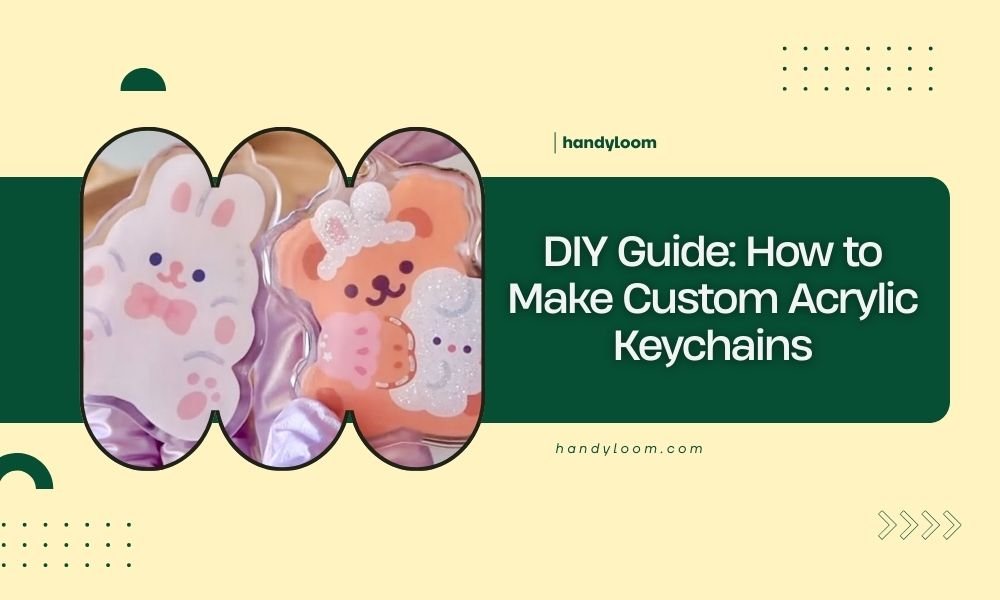
Making custom acrylic keychains requires cutting acrylic sheets with laser cutting tools or manual methods, then adding design elements and keychain hardware for a personalized finished product.
You can create professional-looking custom acrylic keychains at home using basic materials like acrylic sheets, cutting tools, and keychain rings with the right techniques and safety precautions.
What You Need to Get Started
Before you begin your keychain project, gather these essential materials. Having everything ready saves time and keeps your workflow smooth.
Essential Materials List
You’ll need acrylic sheets as your main material. Clear or colored acrylic works well, typically 2-3mm thick. Thinner sheets break easily, while thicker ones are harder to cut.
- Acrylic sheets (2-3mm thickness)
- Keychain rings or clips
- Cutting tools (laser cutter, scroll saw, or craft knife)
- Sandpaper (220 and 400 grit)
- Drill with small bits
- Protective film or masking tape
Design Tools and Software
Digital design makes your keychains look professional. Free software like Inkscape works great for beginners. Adobe Illustrator offers more features if you have access.
Your design should be simple and bold. Tiny details get lost or break off easily. Think about how the keychain will look at actual size, not on your computer screen.
Planning Your Keychain Design
Size Considerations
Most keychains work best between 1-3 inches in their longest dimension. Smaller ones feel cheap, while larger ones become bulky and annoying to carry.
I found that 2-inch keychains hit the sweet spot. They’re big enough to show detail but small enough to stay practical.
Shape and Thickness Guidelines
Simple geometric shapes cut easier than complex curves. Your first project should avoid sharp internal corners or very thin sections that snap under pressure.
Round holes need at least 3mm diameter to drill cleanly. Rectangular cutouts should have rounded corners to prevent stress cracks.
Color and Transparency Effects
Clear acrylic lets you add colored paper or vinyl behind it. Colored acrylic looks solid and vibrant but limits your design options.
Frosted acrylic hides fingerprints better than clear. It also diffuses light nicely if you plan to add LED elements later.
Cutting Methods Explained
Laser Cutting (Most Precise)
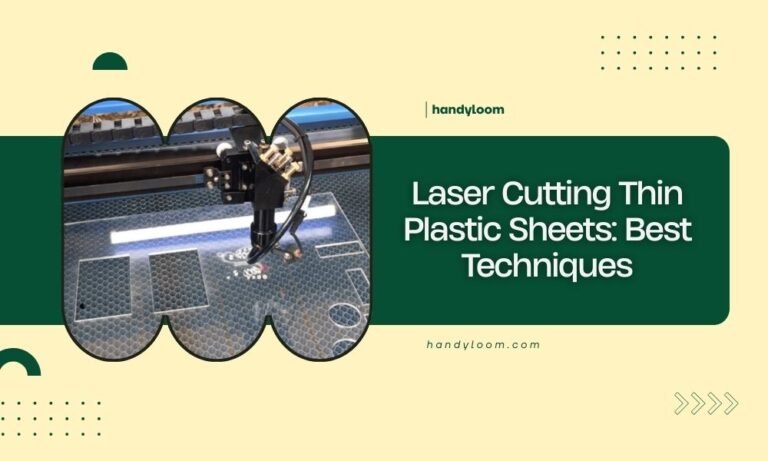
Laser cutting gives the cleanest edges and most accurate shapes. Many makerspaces and libraries have laser cutters you can rent by the hour.
Upload your design as a vector file. Set cutting speed around 10-15mm/second for 3mm acrylic. Power settings vary by machine, but start around 70-80%.
Laser Cutting Safety Tips
Never leave the laser unattended. Acrylic can flare up quickly. Keep the exhaust fan running and have a spray bottle ready.
Remove protective film after cutting to prevent melted plastic on your edges.
Manual Cutting Methods
A scroll saw works well for curved cuts. Use fine-tooth blades designed for plastic. Cut slowly to prevent melting from friction heat.
For straight cuts, score deeply with a craft knife, then snap along a straight edge. This method works best on thinner acrylic.
Hand Cutting Best Practices
Clamp your acrylic securely before cutting. Movement creates rough edges and potential injury.
Keep cutting tools sharp. Dull blades tear rather than cut, leaving ugly edges that need lots of sanding.
Step-by-Step Assembly Process
Preparing Your Cut Pieces
Start by removing any protective film carefully. Peel slowly to avoid static that attracts dust.
Sand all edges with 220-grit sandpaper first, then 400-grit for smoothness. Always sand in one direction, not back and forth.
Drilling Attachment Points
Mark your hole location at least 5mm from any edge. Closer holes risk cracking when the keychain gets pulled.
Use a sharp drill bit and go slowly. High speed melts the plastic and clogs the hole. Back the acrylic with scrap wood to prevent chipping.
Avoiding Common Drilling Mistakes
Don’t push hard on the drill. Let the bit do the work. Excessive pressure causes stress cracks that spread over time.
Drill from both sides if your acrylic is thick. This prevents the exit hole from chipping out roughly.
Adding Hardware and Attachments
Split rings work better than solid rings for keychains. They open easily but stay secure once closed.
Jump rings look cleaner but can open accidentally in pockets. Choose based on your priorities.
Design Enhancement Techniques
Engraving and Etching Options
Surface engraving adds texture without cutting through. Laser engravers create precise text and detailed patterns.
Hand engraving works too. Use rotary tools with diamond bits. Practice on scraps first to get consistent depth.
Adding Color and Graphics
Vinyl stickers stick well to clean acrylic. Cut them slightly smaller than your keychain to prevent peeling edges.
Acrylic paint markers let you add freehand details. Seal with clear coat to prevent scratching off.
Layered Design Effects
Stack different colored acrylic pieces for depth. Use clear acrylic cement or double-sided tape between layers.
Offset your layers slightly to create shadow effects. This makes simple designs look more professional.
Finishing and Quality Control
Edge Polishing Techniques
Flame polishing gives glass-like edges but requires practice. Hold a torch at 45 degrees and move quickly.
Chemical polishing with solvent vapor is safer but needs good ventilation. Many people skip this step for keychains.
Final Assembly Steps
Clean everything with alcohol before final assembly. Fingerprints and dust become permanent once you add adhesive elements.
Test your keychain ring attachment by pulling firmly. It should hold at least 10 pounds of force.
Quality Inspection Checklist
Check for stress cracks around holes and corners. Small cracks grow quickly with use.
Make sure all edges are smooth. Rough spots catch on fabric and skin.
| Issue | Cause | Fix |
|---|---|---|
| Rough edges | Dull cutting blade | Sand with fine grit |
| Stress cracks | Holes too close to edge | Drill new hole further in |
| Cloudy surface | Overheated during cutting | Light sanding and polish |
Troubleshooting Common Problems
Cutting Issues and Solutions
Melted edges happen when you cut too fast or use dull blades. Slow down and keep tools sharp.
Chipped corners usually mean your acrylic moved during cutting. Clamp everything securely next time.
Assembly Problems
If your keychain ring won’t close properly, the hole might be too small. Enlarge carefully with a round file.
Loose attachments often result from holes that are too big. Use larger hardware or add a small washer.
Conclusion
Making custom acrylic keychains combines creativity with practical skills. Start with simple designs and basic tools, then expand your capabilities as you gain experience. The key is taking your time with each step and prioritizing safety, especially when cutting and drilling.
Remember that your first few keychains might not look perfect, and that’s completely normal. Each project teaches you something new about working with acrylic. Soon you’ll be creating keychains that rival commercial products while expressing your unique style.
Can I make acrylic keychains without a laser cutter?
Yes, you can use a scroll saw, craft knife, or even a heated blade for cutting acrylic. Hand tools require more patience but can produce excellent results with practice.
What thickness of acrylic works best for keychains?
2-3mm thickness provides the best balance of durability and workability. Thinner sheets break easily while thicker ones are harder to cut and drill cleanly.
How do I prevent stress cracks around the keychain hole?
Drill holes at least 5mm from any edge, use sharp bits, drill slowly without excessive pressure, and consider backing your work with scrap wood to prevent exit chipping.
What’s the best way to clean acrylic keychains after making them?
Use isopropyl alcohol on a lint-free cloth to remove fingerprints and residue. Avoid ammonia-based cleaners as they can cause stress cracking in acrylic.
How long do homemade acrylic keychains typically last?
Well-made acrylic keychains can last several years with normal use. The attachment point and edges are most likely to show wear first, so pay extra attention to these areas during construction.