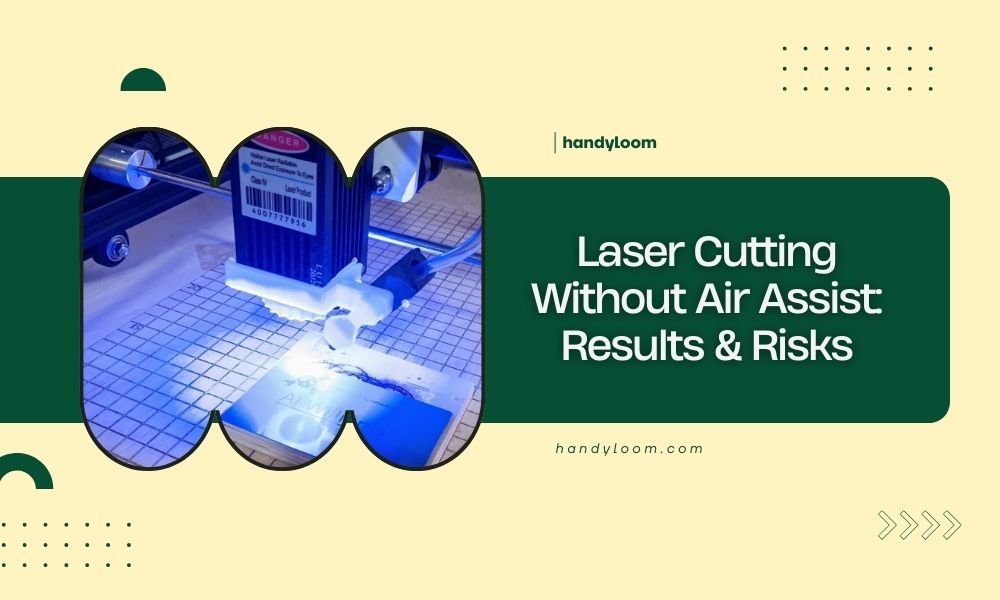
Laser cutting without air assist produces rougher cuts, more heat damage, and increased fire risk compared to using air assist systems.
You can laser cut without air assist, but expect slower cutting speeds, charred edges, and potential material warping from excess heat buildup.
What Happens When You Skip Air Assist
Air assist blows compressed air across your cutting area. When you remove this feature, several things change immediately.
Your cuts become less clean. The laser beam creates debris and smoke that sits on your material instead of getting blown away. This debris can reabsorb laser energy and create uneven cuts.
Heat builds up faster. Without air flowing over the cut zone, temperatures stay higher for longer periods. This extra heat can warp thin materials or create burn marks you don’t want.
How Air Assist Normally Works
Think of air assist like a leaf blower for your laser. It pushes away hot gases, debris, and smoke from the cutting zone.
The airflow also helps cool your material as you cut. This cooling effect prevents heat from spreading too far into surrounding areas.
Cut Quality Without Air Assist
Your cut edges will look different without air assist. Most materials show more discoloration and roughness.
Edge Quality Changes
Wood cuts often turn dark brown or black along the edges. The charring happens because hot gases stay in contact with the wood longer.
Acrylic cuts may show frosting or cloudiness instead of crystal-clear edges. Some plastics can even show melting or blobbing along cut lines.
Metal cutting becomes much harder without air assist. Molten metal doesn’t get blown away, so it can resolidify and create rough, jagged edges.
Surface Marking Issues
Smoke and debris can settle on your material surface. This creates staining that’s often permanent.
Light-colored materials show this problem most clearly. White acrylic or pale wood can develop yellow or brown smoke stains.
Why Debris Sticks
Hot cutting debris acts like tiny particles of soot. Without airflow to carry them away, they land on your material and bond to the surface.
Safety Risks You Face
Cutting without air assist raises your fire risk. Hot debris can ignite and spread to other parts of your material.
Fire Hazard Increase
Flammable materials like wood or paper become more dangerous. The extra heat buildup can cause spontaneous ignition even after cutting stops.
I found that many laser cutting safety guides recommend never cutting flammable materials without proper ventilation and air assist.
Ventilation Problems
More smoke gets produced without air assist. Your exhaust system has to work harder to clear the cutting area.
Poor smoke removal can affect your laser optics. Smoke residue on mirrors and lenses reduces cutting power and quality over time.
Health Concerns
You’ll breathe more cutting fumes without proper air assist. Some materials release toxic gases when laser cut.
Research shows that many plastics produce harmful vapors during laser cutting. Good ventilation becomes even more important without air assist.
When You Might Skip Air Assist
Some situations make cutting without air assist reasonable. The key is knowing when the trade-offs make sense.
Compressor Breakdown Scenarios
Your air compressor might break down during an important project. You can continue working, but adjust your expectations and settings.
Lower your cutting speed significantly. Slower cuts reduce heat buildup and give debris more time to fall away naturally.
Experimental Cutting
Sometimes you want to test how different settings affect your results. Cutting without air assist can be part of your learning process.
Use scrap materials for these tests. Don’t risk ruining good material while experimenting.
Artistic Effects
Some crafters actually want the charred, rough look that comes without air assist. It can create vintage or rustic effects on wood projects.
Materials That Handle It Better
Different materials respond differently to cutting without air assist. Some tolerate it better than others.
| Material Type | Without Air Assist Result | Difficulty Level |
|---|---|---|
| Cardboard | Charred edges, possible burning | High risk |
| Thin wood | Dark burn marks, rough cuts | Medium risk |
| Acrylic | Frosted edges, heat stress | Medium risk |
| Thick wood | Heavy charring, slow cutting | Low success rate |
Best Options Without Air Assist
Thin materials work better because heat doesn’t build up as much. Paper, thin cardboard, and veneer can still cut reasonably well.
Non-flammable materials reduce fire risk. Metals and some plastics won’t ignite even with extra heat.
Materials to Avoid
Thick wood becomes very difficult to cut cleanly. The heat buildup often causes warping or burning before you cut through.
Highly flammable materials like balsa wood or tissue paper can ignite easily without air assist cooling.
Adjusting Your Settings
You need different laser settings when cutting without air assist. Your normal settings will likely produce poor results.
Speed Adjustments
Slow down your cutting speed by at least 25-50%. This gives debris more time to fall away naturally.
Slower speeds also reduce the total heat input per area. Your material has more time to cool between laser passes.
Power Changes
You might need to reduce laser power slightly. Without air assist cooling, the same power level creates more heat damage.
Start with 10-15% less power than normal. Test on scrap material first.
Multiple Pass Strategy
Instead of cutting through in one pass, try multiple lighter passes. This spreads the heat input over more time.
Each pass removes some material and debris. Later passes can cut through cleaner areas.
Improving Results Without Air Assist
You can get better results even without air assist by using smart techniques.
Manual Debris Removal
Pause your cutting periodically to blow debris away manually. A simple squeeze bottle with air works well.
Don’t use your mouth to blow on the cutting area. Some materials produce toxic dust you shouldn’t inhale.
Better Ventilation Setup
Position your exhaust fan closer to the cutting area. Strong suction can partially replace air assist for smoke removal.
Make sure your exhaust system runs at full power during cutting without air assist.
Material Preparation
Clean your material surface before cutting. Any dust or oils can create extra smoke and debris.
Consider masking tape on surfaces where smoke staining might be a problem.
Alternative Solutions
If your compressor is broken, you have other options besides cutting without air assist.
Manual Air Sources
A simple aquarium pump can provide light air assist for thin materials. It won’t match a real compressor but helps with debris removal.
Some crafters use computer case fans positioned near the cutting area. These create airflow without needing compressed air.
Compressed Air Cans
For small projects, compressed air cans from office supply stores work temporarily. They’re expensive for large jobs but good for emergencies.
You’ll need to operate the can manually since most laser software expects automatic air assist.
Long-term Equipment Considerations
Regularly cutting without air assist can affect your laser cutter over time.
Optics Contamination
More smoke and debris in your cutting chamber means dirtier mirrors and lenses. You’ll need more frequent cleaning.
Dirty optics reduce cutting power and can cause beam quality problems.
Ventilation System Stress
Your exhaust fan works harder when removing smoke without air assist help. This can reduce fan lifespan.
Check and clean your ventilation system more often if you frequently cut without air assist.
Conclusion
Laser cutting without air assist is possible but comes with clear trade-offs. Your cuts will be rougher, fire risk increases, and you’ll deal with more smoke and debris. The technique works best for thin, non-flammable materials when you adjust your speed and power settings appropriately. While you can create acceptable results in emergency situations, investing in proper air assist equipment will always give you better, safer cuts. Consider it a temporary solution rather than a permanent way to operate your laser cutter.
Can I damage my laser cutter by running it without air assist?
Running without air assist won’t directly damage your laser tube or electronics, but increased smoke can dirty your optics faster and put extra strain on your ventilation system. Clean your mirrors and lenses more frequently if you regularly cut without air assist.
What’s the cheapest way to add basic air assist to my laser?
A small aquarium air pump costs around $15-30 and provides gentle airflow for thin materials. While not as effective as a real compressor, it’s much better than no air assist at all for light cutting tasks.
Why do my cuts look worse without air assist even at slower speeds?
Hot debris and gases stay in contact with your material longer without airflow to remove them. This causes more heat damage and charring regardless of cutting speed. The debris also blocks and scatters the laser beam, creating uneven cuts.
Is it safe to cut cardboard without air assist?
Cardboard presents higher fire risk without air assist because it’s highly flammable and the extra heat buildup can cause ignition. If you must cut cardboard this way, use very slow speeds and watch constantly for signs of burning or smoking.
Can I use a hair dryer or fan instead of compressed air?
A fan positioned to blow across the cutting area can help remove some smoke and debris, but it won’t provide the focused, high-pressure airflow that proper air assist delivers. It’s better than nothing but won’t give you the same cut quality as compressed air.