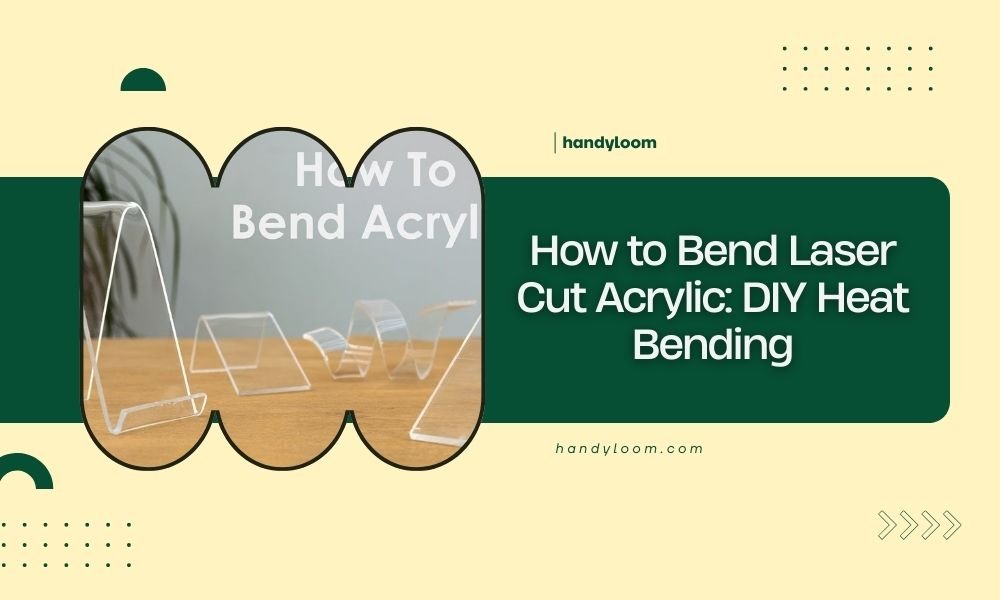
To bend laser cut acrylic, heat it to 160-180°F using a heat gun or strip heater, then gently bend it over a jig or form until it reaches your desired angle.
The key to successful acrylic heat bending lies in controlling temperature and applying steady, even pressure while the material remains warm and flexible.
Have you ever looked at a perfectly curved acrylic display case and wondered how they got that smooth bend? You’re not alone. Bending laser cut acrylic might seem tricky at first, but it’s actually quite straightforward once you know the basics.
Think of acrylic like chocolate when you’re tempering it. Too little heat and it stays rigid. Too much heat and it becomes a mess. Get it just right, and you can shape it beautifully.
Why Heat Bending Works with Acrylic
Acrylic becomes soft and bendable when heated to its glass transition temperature. This happens around 160°F to 180°F for most acrylic sheets.
Unlike other plastics that might crack under stress, acrylic has what I call “memory flexibility.” It remembers its new shape once it cools down. Pretty neat, right?
Essential Tools for Heat Bending Acrylic
You don’t need expensive equipment to bend acrylic at home. Here’s what works best based on what I found from maker communities online:
- Heat gun or hair dryer (heat gun works faster)
- Strip heater (ideal for straight bends)
- Oven (for larger pieces)
- Wooden jigs or forms
- Heat-resistant gloves
- Infrared thermometer (optional but helpful)
Heat Gun Method
Heat guns give you the most control. You can target specific areas and adjust temperature as needed. Keep it moving to avoid hot spots.
Strip Heater Advantages
Strip heaters create perfectly straight bend lines. They’re like having a hot knife that doesn’t cut. Many DIY enthusiasts I came across online swear by them for clean edges.
Step-by-Step Heat Bending Process
Ready to bend some acrylic? Let’s walk through this together. Take your time with each step.
Step 1: Prepare Your Workspace
Set up on a flat, heat-resistant surface. Good ventilation matters here. Heated acrylic doesn’t smell great, and you want fresh air flowing.
Have your bending jig ready. This could be a wooden block, metal angle, or custom form. The jig determines your final shape.
Step 2: Mark Your Bend Line
Use a ruler and fine marker to draw where you want the bend. Double-check your measurements. Moving forward with the wrong line wastes material.
Measuring Tip
Leave the protective film on until after marking. It prevents scratches and makes erasing easier if you mess up.
Step 3: Apply Heat Gradually
Start heating about 2 inches on each side of your bend line. Keep the heat source moving constantly. You want even warming, not concentrated hot spots.
Watch for the acrylic to become slightly glossy. That’s your signal it’s getting soft. Test flexibility gently with light finger pressure.
Temperature Control
If you have an infrared thermometer, aim for 160-180°F. No thermometer? The acrylic should feel warm but not burning hot to touch briefly.
Step 4: Make the Bend
Once the acrylic feels flexible, lift it carefully and position it over your jig. Apply steady, even pressure along the bend line.
Don’t rush this part. Slow, consistent movement prevents stress cracks. Think of it like folding a warm tortilla – gentle but firm.
Holding the Shape
Hold your desired angle for 30-60 seconds. The acrylic needs time to set in its new position while it cools.
Step 5: Cool and Check
Let the acrylic cool naturally. Don’t use cold water or fans to speed this up. Rapid cooling can cause stress fractures.
Check your angle with a protractor or square. Small adjustments are possible if you reheat gently.
Common Mistakes to Avoid
I found several recurring problems when researching online forums and maker communities. Here are the big ones to watch out for:
Overheating Problems
Too much heat creates bubbles or burns in the acrylic. Start with lower temperatures and work up gradually. Better to take longer than ruin your piece.
Uneven Heating Issues
Focusing heat in one spot creates weak points. Keep your heat source moving constantly. Even heating equals strong bends.
The Stress Crack Trap
Bending cold acrylic or cooling too fast causes tiny cracks that grow over time. Always heat adequately and cool slowly.
Different Acrylic Thicknesses
Thickness affects your bending approach. Here’s what I learned from various DIY resources:
| Thickness | Heating Time | Special Notes |
|---|---|---|
| 1/8 inch | 30-60 seconds | Heats quickly, easy to overbend |
| 1/4 inch | 1-2 minutes | Most forgiving thickness |
| 1/2 inch | 3-5 minutes | Requires more even heating |
Thin Sheet Challenges
Sheets under 1/8 inch heat fast but cool fast too. Work quickly once they’re flexible. Have your jig ready before you start heating.
Thick Sheet Considerations
Thick acrylic needs heat penetration throughout its depth. Surface heating isn’t enough. Consider oven heating for pieces over 1/2 inch thick.
Safety Tips for Heat Bending
Safety first, beautiful bends second. Hot acrylic can cause burns, and the process creates fumes.
Personal Protection
Wear heat-resistant gloves when handling warm acrylic. Regular work gloves aren’t enough. The material stays hot longer than you’d expect.
Ventilation Matters
Work in a well-ventilated area or outdoors when possible. Heated acrylic releases fumes that you don’t want to breathe.
Troubleshooting Common Problems
Things don’t always go perfectly. Here’s how to handle the most common issues:
Fixing Uneven Bends
If your bend isn’t straight, reheat the area gently and use a straightedge as a guide. Work slowly with light pressure.
Dealing with Stress Marks
White stress marks usually mean you bent too cold or too fast. Light sanding with very fine grit can minimize their appearance.
When to Start Over
Deep cracks or severe burns mean starting with a new piece. Don’t waste time trying to fix major damage.
Advanced Bending Techniques
Once you master basic bends, you can try more complex shapes. Multiple bends and compound curves become possible with practice.
Creating Compound Curves
Heat larger areas and bend gradually in multiple directions. Think of shaping clay – work slowly and check your progress often.
Conclusion
Bending laser cut acrylic opens up countless project possibilities. With the right temperature, proper tools, and patient technique, you can create professional-looking curves and angles at home. Remember to heat evenly, bend slowly, and cool naturally for the best results. Practice with scrap pieces first, and don’t be discouraged if your early attempts aren’t perfect. Every expert started with their first wobbly bend.
Can I bend acrylic without special tools?
Yes, a hair dryer can work for thin acrylic sheets, though it takes longer than a heat gun. You can also use a household oven for larger pieces, heating at 200°F and watching carefully.
What happens if I overheat the acrylic?
Overheated acrylic develops bubbles, burns, or becomes permanently cloudy. If you see bubbling starting, remove heat immediately and let it cool. Minor overheating might still be usable, but severe damage means starting over.
How sharp can I make the bend angle?
Most acrylic can bend to about 90 degrees safely. Sharper angles risk cracking, especially in thicker sheets. The minimum bend radius is typically about 150 times the material thickness.
Will the bend weaken over time?
Properly made bends remain strong permanently. The key is adequate heating and slow cooling. Stress fractures from poor technique can grow over time, but good bends last for years.
Can I unbend acrylic after it’s cooled?
Yes, you can reheat and reshape acrylic multiple times, though repeated heating may cause some cloudiness. Each reheat cycle should use the same careful temperature control as the original bend.