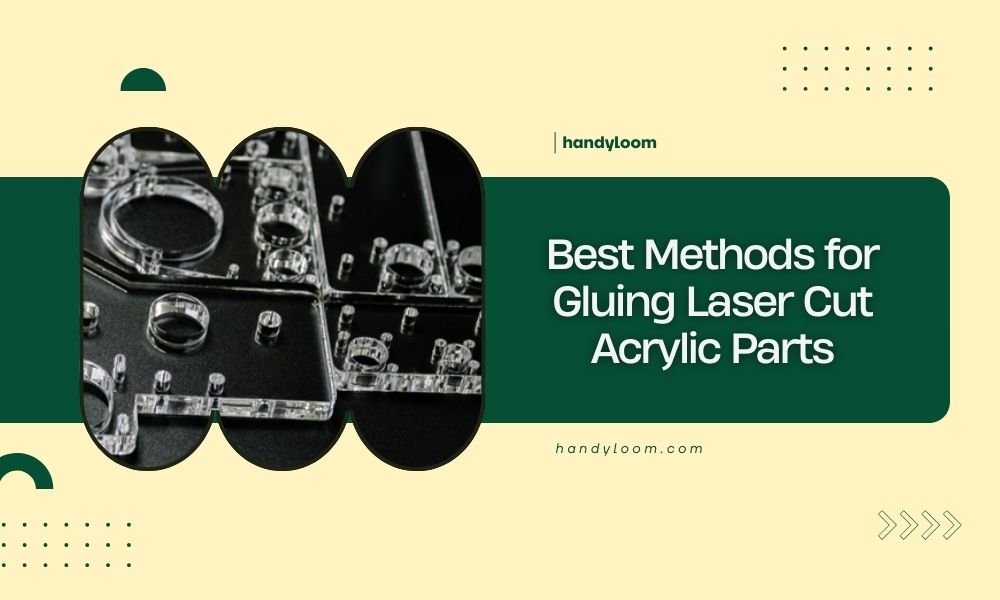
The best methods for gluing laser cut acrylic parts include using acrylic cement, cyanoacrylate glue, or epoxy adhesive depending on your project needs.
Acrylic cement creates the strongest bonds by chemically welding pieces together, while cyanoacrylate offers quick assembly for lighter applications.
Understanding Acrylic Adhesive Options
You have three main choices when bonding laser cut acrylic: chemical welding, mechanical bonding, and hybrid solutions. Each method works differently and suits different project types.
Chemical welding literally melts the acrylic surfaces together. This creates joints as strong as the original material. Mechanical bonding uses adhesives that stick to surfaces without changing the plastic itself.
Why Adhesive Choice Matters
Your adhesive choice affects strength, appearance, and durability. Some glues leave visible marks. Others create invisible seams that look professional.
Temperature changes can also affect different adhesives. What works indoors might fail outdoors.
Acrylic Cement: The Professional Choice
Acrylic cement gives you the strongest possible bond. It’s actually a solvent that dissolves both surfaces, creating a chemical weld.
I found that most professional fabricators prefer this method for permanent assemblies. The joint becomes as strong as solid acrylic.
How Acrylic Cement Works
The cement contains methylene chloride or similar solvents. These chemicals soften the acrylic surfaces. When the solvent evaporates, the surfaces have fused together.
You get about 30 seconds of working time before the joint sets. This means you need precise alignment before applying cement.
Application Technique
Clean both surfaces with isopropyl alcohol first. Any dust or oils will weaken the bond.
Hold pieces together in final position. Apply cement along the joint line using a squeeze bottle or syringe. The cement flows into the gap by capillary action.
Safety Considerations
Work in a well-ventilated area. The solvents can cause dizziness if you breathe too much. Wear nitrile gloves to protect your skin.
Keep cement away from your laser cut edges. It can cause stress cracking if applied too liberally.
Cyanoacrylate: Fast and Convenient
Super glue works well for quick assemblies and repairs. It bonds in seconds and requires no special equipment.
Research shows cyanoacrylate creates bonds up to 4,000 PSI on acrylic surfaces. That’s strong enough for most craft projects.
Types of Cyanoacrylate
Thin cyanoacrylate flows into tight gaps. Use it when pieces fit together perfectly.
Medium viscosity glue fills small gaps while still bonding quickly. Gel formulas give you more working time and won’t run.
Best Application Practices
Apply glue to one surface only. Too much creates weak, brittle joints.
Join pieces within 10 seconds for maximum strength. The bond reaches full strength in about 10 minutes.
Handling White Residue
Cyanoacrylate can leave white marks around joints. This happens when glue vapors contact the acrylic surface.
Use accelerator spray to cure excess glue quickly. This reduces vapor formation and whitening.
Epoxy Adhesives for Gap Filling
Two-part epoxy works great when your laser cut pieces don’t fit perfectly. It fills gaps up to 1/8 inch while maintaining strength.
I found online that structural epoxies can create bonds stronger than 3,000 PSI on acrylic. They also resist temperature changes better than other adhesives.
Choosing the Right Epoxy
Fast-cure epoxies give you 5-10 minutes of working time. Slow-cure formulas allow 30+ minutes for complex assemblies.
Clear epoxy maintains the transparent look of acrylic. Colored versions can create decorative joint lines.
Mixing and Application
Measure resin and hardener carefully. Wrong ratios create weak or sticky joints.
Mix thoroughly for at least one minute. Incomplete mixing leaves soft spots that fail under stress.
Solvent Welding Techniques
Solvent welding gives professional results but requires practice. You’re essentially melting the acrylic surfaces together.
The process works best on clean, smooth cuts. Laser cutting creates ideal surfaces for solvent welding.
Joint Preparation
Test fit all pieces before applying solvent. You won’t have time to adjust once welding starts.
Sand rough edges with 400-grit paper. Smooth surfaces create stronger welds.
Solvent Selection
Methylene chloride works fastest but requires good ventilation. Ethylene dichloride gives more working time.
Some solvents come pre-thickened for gap filling. Others are water-thin for tight-fitting joints.
Application Methods
Needle applicators give precise control for small parts. Brush application works for larger surfaces.
Soak welding involves dipping one piece in solvent, then immediately joining. This technique works well for box corners.
Mechanical Fastening Options
Sometimes adhesives aren’t the answer. Mechanical fasteners allow disassembly and work with thick acrylic sheets.
Screws, bolts, and specialty fasteners can create strong joints without chemicals.
Threaded Fasteners
Self-tapping screws work in acrylic up to 1/4 inch thick. Drill pilot holes to prevent cracking.
Machine screws with nuts give stronger joints. Use washers to distribute stress over larger areas.
Specialty Acrylic Fasteners
Acrylic welding rods can be heated and used like solder. This technique works well for repairs.
Snap-fit designs eliminate fasteners entirely. Your laser cutting software can create living hinges and snap features.
Common Assembly Problems
Stress cracking happens when solvents contact stressed areas. Laser cutting can create internal stresses that cause delayed cracking.
Anneal your parts by heating to 160°F for one hour, then cooling slowly. This relieves cutting stresses.
Avoiding Cloudy Joints
Moisture in adhesives causes cloudy bonds. Store adhesives in sealed containers with desiccant packs.
Temperature differences during curing can also cause clouding. Let all materials reach room temperature before assembly.
Surface Preparation Tips
Clean surfaces bond better than dirty ones. Use isopropyl alcohol to remove fingerprints and cutting residue.
Don’t use paper towels for cleaning. They leave lint that weakens bonds. Microfiber cloths work better.
Handling Protective Film
Remove protective film before bonding. Adhesives stick to the film instead of the acrylic.
Some films leave adhesive residue. Clean this off with alcohol before assembly.
Testing Bond Strength
Make test joints before starting your main project. Different acrylic types bond differently.
Cast acrylic bonds better than extruded acrylic. Cell-cast material has fewer internal stresses.
| Adhesive Type | Bond Strength | Working Time | Best Use |
|---|---|---|---|
| Acrylic Cement | Highest | 30 seconds | Permanent assembly |
| Cyanoacrylate | High | 10 seconds | Quick repairs |
| Epoxy | Medium-High | 5-30 minutes | Gap filling |
| UV Adhesive | Medium | Until UV exposure | Precise positioning |
Working with Thick Acrylic
Thick acrylic (over 1/2 inch) needs special techniques. Standard cements may not penetrate deep enough.
V-groove joints increase bonding surface area. Cut 45-degree bevels on mating edges for stronger joints.
Temperature and Humidity Effects
High humidity slows cyanoacrylate curing. Low humidity can cause stress cracking in fresh bonds.
Work in 40-60% humidity when possible. Use a dehumidifier in damp basements or garages.
Conclusion
Choosing the right adhesive makes all the difference in your laser cut acrylic projects. Acrylic cement gives the strongest bonds for permanent assemblies. Cyanoacrylate works great for quick projects and repairs. Epoxy handles imperfect fits and temperature changes.
Remember to prepare surfaces properly and work in good conditions. Take time to practice techniques on scrap pieces first. With the right approach, your acrylic assemblies will look professional and last for years.
What’s the strongest way to join laser cut acrylic pieces?
Acrylic cement creates the strongest bonds by chemically welding the surfaces together. The joint becomes as strong as solid acrylic material, making it ideal for permanent assemblies that need maximum durability.
Can I take apart acrylic pieces glued with cyanoacrylate?
Yes, you can dissolve cyanoacrylate bonds using acetone or specialized debonding agents. Soak the joint area and gently work pieces apart. This won’t work with acrylic cement, which creates permanent chemical welds.
Why do my acrylic joints turn white after gluing?
White residue around joints happens when cyanoacrylate vapors contact the acrylic surface. Use less glue, work in well-ventilated areas, or try gel-type cyanoacrylate which produces fewer vapors during curing.
How long should I wait before handling glued acrylic parts?
Cyanoacrylate sets in seconds but reaches full strength in 10 minutes. Acrylic cement joints can be handled in 2-3 minutes but cure completely in 24 hours. Epoxy timing depends on the specific formula used.
What causes stress cracks near glued joints in acrylic?
Solvents in adhesives can cause stress cracking if the acrylic has internal stresses from laser cutting. Anneal parts by heating to 160°F for one hour, then cooling slowly to relieve these stresses before gluing.