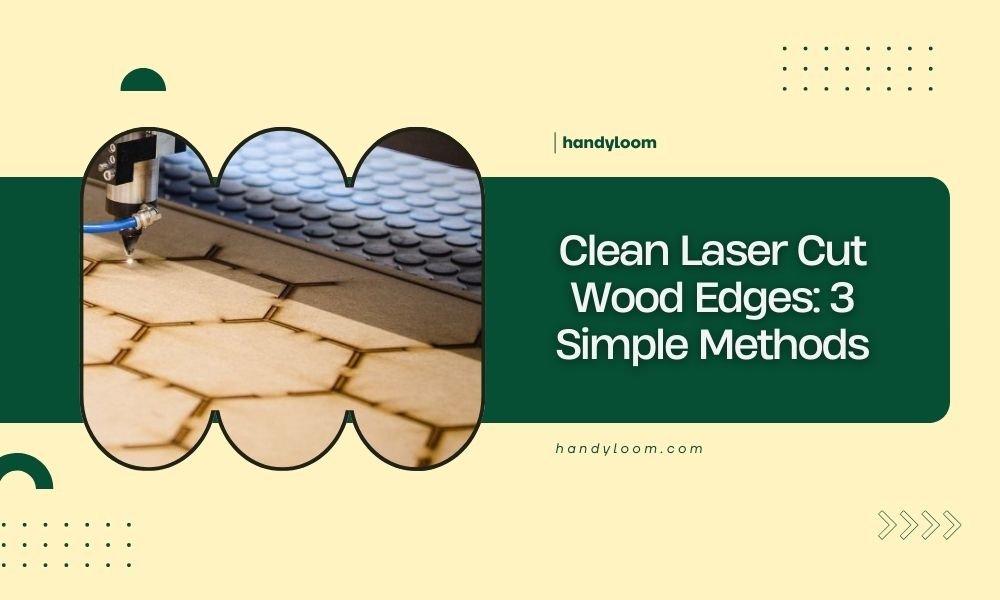
To clean laser cut wood edges, you can sand them with fine-grit paper, scrape off char with a sharp blade, or use denatured alcohol to dissolve residue.
These three methods will remove burn marks and char buildup that make laser cut wood edges look rough and unprofessional.
You just finished laser cutting your latest project. The design looks perfect, but those edges? They’re darker than you expected. Maybe even a bit rough or sticky.
Don’t worry. This happens to everyone who works with laser cut wood. The good news is that you can fix it fast.
Why Laser Cut Wood Edges Get Messy
Laser cutting uses intense heat to slice through wood. That heat burns the wood fibers at the cut line. The result? Dark, charred edges that feel rough to touch.
Some woods burn more than others. Softwoods like pine create more char than hardwoods like oak. Plywood with certain glues can leave sticky residue too.
The laser’s power settings matter a lot. Too much power creates more burning. Too little power might require multiple passes, which also adds char.
Method 1: Sand Away the Char
Sanding is the most common way to clean laser cut edges. It works on almost any wood type and removes both char and roughness.
What You’ll Need for Sanding
- Fine-grit sandpaper (220-400 grit)
- Sanding block or electric sander
- Dust mask
- Shop vacuum or compressed air
Step-by-Step Sanding Process
Start with 220-grit sandpaper. This removes the worst char without being too aggressive. Hold the sandpaper at a slight angle to the edge.
Sand in one direction only. Back-and-forth motions can create scratches that show up later under finish.
Check your progress often. You want to remove the black char but keep the crisp edge shape. Too much sanding rounds over sharp corners.
When Sanding Works Best
Sanding works great on thick wood (over 6mm). It’s perfect for projects where you plan to stain or paint the edges anyway.
Avoid sanding very thin pieces. You might sand through to the opposite face by mistake.
Sanding Limitations
Sanding changes the edge profile slightly. Sharp 90-degree corners become softer. This might not work for precision joints.
Fine details can get lost with sanding. Think twice before sanding intricate cutouts or small text.
Method 2: Scrape Off the Char
Scraping removes char without changing the wood’s shape. It keeps those crisp edges that make laser cutting special.
Tools for Scraping
- Sharp craft knife or X-acto blade
- Wood scraper or card scraper
- Fine steel wool (0000 grade)
How to Scrape Properly
Hold your blade at a shallow angle to the wood edge. About 15-20 degrees works well. Too steep and you’ll dig into the wood.
Pull the blade along the edge with light pressure. Let the blade do the work. Heavy pressure creates gouges.
Work in short sections. Don’t try to scrape the entire edge in one pass. Take your time and stay consistent.
Best Uses for Scraping
Scraping is perfect for hardwoods. The char usually comes off in thin curls, leaving clean wood underneath.
Use scraping when edge precision matters. Puzzle pieces, joints, and decorative edges stay sharp and clean.
Scraping Challenges
Softwoods can tear when scraped. The wood fibers might lift instead of cutting cleanly.
Scraping takes practice. Your first few attempts might leave small nicks or scratches.
Method 3: Alcohol Cleaning
Denatured alcohol dissolves some types of char and residue. It’s the gentlest method and works well for light charring.
Supplies for Alcohol Cleaning
- Denatured alcohol (not rubbing alcohol)
- Clean cloth rags
- Cotton swabs for detail work
- Good ventilation
Alcohol Cleaning Steps
Dampen your cloth with alcohol. Don’t soak it – you want it moist but not dripping.
Wipe along the edge firmly. The alcohol should start dissolving the char and residue.
Change to a clean part of the cloth often. You don’t want to spread char around instead of removing it.
When Alcohol Works Well
Alcohol excels at removing sticky residue from plywood glues. It also works on light char that hasn’t penetrated deep into the wood.
This method works great before sanding or scraping. It removes the loose stuff first.
Alcohol Method Limits
Heavy char won’t dissolve in alcohol. You’ll still see dark edges after cleaning.
Some alcohol can raise wood grain slightly. Test on a scrap piece first.
Combining Methods for Best Results
You don’t have to pick just one method. Many woodworkers combine techniques for the cleanest edges.
Start with Alcohol
Begin with alcohol cleaning to remove loose char and residue. This step makes the other methods work better.
Follow with Scraping or Sanding
After alcohol cleaning, scrape or sand away the remaining char. You’ll need less aggressive action since the loose material is already gone.
Preventing Char in the First Place
The best way to deal with char is to create less of it. Here are some prevention tips I found from laser cutting experts.
Adjust Your Laser Settings
Lower power with more passes often creates less char than high power single passes. It takes longer but gives cleaner edges.
Faster cutting speeds also reduce burning time per spot. Find the sweet spot between speed and clean cuts.
Use Masking Tape
Cover your wood with masking tape before cutting. The tape protects the surface and can reduce edge charring too.
Remove the tape right after cutting while it’s still warm. Waiting too long makes tape removal harder.
Air Assist Helps
If your laser has air assist, use it. The air flow blows away burning debris before it can stick to edges.
Wood Type Makes a Difference
Some woods naturally create cleaner laser cuts than others. Knowing this helps set expectations.
| Wood Type | Char Level | Best Cleaning Method |
|---|---|---|
| Hardwoods (Oak, Maple) | Light to moderate | Scraping |
| Softwoods (Pine, Fir) | Moderate to heavy | Sanding |
| Plywood | Variable, sticky residue | Alcohol then sanding |
| MDF | Heavy, deep char | Sanding only |
Hardwood Advantages
Hardwoods like oak and maple create less char. The dense fibers resist burning better than soft woods.
Softwood Challenges
Pine and other softwoods burn easily. The resin in these woods can create sticky, thick char.
Safety Tips for Edge Cleaning
All three cleaning methods involve some safety considerations. Here’s how to stay safe.
Sanding Safety
Always wear a dust mask when sanding laser cut edges. The char dust isn’t something you want to breathe.
Work in a well-ventilated area or use dust collection if you have it.
Scraping Safety
Sharp blades require respect. Always cut away from your body and keep your fingers clear.
Replace dull blades quickly. Dull blades require more pressure and are more likely to slip.
Alcohol Safety
Denatured alcohol is flammable. Keep it away from the laser and any heat sources.
Work in a ventilated area. The fumes can cause headaches in enclosed spaces.
Testing Your Results
How do you know when edges are clean enough? Here are some quick tests.
The Finger Test
Run your finger along the cleaned edge. It should feel smooth without catching on rough spots.
The White Cloth Test
Rub a white cloth along the edge. If black char rubs off, you need more cleaning.
The Finish Test
Apply a small amount of your planned finish to test the edge. Clean edges take finish evenly without dark streaks.
Conclusion
Clean laser cut wood edges don’t have to be a struggle. Whether you choose sanding, scraping, or alcohol cleaning depends on your wood type and project needs. Sanding works best for thick softwoods and painted projects. Scraping keeps hard edges sharp and precise. Alcohol cleaning removes sticky residue and light char gently.
The best approach often combines methods – start with alcohol, then scrape or sand as needed. With practice, you’ll get faster at choosing the right technique for each project. Remember that preventing char with proper laser settings saves time later. Your finished projects will look more professional with clean, smooth edges that take finish beautifully.
How long should I wait after laser cutting before cleaning the edges?
You can clean laser cut edges immediately after cutting. Warm wood is often easier to clean since char and residue haven’t had time to harden completely.
Will cleaning laser cut edges affect wood glue adhesion?
Yes, cleaning improves glue adhesion. Char and residue can prevent glue from bonding properly. Clean edges create stronger joints.
Can I use regular rubbing alcohol instead of denatured alcohol?
Denatured alcohol works better because it’s stronger and evaporates faster. Rubbing alcohol contains water that can raise wood grain and takes longer to dry.
What grit sandpaper should I avoid on laser cut edges?
Avoid coarse grits below 180. They remove too much material and can destroy fine details. Start with 220 grit and go finer if needed.
Do I need to clean edges if I’m painting the wood?
Yes, clean edges before painting. Char can bleed through paint over time, creating dark spots. Light sanding or alcohol cleaning is usually enough for painted projects.